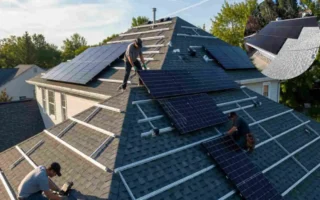
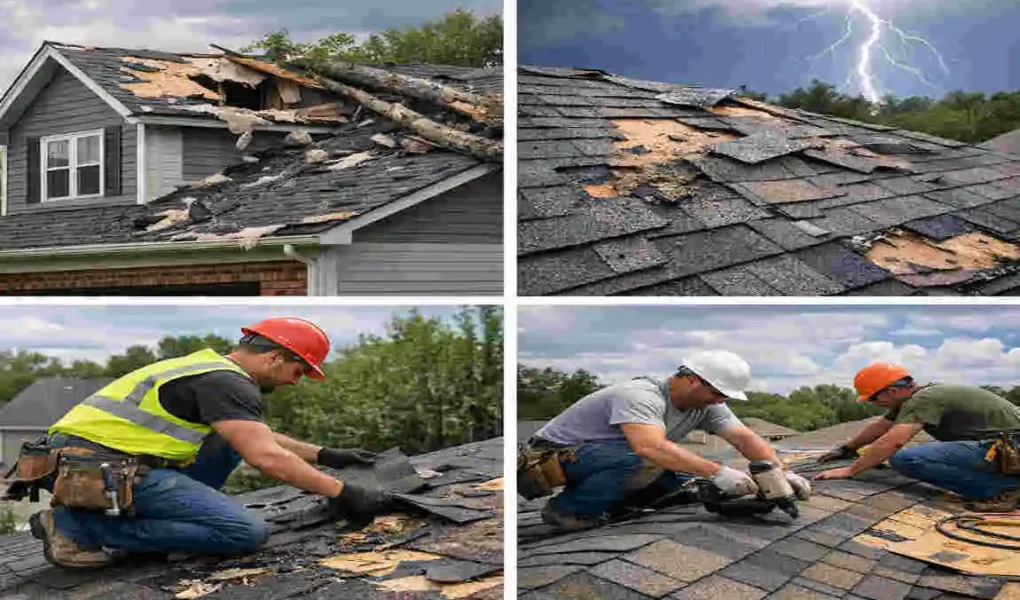
Many Wildwood homeowners deal with storm-damage roofing after strong winds, heavy rain, hail, or falling branches. A roof can look fine from the ground and still have hidden damage, which is why quick action matters.
If you live in Wildwood, you know weather can change fast. One storm can loosen shingles, bend flashing, clog gutters, or even create leaks that show up days later. That is why a careful roof check after bad weather matters.
Common Types of Storm Damage to Residential Roofs
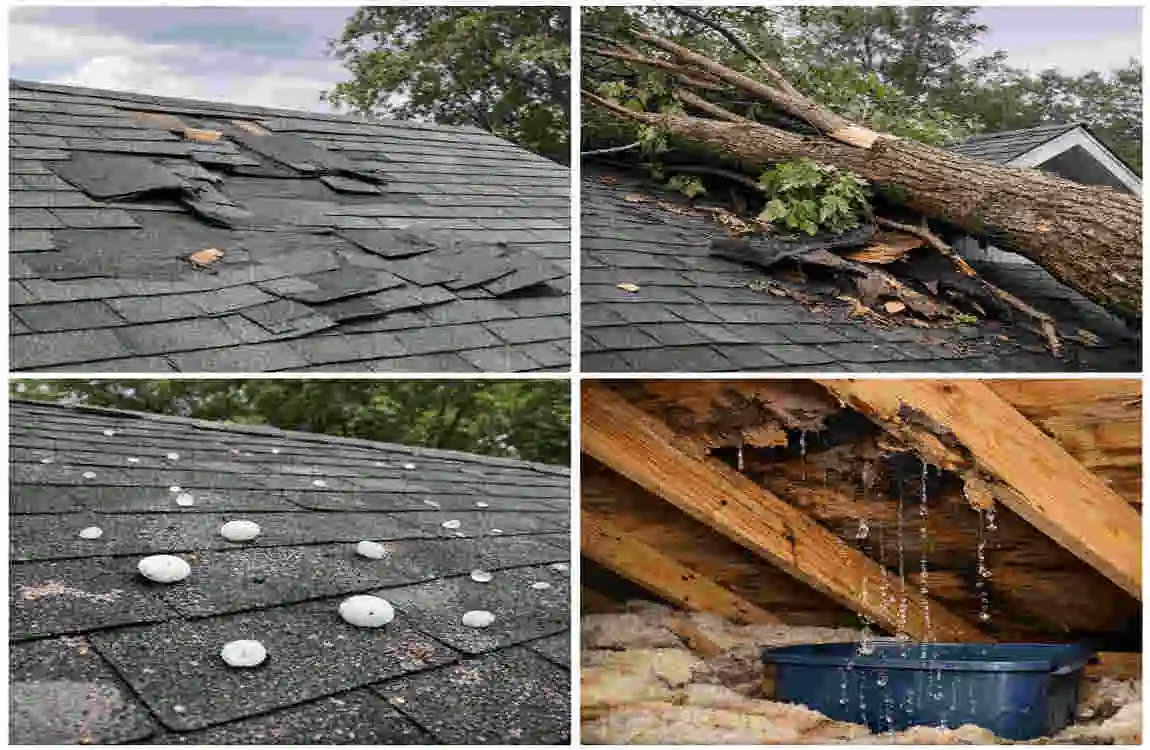
Wind damage
Wind is one of the most common causes of roof trouble. Strong gusts can lift shingles, loosen flashing, and damage the roof edges.
Signs of wind damage
- Missing shingles
- Shingles that look lifted or curled
- Loose flashing around vents or chimneys
- Gutter sections pulled away from the roof
Wind damage often starts small. Even a few loose shingles can create an opening that lets water in later.
Hail damage
Hail can leave dents, cracks, or bruised spots on roofing materials. It may also remove protective granules from shingles, which shortens the life of the roof.
Common hail damage signs
- Dark or soft spots on shingles
- Granules in gutters or downspouts
- Dents in metal flashing or gutters
- Cracked roof surfaces
Hail damage can be tricky because it is not always obvious right away. That is why careful inspection matters.
Heavy rain and water damage
Heavy rain can expose weak areas in the roof. If water gets through, it may leave stains, soften materials, or damage the attic.
Warning signs of water damage
- Ceiling stains
- Damp attic insulation
- Moldy smells
- Moisture around vents or walls
If water is entering the home, repairs should happen quickly. Water damage tends to spread.
Falling trees and branches
Strong storms can bring down branches or even whole trees. This type of damage is often more severe because it can puncture the roof or affect the structure below it.
What branch impact can cause
- Broken shingles
- Punched-through roof decking
- Damaged rafters or support areas
- Emergency leak conditions
This kind of damage may need urgent repair, especially if the roof is open to the weather.
Quick comparison table
Storm Type Common Roof Damage What Homeowners May Notice
Wind Missing or lifted shingles, damaged flashing Shingles on the ground, loose edges
Hail Cracks, bruising, granule loss Dents, worn spots, debris in gutters
Heavy rain Leaks, stains, moisture problems Wet ceilings, attic dampness
Falling branches Punctures, structural damage Broken roof materials, interior leaks
How to Inspect Your Roof After a Storm
Start with a safe ground-level check.
You do not need to climb onto the roof right away. In fact, you should avoid doing that if the roof may be damaged.
Start by walking around the house and looking for:
- Missing shingles
- Pieces of roofing material on the ground
- Bent gutters
- Damaged vents
- Branches or debris on the roof
This basic check can tell you a lot before you call anyone.
Look at roof edges and visible roof parts.
If you can see the roof from a safe place, check the edges, flashing, vents, and chimney areas. These spots often show storm damage first.
Watch for anything that looks bent, loose, or out of place. Even a small gap can matter.
Check the attic if it is safe.
The attic can give you useful clues. Look for damp wood, wet insulation, water spots, or a musty smell.
If you find moisture in the attic, that may mean the roof has already started leaking.
Look inside the home too.
Roof damage often shows up inside before it becomes obvious outside. Watch for:
- Ceiling stains
- Paint bubbling
- Dripping water
- Wall discoloration
- New drafty spots near the ceiling
These signs should not be ignored. They often point to a roof leak or hidden water entry.
Avoid climbing onto a damaged roof.
A storm-damaged roof can be slippery and unsafe. It may also be weakened in areas you cannot see.
For that reason, stay off the roof unless a trained professional is handling the inspection. Safety should always come first.
Storm Damage Roofing Repair and Replacement Options
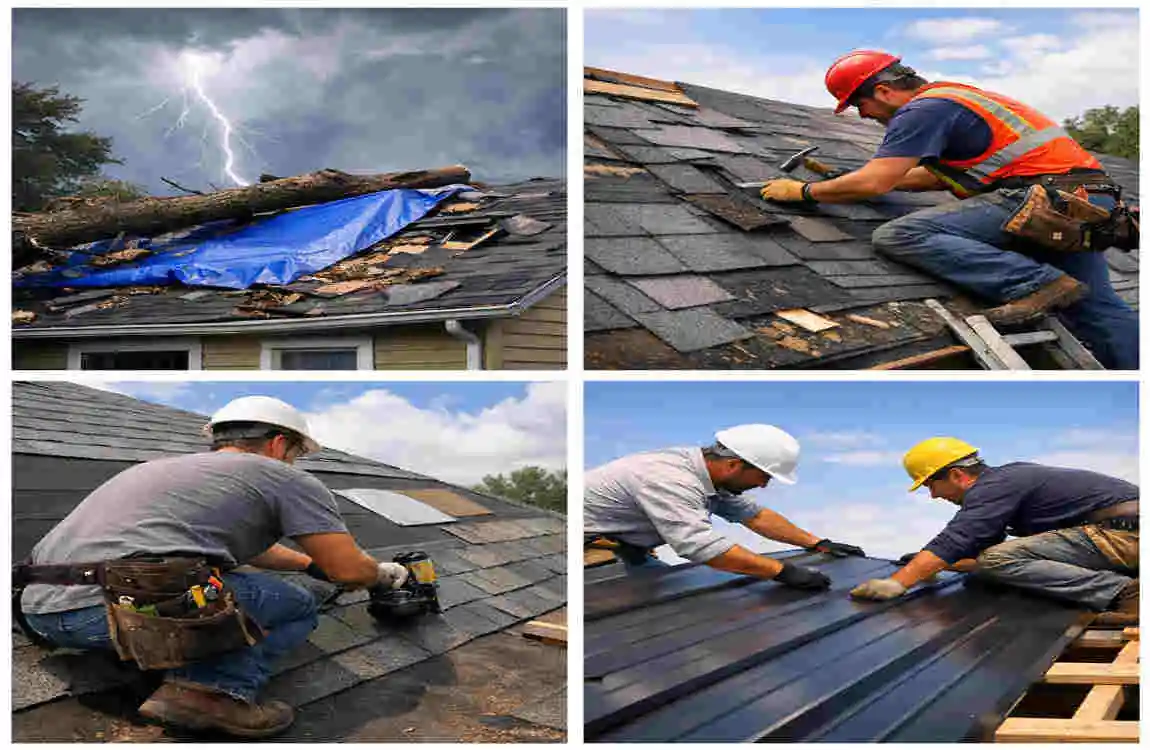
Temporary emergency roof repairs
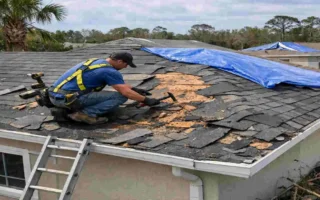
If water is entering the home, the first goal is to prevent more damage. Temporary protection may include tarping or sealing exposed areas.
Common emergency steps
- Covering open roof sections
- Blocking active leaks
- Protecting ceilings and furniture inside
- Removing loose debris when safe
These are short-term fixes. They buy time until you can make full repairs.
Professional roof repairs
If the damage is limited, a roofer may be able to repair the affected area instead of replacing the whole roof.
Repairs often include
- Replacing broken shingles
- Fixing flashing
- Repairing gutters
- Sealing small leaks
- Addressing minor structural issues
This is often the best option when the roof is still in good overall condition.
When roof replacement may be needed
Sometimes repair is not enough. If the roof has widespread damage, repeated leaks, or older materials, replacement may be the better choice.
Replacement may be needed when
- Damage covers a large area
- Repairs keep failing
- The roof is already old
- Storm damage reached the structure below
- Materials are too worn to patch effectively
A full replacement costs more, but it may save money over time if the roof is already near the end of its life.
Repair or replace?
The decision usually depends on the extent of damage, the age of the roof, and the cost of repeated repairs. A roofing contractor can help you compare both choices honestly.
Insurance, Documentation, and Storm Damage Claims
Understand your homeowners insurance.
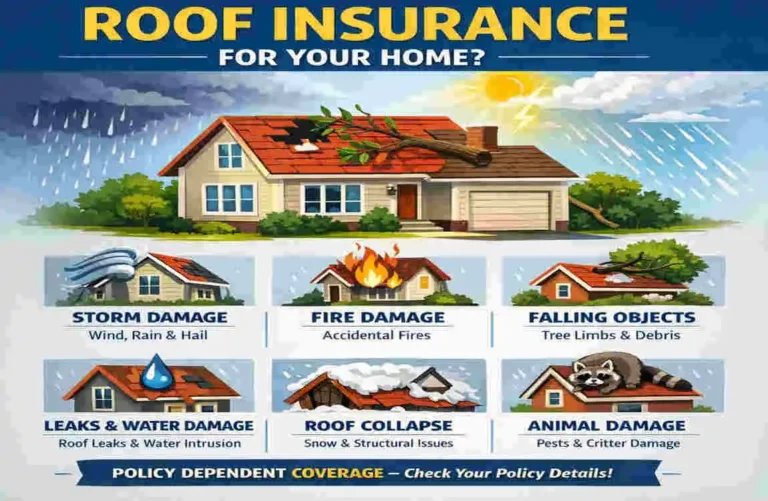
Many homeowners insurance policies help cover storm damage, but coverage depends on the policy terms and the cause of damage.
Review your policy and understand what is included before filing a claim.
Document the damage carefully.
Good documentation can make the claim process easier. Take clear photos of:
- Missing shingles
- Dents or cracks
- Fallen branches
- Water stains
- Damaged gutters
- Interior leaks
Also write down the storm date and any visible changes you noticed afterwards.
Keep repair records
Hold onto estimates, invoices, and receipts. These documents may be useful during the insurance process.
A written inspection report from a roofing professional can also help clearly explain the damage.
Work carefully with the insurance adjuster.
When the adjuster visits, share the damage you found and provide your photos and notes. Be honest and clear.
Do not guess or exaggerate. Just show what happened and what you observed.
Common claim mistakes to avoid
- Waiting too long to report damage
- Throwing away damaged materials too early
- Missing photo documentation
- Assuming all roof damage is covered
- Hiring an unreliable contractor too quickly
A careful process usually leads to a better result.
Storm damage vs normal wear
Not every roof problem is storm-related. Some issues come from ageing, wear, or poor maintenance.
That is why it helps to know the difference. A professional can tell whether the damage came from weather or from ordinary roof deterioration.
Choosing a Roofing Contractor in Wildwood
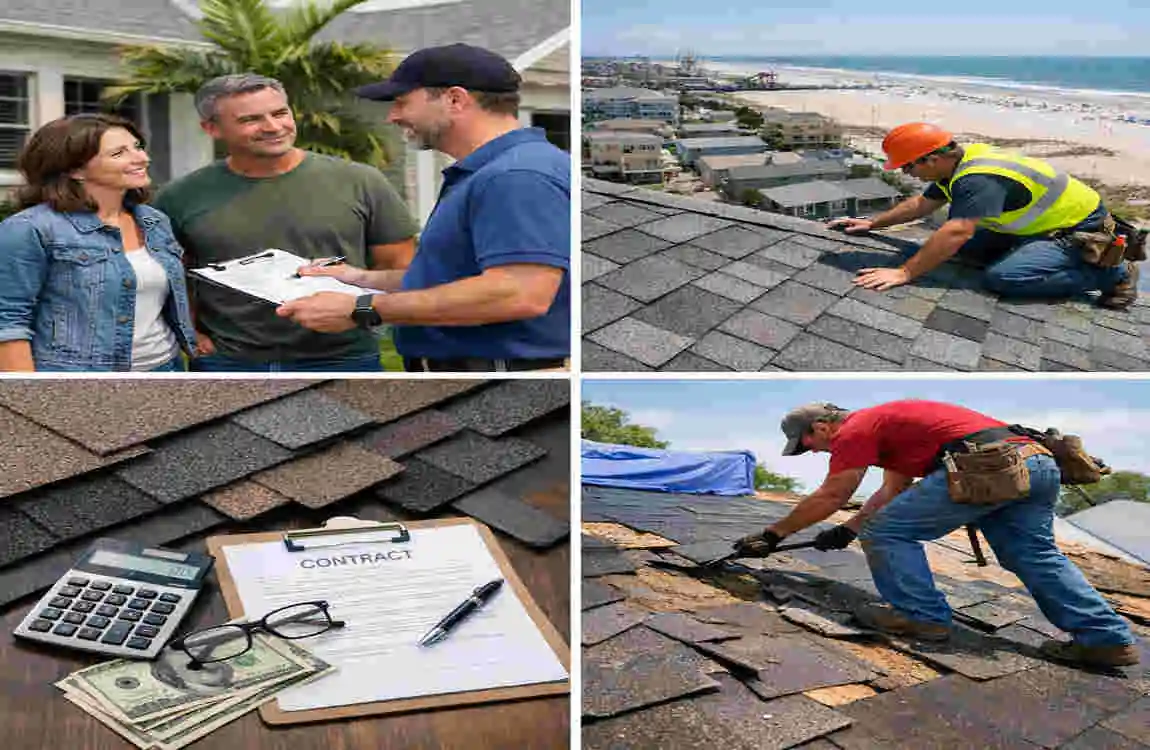
What to look for
A good roofer should have experience, communicate clearly, and have a strong local reputation. You want someone who understands storm damage roofing in Wildwood and knows how local weather affects roofs.
Check credentials
Before hiring, confirm that the company is properly licensed and insured. This protects you if something goes wrong during the job.
You should also ask about:
- Experience with storm repairs
- Material options
- Warranty coverage
- Estimated timelines
Questions to ask
A few good questions can help you compare contractors:
- How much storm damage have you repaired in this area?
- Will you provide a written estimate?
- What materials do you recommend?
- How long will the repair take?
- What kind of warranty do you offer?
Clear answers usually mean the contractor is professional and prepared.
Warning signs to watch for
Be careful if a contractor:
- Pressures you to sign fast
- Will not give a written quote
- Has no proof of insurance
- Avoids your questions
- Gives a price that seems too good to be true
A trusted roofer should be transparent and easy to reach.
Why local experience matters
A local contractor understands the weather patterns, common roof problems, and local building needs. That experience can lead to better repairs and fewer surprises.
FAQ About Storm Damage Roofing in Wildwood
How do I know if my roof has storm damage?
Look for missing shingles, dents, debris, leaks, ceiling stains, or attic moisture. A professional inspection will give you the clearest answer.
What should I do immediately after a storm damages my roof?
Stay safe, check for visible damage from the ground, document what you see, and contact a roofing professional if needed.
How quickly should storm damage roofing be repaired?
As soon as possible. Delays can allow water damage to spread and may make the repair more expensive.
Does homeowners insurance cover storm-damaged roofs?
It often does, but coverage depends on the policy and the cause of the damage.
Can a small roof leak cause major damage?
Yes. Even a small leak can lead to mould, stained ceilings, insulation damage, and structural problems over time.
Should I repair or replace a storm-damaged roof?
That depends on the roof’s age, the extent of the damage, and the cost of repeated repairs.
How much does storm damage roofing in Wildwood cost?
Costs vary based on damage size, roof type, materials, and labor. Minor repairs cost less, while replacements cost more.
Can I inspect my roof myself after a storm?
You can safely inspect from the ground and check the attic, but avoid climbing onto a possibly damaged roof.
How long does storm damage roof repair take?
Minor repairs may take a short time, while larger repairs or replacements may take longer depending on the weather and material availability.
How can I prevent future storm damage to my roof?
Regular maintenance, prompt repairs, clean gutters, and strong roofing materials can help reduce future damage.
| Topic | Short Information |
|---|---|
| Storm Damage Roofing | Roof damage caused by strong winds, heavy rain, hail, or fallen branches. |
| Common Damage | Missing shingles, cracked tiles, leaks, damaged flashing, and loose gutters. |
| First Step | Inspect the roof safely from the ground and look for visible damage or leaks. |
| Emergency Protection | Use a temporary tarp or other professional covering to help prevent further water damage. |
| Roof Inspection | A professional inspection can identify hidden structural or moisture-related problems. |
| Insurance Claims | Photograph damage and keep repair estimates and receipts for documentation. |
| Roof Repair | Minor damage may require repairs, while extensive damage may need partial or complete replacement. |
| Prevention Tips | Maintain gutters, trim nearby trees, check flashing, and inspect the roof regularly. |
Related Posts