Storms can take a toll on your roof. Strong winds can lift shingles. Hail can bruise roofing materials. Heavy rain can turn a small weak spot into a leak inside your home.
If you live in Ken Caryl, quick action matters. Local weather can change fast, and even a short storm can cause damage that is not always easy to see right away. That’s why you should address storm damage roofing in Ken Caryl as soon as possible.
The good news is you don’t have to figure everything out alone. With the right steps, you can check for damage, protect your home, and move into repairs or an insurance claim with more confidence.
Common Signs of Storm Damage to Your Roof
Missing or lifted shingles
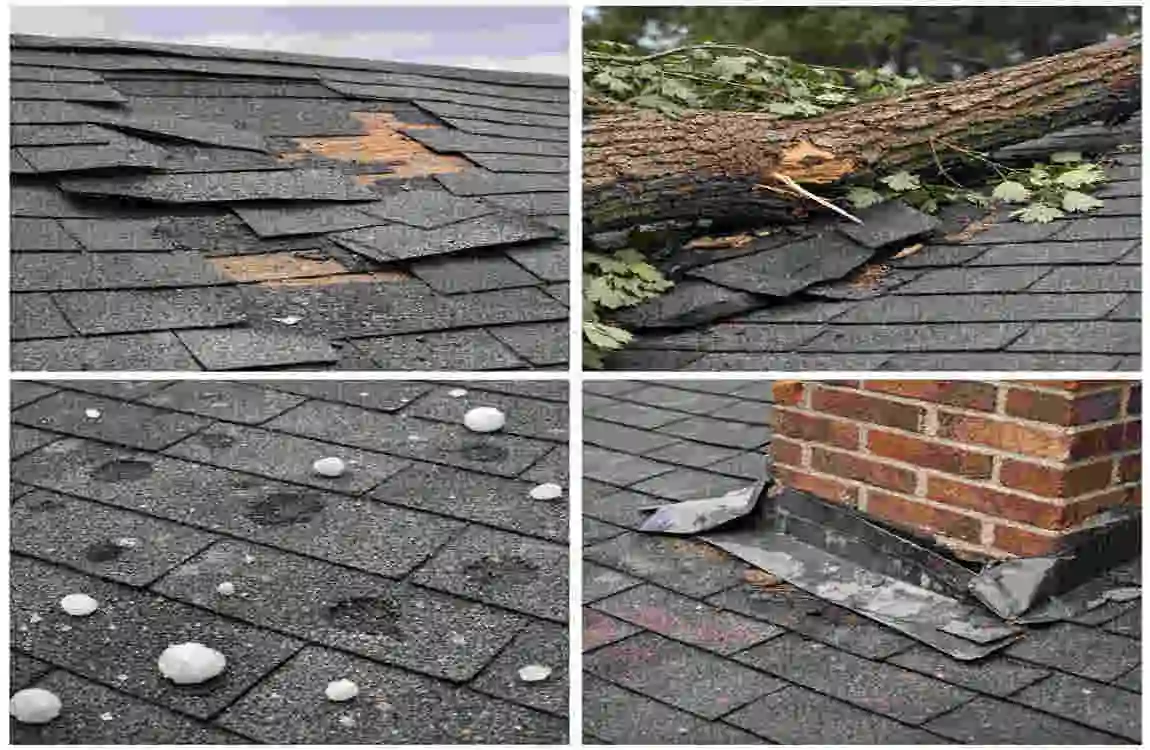
Wind is one of the most common causes of roof damage. It can loosen shingles, curl them, or blow them off completely.
If you notice bare spots on your roof or shingles lying in your yard, that is a clear warning sign. Even if only a few shingles are missing, water can still get in and cause bigger trouble later.
Hail damage
Hail can leave dents, cracks, and small bruises on roofing materials. On asphalt shingles, it may also knock off protective granules.
This kind of damage is not always easy to spot from the ground. That is why hail damage often needs a closer look from a trained roofing professional.
Roof leaks and water stains
A leak may show up as a wet spot on the ceiling, peeling paint, or water stains on walls. In the attic, you might notice damp insulation or dripping water.
Even a small stain should not be ignored. It often means water has already passed through the roof system.
Damaged flashing and gutters
Storms can loosen flashing around chimneys, vents, and roof edges. Gutters may also bend, pull away, or fill with debris.
When flashing or gutters fail, water doesn’t drain properly. That can lead to leaks, rot, and more expensive repairs.
Hidden roof damage
Some roof problems are not visible right away. You may not see cracks, broken seals, or small structural issues until a professional inspects the roof.
This is why a roof that looks “mostly fine” from the ground can still need repairs. Hidden damage often becomes obvious only after the next rain.
What to Do Immediately After Roof Storm Damage
Prioritise safety first
Do not climb onto a wet or damaged roof. It is risky, and you could make the damage worse.
Stay on the ground and inspect from a safe distance. If you see downed power lines or major structural damage, stay away and call for help if needed.
Look for visible signs from the ground.
Walk around your home and check for loose shingles, debris, bent gutters, or branches on the roof. Also look at the siding, windows, and yard.
What you see outside can help you understand how strong the storm impact may have been.
Document the damage
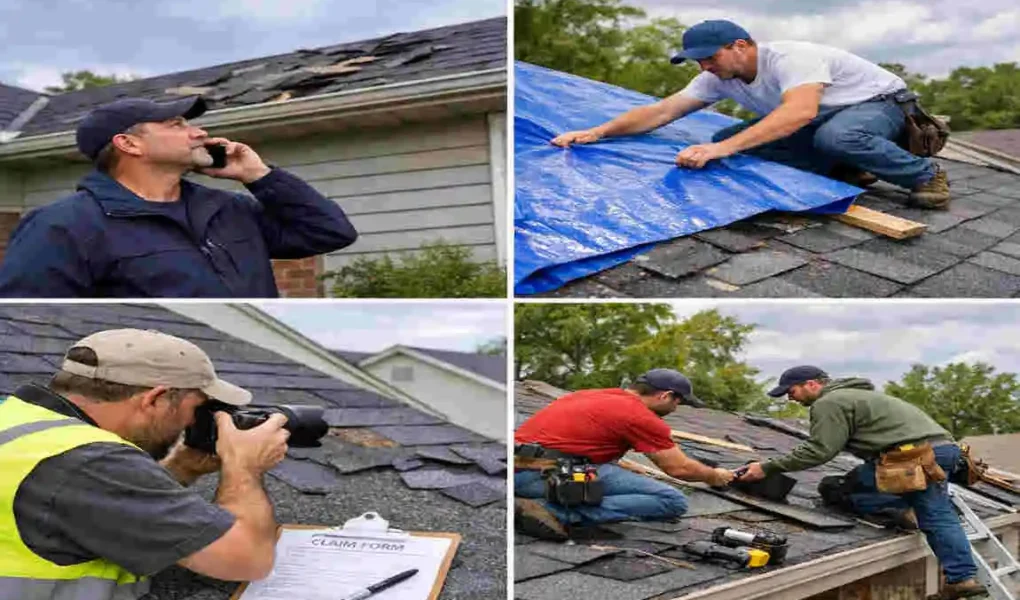
Take clear photos and videos of anything that looks damaged. Include the roof, gutters, siding, fallen branches, and any water stains inside the home.
This evidence helps with both repair planning and insurance claims. Keep your photos in one safe place so you can use them later.
Prevent more water damage.
If you see a leak, move furniture, rugs, or valuables away from the wet area. Use buckets or containers to catch dripping water.
You can also place towels on the floor to reduce spread. These simple steps can help limit damage while you wait for repairs.
Arrange emergency roof protection.
If the roof has an open area or active leak, temporary protection may be needed. A professional tarp can help keep rain out until permanent repairs begin.
This is often a smart step if the weather may continue or the roof is severely exposed.
Call a roofing professional.
A post-storm roof inspection is one of the smartest things you can do. A professional can spot damage you might miss and tell you whether the roof needs repair or replacement.
Fast action can save you money and keep a small problem from becoming a bigger one.
How to Handle Roofing Insurance Claims After a Storm
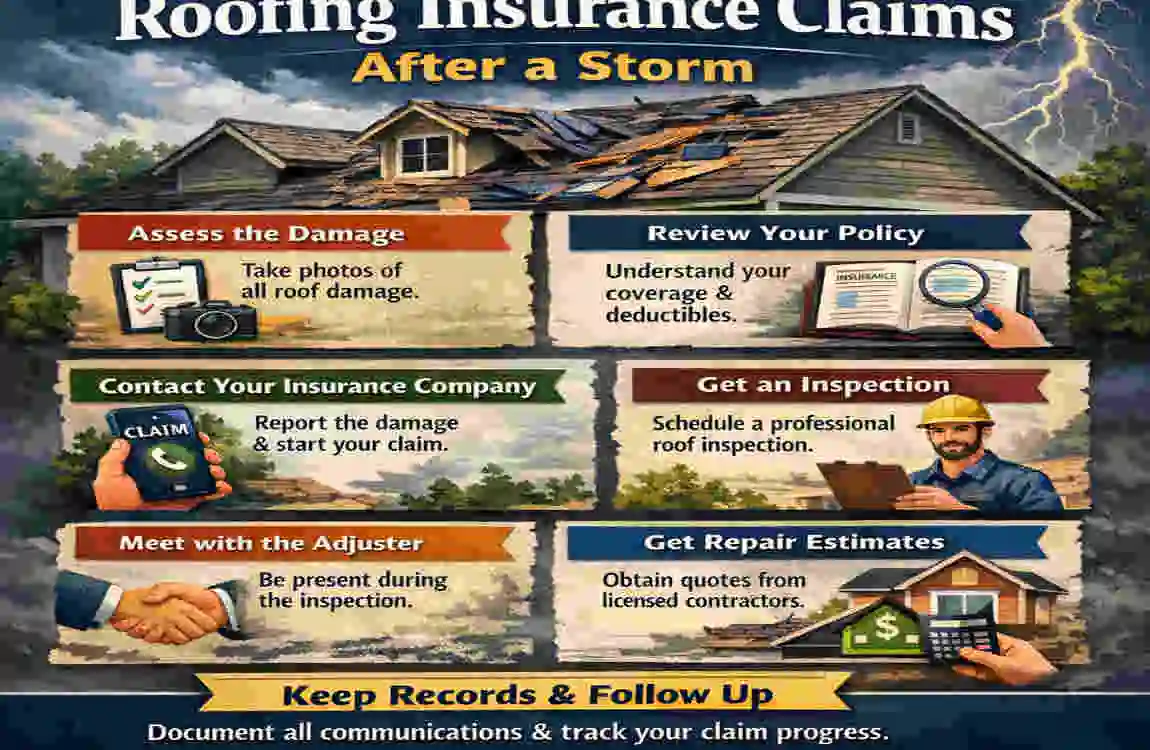
Review your homeowners insurance policy.
Before filing a claim, check your policy if you can. Look at your deductible, what types of storm damage are covered, and whether there are any special exclusions.
Every policy is a little different. Knowing the details helps you avoid surprises.
Report the damage to your insurance company.
Contact your insurance company as soon as possible. Tell them when the storm happened and what kind of damage you noticed.
The sooner you start, the easier it is to move forward with inspections and claim review.
Keep records and proof.
Save everything related to the damage, including:
- Photos and videos
- Inspection notes
- Repair estimates
- Receipts for emergency supplies
- Any communication with the insurance company
Good records can make the claims process much smoother.
Understand the insurance inspection.
Your insurance company may send an adjuster to inspect the roof. They will assess the damage and decide what’s covered.
If possible, have your own roofing contractor there too. That way, you have another set of eyes on the damage.
Avoid common mistakes
Do not wait too long to report damage. Do not sign anything you do not understand. And do not assume the first estimate is the only option.
A little caution can prevent delays and confusion.
Compare repair estimates carefully.
If you receive more than one estimate, compare them line by line. Look at the work included, the materials listed, and the warranty terms.
The lowest price is not always the best value. Quality matters as much as cost.
Choosing the Right Storm Damage Roofing Contractor in Ken Caryl
Look for local experience.
A local contractor will understand Ken Caryl’s weather patterns and the roofing problems that often follow storms. That matters because local experience can lead to better repair advice.
A contractor who works in the area may also understand local roof styles and building expectations more clearly.
Verify licensing and insurance.
Always check that the contractor has the proper licensing and insurance. This protects you if something goes wrong during the job.
You want a company that carries liability coverage and, when needed, workers’ compensation. That gives you extra peace of mind.
Ask about the inspection process.
A good inspection should be thorough. The contractor should check shingles, flashing, gutters, vents, underlayment, and signs of water entry in the attic.
If the inspection feels rushed, that is a red flag. Careful work leads to better repair decisions.
Compare repair materials and methods.
Not all repairs are the same. Some roofs may need a few shingles replaced. Others may need flashing repair, underlayment work, or larger restoration.
Ask what materials they plan to use and why. Whether your roof is asphalt shingle, metal, or another type, the repair should fit the existing system.
Check estimates and warranties.
Always ask for a written estimate. It should explain the labour, materials, timeline, and warranty details.
A clear estimate helps you understand exactly what you are paying for. It also makes it easier to compare contractors fairly.
Watch out for storm-chasing scams.
After big storms, some companies go door to door offering quick fixes. Be wary of anyone who uses pressure tactics, promises a “too good to be true” deal, or demands a large upfront payment.
Take your time and choose a contractor with a solid reputation and clear paperwork.
Understand local requirements
In some cases, roof repairs or replacements may require permits or follow local rules. A professional contractor should know how to handle that.
This is another reason to hire someone familiar with the area.
Roof Repair, Replacement, and Prevention
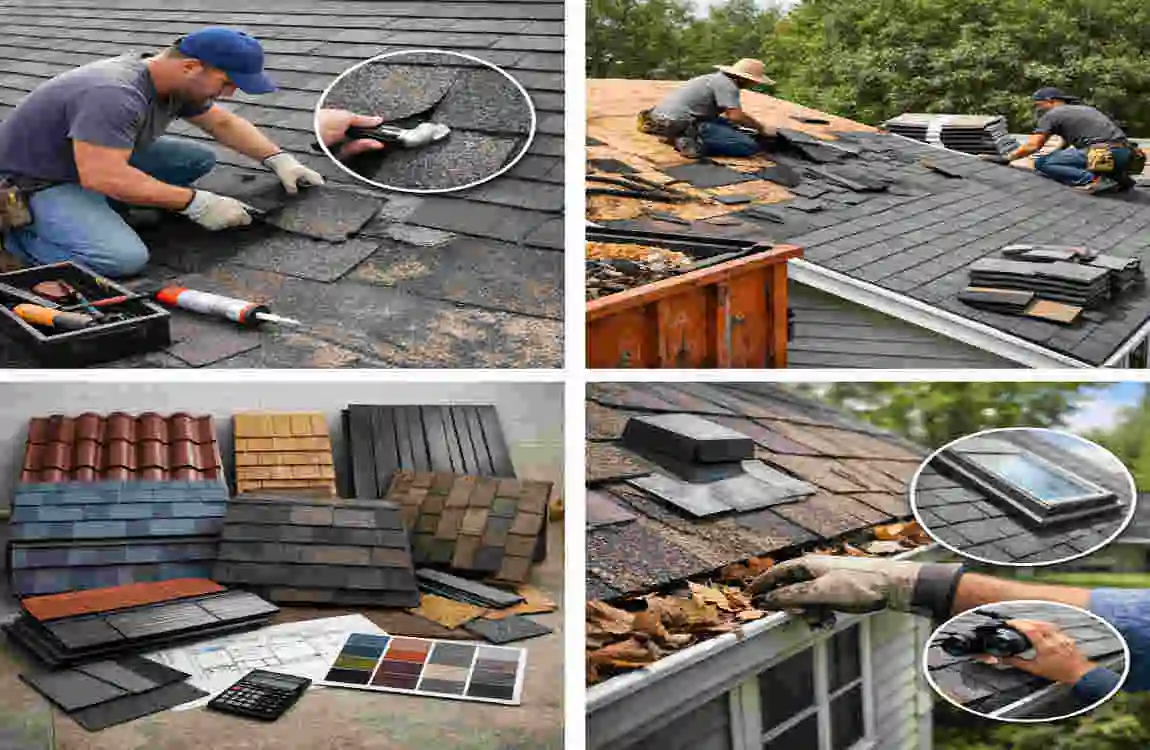
When roof repairs may be enough
If the damage is limited to a few shingles, a section of flashing, or a small leak area, repair may be enough.
This is often the case when the roof is still in good shape overall, and the storm damage stayed local.
When replacement may be needed
A full replacement may be better when damage is widespread, the roof is older, or leaks keep coming back.
If the roof already had wear before the storm, replacement may save money in the long run.
What affects repair cost
Several things influence the cost of storm damage roofing in Ken Caryl:
- Size of the roof
- Level of damage
- Type of roofing material
- Roof slope and access
- Labor time
- Whether repairs or full replacement are needed
Each job is different, so a professional inspection is the best way to get a realistic estimate.
How to prevent future storm damage
You cannot stop every storm, but you can reduce risk. Regular care makes a big difference.
Simple prevention steps
- Schedule roof inspections each year
- Keep gutters clean and open
- Trim branches near the roof
- Check attic ventilation
- Look over the roof after major weather events
These small habits can help your roof last longer and perform better.
Stay ahead with seasonal maintenance.
Inspect your roof before and after storm season. You do not need to climb up yourself. A ground-level check and a professional visit are usually enough.
Catching problems early almost always costs less than waiting.
Frequently Asked Questions
How can I tell if my roof has storm damage?
Look for missing shingles, hail marks, damaged gutters, debris on the roof, and indoor leaks or stains. Some damage is easy to see, but some needs a professional inspection.
How quickly should I repair storm damage to my roof?
As soon as possible. Quick action helps prevent leaks, mould, and more expensive damage inside your home.
Does homeowners insurance cover storm damage to a roof?
Often, yes, but it depends on your policy, the cause of the damage, and your deductible. Review your coverage and contact your insurer right away.
How much does storm damage roofing in Ken Caryl cost?
The cost depends on the roof size, the amount of damage, the materials involved, and whether you need repairs or replacement.
Should I repair or replace my roof after a hailstorm?
That depends on the roof’s age and the level of damage. A professional inspection can help you decide which option makes the most sense.
Can I inspect my storm-damaged roof myself?
You can check from the ground, but do not climb onto a damaged roof. It is safer to let a professional handle the close inspection.
How do I find a reliable storm damage roofing contractor in Ken Caryl?
Look for local experience, proper licensing, insurance, written estimates, and solid warranties. Avoid high-pressure sales tactics and storm-chasing scams.
| Step | What to Do | Why It Matters |
|---|---|---|
| Inspect the Damage | Look for missing shingles, dents, and loose roofing materials from the ground. | Helps identify visible storm damage safely. |
| Check for Roof Leaks | Look for ceiling stains, dripping water, or damp walls. | Prevents further water damage inside your home. |
| Document the Damage | Take photos and videos of visible damage. | Provides evidence for insurance claims. |
| Prevent Further Damage | Use a professional roofer for emergency tarping or temporary repairs. | Protects your home from additional rain and moisture. |
| Contact a Roofing Contractor | Schedule a professional roof inspection in Ken Caryl. | Identifies hidden damage and necessary repairs. |
| Contact Your Insurance Company | Review your policy and report storm-related damage promptly. | Helps you understand your coverage and claim requirements. |
Related Posts