When you start looking at roofing options, it can feel like every choice comes with a tradeoff. Some shingles look better. Some cost less. Some last longer. And when you are trying to protect your home, that decision matters more than most people realize.
If you are comparing architectural roof shingles vs 3-tab, you are probably asking the right question: What gives me the best value, not just the lowest price? That is the heart of the decision. A roof is not only a cover over your home. It also affects durability, energy use, curb appeal, resale value, and long-term repair costs.
Many homeowners focus on the upfront bill because roofing work is expensive. That makes sense. But the cheapest option today is not always the smartest choice over time. A roof that needs replacement sooner, handles storms poorly, or makes your home look older than it is can cost you more in the long run.
What Are Roof Shingles?
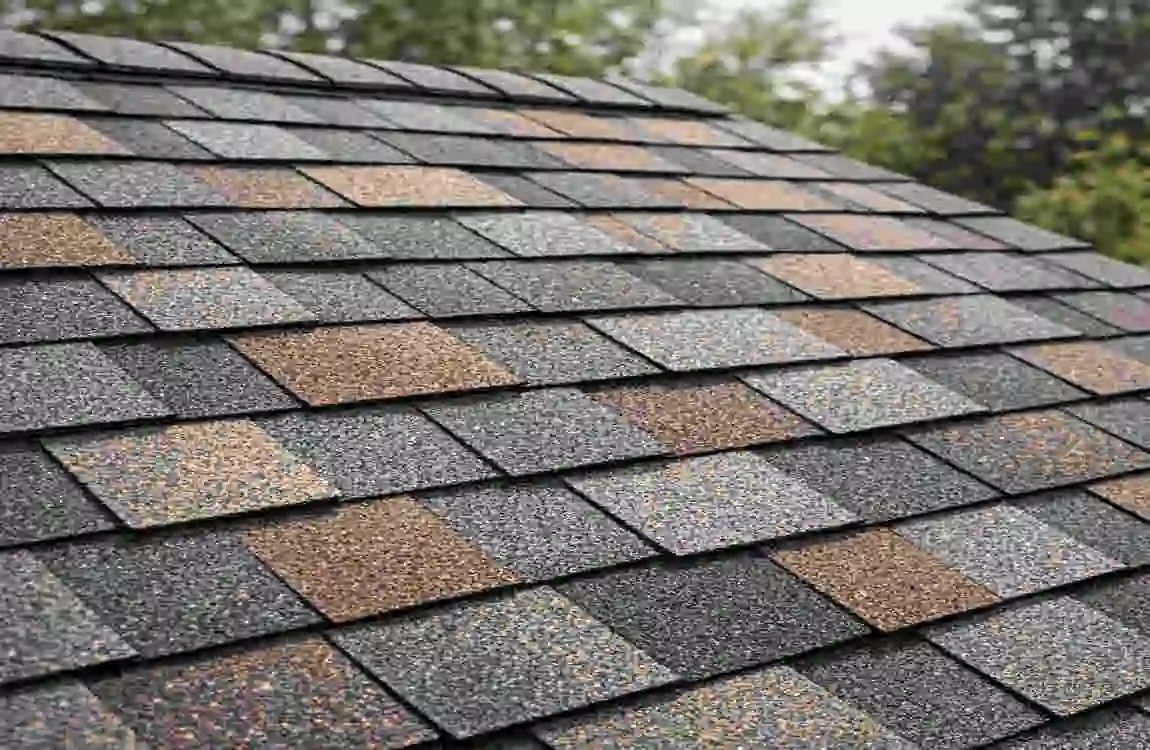
Roof shingles are one of the most common roofing materials used on homes today. They are made to create a protective layer that helps keep out rain, wind, heat, and snow. Most residential roofs in the United States use asphalt shingles, mainly because they are affordable, flexible, and easy to install.
Why Asphalt Shingles Are So Popular
Asphalt shingles dominate residential roofing for a few simple reasons. They give homeowners a good mix of price, performance, and style. They also come in many colors and designs, so they can match different home styles without much trouble.
Another reason they are so common is that they are easy for roofers to work with. That usually means faster installation and lower labor costs compared with many other roofing materials.
The Main Parts of Asphalt Shingles
Most asphalt shingles have three basic parts:
- Fiberglass mat: This is the base layer that gives the shingle strength.
- Asphalt coating: This helps make the shingle waterproof.
- Granules: These tiny surface particles protect the shingle from UV rays and give it color.
Together, these parts create a roof covering that is practical, durable, and widely available. From there, shingles are made in different styles, and the two most common are 3-tab shingles and architectural shingles.
What Are 3-Tab Shingles?
3-tab shingles are the classic, basic style of asphalt shingle. They have been around for a long time and are still used on many homes because they are budget-friendly and simple.
Definition and Structure
A 3-tab shingle is a single-layer asphalt shingle with a flat design. Each strip is cut into three equal sections, which is where the name “3-tab” comes from. When installed, these shingles create a neat, uniform pattern across the roof.
This style has a very clean look, but it is also fairly plain. There is not much depth or texture, which is part of why they cost less.
Key Features
3-tab shingles usually have these traits:
- Lightweight
- Flat and uniform appearance
- Thinner material
- Straightforward installation
- Lower upfront cost
Because of their simple design, they can be a good match for homeowners who want an affordable roof without extra design features.
Advantages of 3-Tab Shingles
The biggest benefit is clear: they are cheap to buy and install. If your budget is tight, this can make a big difference.
They are also easy to install, which can help lower labor costs. For homes that are being rented out, flipped, or used as temporary housing, the lower cost can be very appealing.
In some cases, 3-tab shingles can be the right practical choice. If you only need a roof that works and you are not trying to invest heavily in long-term curb appeal, they may be a good fit for the job.
Disadvantages of 3-Tab Shingles
The downside is that 3-tab shingles usually do not last as long as architectural shingles. Their typical lifespan is around 15 to 25 years, depending on climate, roof maintenance, and installation quality.
They also tend to have less wind resistance and lower durability in harsh weather. In strong storms, they may be more likely to lift, crack, or wear out sooner.
On top of that, 3-tab shingles have a more basic look. If you care about curb appeal or want your home to look more modern and premium, they may fall short.
What Are Architectural Shingles?
Architectural shingles are also called dimensional shingles or laminate shingles. They are a more advanced version of asphalt shingles and are now the preferred choice for many homeowners.
Definition and Structure
Unlike 3-tab shingles, architectural shingles are made with multiple layers fused. That layered construction gives them more thickness, strength, and visual depth.
Instead of looking flat, they create a richer, more textured roofline. Many homeowners like this because it can make their homes look more expensive and well-cared-for.
Key Features
Architectural shingles are known for being:
- Thicker and heavier
- More durable
- Visually textured
- Designed to mimic wood shake or slate
- Built for stronger weather performance
That extra thickness is not just for looks. It often translates into better protection and a longer roof life.
Advantages of Architectural Shingles
One of the biggest benefits is their lifespan. Many architectural shingles last 25 to 50 years, depending on the product and conditions.
They also tend to handle weather better. In many cases, they have better resistance to wind, rain, and hail than 3-tab shingles. That makes them a smarter choice in storm-prone areas.
Architectural shingles may also come with stronger warranties. That can offer peace of mind, especially if you plan to stay in your home for many years.
Another major benefit is curb appeal. A dimensional roof often gives a home a richer, more polished look, which can help with resale value, too.
Disadvantages of Architectural Shingles
The main drawback is cost. Architectural shingles usually cost more upfront than 3-tab shingles.
They are also heavier, which may matter if the roof structure is older or not built for added weight. In most homes, this is not a problem, but it is still worth checking.
Installation can also be a bit more detailed. That means hiring a skilled roofing contractor is even more important.
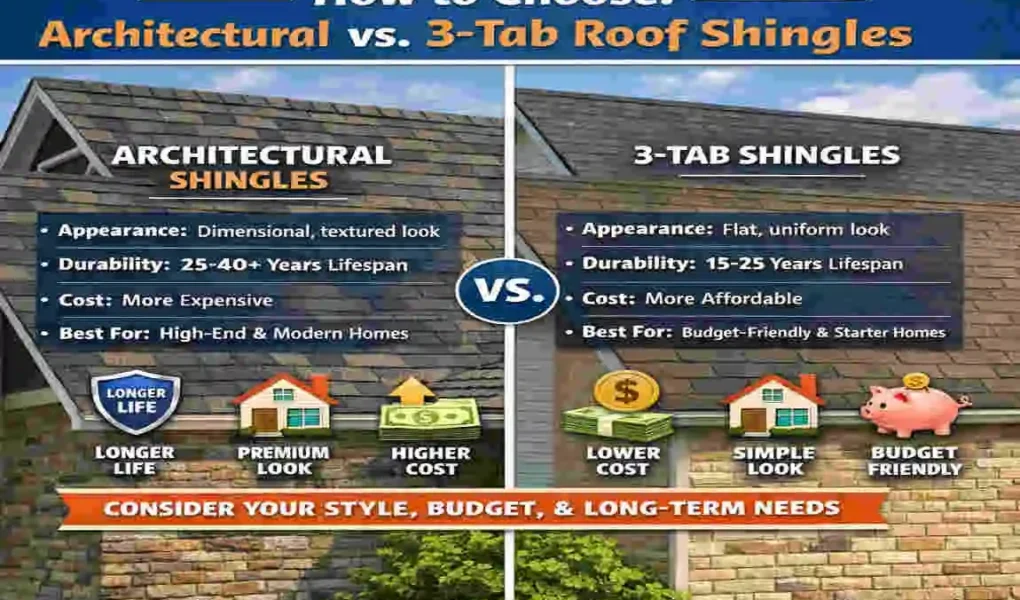
Architectural Roof Shingles vs 3-Tab: Key Differences
If you are trying to decide between these two asphalt shingles types, it helps to compare them side by side. The table below gives a simple overview.
Feature3-Tab ShinglesArchitectural Shingles
Upfront Cost Lower Higher
Lifespan About 15–25 years About 25–50 years
Appearance Flat, uniform, basic Thick, textured, premium
Wind Resistance Lower Higher
Weather Durability Moderate Better overall
Maintenance More frequent repairs Less frequent repairs
Home Value Impact Standard Better curb appeal and resale value
Installation Simpler and faster More precise and layered
Weight Lighter Heavier
Cost Comparison
The first thing most homeowners notice is price. 3-tab shingles are cheaper upfront, and that is often why people choose them. If you need to keep the project small and manageable, that lower cost can be helpful.
Architectural shingles cost more upfront, but they often offer better value over time. Because they last longer and need fewer replacements, the total cost of ownership can be lower in the long run.
Durability and Lifespan
This is one of the biggest differences in the architectural roof shingles vs 3-tab conversation.
3-tab shingles often wear out faster. They are fine for basic protection, but they are not built for the same level of long-term performance.
Architectural shingles are thicker, stronger, and designed to handle more stress. That gives them a real advantage if you want a roof that lasts longer with fewer issues.
Appearance and Curb Appeal
A 3-tab roof has a neat but simple look. It is uniform and flat, which works fine on some homes, but it does not stand out.
Architectural shingles have more dimension and shadow. That makes them look richer and more upscale. If you want your home to feel more modern or more valuable from the street, this matters a lot.
Weather Resistance
In rough weather, architectural shingles generally perform better. Their layered design helps them resist wind uplift and hail or debris impacts more effectively than 3-tab shingles.
That does not mean 3-tab shingles fail right away in bad weather. It just means they are more likely to show wear sooner in tougher climates.
Maintenance Needs
3-tab shingles often need more attention over time. You may see curling, cracking, or missing sections sooner, especially in hot or windy areas.
Architectural shingles usually hold up better and may require fewer repairs. That can save you time, stress, and money.
Energy Efficiency
Energy efficiency depends on more than shingle style alone, but roof color, granule quality, and roof ventilation all matter.
Some architectural shingles are designed with better heat control and reflective properties. In hot climates, that can help reduce heat absorption. Still, the overall roofing system plays a bigger role than any single product.
Home Value Impact
If resale value matters to you, architectural shingles often have the edge. Buyers usually notice a roof that looks newer, richer, and more durable.
A 3-tab roof is seen as standard. It gets the job done, but it rarely adds as much visual value. For people planning to sell later, architectural shingles may offer a stronger return.
Cost Breakdown: Long-Term Value Comparison
When people compare roofing materials, they often stop at installation price. That is understandable, but it only tells part of the story.
Upfront Cost vs. Total Cost
3-tab shingles usually win on price at the beginning. If your budget is limited, they can be the easiest way to get a roof on the home without spending too much.
But if a 3-tab roof needs to be replaced sooner or requires more repairs over time, the savings can disappear. A roof that costs less today may cost more later.
Architectural shingles cost more upfront, but they often last longer and need fewer repairs. That makes them a better long-term investment for many homeowners.
Replacement Cycles Over Time
Think about a 30- to 50-year period. A 3-tab roof may need replacement once, and in some climates, possibly twice. An architectural roof may last through that whole period or at least require replacement less often.
That difference matters. Fewer replacements mean fewer labor costs, fewer tear-offs, and less disruption to your home.
Insurance and Discounts
In some cases, insurance companies offer better rates for roofing materials with stronger impact resistance or better wind ratings. Some architectural shingles qualify for this kind of benefit.
It is worth asking your insurer before you make a choice. A small discount can help offset the higher upfront price.
Which Roof Shingle Is Best for Your Home?
The right choice depends on your budget, climate, and long-term plans. There is no single answer for every home.
Choose 3-Tab Shingles If:
3-tab shingles may make sense if:
- You have a tight budget
- The home is temporary or a rental property
- You live in a mild climate
- You only need a simple, functional roof
- You may sell or change the property soon
If these points fit your situation, 3-tab shingles can be a practical solution.
Choose Architectural Shingles If:
Architectural shingles may be the better fit if:
- You plan to stay in the home for many years
- You want stronger protection
- You live in an area with wind, hail, or storms
- You care about curb appeal
- You want better resale value later
For most homeowners, this is where architectural shingles start to stand out. They often feel like the more balanced choice between beauty, strength, and long-term value.
Climate Considerations
Climate should matter a lot in your decision.
In hot areas, roofing materials face long-term stress from sun exposure and heat. That can wear down lower-end shingles faster. In storm-heavy regions, wind resistance becomes even more important.
In colder areas, snow, freeze-thaw cycles, and moisture can also create problems. A more durable roofing product may handle those conditions better over time.
Structural Considerations
Most homes can support either option, but it is always smart to check the roof structure if you are moving to a heavier material.
Architectural shingles weigh more than 3-tab shingles. In most modern homes, that is not a problem. But if your roof is older or already has multiple layers, a contractor should inspect it first.
Installation Differences
Installation is another area where the two shingle types differ.
3-Tab Installation
3-tab shingles are usually quicker and easier to install. Their flat shape and uniform size make the process simple for an experienced crew.
That can help lower labor costs and shorten the project timeline.
Architectural Installation
Architectural shingles require more care because of their layered design. Roofers need to pay closer attention to alignment, overlap, and sealing.
This is why workmanship matters so much. Even a good shingle can fail early if installed poorly.
Why Professional Installation Matters
No matter which type you choose, a skilled roofing contractor makes a huge difference in performance and lifespan. A roof is only as strong as its installation.
That is why it pays to hire a professional with good reviews, proper licensing, and experience with the shingle type you want.
Maintenance and Repair Comparison
Every roof needs care. But some roofs need more attention than others.
3-Tab Shingle Maintenance
3-tab shingles may need more frequent repairs over time. They can be more prone to:
- Curling
- Cracking
- Lifting in wind
- Early surface wear
If your area gets harsh sun or strong storms, those problems can show up sooner.
Architectural Shingle Maintenance
Architectural shingles are generally stronger and better at resisting damage. They still need inspections, but they often hold up better between service visits.
If a small section gets damaged, patching may be easier and less frequent than with a roof that is already aging quickly.
Seasonal Inspections
A good habit is to inspect your roof at least twice a year, especially after major storms. Catching small problems early can prevent bigger and more expensive repairs later.
Common Mistakes Homeowners Make
Many people choose a roof too quickly and end up wishing they had looked at the bigger picture.
Choosing Only Based on Price
This is the most common mistake. A cheaper roof can look attractive at first, but it may cost more in repairs, maintenance, and earlier replacement.
Ignoring Climate Conditions
A roof that works fine in a mild area may struggle in a storm-heavy or high-heat region. Always match the product to the weather where you live.
Not Checking Warranty Differences
Not all warranties are equal. Some shingles come with stronger coverage, while others have limits that are easy to overlook.
Hiring Unlicensed Contractors
Poor installation can shorten the life of even a high-quality roof. Always check licenses, insurance, and customer reviews before hiring anyone.
Overlooking Ventilation
Good attic ventilation helps extend roof life. Without it, heat and moisture can more quickly damage shingles from below.
Expert Tips for Choosing the Right Shingles
If you want to make a smart roofing decision, slow down and compare your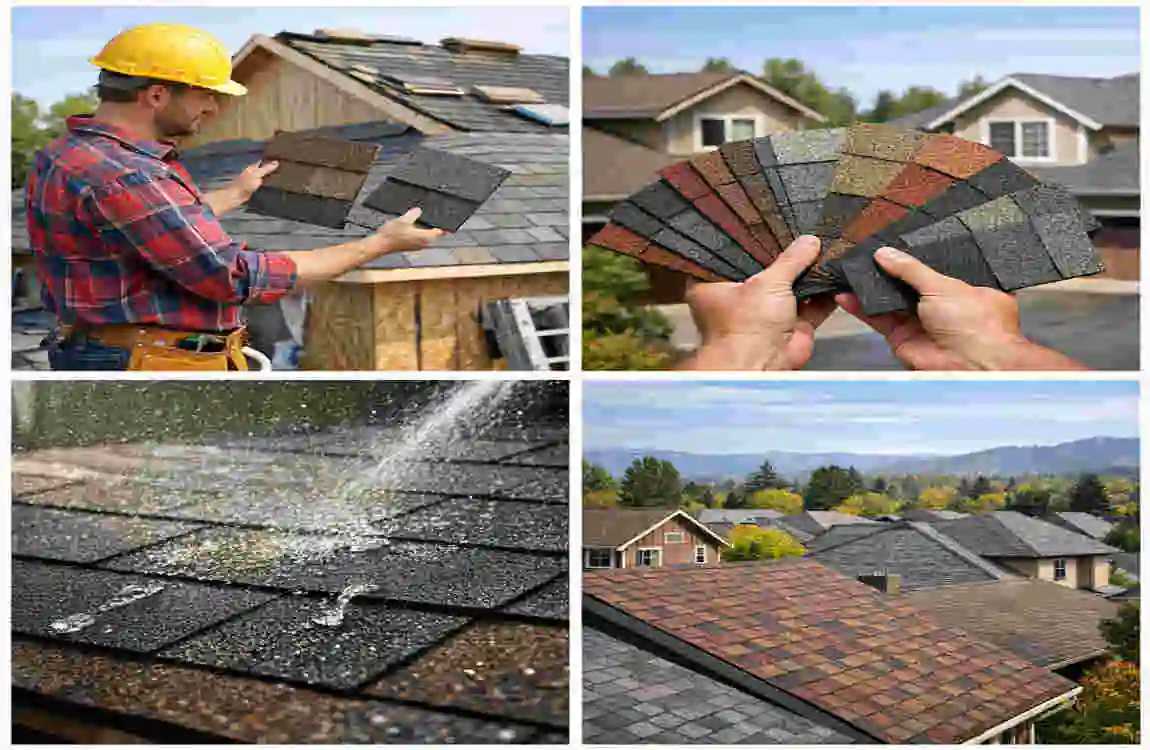 options carefully.
Compare Warranty Coverage
Look at what the warranty actually covers. Some products promise long life, but the real coverage may be more limited than you expect.
Think About Your Long-Term Plans
Ask yourself: Will I live in this home for 5 years, 15 years, or longer? Your answer can guide your choice. If you are staying long term, architectural shingles often make more sense.
Match the Roof to the Neighborhood
If most homes around you have upgraded roofs, a premium-looking shingle may help your home fit in better and hold value.
Check Storm Ratings
If your area sees high winds or hail, look for shingles with stronger impact and wind ratings. Those ratings matter more than many homeowners realize.
Ask for Samples
Seeing the shingles in person can help a lot. Colors and textures often look different in a brochure than they do on a real roof.
Get Multiple Quotes
Never settle for the first estimate. Compare at least two or three roofing quotes to evaluate price, product quality, and contractor reputation.
FAQs
Are architectural shingles worth the extra cost?
Yes, for many homeowners they are. Architectural shingles usually last longer, resist weather better, and improve curb appeal. That extra value often makes the higher price worth it.
How long do 3-tab shingles last?
Most 3-tab shingles last about 15 to 25 years, but the real lifespan depends on climate, roof ventilation, maintenance, and installation quality.
Can I replace 3-tab shingles with architectural shingles?
Yes, in most cases you can. However, a contractor should inspect the roof structure first to make sure it can support the added weight and that the installation plan is sound.
Which shingles are better for windy areas?
Architectural shingles are usually the better choice because they often have stronger wind resistance and hold up better in storms.
Do architectural shingles increase home value?
They often do. Architectural shingles improve curb appeal, helping your home stand out to buyers. A better-looking roof can support a stronger impression at resale.
| Feature | Architectural Shingles | 3-Tab Shingles |
|---|---|---|
| Appearance | Dimensional, layered look; more premium and textured | Flat, uniform, traditional single-layer look |
| Durability | Stronger; better wind and weather resistance | Less durable; more prone to wind lift and damage |
| Lifespan | 25–50 years (depending on quality) | 15–25 years |
| Cost | Higher upfront cost | More budget-friendly |
| Weight | Heavier and more robust | Lighter and simpler |
| Wind Resistance | Up to 110–130 mph (varies by brand) | Around 60–90 mph |
| Installation | Slightly more complex | Easier and faster to install |
| Resale Value Impact | Increases home value and curb appeal | Neutral impact on value |
| Best For | Long-term homeowners, harsh climates, premium look | Budget projects, rentals, short-term solutions |
Related Posts