Keeping a roof in good shape is one of the smartest things you can do for your home. A roof protects everything underneath it, including your walls, ceilings, insulation, and personal belongings. If it fails, the damage can spread fast.
That is why residential roofing maintenance solutions matter so much. They help homeowners stay ahead of small problems before they turn into costly repairs. With regular care, your roof can last longer, perform better, and protect your home through changing weather.
Modern Roofing Maintenance Why It Matters
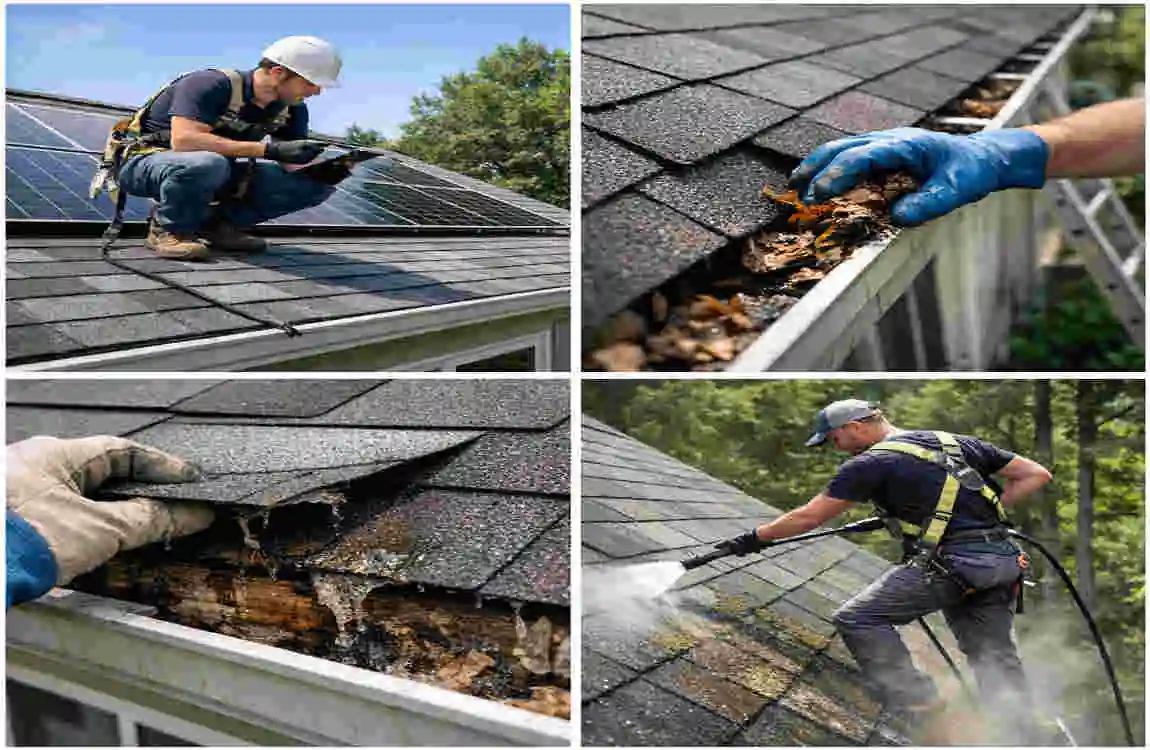
Protection for the Whole Home
A roof does much more than sit on top of a house. It keeps out rain, wind, heat, and debris. It also helps control indoor comfort by supporting insulation and airflow.
If the roof develops a weak spot, the whole home can suffer. Water may enter slowly and cause stains, mold, wood damage, or higher energy bills. That is why regular care is so important.
Small Issues Can Become Big Repairs
Many roofing problems begin quietly. A missing shingle, loose flashing, or clogged gutter may not seem urgent at first. But over time, these small issues can lead to leaks and structural damage.
The best approach is prevention. When you inspect and maintain the roof regularly, you reduce the chance of surprise expenses later.
Modern Homes Need Smart Care
Today’s homes often use advanced roofing materials and improved ventilation and drainage systems. That is helpful, but it also means the roof should be checked with care.
Seasonal inspections and professional reviews can help you catch problems early. This is especially useful after storms, heavy rain, or long periods of heat.
Essential Roof Inspection and Preventive Care
How Often to Inspect Your Roof
A roof should usually be checked at least twice a year. Spring and fall are common times because the weather is often changing.
You should also inspect it after major storms, strong winds, hail, or prolonged heavy rain. Extra checks are always a good idea when something unusual happens.
Warning Signs to Watch For
Here are some common signs that your roof may need attention:
- Missing or damaged shingles
- Cracked or loose flashing
- Water stains on ceilings or walls
- Sagging roof areas
- Moss or algae growth
- Blocked gutters or downspouts
If you notice any of these, do not ignore them. Even one warning sign can point to a bigger issue.
Check More Than the Surface
A roof inspection should not focus only on shingles. You should also look at gutters, drainage paths, roof edges, and flashing around chimneys or vents.
These areas often fail first because they handle a lot of stress. Water often enters through the weakest points, not the most obvious ones.
Keep a Simple Roof Record
It helps to keep notes each time you inspect the roof. Write down the date, what you saw, and any repairs made. This makes it easier to track changes over time.
A simple record also helps when you hire a roofer, because it gives them a clearer picture of the roof’s history.
Smart Roofing Solutions for Weather Protection
Prepare Before Harsh Weather Arrives
Weather can be hard on any roof. Heavy rain, strong wind, snow, and heat all create pressure. That is why it is smart to prepare before the season changes.
Check roof edges, flashing, sealants, gutters, and downspouts before severe weather arrives. A little preparation can prevent a lot of damage.
Pay Attention After Storms
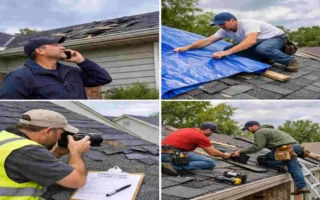
After a storm, inspect the roof as soon as it is safe to do so. Look for loose shingles, broken flashing, debris, and signs of water entry.
Storm damage is often hidden at first. That is why fast checking matters. Catching damage early can save money and protect the inside of your home.
Hot Climate Considerations
If you live in a warm area, reflective roofing materials and proper ventilation can help reduce heat buildup. This can improve comfort and lower strain on your home.
Good airflow in the attic is especially important. It helps prevent trapped heat and moisture, both of which can shorten roof life.
Long-Term Weather Resistance
A weather-ready roof does not just survive a storm. It handles changes in temperature, moisture, and wind over time.
Strong maintenance habits help your roof stay ready for those shifts. That is one of the biggest benefits of reliable residential roofing maintenance solutions.
Cleaning, Gutters, and Drainage Maintenance
Why Cleanliness Matters
Leaves, dirt, twigs, and other debris can trap moisture on the roof or in the gutters. When that happens, water may not drain properly.
Poor drainage puts stress on the whole roofing system. Over time, this can lead to rot, leaks, and staining.
Keep Gutters and Downspouts Clear
Gutters and downspouts move water away from the roof and the home. If they are blocked, water can back up and collect where it should not.
Make sure gutters are cleaned regularly, especially if your home has trees nearby. Check that downspouts carry water away from the foundation as well.
Handle Moss and Algae Carefully
Moss, mildew, and algae can make a roof look neglected. In some cases, they also hold moisture against the surface.
Use cleaning methods that will not damage the roofing material. Avoid harsh scraping or anything too aggressive. If the roof is steep or fragile, hire a professional.
Safe Cleaning Practices
Cleaning a roof should never cause more damage than the debris itself. Be careful with pressure washing, hard tools, or unsafe climbing.
For many homeowners, the safest choice is to handle ground-level cleaning and leave the roof surface to trained professionals.
Modern Technology in Residential Roof Maintenance
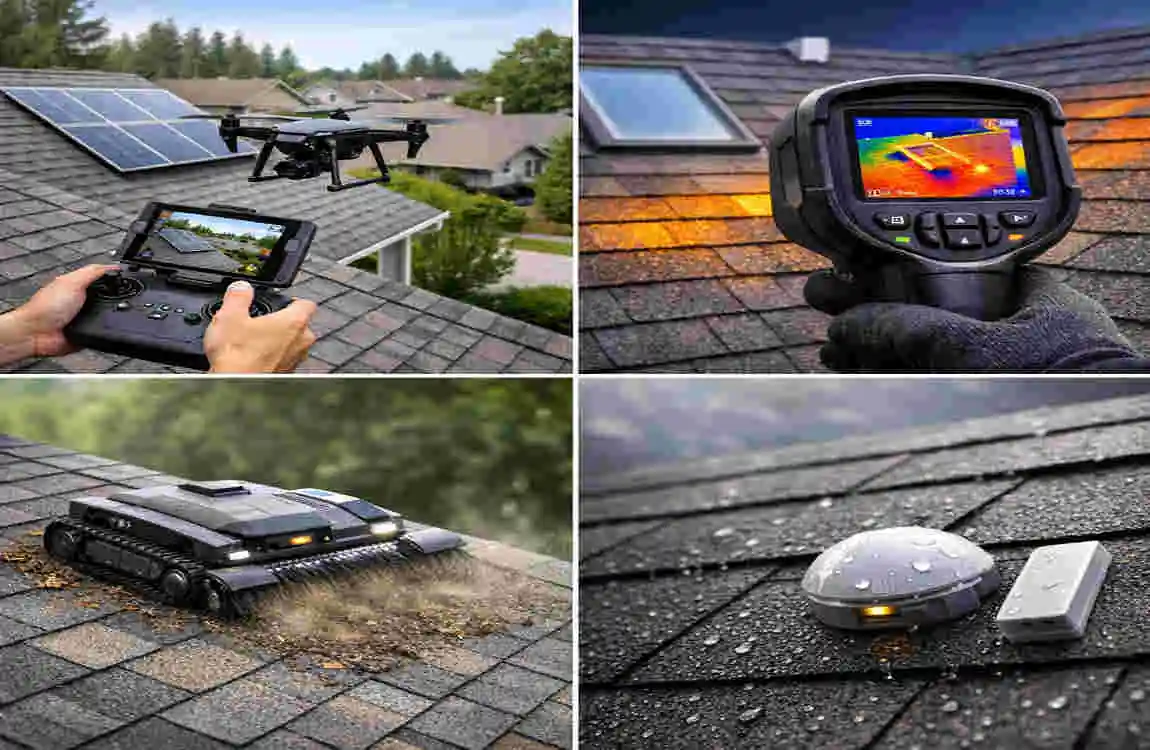
Smart Tools Are Becoming More Useful
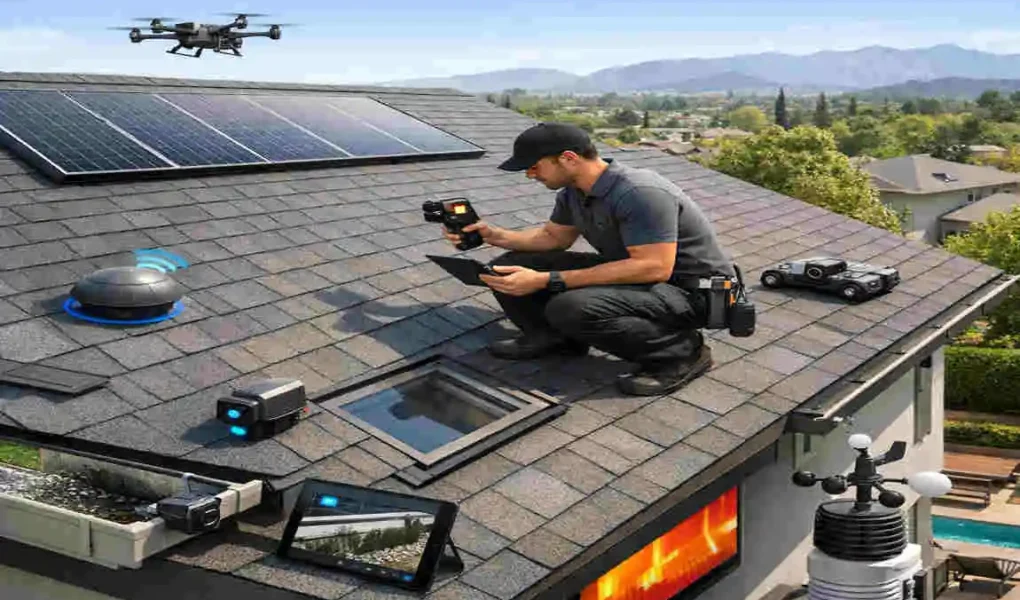
Technology is now part of many residential roofing maintenance solutions. It can help homeowners spot trouble earlier and keep better records.
Some modern tools include:
- Roof moisture sensors
- Smart leak detection systems
- Drone-assisted inspections
- Digital inspection reports
- Weather monitoring tools
Why Technology Helps
These tools can reveal problems that are hard to see from the ground. For example, a moisture sensor may detect hidden water before you notice a stain inside the house.
Drones can also help inspect difficult roof areas without putting someone at risk. Digital reports make it easier to compare changes over time.
Technology Should Support, Not Replace, Experts
Smart tools are useful, but they are not a full replacement for professional experience. A trained roofer can interpret the signs correctly and recommend the right fix.
The best results often come from combining technology with expert inspection.
How to Build a Practical Roof Maintenance Plan
Create an Annual Schedule
A simple maintenance plan keeps things manageable. You do not need a complicated system. You need regular habits.
Here is a basic annual checklist:
Task Best Time Why It Matters
Roof inspection Spring and fall Helps catch early damage
Gutter cleaning Twice a year or more Prevents water backup
Flashing check During inspections Protects weak points
Ventilation review Seasonal Reduces heat and moisture buildup
Attic moisture check After storms Finds hidden leaks
Storm damage assessment After severe weather Spots urgent repairs early
Know What You Can Do Yourself
You can often handle simple checks from the ground, such as checking for missing shingles, gutter clogs, or indoor water stains. You can also keep the roof area clear of branches and debris when it is safe to do so.
But if the roof is steep, high, or fragile, call a professional. Safety always comes first.
Adjust for Your Home’s Conditions
Not every roof needs the same level of care. Your roof type, local climate, roof age, and nearby trees all matter.
A roof under tall trees may need more frequent cleaning. An older roof may need closer attention. A home in a storm-heavy region may need extra seasonal checks.
Professional Repairs, Long-Term Protection, and FAQs
When Repair Is Better Than Replacement
Not every roof problem means you need a new roof. In many cases, a targeted repair is enough.
Small leaks, cracked shingles, loose flashing, or ventilation problems can often be fixed without replacing the whole roof. Acting quickly is the key.
Why Timely Repairs Matter
The longer you wait, the more damage can spread. Water can move into insulation, attic spaces, and interior walls.
A fast repair can protect your home’s structure and extend the life of your roof. It also helps you avoid emergency costs later.
Maintenance Is a Smart Budgeting Choice
Roof care is easier to manage when it is part of your regular home budget. Small yearly expenses are usually much better than sudden major repairs.
That is one reason homeowners should treat roofing maintenance as a long-term investment, not just a chore.
Frequently Asked Questions
How often should a residential roof be inspected?
An annual inspection is a good starting point. It is also wise to inspect the roof after severe weather or when there is any sign of damage.
What are the most common signs that a roof needs maintenance?
Look for leaks, damaged shingles, cracked flashing, blocked gutters, moss growth, and sagging areas.
Can regular maintenance extend the life of a residential roof?
Yes. Regular care helps catch small problems early, which can prevent bigger damage and premature wear.
Are smart roof monitoring systems worth it?
They can be helpful, especially for early warning signs. Still, they should work alongside professional inspections.
Should homeowners clean their own roofs?
Basic care from the ground is usually fine. But steep or delicate roofs should generally be handled by trained professionals.
| Maintenance Solution | Key Benefit for Modern Homes |
|---|---|
| Regular Roof Inspections | Detects leaks, cracks, and damage early |
| Smart Roof Monitoring | Tracks moisture, temperature, and potential problems |
| Gutter Cleaning | Prevents water buildup and roof drainage issues |
| Shingle Maintenance | Extends roof life and improves protection |
| Leak Detection | Helps identify hidden water damage quickly |
| Roof Ventilation Checks | Reduces moisture and heat buildup |
Related Posts