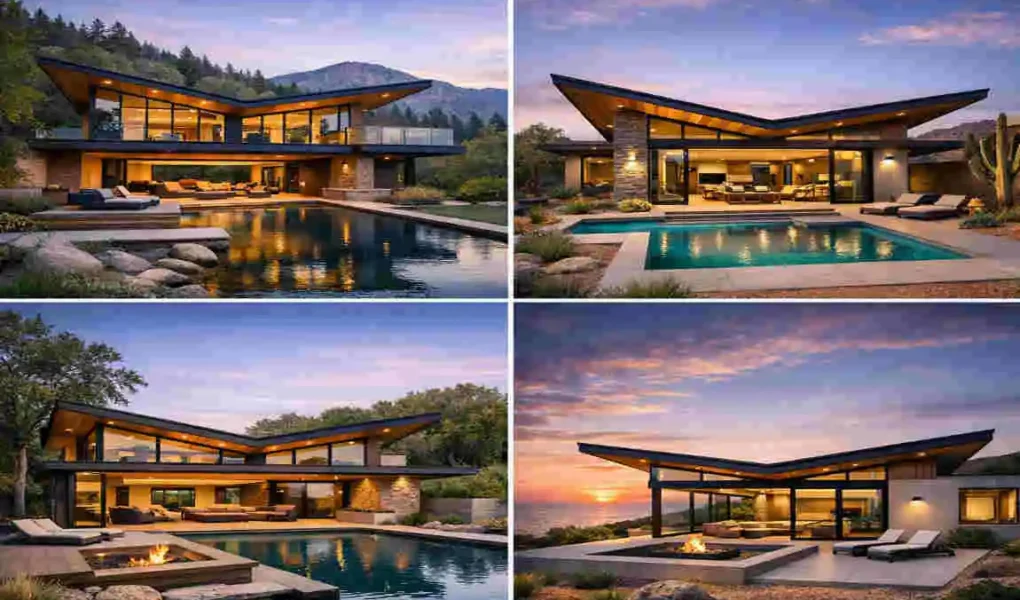
A butterfly roof is a modern roof style with two sloping sides that dip inward toward the center. It looks a little like a butterfly spreading its wings, which is where the name comes from.
This design is popular in contemporary homes because it feels fresh, bold, and a little different from the usual roof styles. If you are looking into butterfly roof design for your home, you are probably interested in something that looks modern while also offering practical benefits.
Understanding Butterfly Roof Design at Home
What Makes a Butterfly Roof Different?
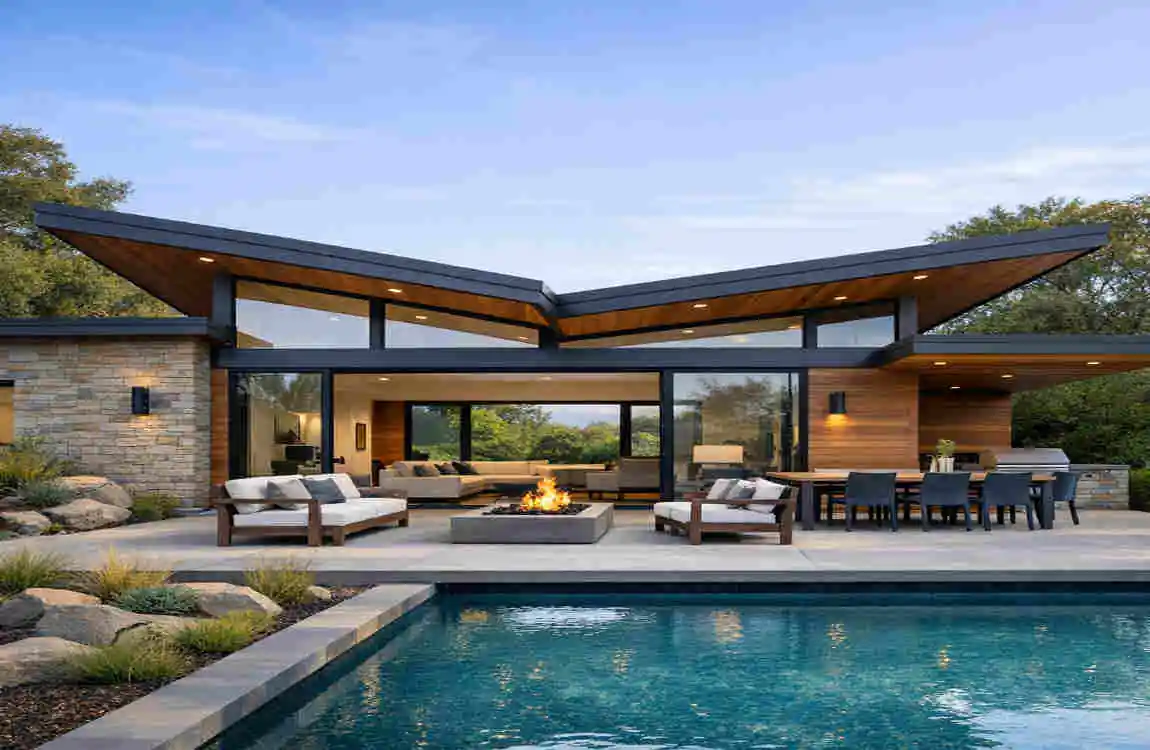
A butterfly roof has a V-shaped profile. Instead of rising to a peak in the middle like a gable roof, it dips down in the center.
That central dip changes both the look and the function of the home. It gives the house a dramatic, modern feel while also creating a natural place for water to collect and drain.
Compared with flat roofs, butterfly roofs usually have a more interesting shape. Compared with gable roofs, they feel more open and architectural.
How Does a Butterfly Roof Work?
The roof slopes direct rainwater toward the center valley. From there, the water can move into gutters, drains, or a rainwater collection system.
Because of this, good drainage is very important. The roof must be carefully planned with proper flashing, waterproofing, and gutters. If not, water can pool where it should not.
That is why a butterfly roof should always be designed with help from a qualified architect or engineer.
Where Does the Design Work Best?
A butterfly roof works especially well on:
- modern and contemporary homes
- small urban houses
- eco-friendly homes
- homes with large windows
- properties that want rainwater collection
It can also work beautifully on homes that want a strong visual identity.
Unique Butterfly Roof Design Ideas for Modern Homes
Butterfly Roof With Floor-to-Ceiling Windows
Large windows pair beautifully with this roof style. The sharp roof angles and tall walls create a dramatic frame for glass.
This helps bring in natural light and creates a stronger connection between indoors and outdoors. It can also make the home feel bigger and brighter.
Still, you should think about privacy and heat control, especially in sunny climates.
Butterfly Roof With a Central Rainwater Collection System
The center valley makes butterfly roofs a smart choice for rainwater harvesting. Water naturally flows to a single point, making collection easier.
Homeowners can connect the roof to storage tanks and filtration systems. This can help reduce water use and support a more sustainable home.
Wooden Butterfly Roof Homes
Wood gives butterfly roof homes a warmer, more natural look. Exposed timber beams can soften the sharp roof shape and make the space feel more inviting.
This design works well when paired with modern materials like metal, glass, or stucco. Just remember that wood needs protection from weather and regular maintenance.
Butterfly Roof With Solar Panels
Butterfly roofs can work well with solar panels if the roof direction and angle are planned correctly.
The key is to check pitch, shading, and sun exposure before installation. A professional solar installer can help you decide the best setup.
For homeowners who want a greener home, this roof can support both beauty and energy savings.
Small Butterfly Roof House Design
A butterfly roof does not need a huge house to look good. In a small home, it can create a strong design statement without adding much size.
It can also help make compact rooms feel more open by allowing higher ceilings and larger windows. That works especially well in living rooms, kitchens, and small bedrooms.
Luxury Butterfly Roof Home
In a luxury home, this roof style can look especially striking. Premium materials, large glass walls, terraces, and open interiors all suit the shape well.
The result is a home that feels modern, artistic, and upscale.
Benefits of a Butterfly Roof for Homeowners
Modern and Eye-Catching Appearance
One of the biggest benefits is the look. A butterfly roof gives a home a distinctive architectural identity.
It stands out without needing heavy decoration. That is why it works so well for minimalist and contemporary homes.
Better Natural Light
The roof shape often allows for taller exterior walls, which can support larger windows. That means more daylight inside the home.
This is useful in rooms where you spend a lot of time, such as the kitchen, living room, and main bedroom.
Rainwater Harvesting Potential
Because the roof slopes toward the center, water naturally flows to a single collection point. That makes rainwater harvesting easier than on many other roof types.
If you want a more sustainable home, this is a real advantage.
Opportunities for Solar Energy
The roof shape may support solar panels, depending on the roof’s orientation and the slope angle.
Of course, performance depends on climate, shade, and orientation, so every home needs a custom plan.
Improved Indoor-Outdoor Connection
Butterfly roofs often look best with large glass walls, decks, patios, and terraces. This creates a smoother link between the home and the outdoors.
If you enjoy open, airy living, this design can be a great fit.
Distinctive Architectural Value
A home with a butterfly roof often feels more distinctive than one with a standard roof. That visual strength can add value in the eyes of some buyers.
Still, design quality matters. A beautiful shape is only useful if the construction is done well.
Materials, Construction, and Maintenance Considerations
Best Roofing Materials
The best material depends on the roof pitch, local weather, and budget.
Common choices include:
Material Why It Works
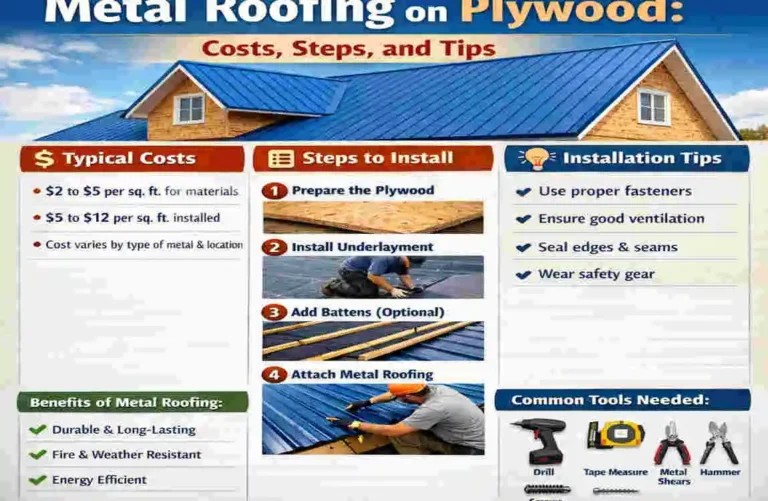
Metal roofing Durable and good for water movement
Membrane roofing Useful for waterproofing and low-slope areas
Modern shingles Can work in some designs
Waterproofing systems Essential for protecting the center valley
Drainage and Waterproofing
Drainage is one of the most important parts of a butterfly roof.
The central valley needs proper gutters, drains, flashing, and overflow protection. Regular checks are important because this area handles the most water.
If drainage is weak, leaks can become a problem.
Structural Requirements
A butterfly roof needs strong, engineered framing. It must handle rain, wind, snow, and long-term stress.
This is not the kind of roof to guess on. Work with professionals who understand roof engineering and local building rules.
Maintenance Tips
To keep the roof in good shape:
- inspect drainage areas regularly
- remove leaves and debris
- check flashing and waterproof layers
- look for water stains indoors
- inspect after storms
- keep gutters clean
A little maintenance goes a long way.
Butterfly Roof Cost, Challenges, and Practical Considerations
How Much Does a Butterfly Roof Cost?
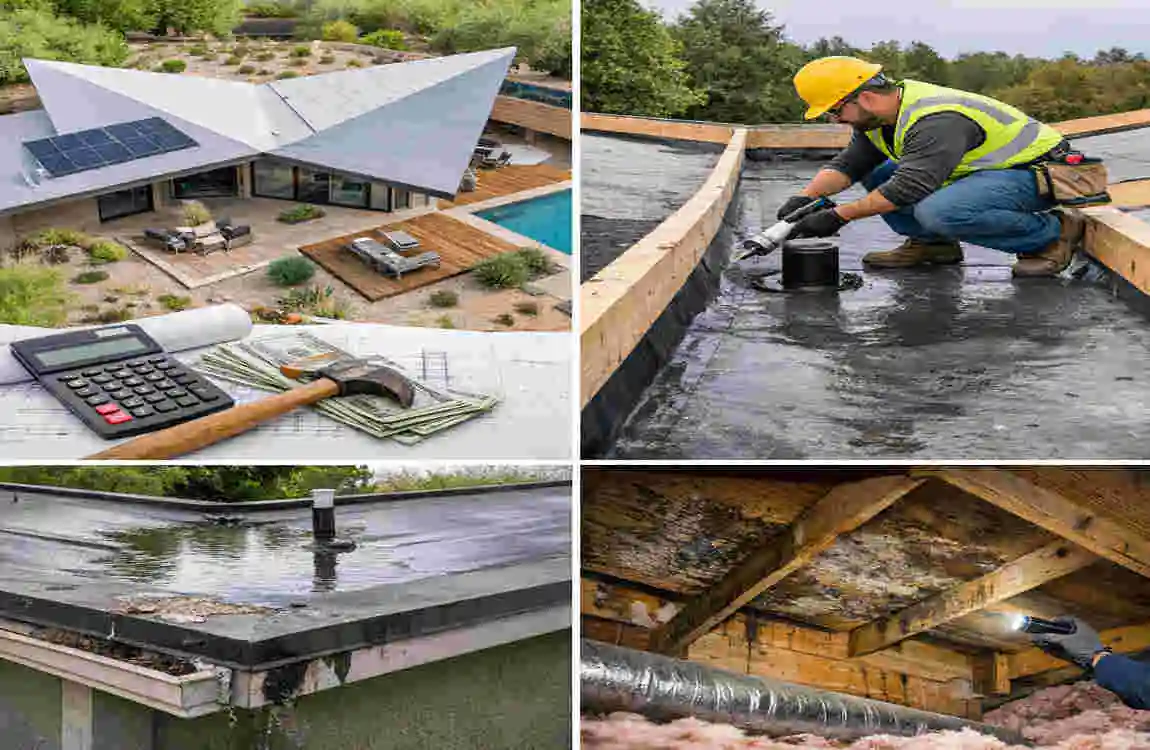
There is no single price. The cost depends on the size of the home, the materials used, labor, structural work, drainage systems, and your location.
In many cases, butterfly roofs cost more than simpler roof styles because they need more careful planning and construction.
Common Challenges
Butterfly roofs are beautiful, but they come with challenges:
- more complex structure
- stronger drainage needs
- more waterproofing work
- higher installation complexity
- more maintenance around the center valley
Is a Butterfly Roof Suitable for Every Climate?
Not always. Climate matters a lot.
Heavy rain, snow, strong wind, and humidity can all affect how the roof performs. That is why local engineering and building codes matter so much.
Frequently Asked Questions About Butterfly Roof Homes
What is a butterfly roof?
A butterfly roof is a roof with two sloping sides that meet at a lower center point, forming a shape similar to butterfly wings.
Is a butterfly roof good for a house?
Yes, it can be a great choice for modern homes. It offers a bold look, good daylight potential, and possible rainwater collection benefits.
Is a butterfly roof expensive?
It can be more expensive than a standard roof because it needs more design work, waterproofing, and structural planning.
Can you put solar panels on a butterfly roof?
Yes, many butterfly roofs can support solar panels. The best setup depends on roof angle, direction, and shade.
Do butterfly roofs collect rainwater?
Yes. Their shape naturally directs water toward the center, making rainwater collection easier.
Are butterfly roofs difficult to maintain?
They can be more demanding than simple roof styles, especially in drainage and waterproofing.
Are butterfly roofs suitable for small houses?
Yes. A butterfly roof design at home can work very well on small houses and still make them look modern and stylish.
| Design Idea / Benefit | Short Information |
|---|---|
| Modern Appearance | Creates a bold, contemporary look for homes. |
| Unique Roof Shape | Two roof slopes meet at a central valley, forming a butterfly-like design. |
| Natural Light | High walls and large windows can bring more daylight indoors. |
| Rainwater Collection | The central valley can help collect and direct rainwater. |
| Solar Panel Potential | Sloped roof sections can provide suitable surfaces for solar panels. |
| Open Interior Feel | High ceilings can make living spaces feel larger and brighter. |
| Outdoor Living | Works well with patios, terraces, and modern landscaping. |
| Water Management | Requires proper drainage and waterproofing to prevent water buildup. |
Related Posts