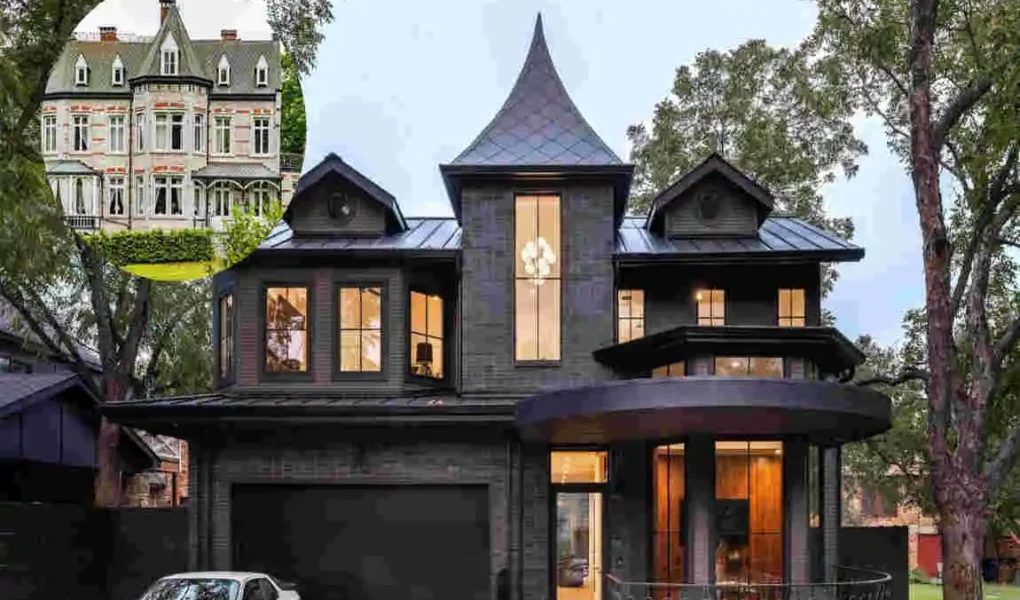
A Victorian style roof is one of the most recognizable features of Victorian-era architecture. Known for steep slopes, dramatic rooflines, decorative trim, gables, dormers, and sometimes towers or turrets, these roofs give homes a strong sense of character.
Victorian roofing was designed to be both functional and visually impressive. Advances in construction during the Victorian era made it easier to create more complicated roof shapes and decorative details. Today, many historic homeowners want to preserve these features, while others use Victorian-inspired designs to give new homes a distinctive appearance.
The good news is that you do not have to choose between traditional beauty and modern performance. Contemporary roofing materials, improved insulation, better drainage systems, and modern installation methods can make a Victorian-style roof practical for today’s lifestyle.
What Is a Victorian Style Roof?
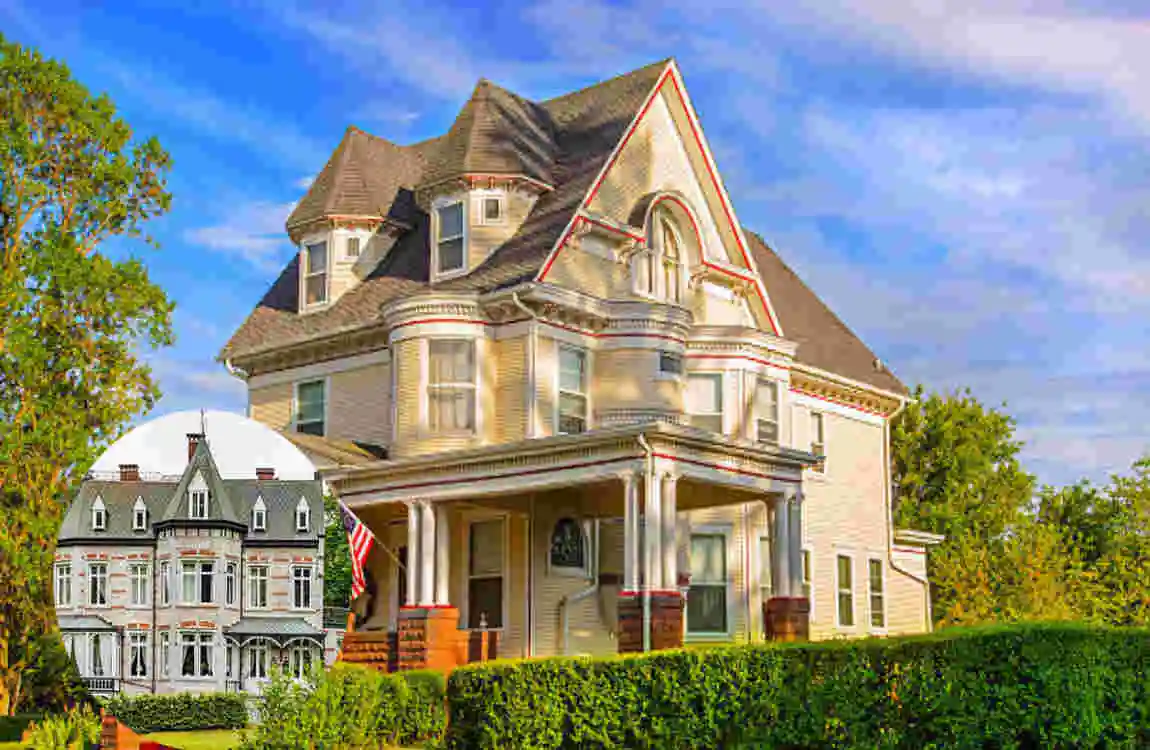
Definition of a Victorian Style Roof
A Victorian-style roof is not a single roof shape. Instead, it describes a group of roof designs associated with Victorian architecture.
These roofs are often recognized by their steep pitches, multiple sections, decorative details, and complex rooflines. Rather than using one simple shape, a Victorian house roof may combine gables, hips, dormers, towers, and other elements.
The roof was an important part of the home’s overall design. It helped create the tall, dramatic appearance commonly associated with Victorian houses.
Historical Origins of Victorian Roofing
Victorian architecture became especially influential during the 19th century. During this period, improvements in manufacturing and construction made it easier for builders to produce decorative architectural components.
New building materials and improved transportation also gave architects access to a wider range of roofing products and decorative elements.
As a result, roofs became more than simple protective structures. They became important visual features that helped homeowners express architectural style and individuality.
Why Victorian Roofs Are Still Popular
Victorian roofs continue to attract homeowners because they offer something many modern roofs lack: strong architectural personality.
A carefully designed roof can dramatically improve curb appeal. Even a modern home can borrow Victorian elements to create a distinctive exterior.
For historic properties, maintaining the original roof character can also be important because replacing it with an overly simple design may reduce the home’s architectural appeal.
Key Features of a Victorian Style Roof
Steep Roof Pitches
A steep pitch is one of the easiest ways to recognize traditional Victorian roofing.
Steep roofs create a tall and dramatic appearance. They can also help rain and snow run off the roof more efficiently, depending on the design and local climate.
The steep shape also provides additional visual height, making the entire home appear more impressive.
Multiple Gables and Roof Sections
Victorian homes often feature multiple gables and intersecting roof planes.
Instead of one simple roof covering the entire house, different sections may rise at different angles. This creates shadows, depth, and architectural interest.
Cross-gabled layouts are particularly common in Victorian-inspired designs.
Decorative Roof Details
Decoration is another defining feature of Victorian roof design.
Depending on the home, you may see:
- Ornamental trim and brackets
- Decorative finials
- Roof cresting
- Patterned shingles
- Gable decorations
- Detailed eaves and cornices
These features can range from subtle to extremely elaborate.
Towers, Turrets, and Dormers
Towers and turrets can make a Victorian home look especially dramatic. They often become focal points that draw attention upward.
Dormers serve both decorative and practical purposes. They can add windows, daylight, and usable space while breaking up a large roof surface.
On smaller homes, a single dormer can provide Victorian character without creating an overly complicated roof.
Ornate Eaves and Cornices
Victorian roofs frequently include decorative eaves and cornices.
These elements add visual depth around the roof edge and help connect the roof with the walls and exterior trim.
When restoring an older property, preserving these details can make a major difference to the home’s overall appearance.
Popular Types of Victorian Roof Designs
Steep Gable Roof
The steep gable roof is one of the simplest ways to create a Victorian appearance.
It features two sloping sides that meet at a ridge, forming a triangular gable at the end. Adding decorative trim, patterned shingles, or ornate gable details can strengthen the Victorian character.
This design works particularly well for smaller Victorian-inspired homes.
Mansard Roof
A mansard roof has two slopes on each side, with the lower slope typically much steeper than the upper.
It is strongly associated with Second Empire architecture, which overlaps with the broader Victorian architectural period.
The steep lower section can create additional usable space beneath the roof, making the design attractive for larger homes.
Hip Roof
A hip roof slopes down on multiple sides rather than creating vertical gable ends.
While less dramatic than some Victorian gable designs, hip roofs can work beautifully with Victorian homes when combined with dormers, decorative trim, and other architectural details.
Cross-Gabled Roof
A cross-gabled roof features two or more intersecting gable sections.
This arrangement creates a more complex roofline and is especially suitable for homes with irregular floor plans.
It can make a relatively simple house look much more architecturally interesting.
Gambrel-Inspired Victorian Roofs
Gambrel roofs have two slopes on each side, creating a shape commonly associated with barns and some traditional homes.
A gambrel and mansard roof can look similar, but they are not the same. A mansard roof generally slopes on all four sides, while a gambrel typically has two sloping sides.
Combination Victorian Roof Designs
Many Victorian homes combine several roof forms.
For example, a large house might use a central steep gable, smaller cross-gables, dormers, and a tower. This combination creates the layered and dramatic appearance associated with Victorian architecture.
The key is proportion. Every feature should work with the home’s size and shape.
Best Roofing Materials for Victorian Style Homes
Slate Roofing
Slate has a naturally elegant appearance and is strongly associated with historic architecture.
It can provide excellent durability when properly installed and maintained. Its texture also complements the detailed exterior of many Victorian houses.
However, slate can be expensive and heavy. Before using it, make sure the roof structure can support the material and that qualified professionals are available for installation and repairs.
Wood Shingles and Shakes
Wood shingles and shakes provide a warm, natural appearance that fits traditional Victorian homes.
They can be especially attractive when combined with decorative siding and wood trim.
The main consideration is maintenance. Wood roofing requires appropriate protection and regular inspection to help manage moisture, weathering, and deterioration.
Metal Roofing
Modern metal roofing can provide excellent durability while still supporting a traditional appearance.
Some metal products are designed to resemble older roofing materials. This makes them useful when homeowners want the visual character of a Victorian roof with modern performance.
Metal can also be a practical choice for complex roof designs when the product and installation method are appropriate.
Asphalt Shingles
Asphalt shingles are often more affordable and widely available than premium materials such as slate.
They come in numerous colors and styles, allowing homeowners to achieve a Victorian-inspired look without traditional materials.
High-quality architectural shingles can provide added texture and dimension compared with basic flat shingles.
Synthetic Roofing Materials
Synthetic materials can imitate the appearance of slate, wood, or other traditional roofing products.
They may be useful for renovation projects where weight, budget, or installation requirements make natural materials less practical.
For a historic property, however, consider whether synthetic materials are compatible with the home’s preservation requirements and original character.
Victorian Style Roof Colors and Patterns
Traditional Roof Colors
Classic Victorian roof colors often include dark gray, black, brown, deep green, and muted red.
The right color depends on the home’s siding, brick, trim, windows, and surrounding landscape.
Dark roofing can create a formal appearance, while muted greens and browns can give the exterior a softer traditional feel.
Decorative Shingle Patterns
Victorian homes are known for their creative use of roofing materials.
Fish-scale shingles, diamond patterns, alternating colors, and textured sections can add visual interest.
You do not need to cover the entire roof with decorative patterns. Sometimes a small patterned section around a gable provides enough detail.
Choosing a Roof Color for a Modern Victorian Home
For a modern Victorian home, start by looking at the entire exterior.
Consider how the roof will interact with:
- Siding or brick
- Window frames
- Exterior trim
- Doors
- Gutters
- Landscaping
A modern interpretation can use a traditional roof shape with a more restrained color palette. This creates historical character without making the home feel overly ornate.
Which Design Is Better for Your Home?
There is no universal winner.
A Victorian roof may be ideal if you own a historic home or want strong architectural character. A modern roof may be better if your priority is simple construction, minimal maintenance, or a streamlined appearance.
Think about climate, budget, architecture, maintenance, and personal taste before making your decision.
Modern Ideas for a Victorian Style Roof
Combine Traditional Shapes With Modern Materials
One of the best modern Victorian roof ideas is to keep the traditional roof shape while updating the materials.
For example, you might use a steep gable design with modern metal roofing or high-quality architectural shingles.
This approach preserves the visual character while improving practicality.
Incorporate Skylights Carefully
Skylights can bring natural light into dark upper-level rooms.
However, placement matters. A poorly positioned skylight can interrupt the visual rhythm of a historic roof.
Choose locations that provide useful daylight while preserving important architectural features.
Add Solar Panels Without Losing Character
Solar panels can sometimes be incorporated into a Victorian home without destroying its appearance.
Roof orientation, structural condition, available space, and local requirements all matter.
Where possible, panels can be positioned on less visually prominent sections of the roof while keeping decorative areas unobstructed.
Benefits of a Victorian Style Roof
Exceptional Curb Appeal
A well-designed Victorian roof can immediately make a home stand out.
Steep gables, decorative details, and varied roof heights create a distinctive exterior that attracts attention.
Timeless Architectural Character
Victorian architecture has remained popular because of its detailed and expressive appearance.
A carefully maintained roof can preserve that character for generations.
Flexible Design Options
There are many Victorian roof styles to choose from.
You can create a simple Victorian-inspired roof with a single main gable, or develop a more elaborate design with dormers, towers, and intersecting sections.
Potential Added Property Appeal
Unique architectural features can make a property more memorable.
For buyers who appreciate historic or character-filled homes, a well-maintained Victorian roof may be an attractive feature.
Potential Drawbacks of Victorian Roofing
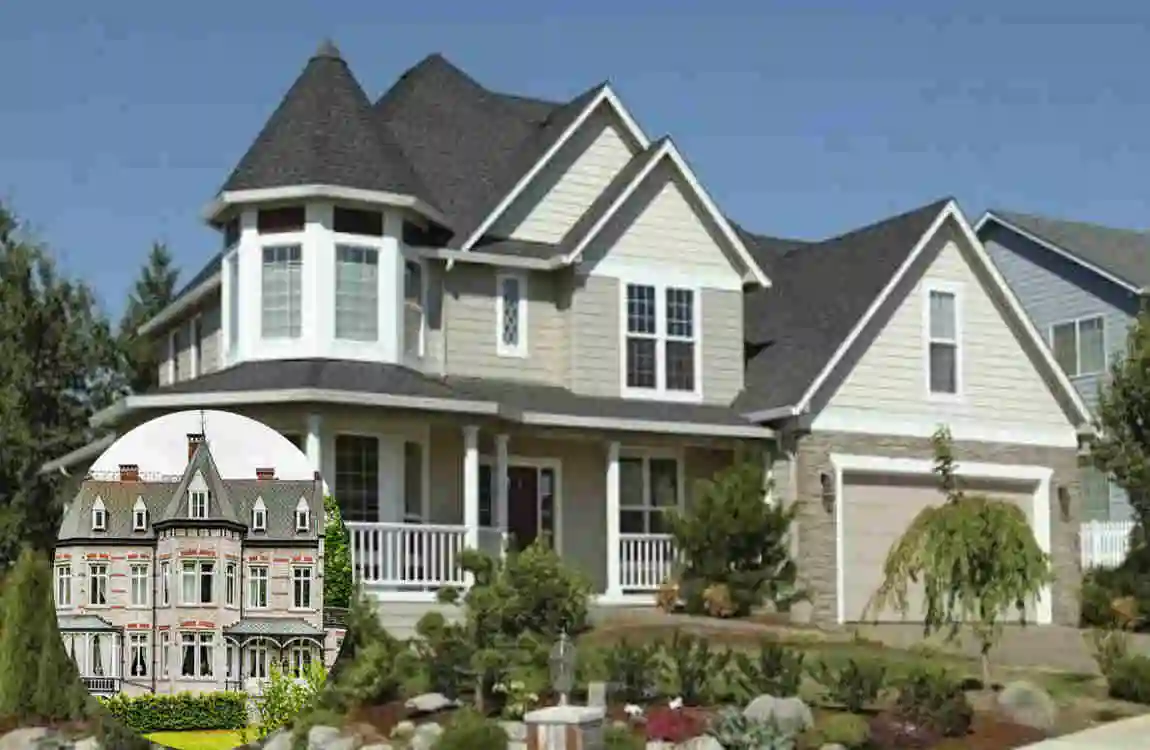
Higher Construction Costs
Complex rooflines generally require more materials, measurements, labor, flashing, and installation time.
A simple gable roof is usually easier to build than a roof containing several intersecting sections and decorative features.
More Difficult Maintenance
A Victorian roof may contain many areas that require inspection.
Gables, valleys, dormers, towers, decorative trim, and multiple slopes can complicate routine maintenance.
Drainage Challenges
Complex roof designs create more areas where water must be directed safely.
Poorly designed gutters or flashing can allow water to enter vulnerable areas.
This is why drainage planning should be treated as an essential part of Victorian roofing, not an afterthought.
Difficult Repairs
Historic roofing materials may be difficult to match.
Even when replacement products are available, color, texture, size, and pattern may not perfectly match the original material.
For historic homes, repair and restoration should be approached carefully.
How Much Does a Victorian Style Roof Cost?
There is no single fixed price for a Victorian-style roof.
The final cost depends on the roof’s size, complexity, materials, labor rates, location, and the condition of the existing structure.
A simple Victorian-inspired roof using asphalt shingles may be much less expensive than a large historic roof using slate, decorative shingles, multiple dormers, and a turret.
Factors That Increase Victorian Roof Costs
Several features can increase project costs:
- Multiple gables and roof sections
- Dormers and turrets
- Steep roof slopes
- Specialty roofing materials
- Custom decorative details
- Structural repairs
- Difficult access
- Complex flashing and drainage
When planning a project, look beyond the roofing material itself. Installation, preparation, structural work, ventilation, gutters, flashing, and decorative restoration can all affect the final budget.
How to Maintain a Victorian Style Roof
Inspect the Roof Regularly
Regular inspections can help identify damaged shingles, loose materials, cracked flashing, leaks, and other problems before they become serious.
Pay special attention to valleys, roof intersections, dormers, and decorative features.
Keep Gutters and Downspouts Clean
Clean gutters are particularly important on complex Victorian roofs.
Leaves and debris can block drainage paths, causing water to collect around vulnerable areas of the roof.
Check Flashing and Roof Valleys
Flashing protects areas where different roof surfaces meet.
Valleys can also receive significant amounts of water. Damaged flashing or poorly maintained valleys can contribute to leaks.
Maintain Decorative Elements
Finials, cresting, brackets, trim, and other decorative features should be inspected periodically.
Even small areas of rot, corrosion, or looseness can become larger problems if ignored.
Address Small Problems Early
A small damaged shingle is usually easier to deal with than widespread water damage.
If you notice staining, leaks, missing roofing materials, or damaged trim, investigate the problem promptly.
Victorian Style Roof Ideas for Different Homes
Victorian Roof for a Small House
A smaller home does not need an elaborate roof.
A single steep gable combined with decorative trim or patterned shingles can create Victorian character without overwhelming the building.
Victorian Roof for a Large Home
Large homes can support more complex designs.
Multiple gables, towers, dormers, decorative roofing patterns, and varied roof heights can create a dramatic appearance when properly proportioned.
Modern Victorian Home
A modern Victorian home can combine traditional roof shapes with contemporary materials.
For example, a steep gable roof with clean siding, simple trim, and modern roofing can provide a fresh interpretation of Victorian design.
Victorian-Inspired Cottage
For a cottage, keep the roof relatively simple.
Smaller gables, wood textures, subtle decorative elements, and a carefully selected roof color can create charm without unnecessary complexity.
Victorian Style Roof Maintenance vs. Modern Roofing
Consideration Victorian Style Roof Modern Roof
Design complexity High Low to moderate
Maintenance Often higher Usually simpler
Decorative elements Common Limited
Repair difficulty Can be complex Generally easier
Customization Extensive Moderate to extensive
Historic preservation Important for old homes Usually less important
Victorian roofing generally requires more attention due to its complex shapes and decorative elements.
Modern roofs often prioritize simple forms and straightforward maintenance. However, the actual maintenance requirements still depend on the roofing material and installation quality.
Frequently Asked Questions About Victorian Style Roofs
What does a Victorian style roof look like?
A Victorian roof often features steep slopes, multiple gables, dormers, decorative trim, and a complex roofline. Some larger homes may also include towers or turrets.
What is the most common Victorian roof style?
There is no single Victorian roof style. Victorian architecture includes steep gables, hip roofs, mansard roofs, cross-gabled designs, gambrel-inspired roofs, and combinations of several forms.
Are Victorian roofs expensive to maintain?
They may require more maintenance than simple modern roofs because they often include more roof sections, valleys, decorative details, and hard-to-reach areas. The age and condition of the home can also affect maintenance needs.
What materials are traditionally used on Victorian roofs?
Traditional Victorian roofing materials include slate, wood shingles, metal, and various other shingle types. The appropriate choice depends on the home’s period, location, structure, and restoration goals.
Can you put solar panels on a Victorian-style roof?
Solar panels can often be installed when the roof has suitable structural condition, orientation, space, and access. Careful placement is important on historic or highly decorative roofs so that the panels do not dominate the architectural appearance.
Are Victorian roofs suitable for modern homes?
Yes. A modern Victorian roof can combine traditional shapes with contemporary roofing materials, insulation, ventilation, drainage, and energy-efficient solutions.
How long does a Victorian style roof last?
| Feature | Description |
|---|---|
| Roof Shape | Typically steeply pitched with complex angles and multiple sections. |
| Signature Details | Decorative gables, dormer windows, turrets, and ornate trim create a distinctive Victorian look. |
| Roofing Materials | Slate, clay tiles, and modern architectural shingles can recreate the traditional appearance. |
| Colors | Deep gray, brown, charcoal, and muted red tones complement Victorian architecture. |
| Decorative Elements | Finials, patterned shingles, brackets, and detailed fascia add character. |
| Modern Ideas | Combine Victorian roof shapes with energy-efficient materials, improved insulation, skylights, and modern drainage systems. |
Related Posts