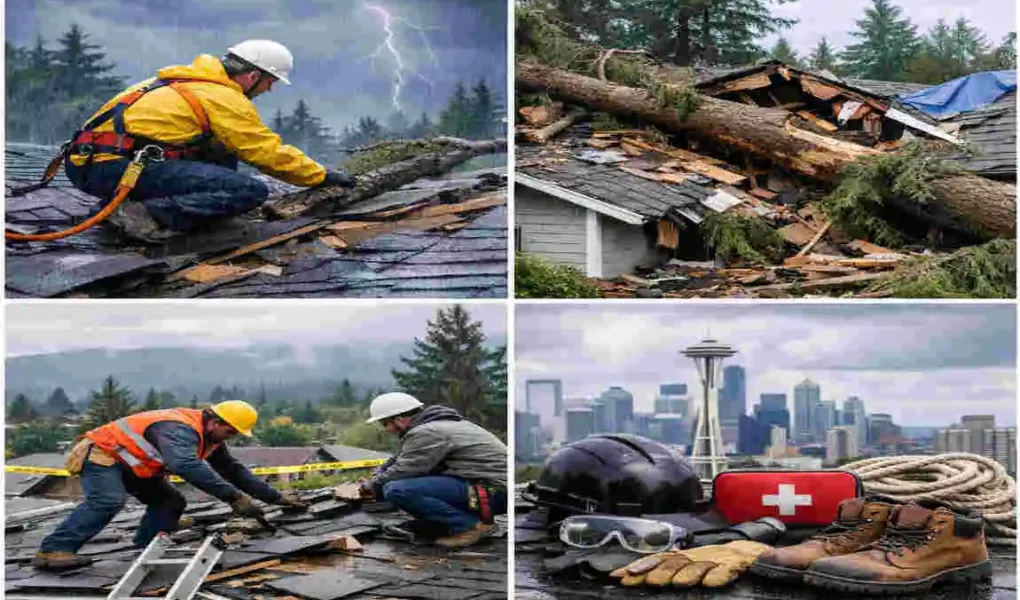
If you live in Washington, your roof has to deal with a lot. Heavy rain, strong winds, hail, snow, and falling branches can all cause serious problems. That is why storm damage roofing in Washington is such an important topic for homeowners.
A storm-damaged roof does not always show obvious signs right away. Sometimes the damage starts small, but it can slowly lead to roof leaks, wet insulation, ceiling stains, or even structural issues inside the home. That is why early inspection matters.
If a storm has passed through your area, take a careful look at your roof as soon as it is safe. The faster you find damage, the easier it is to protect your home and avoid bigger repair bills later.
Common Types of Storm Damage to Washington Roofs
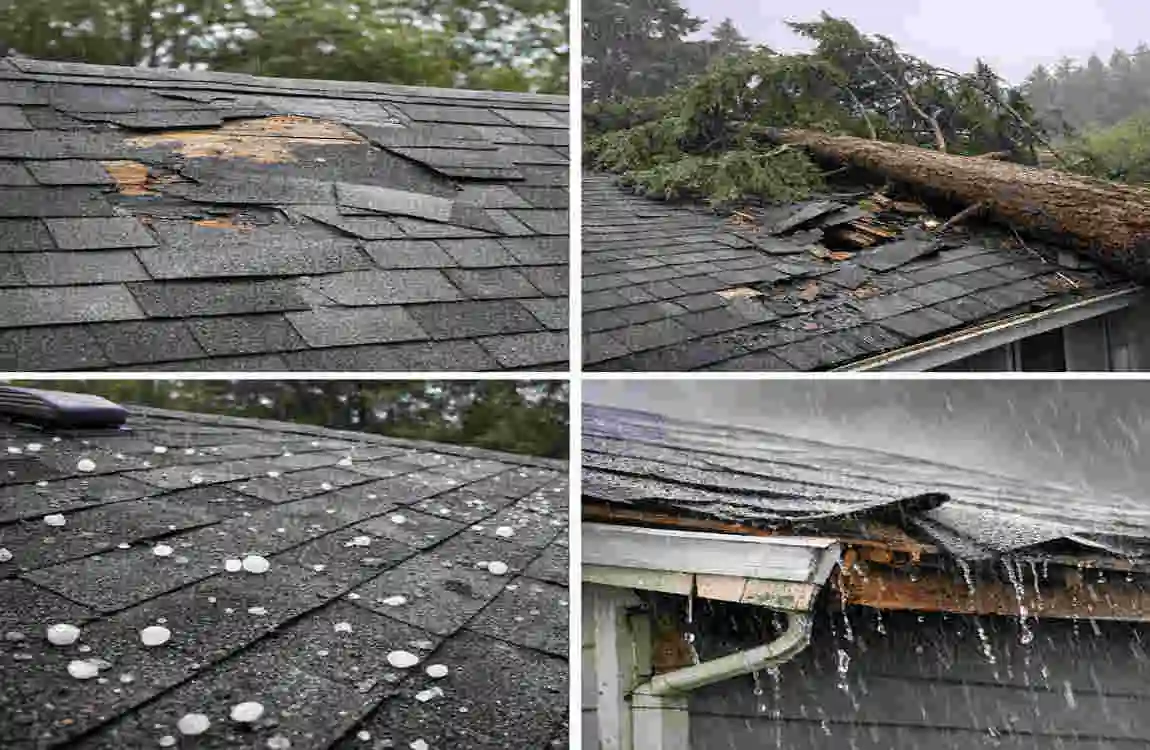
Wind Damage
Strong wind can lift shingles, loosen flashing, and expose areas of the roof that should stay covered. Even if the shingles are not blown off completely, they may still be damaged enough to cause leaks later.
Wind damage often shows up around roof edges, vents, ridges, and corners. These are the places where roofing materials take the most stress during a storm.
Hail Damage
Hail can leave dents, cracks, and worn spots on shingles. It may also knock off protective granules, which help protect the roof surface from weather damage.
Hail can also damage gutters, skylights, and metal roof parts. Sometimes the damage is hard to see from the ground so that you may need a closer inspection.
Heavy Rain and Water Damage
Heavy rain can quickly reveal weak spots in the roof. If water gets through damaged shingles or flashing, it can cause roof leaks, ceiling stains, and attic moisture.
If water stays trapped in hidden areas, it can also lead to mould and wood damage. That is why even a small leak should be taken seriously.
Snow and Ice Damage
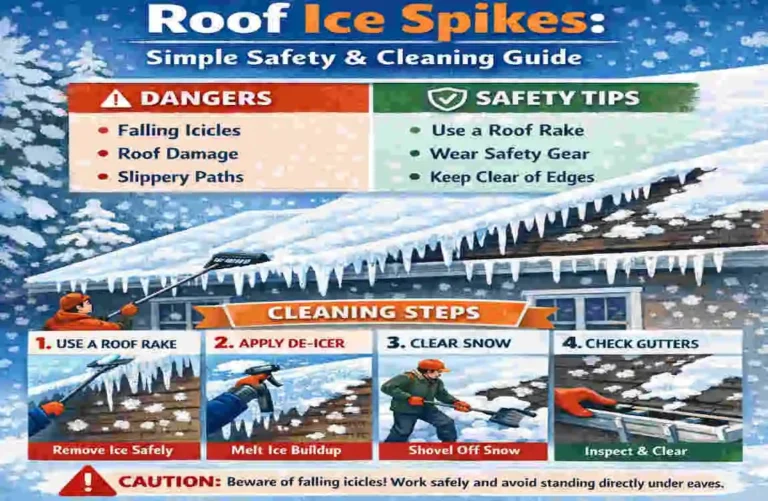
In Washington, snow and ice can create heavy pressure on roofs. Ice dams are especially troublesome because they can stop melting snow from draining properly.
When water backs up behind an ice dam, it may slip under the roofing materials and enter the home. This can lead to hidden damage that grows over time.
Fallen Trees and Branches
A storm can bring down branches or even whole trees. When that happens, the roof may suffer punctures, broken shingles, or structural damage.
If a tree hits your roof, treat it as an emergency. Stay out of the area until a professional can inspect the structure and decide what to do next.
How to Inspect Your Roof Safely After a Storm
Do Not Climb Onto a Damaged Roof
One of the biggest mistakes homeowners make is trying to inspect the roof by climbing on it. That can be dangerous, especially after wind, rain, or ice.
A storm-damaged roof may be slippery, unstable, or weakened in ways you cannot see from the outside. It is much safer to inspect from the ground and call a professional when needed.
Start With a Ground-Level Check
Walk around your home and look for visible signs of damage. You may notice:
- Missing shingles
- Broken shingles
- Pieces of roofing material on the ground
- Debris in gutters
- Damaged flashing
- Bent gutters or downspouts
These signs can tell you a lot without putting yourself at risk.
Check Inside the Home Too
Roof problems often show up indoors before they become obvious outside. Look at the attic, ceilings, and upper walls for stains, damp spots, or a musty smell.
Also check insulation for moisture. Wet insulation is a warning sign that water has already entered the home.
Take Photos and Notes
If you see damage, document it right away. Take clear photos from several angles if it is safe to do so.
This helps with insurance claims and also gives a roofing professional a better idea of what happened before repairs begin.
When to Call a Professional
Call a roofing contractor or inspector if you notice missing shingles, leaks, sagging areas, or signs of structural damage. Also call for help if a tree has fallen on the roof.
A trained inspector can check hard-to-reach areas and tell you whether the problem needs repair or replacement.
Quick Roof Safety Checklist
- Stay off the roof if it looks damaged
- Check for missing shingles from the ground
- Look for leaks inside the attic
- Inspect ceilings and walls for stains
- Photograph visible damage
- Keep children and pets away from unsafe areas
- Call a professional if damage is serious
Storm Damage Roofing in Washington: Repair or Replacement?
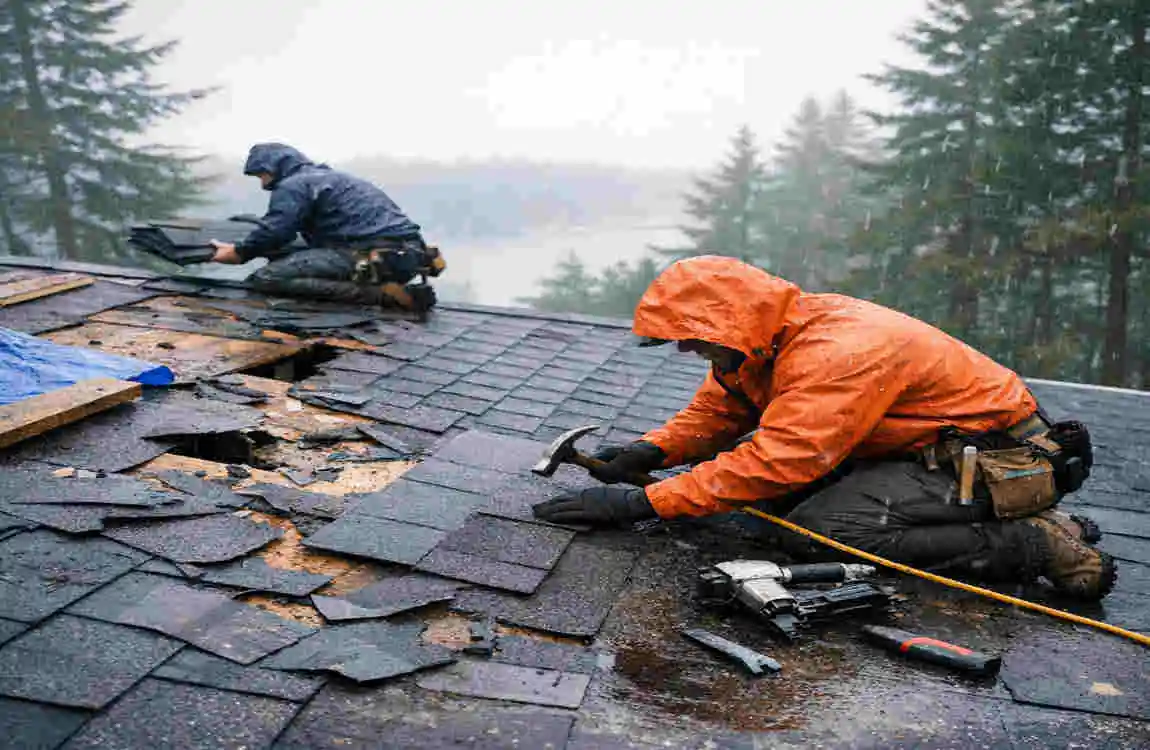
When a Repair May Be Enough
Not every storm-damaged roof needs full replacement. If the damage is limited to a small area, you may be able to repair it.
A repair may work when:
- The roof is still fairly new
- Damage is limited to a small section
- The roof structure underneath is still sound
- The roofing materials are still in good overall condition
When Replacement May Be the Better Choice
Consider a full roof replacement when the roof is older, the damage is widespread, or the structure underneath has been affected.
Replacement may make more sense if:
- The roof is near the end of its life
- There are repeated leaks
- Storm damage is widespread
- The underlayment or decking is damaged
- Repairs would only be temporary
Why a Professional Assessment Matters
Most homeowners can’t accurately judge roof damage on their own. What looks like a small issue may actually hide bigger problems underneath.
A professional can assess the roof’s overall condition and give a more honest answer about whether repair or replacement is the better long-term choice.
Questions to Ask a Roofing Contractor
Before you agree to any work, ask:
- How much of the roof is damaged?
- Can this be repaired safely, or is replacement better?
- What materials will you use?
- How long will the work take?
- Do you provide a written estimate?
These questions help you compare options clearly.
Comparing Repair Estimates
If you get more than one estimate, do not look only at the total price. Compare the materials, labour, scope of work, and warranty details.
A lower price is not always the best deal if it leaves out important repairs.
Insurance, Emergency Repairs, and Roofing Costs
What to Know Before Filing a Claim
If a storm damaged your roof, contact your insurance company as soon as possible. But before you file, collect your photos, notes, and repair records.
This gives you a better record of what happened and may help support your claim.
Deductibles and Coverage
Insurance coverage depends on the policy. Some plans may cover storm damage, while others may have limits or exclusions.
Your deductible also matters. That is the amount you pay before insurance helps with the rest. Make sure you understand both parts before moving forward.
Emergency Repairs May Be Needed
Sometimes you cannot wait for a full repair. If your roof is leaking, you may need emergency steps to protect the home from further damage.
Temporary protection may include:
- Tarping a damaged section
- Sealing a small exposed area
- Redirecting water away from the home
These are not permanent fixes, but they can help prevent more problems while you arrange full repairs.
Keep Receipts and Records
If you pay for emergency work or temporary materials, keep all receipts. This matters for both insurance and your own records.
Good documentation also helps if you need to explain the damage later.
What Affects Roofing Costs in Washington
Storm damage roofing costs can vary a lot. The price depends on:
Cost FactorWhy It Matters
Roof size Larger roofs need more material and labour
Roofing material Some materials cost more to repair or replace
Damage severity Small repairs cost less than major damage
Roof accessibility Hard-to-reach roofs may take more time
Labour rates Local pricing can vary by area
Emergency work Urgent repairs may cost more
That is why one homeowner may pay much less or much more than another, even after similar storms.
Common Mistakes to Avoid
Try not to:
- Delay repairs too long
- Ignore small leaks
- Skip documentation
- Choose a contractor without checking details
- Assume all damage is visible from the ground
A careful approach can save money and stress.
Preventing Future Storm Damage to Your Roof
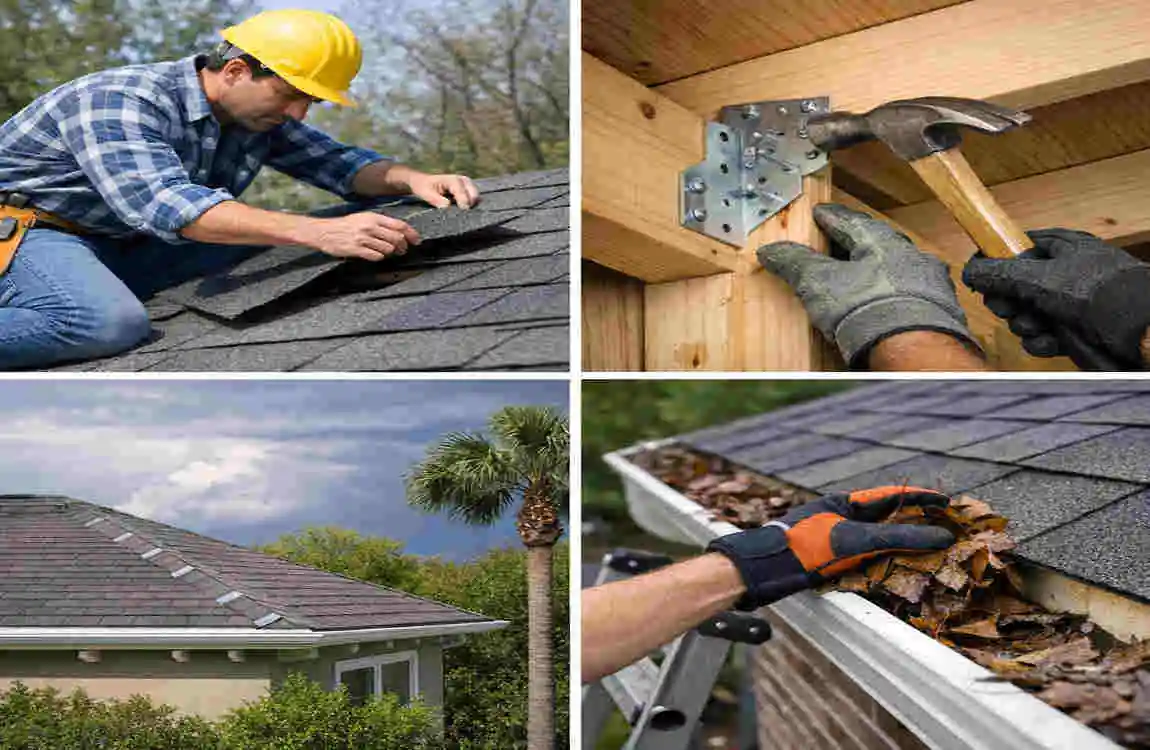
Schedule Regular Roof Inspections
Regular inspections help you catch small problems before a storm makes them worse. This is especially useful if your roof is older or has already been repaired before.
A simple roof check once or twice a year can make a big difference.
Keep Gutters and Drainage Clear
Clogged gutters can cause water to back up and damage the roof edge. Clean gutters also help rain and melting snow flow away from the home properly.
This is a simple task, but it plays a big role in roof health.
Trim Trees Near the House
Overhanging branches can break during a storm and hit the roof. They can also drop leaves and debris into gutters.
Keeping trees trimmed reduces that risk.
Check Flashing and Roof Details
Flashing around chimneys, vents, and skylights should always stay sealed and secure. These areas are common leak points after a storm.
If flashing loosens, water can enter quickly.
Improve Ventilation and Insulation
Good attic ventilation and insulation can help balance temperatures and control moisture. This helps in both wet and cold weather.
It can also help reduce ice dam problems during winter.
Prepare for Storm Season
Before storm season, take a few practical steps:
- Secure loose outdoor items
- Check shingles and flashing
- Clean gutters
- Trim nearby trees
- Review your insurance policy
- Keep emergency roofing contacts ready
These simple habits can help protect your roof before damage happens.
FAQ About Storm Damage Roofing in Washington
How do I know if a storm damaged my roof?
Look for missing shingles, roof debris, leaks, ceiling stains, and attic damage. Some damage is hidden, so you may still need a professional inspection.
Can I repair storm damage myself?
You may be able to handle very small cleanup tasks, but roof repairs are usually best left to professionals. Damaged roofs can be slippery and unsafe.
Should I inspect my roof after every major storm?
Yes, it is a good idea to check after strong winds, heavy rain, hail, or snow. Even if you do not see major damage, a quick inspection can catch early warning signs.
How quickly should storm damage be repaired?
As soon as possible. Delaying repairs can lead to leaks, mould, structural problems, and higher costs later.
Does homeowners insurance cover storm-damaged roofs?
Often it may, but it depends on your policy. Coverage, deductibles, and claim rules can vary, so check your policy and speak with your insurer.
How much does storm damage roofing cost in Washington?
Costs vary based on roof size, material type, damage level, labour, and accessibility. Emergency repairs may add to the total.
Can hail damage a roof without causing an immediate leak?
Yes. Hail can damage shingles, remove granules, and weaken materials without causing an immediate leak. Problems may show up later.
Should I replace or repair a storm-damaged roof?
That depends on the roof’s age, the amount of damage, and whether the structure underneath is still sound. A professional assessment is the best way to decide.
| Topic | Short Information |
|---|---|
| Storm Damage | Check for missing, cracked, or lifted shingles after severe weather. |
| Roof Leaks | Look for water stains, damp ceilings, or dripping around attic areas. |
| Safety First | Avoid climbing onto a damaged roof until it has been inspected. |
| Emergency Protection | Use a temporary tarp to limit water entry when safe to do so. |
| Professional Inspection | A qualified roofing contractor can identify hidden structural damage. |
| Common Repairs | Repairs may include shingles, flashing, gutters, vents, and damaged decking. |
| Insurance | Photograph damage and keep repair estimates and receipts for documentation. |
| Prevention | Regular roof inspections, gutter cleaning, and maintenance can reduce storm risks. |
Related Posts