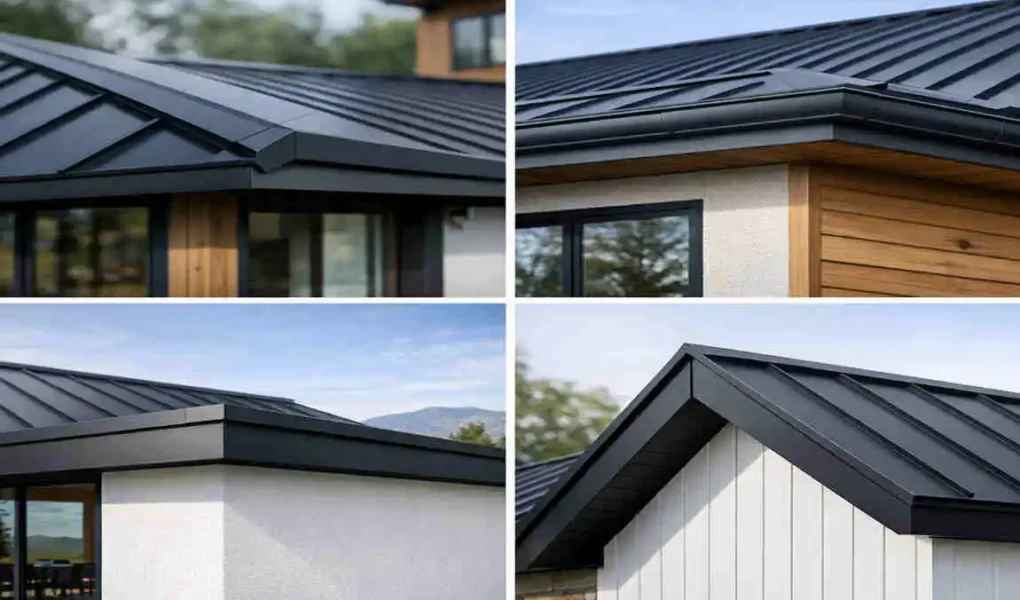
When people think about a metal roof, they usually focus on the panels, colour, or overall shape. But the trim matters just as much. In fact, the right trim can protect the roof, improve drainage, and give the whole home a cleaner finish.
If you are looking for the best trim options for metal roofs, it helps to think about both function and style. Trim is not only a finishing touch. It also protects roof edges, helps seal joints, and reduces the risk of water entering weak spots.
What Is Metal Roof Trim?
Purpose of Roof Trim
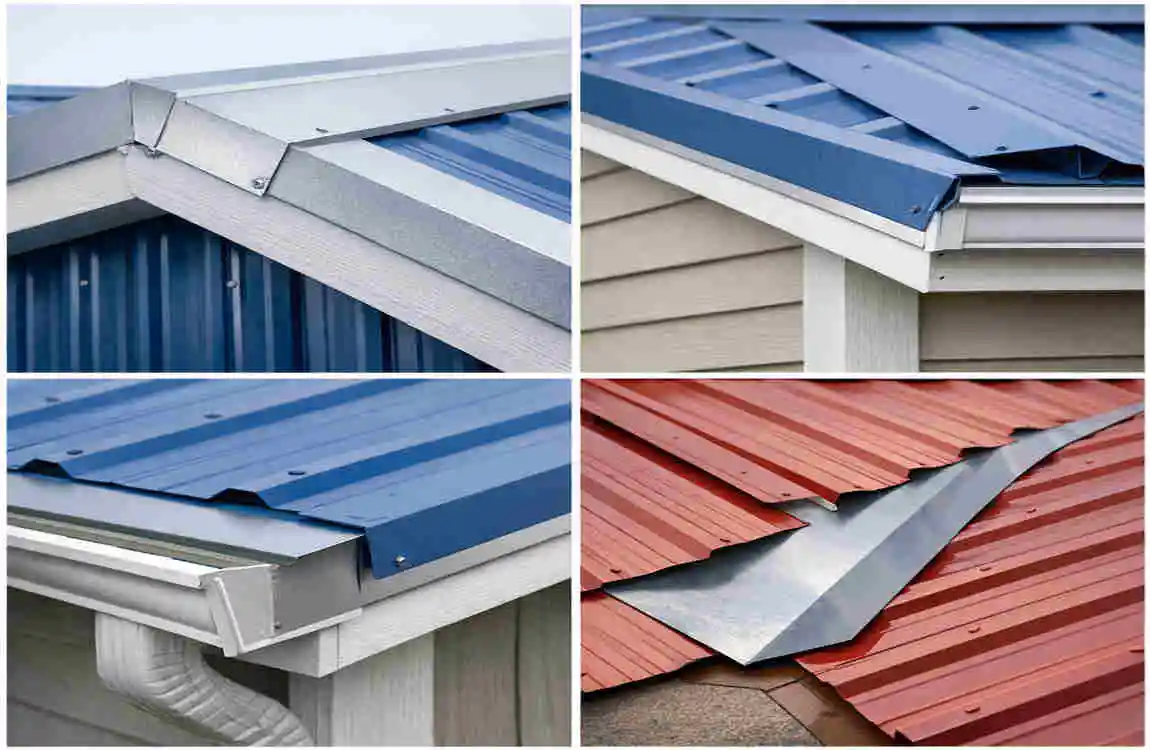
Metal roof trim is used to cover and protect important roof edges and transitions. These are the spots where panels meet, where the roof ends, or where the roof connects to walls and valleys.
Without trim, these areas are more exposed to water, wind, and debris. Trim helps guide rain away from the structure and gives the roof a neater, more complete look.
Why Trim Is Important for Modern Homes
Modern homes often feature clean lines, simple shapes, and strong rooflines. Trim supports that style by creating smooth transitions between roof surfaces and exterior walls.
It also helps the roof look intentional. When trim matches the roof and exterior design well, the home feels more polished and balanced.
Popular Trim Options for Metal Roofs
Eave Trim
Eave trim is installed along the lower edge of the roof. This is one of the most important trim pieces because it helps direct water away from the roof edge and into the gutter system.
It also protects the edge of the roof panels, which are often vulnerable to moisture and wear. For modern homes, eave trim works especially well because it creates a clean, straight finish.
Rake or Gable Trim
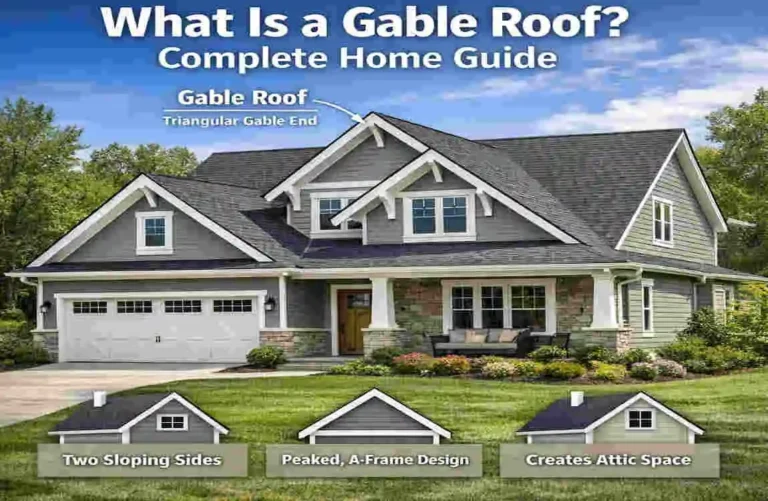
Rake trim, also called gable trim, runs along the sloped side edges of the roof. These edges are exposed, so they need protection from wind and rain.
This trim helps seal the end of the roof panels and gives the roof a finished outline. It is a simple detail, but it makes a home look much more complete.
Ridge Cap
The ridge cap covers the peak where two roof slopes meet. This trim is essential because the top ridge is one of the most exposed parts of the roof.
Some ridge caps are standard, while others are vented. A vented ridge cap helps air move through the attic, which can support roof ventilation and temperature control. If you want both protection and airflow, this is an important part to consider.
Valley Trim
Valley trim is used where two roof slopes meet to form a channel for water. Since water tends to collect and move quickly through valleys, this area needs careful sealing.
A good valley trim helps prevent leaks and supports smooth drainage. Because of the way water flows here, proper installation is very important.
Sidewall and Endwall Flashing
These trims connect the roof to vertical walls. You will often see them where a roof meets a chimney, an addition, or another wall section.
They are important because wall-to-roof joints are common leak points. In modern architecture, where roof shapes can be more complex, this flashing plays a key role in keeping the roof watertight.
Drip Edge
A drip edge helps push water away from the roof edge and fascia. This reduces the chance of water damage in the lower roof area.
Some metal roof systems use drip-edge details as part of the full trim package. It is a practical option that can improve water control and edge protection.
Best Materials for Metal Roof Trim
Galvanized Steel
Galvanised steel is strong and often more affordable than other options. It works well for many roofing projects and offers good durability.
It is a practical option for homeowners who want a balance of strength and cost.
Aluminum
Aluminium is lightweight and naturally resistant to corrosion. That makes it a smart choice in areas with moisture or coastal exposure.
It is also easier to handle during installation. If you want a lighter material with good weather resistance, aluminium is worth considering.
Galvalume and Coated Steel
Galvalume and coated steel are popular because they combine strength with improved weather resistance. They are often used with metal roofing systems because they match roof panels well.
The finish also matters. A good coating can help the trim keep its appearance longer and resist fading or wear.
Matching Trim With the Roof Material
Material compatibility is very important. If trim and roof panels are made from incompatible metals, corrosion can happen over time.
That is why it is best to follow the roofing system’s recommendations. Matching materials helps the roof last longer and perform better.
Choosing the Right Trim Style for a Modern Home
Match the Roof Colour
Colour can change the look of the whole house. Popular modern roof colours include black, charcoal, grey, white, and bronze.
You can match the trim to the roof for a seamless look, or use a contrasting colour to create visual interest. Both approaches can work well if they are planned carefully.
Consider the Home’s Exterior
Trim should also fit the siding, windows, doors, gutters, and fascia. When these details work together, the home looks coordinated and thoughtful.
For a minimalist look, many homeowners prefer a single colour family throughout the exterior.
Choose the Right Profile
Trim profiles can be simple or more decorative. Modern homes usually benefit from cleaner, straighter profiles that do not add too much visual weight.
If the home has a more traditional or transitional style, a slightly more detailed trim profile may also work.
How to Select Trim Options for Metal Roofs
Here are the main things to consider before choosing:
- Roof type and panel profile
- Local weather conditions
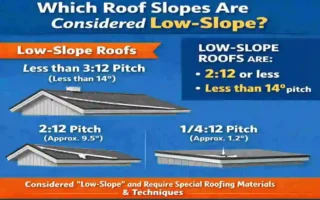
- Roof slope and drainage
- Corrosion resistance
- Manufacturer specifications
- Exterior finish quality
- Installation and maintenance needs
If you focus on these factors early, you are more likely to choose trim that looks good and performs well for years.
Common Metal Roof Trim Installation Mistakes
Incorrect Measurements
If measurements are off, the trim may not fit properly. That can cause gaps, waste materials, and weak joints.
Good measuring is one of the simplest ways to avoid problems later.
Improper Fastener Placement
Fasteners need to be placed correctly. If screws are too loose, too tight, or in the wrong spots, the trim may not hold well.
Proper fastening supports strength and helps keep the roof sealed.
Poor Overlap and Sealing
Trim pieces should overlap correctly and be sealed where needed. If gaps are left open, moisture can get in and cause damage.
Using the right sealant and flashing method is crucial here.
Mixing Incompatible Materials
Some metal combinations can lead to corrosion. This is why using compatible materials is so important.
A small mismatch now can become a larger repair issue later.
Ignoring Roof Ventilation
If the roof needs ventilation, ridge trim and vent details should be planned together. Good airflow helps protect the roof structure and can improve attic comfort.
Maintenance Tips for Metal Roof Trim
Metal roof trim does not need constant attention, but it should be checked regularly.
Simple Maintenance Steps
- Inspect fasteners for looseness
- Check sealants and joints for wear
- Look for scratches, dents, rust, or coating damage
- Keep gutters and drainage areas clear
- Repair damaged trim as soon as possible
- Follow the roof manufacturer’s care recommendations
A few simple checks each year can help your roof stay in good shape.
Modern Design Ideas for Metal Roof Trim
Monochromatic Trim
A monochromatic look uses the same or very similar colours for the roof, trim, and gutters. This creates a calm, unified appearance.
It works especially well on modern homes with simple geometry.
Contrasting Trim
Contrasting trim uses a different colour from the roof. For example, a dark trim can stand out against a light roof, or vice versa.
This can highlight edges and make the architecture more noticeable.
Minimalist Edge Details
Clean, simple trim profiles support the modern style very well. They keep attention on the shape of the home rather than on decorative details.
Matching Trim With Windows and Doors
When trim, windows, and doors share similar tones, the whole exterior feels more connected. This small design choice can make a big visual difference.
Cost Factors for Metal Roof Trim
Trim cost depends on several things, such as:
- Type and amount of trim needed
- Material choice
- Custom profiles or finishes
- Roof complexity
- Labor and installation needs
- Whether it is for a new build or replacement
The cheapest option is not always the best value. Better materials and proper installation may cost more at first, but they can save money over time.
Benefits of Choosing Quality Metal Roof Trim
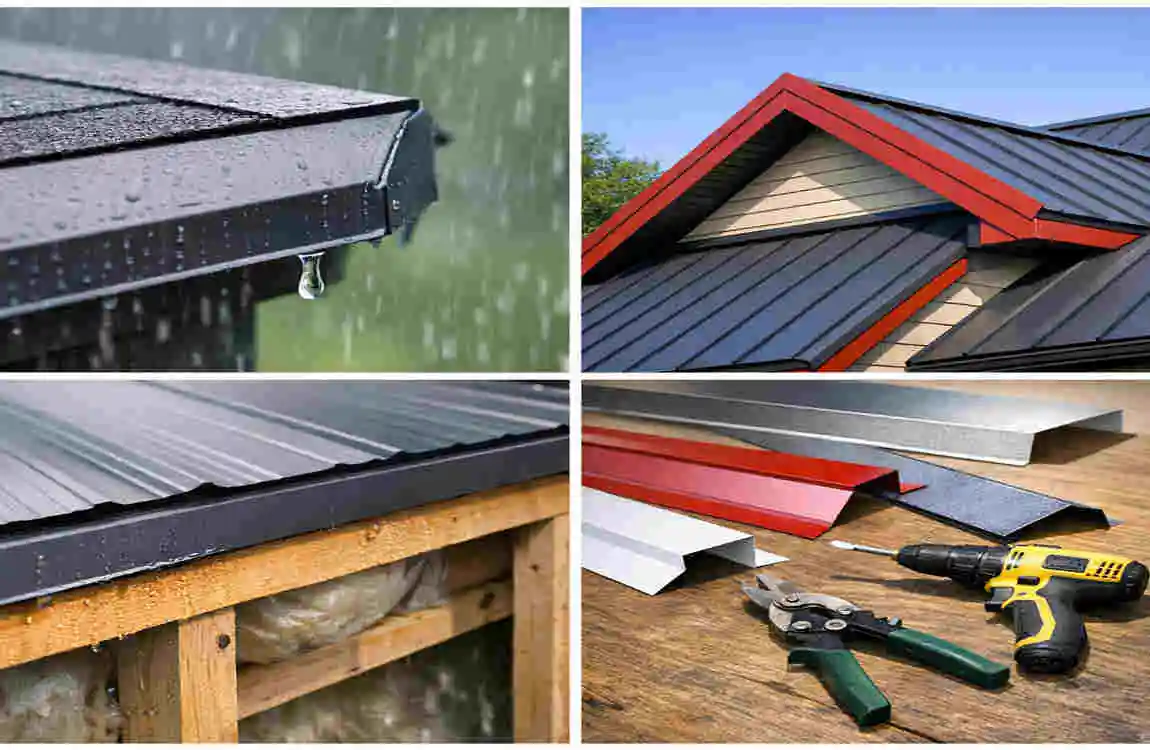
High-quality trim gives you more than just a finished look. It also offers real performance benefits.
It can provide:
- Better weather protection
- Improved roof appearance
- Less maintenance trouble
- Stronger edge and joint protection
- Better fit with modern exterior design
- Longer-term value
If you want your roof to look polished and stay protected, trim deserves careful attention.
Frequently Asked Questions
What trim is best for a metal roof?
The best trim depends on the roof profile, climate, and design. Common choices include eave trim, rake trim, ridge caps, valley trim, and flashing.
Should metal roof trim match the roof?
It can. Matching trim creates a seamless look, while contrasting trim creates more visual definition. Both can work well.
What is the purpose of rake trim on a metal roof?
Rake trim protects the exposed edges along the sloped gable ends and gives the roof a finished appearance.
Do metal roofs need drip edge trim?
Some systems use drip-edge components depending on the design and local requirements. Always follow the manufacturer’s instructions.
What material is best for metal roof trim?
Galvalume, coated steel, galvanised steel, and aluminium are common choices. The best one depends on the roof system and environment.
Can metal roof trim be a different colour from the roof?
Yes. A contrasting colour can create a strong modern style, while matching colours give a more uniform look.
How long does metal roof trim last?
It depends on the material, coating, installation, weather exposure, and maintenance. Good trim can last for many years.
Related Posts