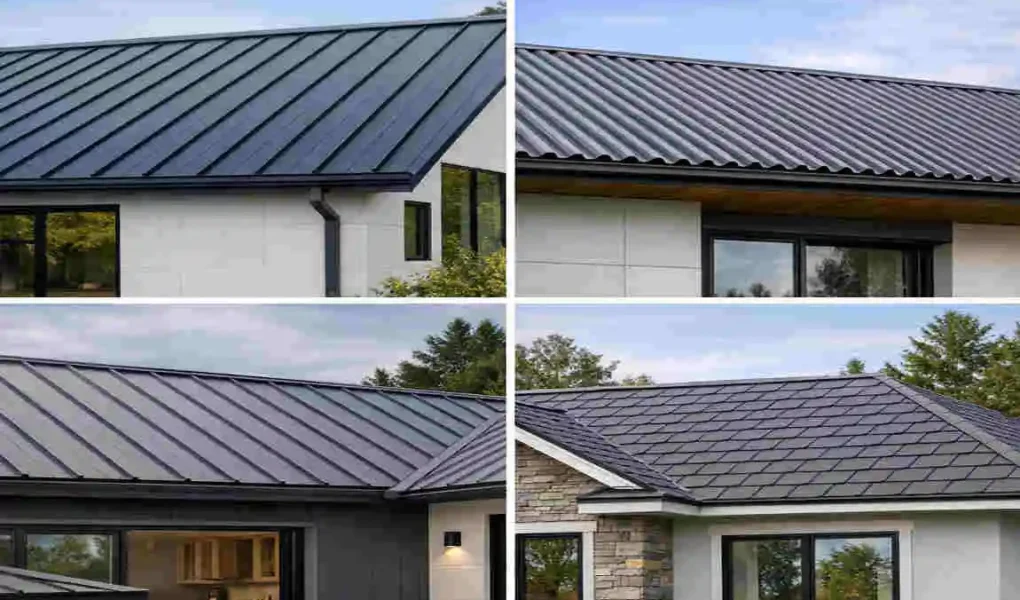
Metal roofing has become a popular choice in modern home design because it looks clean, lasts a long time, and handles weather well. Many homeowners also like it because it can fit both simple and stylish architecture.
When people talk about types of metal roof profiles, they are really talking about the shape and style of the metal panels. That shape affects how the roof looks, how it drains water, how it handles wind, and how easy it is to install.
This matters more than many people realise. A roof profile that works well on one home may look out of place or perform poorly on another. That is why it helps to understand the main options before making a decision.
What Are Metal Roof Profiles?
Understanding Metal Roofing Profiles
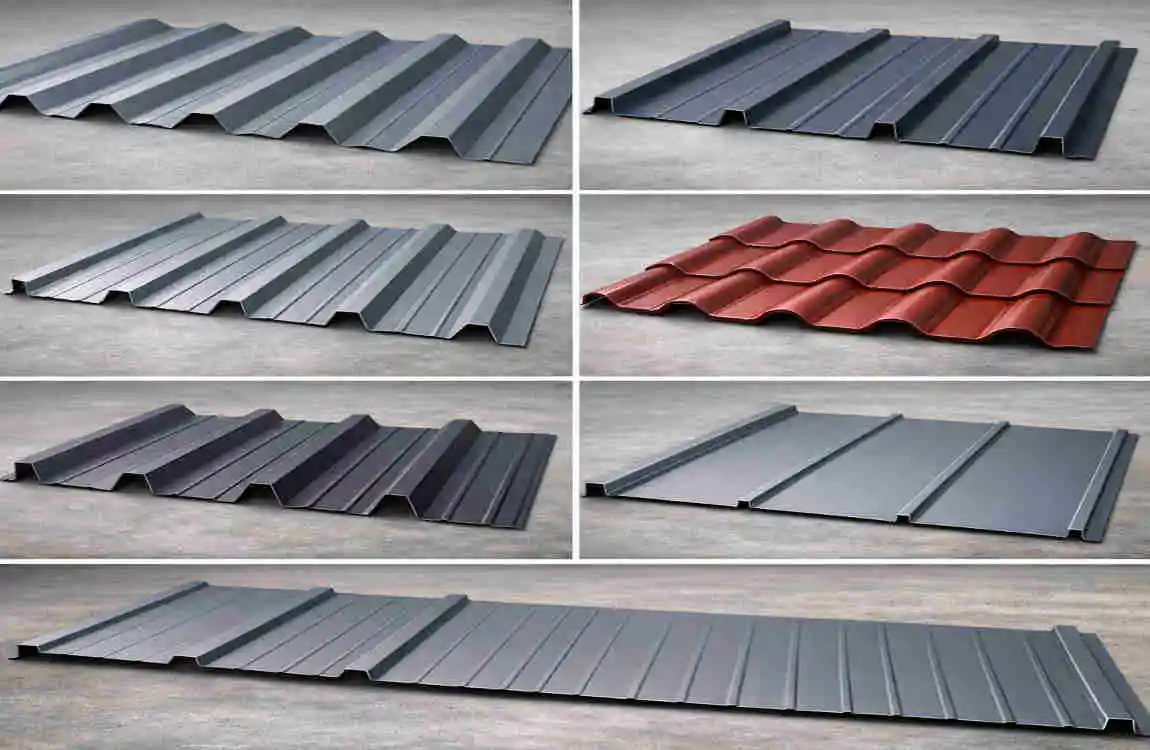
A metal roof profile is simply the shape or pattern of a metal roofing panel. Some panels are smooth and modern. Others have ribs, waves, or shapes that copy traditional roofing materials.
The profile is not just about looks. It also affects how the roof sheds water, how strong it feels, and how the panels connect.
There are also two common fastening styles:
- Exposed-fastener systems where screws are visible
- Concealed-fastener systems where the fasteners are hidden
Concealed-fastener systems usually give a cleaner look. Exposed-fastener systems are often simpler and more affordable.
Why Roof Profile Matters
The profile changes several important things:
- Water drainage
- Wind resistance
- Structural strength
- Visual appearance
- Installation method
- Maintenance needs
If you choose the wrong profile, you may end up with a roof that looks good but does not suit the house or climate. That is why the profile should always be chosen carefully.
Popular Types of Metal Roof Profiles
Standing Seam Metal Roof
Standing seam is one of the most well-known types of metal roof profiles for modern homes. It has long vertical panels with raised seams between them.
The fasteners are hidden, giving the roof a smooth, refined appearance. This clean look is one reason it is so popular in contemporary architecture.
Standing seam roofs are also valued for their weather resistance. They tend to handle rain and snow well and often perform strongly in windy conditions, too.
The main drawback is cost. Both the materials and installation can be more expensive than simpler panel systems. Still, many homeowners see it as a worthwhile long-term investment.
Corrugated Metal Roof
Corrugated metal roofing has a wave-like shape that people recognise right away. It has been used for a long time and remains relevant in modern construction.
It is popular because it is lightweight, affordable, and strong. The wavy pattern adds stiffness to the panel, which helps it perform better than a flat sheet of metal.
This profile can work in both rustic and modern settings. It is often seen on rural homes, workshops, and contemporary homes that want an industrial touch.
The downside is that fasteners are often visible. That can make the look feel less refined than standing seam. It may also require more attention over time.
R-Panel Metal Roofing
R-panel roofing has a ribbed design with raised sections that add strength. It is often used because it is practical and relatively easy to install.
This profile is common in residential and light commercial settings. It gives a solid, straightforward look without being too decorative.
Compared with standing seam, R-panel is usually more affordable and simpler to work with. However, it does not have the same sleek appearance because the fasteners are typically exposed.
If you want something strong and economical, this can be a very sensible choice.
5V Crimp Metal Roofing
The 5V crimp profile has a classic V-shaped pattern. It has a traditional feel that works nicely on certain homes.
It is often a strong match for farmhouse, cottage, coastal, and traditional-style homes. The shape gives it character without making the roof look too heavy.
This profile may appeal to homeowners who want a simple metal roof with a familiar appearance. It is attractive, but it usually does not look as modern as standing seam.
Installation and fastening details matter here, so it is important to follow the product’s requirements carefully.
Box Rib Metal Roof
Box rib roofing has straight, raised ribs that create a structured pattern across the roof. It is a practical choice that often balances cost and durability.
This profile is well-suited to modern residential projects where the homeowner wants something functional and clean-edged. It can also work well on utility-style homes and simple builds.
The look is more geometric than corrugated roofing. Some people prefer that because it feels neat and strong.
If your goal is an economical roof with a more structured appearance, box rib is worth considering.
Tile-Profile Metal Roofing
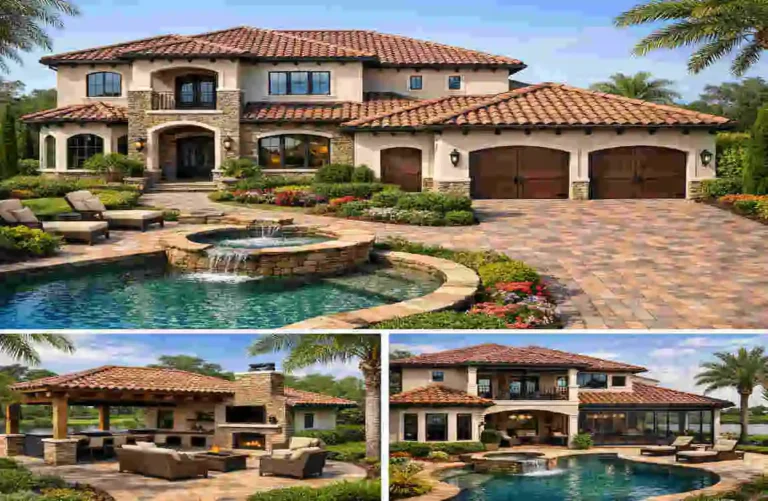
Tile-profile metal roofing is designed to mimic traditional roof tiles. It resembles clay or concrete tile, but it is much lighter.
That lighter weight can be a big advantage, especially when a home cannot support heavy tile systems. It also makes installation easier in many cases.
This style is often used on Mediterranean, Spanish, and decorative residential homes. It offers a traditional look with the benefits of metal construction.
It is a smart option if you want a more classic roof style without the weight and maintenance of traditional tile.
Metal Shingle Profiles
Metal shingles are designed to resemble regular shingles, slate, or even wood shakes. They give homeowners a way to enjoy the look of a classic roof while benefiting from metal’s performance.
This profile is useful when you want a roof that blends into traditional neighbourhoods or older home styles. It can also suit modern homes that want a more familiar texture.
Metal shingles are attractive because they combine flexibility and durability. They can be a great middle ground between traditional appearance and modern roofing performance.
Benefits of Choosing the Right Metal Roof Profile
Long-Term Durability
Metal roofing is known for strength, but the profile matters too. Some shapes handle wind and water better because of the way they lock together or shed moisture.
A well-chosen profile, installed properly, can give you many years of reliable use. That is one reason metal roofing continues to grow in popularity.
Energy Efficiency
Metal roofs can help reflect heat, especially when they have the right coating and colour. That can be useful in warmer climates or homes that get a lot of sun.
Ventilation and insulation also matter. The roof profile alone does not control energy use, but it can support a more efficient roof system.
Low Maintenance
One reason homeowners like metal roofing is that it often needs less maintenance than other materials. Still, it is wise to inspect the roof from time to time.
You should check for:
- Loose fasteners
- Damaged seams
- Debris buildup
- Coating wear
- Flashing issues
A little care goes a long way.
Modern Curb Appeal
The roof is a major part of a home’s look. A good roof profile can make a house feel more modern, more polished, or more traditional, depending on the style you choose.
That is why roof profile selection should always be part of the home design process.
How to Choose the Best Metal Roof Profile for Your Home
Consider Your Home’s Architectural Style
Different homes suit different roof profiles.
- Modern homes often look best with standing seam
- Contemporary homes may suit corrugated or box rib
- Farmhouse homes often match 5V crimp well
- Traditional homes may benefit from metal shingles or tile-style profiles
- Mediterranean homes often suit tile-profile roofing
The goal is to make the roof feel like part of the house, not something added at random.
Consider Your Local Climate
Climate matters just as much as appearance.
If your area has:
- Heavy rain, choose a profile that drains well
- Snow, look for designs that support snow shedding
- Strong winds, focus on fastening and seam strength
- Heat and sunlight, consider reflective coatings
- Coastal exposure, think about corrosion resistance
The right roof should do more than look nice. It should handle your environment well.
Consider Roof Pitch and Design
Roof slope affects which profile works best. Some systems are better suited to steeper roofs, while others require special details for low-slope applications.
Drainage is especially important here. A well-shaped profile for water flow can help protect your home over time.
Consider Budget and Installation Costs
Do not look at material cost alone. You should also think about:
- Labor
- Underlayment
- Flashing
- Accessories
- Maintenance
- Long-term value
A cheaper roof can become expensive if it needs frequent repair or replacement.
Consider Colour and Finish
The finish matters as much as the profile. Colour affects both appearance and heat reflection.
Choose a finish that works with your walls, windows, and exterior style. A coordinated look can make the whole house feel more complete.
Metal Roof Profiles vs Traditional Roofing
Metal Roofing vs Asphalt Shingles
Asphalt shingles are familiar and often less expensive at first. But metal roofing usually lasts longer and offers better weather resistance.
Metal also tends to need less maintenance over time. That said, shingles may still be a better choice for some budgets and styles.
Metal Roofing vs Clay or Concrete Tile
Tile roofs have a beautiful traditional look, but they are heavy. Metal tile-profile roofing can give a similar appearance with much less weight.
That can reduce structural stress and make installation easier in many homes.
Metal Roofing vs Slate
Slate looks elegant and can last a long time, but it is costly and heavy. Metal roofing can imitate slate more affordably and with simpler installation.
For many homeowners, that makes metal a practical alternative.
Common Mistakes to Avoid When Choosing a Metal Roof Profile
Choosing Based Only on Appearance
A roof that looks nice is not always the right roof. You also need to think about drainage, climate, and installation.
Ignoring Roof Pitch
Some profiles are not suitable for every slope. Always check the product’s guidance before deciding.
Focusing Only on the Initial Price
A low upfront price can be tempting. But if the roof needs more repairs or does not last as long, it may cost more in the long run.
Using Inexperienced Installers
Metal roofing needs proper fitting. Poor installation can affect seams, flashing, and overall performance.
Ignoring Flashing and Ventilation
Even the best roof profile cannot perform well if the flashing or ventilation is weak. These parts are essential.
Forgetting About Colour and Exterior Design
A roof should work with the rest of the home. Colour and finish should match the overall style of the house.
Metal Roof Installation and Maintenance Tips
Professional Installation
Good installation matters a great deal. Accurate measurements and correct fastening help the roof perform as intended.
Pay close attention to areas around:
- Chimneys
- Skylights
- Vents
- Roof edges
These details are often where problems start if the work is rushed.
Regular Inspection
You do not need to inspect the roof every week, but a routine check is a good idea.
Look for:
- Loose panels
- Damaged seams
- Worn flashing
- Debris buildup
- Drainage problems
Small issues are easier to fix early.
Preventing Corrosion
To help prevent corrosion, keep the roof clean and address scratches promptly. A quality finish and the right material for your climate can also help a lot.
Future Trends in Metal Roof Profiles
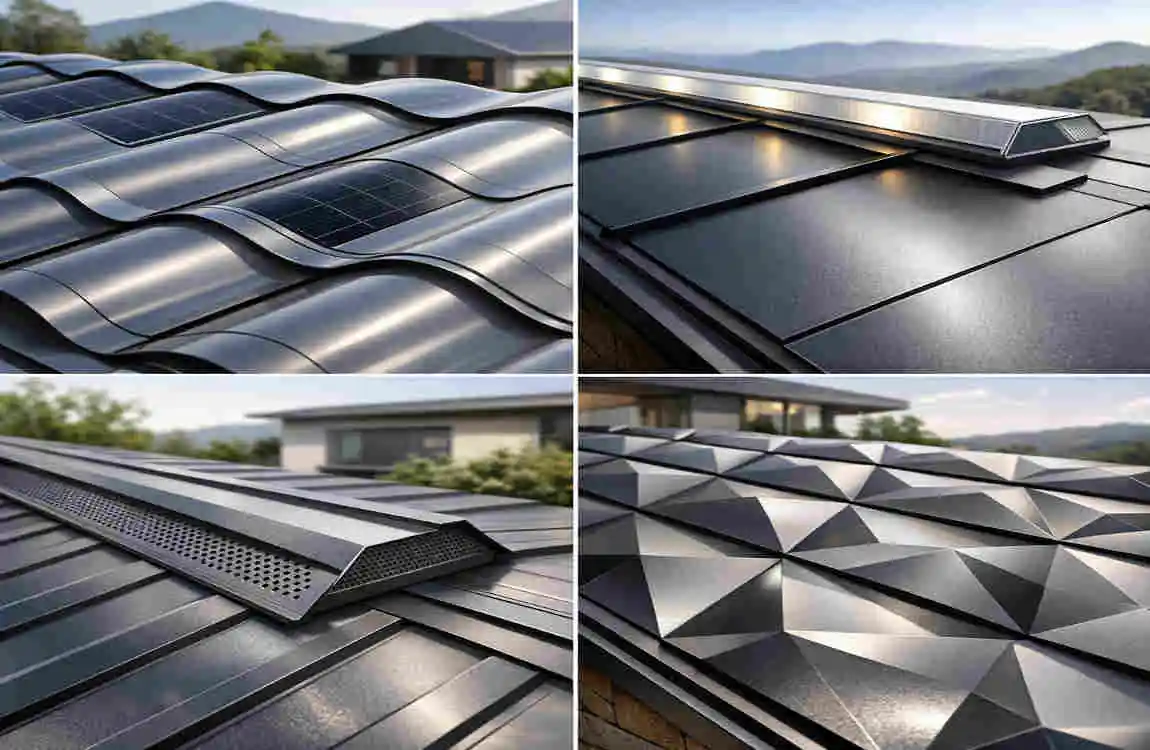
Metal roofing continues to evolve. Some of the biggest trends include:
- Minimalist standing seam designs
- More energy-efficient coatings
- Profiles that imitate traditional materials
- Greater use of recyclable metals
- Solar-ready roofing systems
- More color and finish choices
That means homeowners now have more options than ever before.
Frequently Asked Questions
What are the most common types of metal roof profiles?
The most common profiles include standing seam, corrugated, R-panel, 5V crimp, box rib, tile-profile, and metal shingle systems.
Which metal roof profile is best for a modern home?
Standing seam is often preferred for modern homes because it has a clean, minimalist look. Still, the best choice depends on the home’s design and climate.
Are metal roof profiles durable?
Yes. When properly selected and installed, metal roofing can offer excellent durability and weather resistance.
Is standing seam better than corrugated metal roofing?
Not always. Standing seam looks cleaner and has concealed fasteners, while corrugated roofing is often more affordable and lightweight.
Which metal roof profile is the most affordable?
Corrugated and other exposed-fastener systems are often more budget-friendly, but actual cost depends on material, labour, location, and roof complexity.
Can metal roofing look like traditional shingles or tile?
Yes. Metal shingles and tile-profile panels can imitate traditional roofing styles while keeping the benefits of metal.
How long can a metal roof last?
Lifespan depends on the metal type, coating, climate, installation quality, and maintenance. A well-made roof can last many years.
Does the roof profile affect energy efficiency?
Yes, but it is only one part of the picture. Colour, coating, ventilation, and insulation also matter a lot.
Can metal roof profiles be used on steep or low-slope roofs?
It depends on the specific product and manufacturer requirements. Roof pitch should always be checked before installation.
Related Posts