
If you own a home in Austin, a roof replacement is one of the biggest repairs you may face. It is not just about improving how your home looks. It is about protecting your family, your belongings, and your property’s value.
The average roof replacement cost in Austin, Texas, can vary widely depending on roof size, material, labor, and the condition of the old roof. Some homeowners pay less for a basic asphalt shingle roof, while others spend much more for a metal, tile, or slate roof.
The local climate also shapes Austin roofing prices. Strong sun, hailstorms, heavy rain, and high heat can wear out a roof faster than many people expect. That means knowing the cost of replacing a roof in Austin is important before the damage gets worse.
What Is the Average Roof Replacement Cost in Austin, Texas?
Average Price Range
For most homes, the average roof replacement cost in Austin, Texas, ranges from $8,000 to $16,000. Smaller homes may cost less, while larger homes or Premium materials can push the price much higher.
On a per-square-foot basis, roof replacement typically costs around $4 to $10 per square foot. That number changes based on material, roof shape, and labor needs. Compared with the national average, Austin pricing is often similar, but storm damage, local demand, and hotter weather can raise costs.
Average Costs by Home Size
The size of your home gives you a rough starting point for estimating the cost of a new roof in Austin. Here is a simple guide:
Home Size Estimated Roof Replacement Cost
1,000 sq. ft. $5,000–$9,000
1,500 sq. ft. $7,000–$12,000
2,000 sq. ft. $8,500–$16,000
2,500 sq. ft. $10,000–$20,000
These prices are only estimates. A simple roof with easy access may cost less, while a steep or complex roof may cost more.
Factors That Affect Roof Replacement Costs in Austin
Roofing Material
The material you choose plays a huge role in the final price. Asphalt shingles are the most affordable choice, while metal roofing, clay tile, and slate cost more because they last longer and need more skill to install.
Roof Size and Complexity
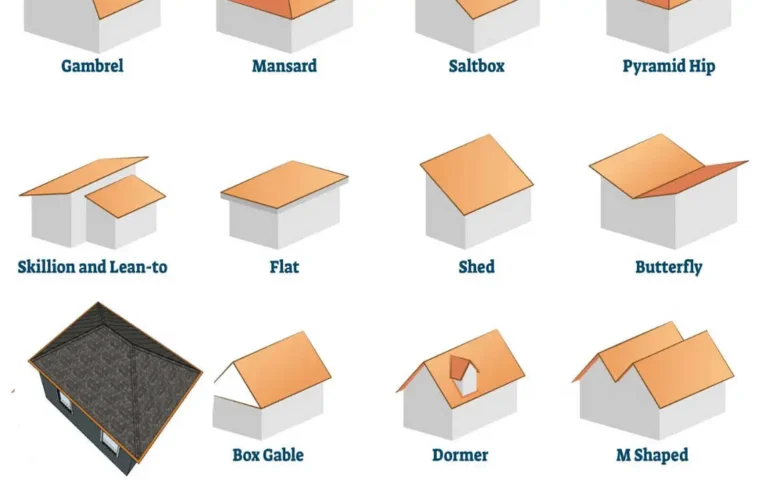
A larger roof naturally costs more because it needs more materials and labor. But size is not the only thing that matters. Roof pitch, multiple stories, valleys, dormers, and unusual angles can all raise the price.
A steep roof is harder and slower to work on. That means more labor time and more safety steps, which usually means a higher bill.
Labor Costs in Austin
Labor is a big part of the total roof replacement cost that Texas homeowners pay. In Austin, skilled roofing crews charge based on experience, project difficulty, and demand.
If the job is simple, labor may stay manageable. If the roof has layers to remove, steep slopes, or special materials, installation costs go up.
Roof Removal and Disposal Fees
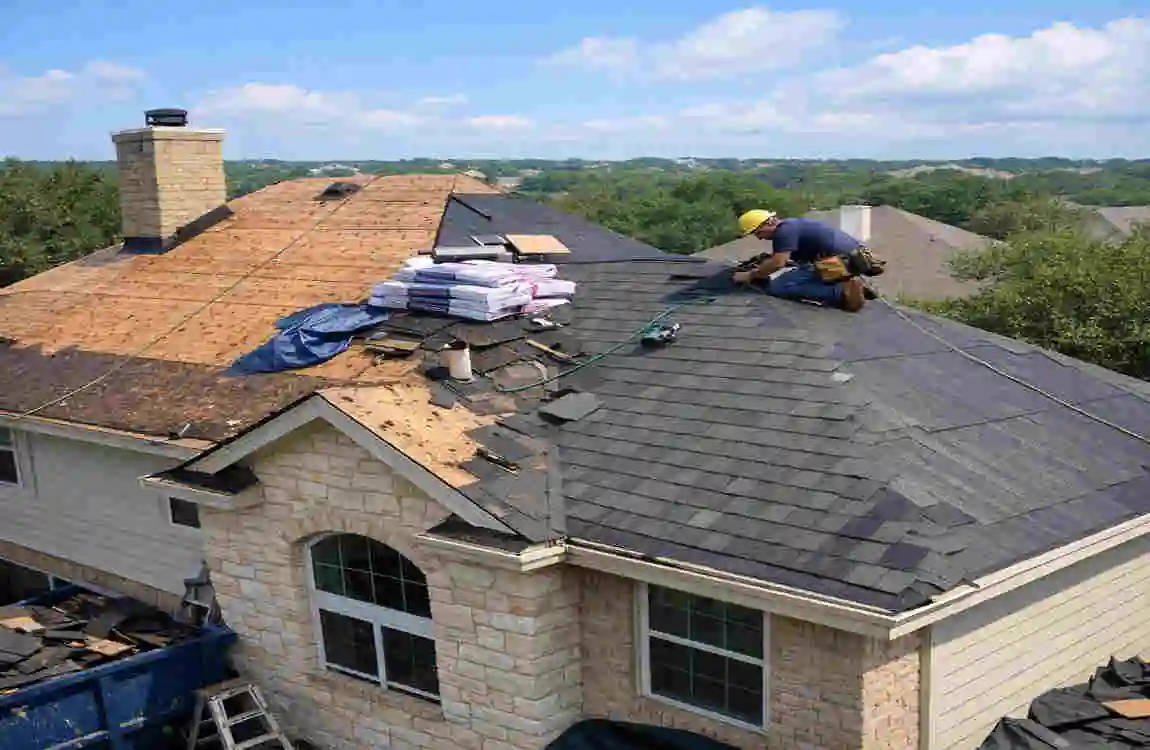
Before the new roof goes on, the old one usually needs to come off. That process is called a tear-off. Tear-off work adds cost because it takes time, tools, and cleanup.
You may also pay for dumpster rental and disposal fees. These charges cover hauling away old shingles, nails, underlayment, and other debris.
Permits and Local Building Codes
In Austin, roofing jobs may require permits depending on the type of project. Some projects also require inspections to ensure the work complies with local regulations.
Permit costs are usually not the biggest part of the bill, but they still matter. A trustworthy contractor should understand local building codes and handle this process properly.
Roof Replacement Costs by Roofing Material
Asphalt Shingles
Asphalt shingles are the most common and affordable roofing choice. Many Austin homeowners choose them for their good balance of price and performance.
They usually last 20 to 30 years with proper care. They are easy to install and replace, which helps keep labor costs lower.
Metal Roofing
Metal roofing costs more upfront, but it offers strong long-term value. It is durable, handles heat well, and can help with energy savings.
In Austin’s hot climate, that energy benefit can be helpful. Many homeowners see metal roofing as a smart long-term investment because it can last 40 to 70 years.
Clay Tile Roofing
Clay tile is a popular look in Texas homes. It gives a warm, classic style and performs well in hot weather.
The downside is cost. Clay tile is heavier, more complex to install, and often needs extra structural support. That makes it more expensive than asphalt or metal.
Slate Roofing
Slate is a Premium roofing option with a beautiful finish and a very long life. It can last 75 to 100 years, but it is one of the most expensive materials.
Slate also requires expert installation. As a result, both material and labor costs are higher.
Roofing MaterialAverage CostLifespan
Asphalt Shingles $5,000–$12,000 20–30 Years
Metal Roofing $10,000–$25,000 40–70 Years
Clay Tile $15,000–$35,000 50+ Years
Slate $20,000–$50,000 75–100 Years
Why Roof Replacement Costs in Austin Are Different
Extreme Texas Weather
Austin roofs take a beating from strong heat, UV rays, hail, and heavy rain. This weather can shorten the roof’s lifespan and increase repair needs.
Because of this, roofing systems in Austin often need stronger materials or more frequent replacement than roofs in milder places.
Demand for Roofing Services
Roofing prices can rise during busy seasons, especially after storms. When many homeowners need repairs at the same time, contractors may have less availability.
That can affect both labor rates and wait times. If you are flexible with timing, you may find better pricing.
Local Material Costs
Material prices can change based on supply and transportation. If the materials have to travel farther or if demand is high, the final cost may rise.
This is another reason why the average roof replacement cost Austin, Texas, homeowners see may differ from year to year.
Signs You Need a New Roof
Roof Age
Every roofing material has a life span. If your roof is near the end of that range, it is smart to start planning for replacement even if it still looks okay.
Older roofs can fail without much warning, especially after a severe storm.
Missing or Damaged Shingles
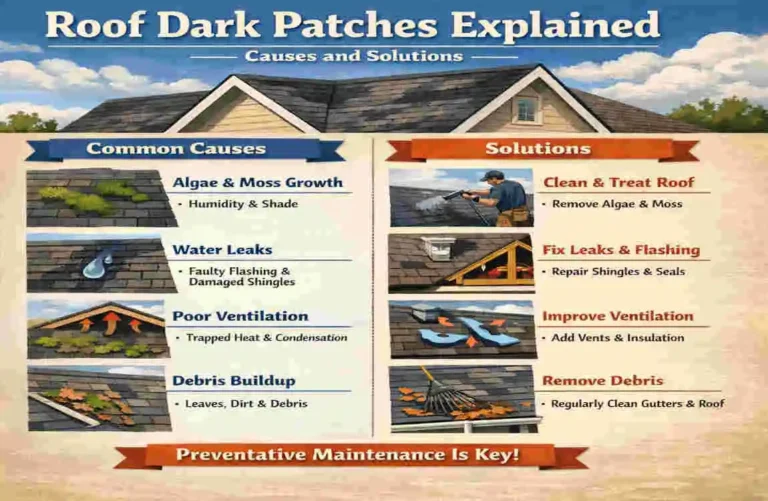
Look for shingles that are cracked, curled, missing, or severely granule-loss. These are signs the roof is wearing out.
When shingles start failing, your roof becomes less effective at protecting your home from water and heat.
Water Leaks and Interior Damage
If you see ceiling stains, peeling paint, mold, or damp spots in the attic, your roof may already be leaking.
These problems can grow fast. A small leak can cause serious damage if ignored.
Sagging Roof Structure
A sagging roof is a serious warning sign. It may point to a structural issue that needs immediate attention.
This is not just a cosmetic problem. It can become a safety issue and should be checked right away.
How to Save Money on a Roof Replacement in Austin
Get Multiple Roofing Quotes
Always compare more than one estimate. This helps you understand the market and avoid overpaying.
Make sure each quote includes details on materials, labor, tear-off, disposal, and warranty.
Schedule During Off-Peak Seasons
If possible, book your project when roofing demand is lower. Contractors may offer better pricing during slower months.
This does not always guarantee a discount, but it can help.
Check Insurance Coverage
If a storm caused roof damage, your homeowners insurance may help cover the cost of repairs or replacement. Keep photos, inspection notes, and repair records.
Good documentation can make the claim process smoother.
Choose Cost-Effective Materials
The cheapest material is not always the smartest choice. Try to balance upfront price with long-term durability.
For many homes, asphalt shingles offer the best value. For homeowners planning to stay long-term, metal may be worth the higher cost.
How to Choose the Right Roofing Contractor in Austin

Verify Licensing and Insurance
A professional contractor should carry proper insurance and follow local rules. This protects you if something goes wrong during the job.
Read Customer Reviews
Look at customer feedback to see how the contractor handles communication, cleanup, and project quality.
A strong track record usually means fewer surprises.
Ask About Warranties
A good roofing company should explain both material warranties and artistry warranties. This matters because a roof is a major investment.
Request a Detailed Written Estimate
Never rely on a vague verbal price. Ask for a written estimate that clearly lists labor, materials, timing, and extra fees.
Compare Experience and Expertise
Some roofers are better with shingles, while others specialize in metal or tile. Choose a roofing contractor that Austin, TX, homeowners recommend for your specific roof type.
FAQs
What is the average roof replacement cost in Austin, Texas?
Most homeowners spend between $8,000 and $16,000 depending on roof size, materials, and labor.
How much does a new roof cost per square foot in Austin?
Roof replacement typically costs around $4 to $10 per square foot.
Does homeowners insurance cover roof replacement in Texas?
Insurance may cover replacement if the damage results from a covered event, such as hail or a storm.
What is the cheapest roofing material?
Asphalt shingles are usually the most affordable roofing option.
How long does a roof replacement take in Austin?
Most residential roof replacements are completed in 1 to 3 days, depending on the roof’s size and complexity.
| Roof Size (sq. ft.) | Average Cost in Austin, TX |
|---|---|
| Small (1,000–1,500) | $6,000 – $12,000 |
| Medium (1,500–2,000) | $8,000 – $18,000 |
| Large (2,000–3,000) | $12,000 – $26,000 |
| Very Large (3,000+) | $20,000 – $30,000+ |
Related Posts