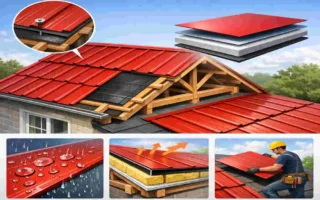
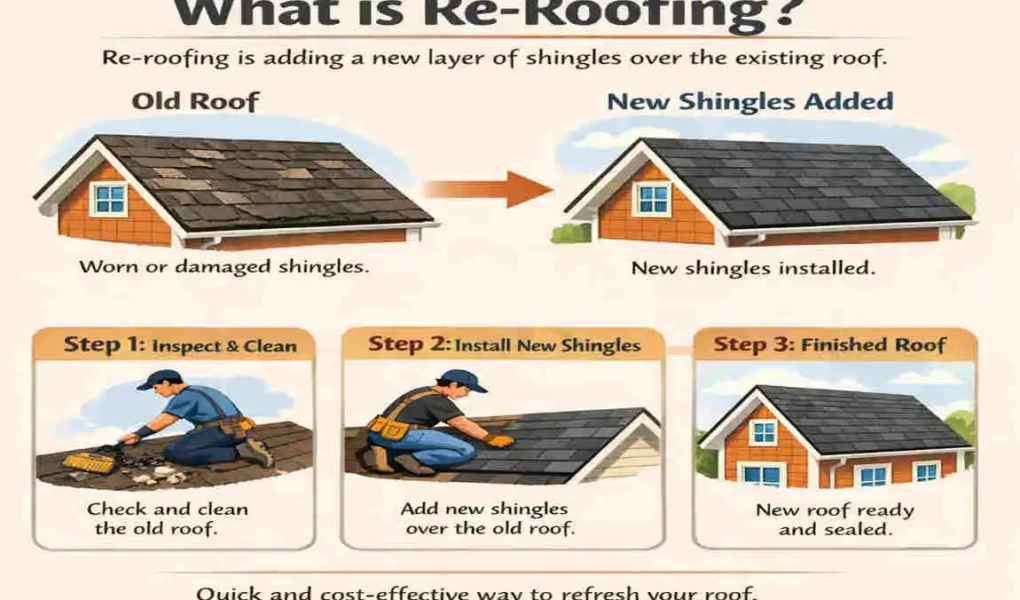
If you are asking what re-roofing is, the simple answer is this: it means putting a new layer of roofing material over an old roof instead of removing the whole thing. Many homeowners choose it when the roof still has a strong base, but the top layer looks worn, old, or damaged.
A roof works hard every day. It protects your home from rain, wind, heat, and storms. Over time, shingles can crack, curl, or go missing. Small leaks can also turn into bigger problems if they are ignored. That is why roof maintenance matters so much.
What Is Re-Roofing?
Simple Definition
Re-roofing is the process of adding new shingles or roofing material over the existing roof. The old roof stays in place, and the new layer goes on top.
Re-Roofing vs Roof Replacement
Re-roofing is not the same as full roof replacement. A replacement means removing the old roof completely and installing a brand-new one. Re-roofing is faster and usually cheaper, but it works only when the old roof is still in decent shape.
When It Works Best
Re-roofing is usually a good option when:
- The roof has minor wear
- There are no major leaks
- The structure is still strong
- The roof has only one existing layer
How Re-Roofing Works
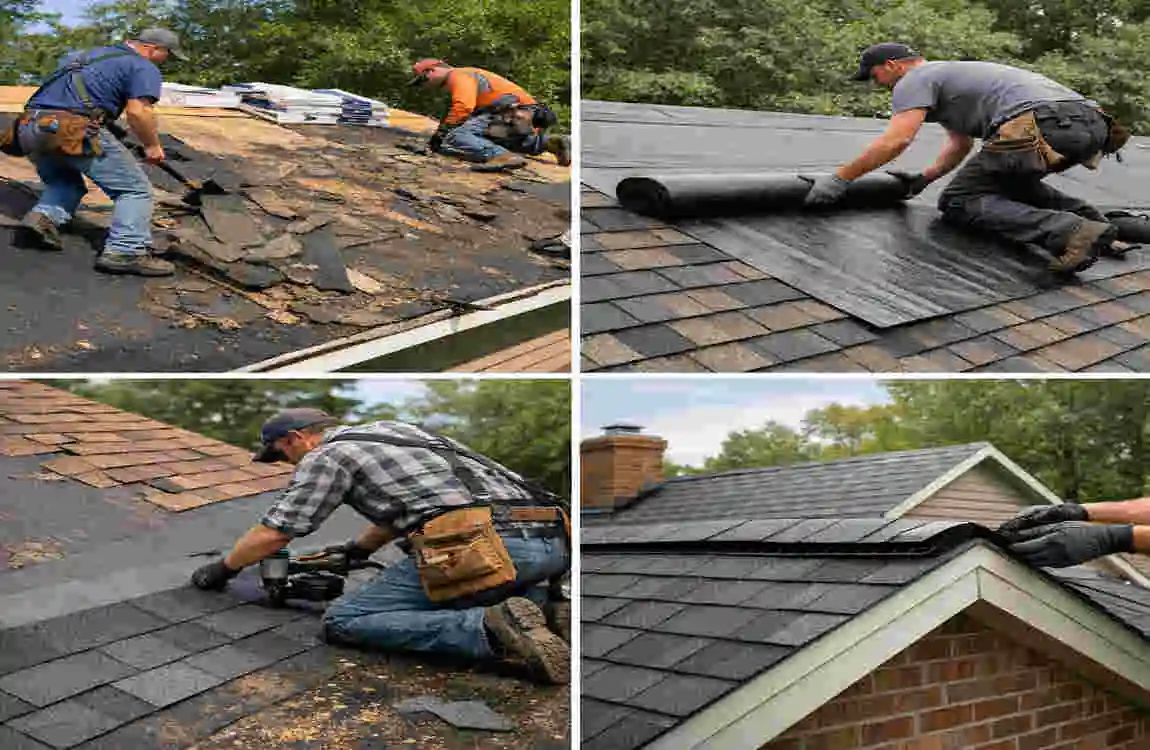
First, a roofer carefully checks the roof. This inspection helps them see if the roof can support a new layer. If the roof is too damaged, re-roofing may not be safe.
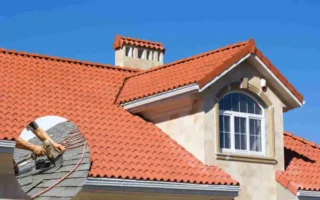
If the roof passes inspection, the contractor installs new shingles over the old ones. This method is called an overlay. It saves time because the old shingles do not need to be torn off.
Materials Commonly Used
Most re-roofing jobs use:
- Asphalt shingles
- Roofing nails
- Underlayment in some cases
- Flashing for edges and joints
A good re-roofing job should still protect the home from the weather and improve the roof’s appearance.
Signs You May Need Re-Roofing
You may want to think about re-roofing if you notice:
- Leaks or water stains inside the home
- Missing, curled, or damaged shingles
- A roof that is around 15 to 25 years old
- Higher energy bills from poor insulation
- Sagging or uneven roof areas
These signs do not always mean you need a full replacement. In some cases, re-roofing is enough.
Benefits of Re-Roofing
Re-roofing has several clear advantages.
Lower Cost
It usually costs less than tearing off the old roof and starting from scratch.
Faster Process
Since the old roof stays in place, the job often takes less time.
Better Appearance
A new layer of shingles can make your home look cleaner and newer.
Added Protection
It can help shield your home from rain, wind, and sun damage.
Higher Home Value
A roof that looks fresh and well-kept can make your home more appealing to buyers.
Limitations of Re-Roofing
Re-roofing is useful, but it has limits.
It is not a good choice if the roof has serious damage, structural problems, or too many old layers already. Adding another layer also adds weight, which can be a concern for some homes. In some areas, local building rules may also limit how many times a roof can be re-roofed.
Another point to keep in mind is that re-roofing may not last as long as a full replacement.
Re-Roofing vs Roof Replacement
Factor: Re-Roofing, Roof Replacement
Cost Lower Higher
Time Faster Slower
Roof Removal: No full tear-off. Old roof removed
Lifespan Moderate Longer
Best For Minor roof wear , severe damage, or old roofs
Which One Should You Choose?
Choose re-roofing if the damage is minor and the roof remains structurally sound. Choose replacement if the roof is leaking badly, sagging, or already has multiple layers.
Cost of Re-Roofing
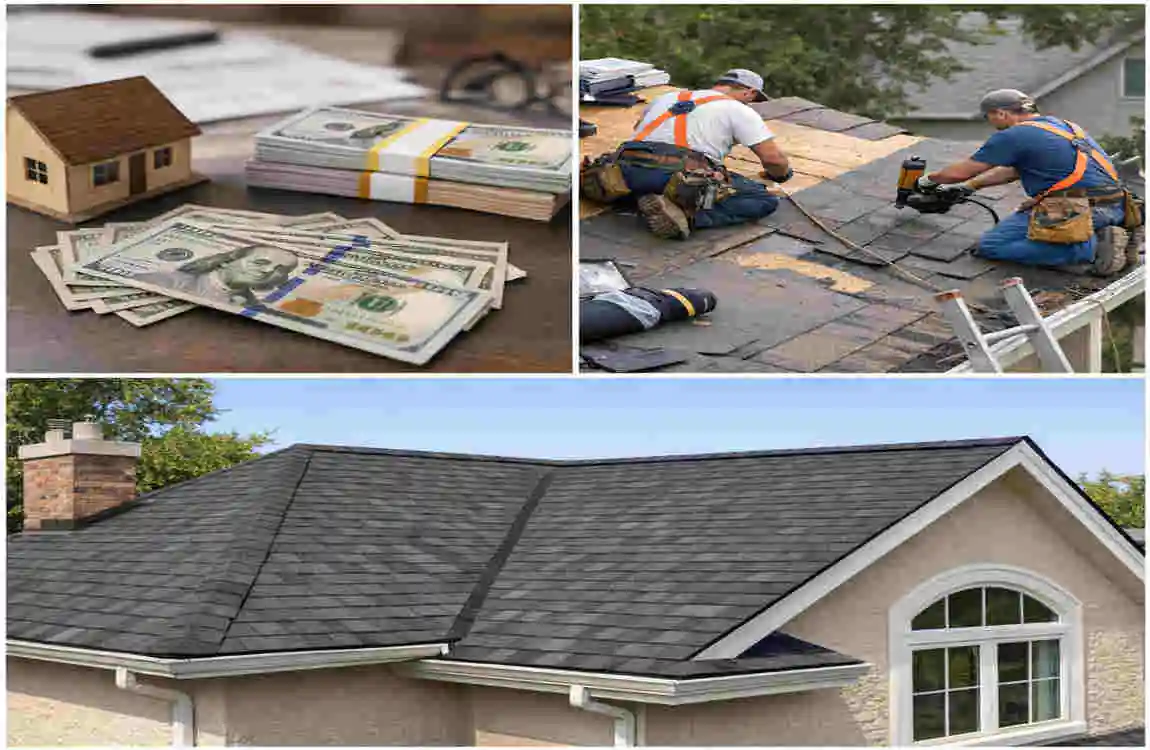
The cost depends on several things, including:
- Roof size
- Material type
- Labor charges
- Roof pitch or slope
- Your location
There can also be hidden costs if the roofer finds damage during inspection. That is why it is smart to ask for a clear estimate before starting the job.
Professional vs DIY Re-Roofing
Re-roofing may look simple, but it can be risky. Roofing work involves working at heights, using tools, and addressing safety concerns. A mistake can lead to leaks, poor installation, or injury.
For that reason, hiring a professional roofer is usually the safer choice. They can inspect the roof, follow local rules, and do the work properly.
FAQ
What is re-roofing in simple words?
It means adding a new roof layer over an old one.
Is re-roofing cheaper than replacement?
Yes, it usually costs less.
How long does re-roofing last?
It can last around 10 to 20 years, depending on the material and weather.
Can every roof be re-roofed?
No. Roofs with major damage or too many layers are not suitable.
Which is better: re-roofing or replacement?
It depends on the roof condition. Re-roofing is best for minor issues, while replacement is best for serious damage.
| Topic | Information |
|---|---|
| Definition | Re-roofing is the process of installing a new layer of shingles over an existing roof without removing the old roofing material. |
| Purpose | Improves the roof’s appearance, extends its lifespan, and fixes minor wear and tear. |
| Best For | Roofs with a single layer of shingles that are generally in good condition and have no major structural damage. |
| Benefits | Lower cost, faster installation, less labor, and reduced waste compared to a full roof replacement. |
| Limitations | Cannot fix underlying roof damage, moisture issues, or significant structural problems. |
| Cost | Typically 20%–40% less expensive than a complete roof replacement. |
| Installation Time | Usually completed within 1–3 days, depending on roof size and complexity. |
| Lifespan | A re-roofed roof can last 15–25 years, depending on materials and maintenance. |
| When Not Recommended | If the roof has multiple existing layers, severe leaks, rot, or extensive damage. |
| Alternative | Full roof replacement, which involves removing old materials and installing a completely new roofing system. |
Related Posts