If you have ever looked up at your roof and noticed dark streaks, green patches, or stubborn grime, you are not alone. Over time, roofs collect dirt, algae, moss, mold, and other buildup that can make a home look older than it really is. That is why roof cleaning matters. It is not only about appearance. It is also about protecting the roof so it lasts longer and performs better.
One of the safest and most effective roof cleaning methods is called soft washing. Many homeowners ask, what exactly is soft-washing a roof and why do people recommend it over heavy pressure cleaning? The simple answer is that soft washing uses low-pressure roof cleaning and specialized cleaning solutions to gently remove buildup without damaging the shingles or tiles.
This method has become popular because it is designed for safe roof cleaning. It helps with roof algae, moss, and even mold removal without the risks often associated with high-pressure washing. If you want your roof to look cleaner, last longer, and keep your home looking cared for, soft washing is worth understanding.
What Exactly Is Soft-Washing a Roof?
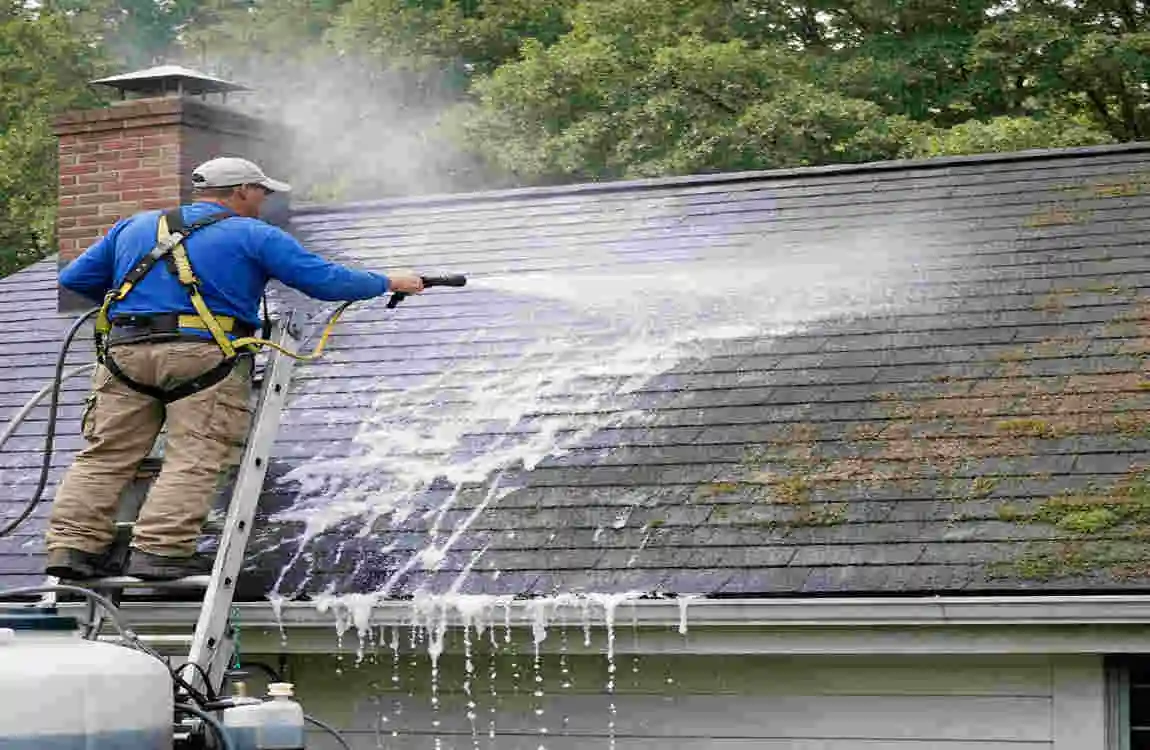
Soft washing is a cleaning method that uses low water pressure and cleaning solutions to break down dirt, algae, moss, mold, mildew, and other organic buildup on a roof. Instead of blasting the surface, the process gently treats the roof, allowing the cleaning solution to do most of the work.
This is very different from pressure washing. Pressure washing uses forceful water, which can be too harsh for many roofing materials. A roof is not a driveway. It is more delicate, and pushing water too hard can loosen shingles, crack tiles, or force water under the roofing layers.
That is why soft wash roof cleaning is often preferred for homes. It is designed for roof surfaces, not for rough concrete or heavy outdoor stains. The cleaning solution kills growth at the root level, so the roof stays cleaner longer. In many cases, this makes professional roof soft washing a better long-term choice than fast but aggressive cleaning.
How Does Roof Soft Washing Work?
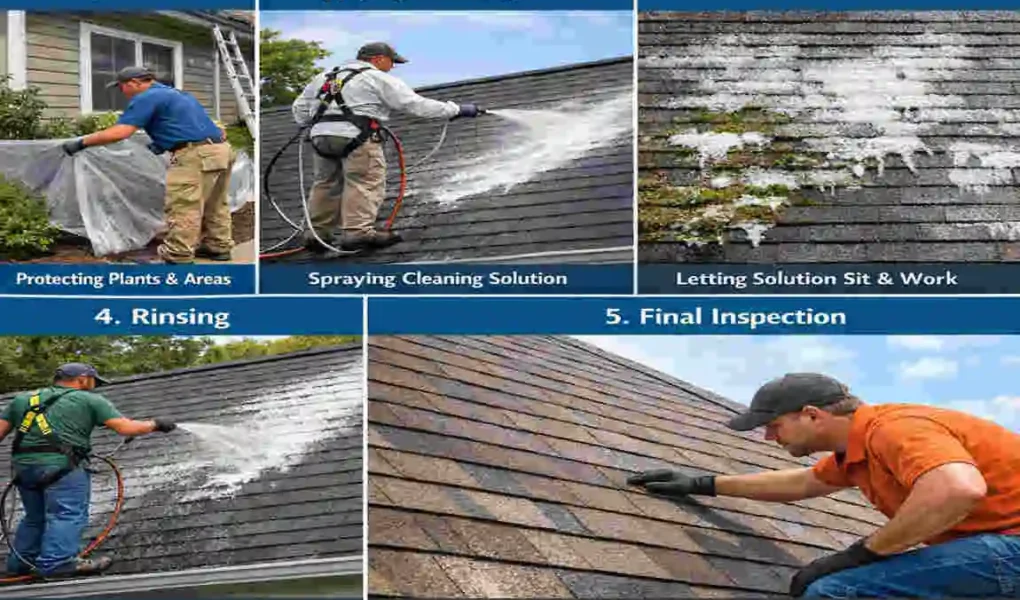
Soft washing follows a careful process. It is not just about spraying a roof and walking away. Each step matters because the goal is to clean the roof while protecting it.
Roof Inspection
The first step is a full roof inspection. The cleaner looks at the roof material, the level of staining, and any signs of damage. This step helps determine the right cleaning solution and the safest way to apply it.
A good inspection also checks for loose shingles, cracked tiles, or weak spots. This matters because roof maintenance starts with understanding the roof’s condition before cleaning begins.
Applying Specialized Cleaning Solution
Next, a special cleaning solution is applied to the roof using low pressure. This solution is made to break down algae, moss, mold, mildew, and dirt. The idea is to let the cleaner soak into the buildup and naturally loosen it.
This is a key part of how to soft-wash a roof. The solution does most of the hard work, so the roof does not need high water pressure to get clean.
Removing Algae, Moss, and Lichen
Once the solution has had time to work, it starts killing the growth on the roof. Roof algae removal is one of the most common reasons homeowners choose this service, especially when black streaks appear on shingles.
Moss and lichen are also treated during this stage. These growths can trap moisture against the roof surface, which may accelerate wear over time. Removing them helps support a healthier roof.
Gentle Low-Pressure Rinse
After the cleaning solution has done its job, the roof is rinsed with low pressure. This rinse removes the loosened dirt and dead growth without damaging the roofing material.
The key here is gentleness. The water is there to rinse, not to force away stains with power. That is why this method is considered a low-pressure roof cleaning method.
Final Inspection
The final step is another inspection. The cleaner checks the roof to make sure the stains are gone and the surface looks even. If a few spots remain, they may be treated again.
This last look also helps catch anything that may need repair. In that way, soft washing supports both cleaning and general roof maintenance.
Benefits of Soft-Washing a Roof
Soft washing offers several clear benefits for homeowners. It is not just about making the roof look better. It also helps protect your home.
One major benefit is that it prevents roof damage. Since there is no harsh water pressure, the risk of loosening shingles or cracking fragile roofing parts is much lower.
It can also extend roof lifespan. Algae, mold, and moss can slowly wear down roofing materials. By removing them, you reduce stress on the roof and help it last longer.
Another benefit is improved appearance. A clean roof can make the whole house look fresher and more cared for. This can improve curb appeal right away.
Soft washing can also help with energy efficiency. Dark algae stains can absorb more heat, which may affect your roof’s performance. A cleaner roof reflects light better and may help support more stable home temperatures.
It may also help protect property value. A roof that looks well-maintained gives buyers confidence. Even if you are not planning to sell soon, keeping the roof in good shape is always a smart move.
Soft Washing vs Pressure Washing
Many homeowners confuse these two methods, but they are very different. The main differences are the amount of pressure applied and how the surface is cleaned.
FeatureSoft WashingPressure Washing
Water Pressure Low High
Roof Safety Excellent Risk of Damage
Cleaning Method Chemical Treatment Forceful Water
Longevity Longer-lasting Shorter-lasting
Best For Roofs Concrete & Driveways
Soft washing is better for roofs because it relies on treatment rather than force. Pressure washing works well on hard surfaces like sidewalks and driveways. Still, it is often too aggressive for shingles, tile, or slate.
Which Roof Types Can Be Soft Washed?
Soft washing works on many common roof types. It is especially useful when the roof surface needs gentle care.
Asphalt Shingles
Asphalt shingles are among the most common roofing materials for homes. They can be damaged by strong pressure, so soft washing is usually the safer choice.
Tile Roofs
Tile roofs can also benefit from soft washing. The gentle process helps clean the surface without cracking the tiles or forcing water into the underlayers.
Metal Roofs
Metal roofs can develop dirt, stains, and organic buildup. Soft washing helps clean them without scratching or stressing the finish.
Slate Roofs
Slate is strong, but it is also natural and can be fragile in some conditions. Soft washing gives it a careful clean.
Cedar Shake Roofs
Cedar shake roofs require special care because the wood can deteriorate over time. Soft washing helps remove buildup while respecting the natural material.
What Stains Does Soft Washing Remove?
Soft washing is effective against many kinds of roof stains and growth. It works especially well on organic buildup.
- Black algae streaks
- Moss
- Lichen
- Mold
- Mildew
- Dirt
- Pollen
- Organic debris
These problems often build up slowly, so homeowners may not notice them at first. But once they spread, they can make the roof look older and may shorten its useful life.
How Often Should You Soft Wash Your Roof?
There is no single rule for every home. The right cleaning schedule depends on your local weather, the amount of shade around your home, and how quickly buildup returns.
In humid regions, roofs often need cleaning more frequently because moisture promotes the growth of algae and moss. Homes surrounded by trees may also require more frequent care due to shade, leaves, and falling debris.
For many homes, cleaning every few years is a common starting point. But the best timing depends on what you see. If you notice dark streaks, green patches, or a dirty look, it may be time for cleaning sooner.
A simple rule is this: if the roof no longer looks clean and the stains keep spreading, do not wait too long. Early cleaning is usually easier and safer than waiting until the growth becomes heavy.
Is Roof Soft Washing Safe?
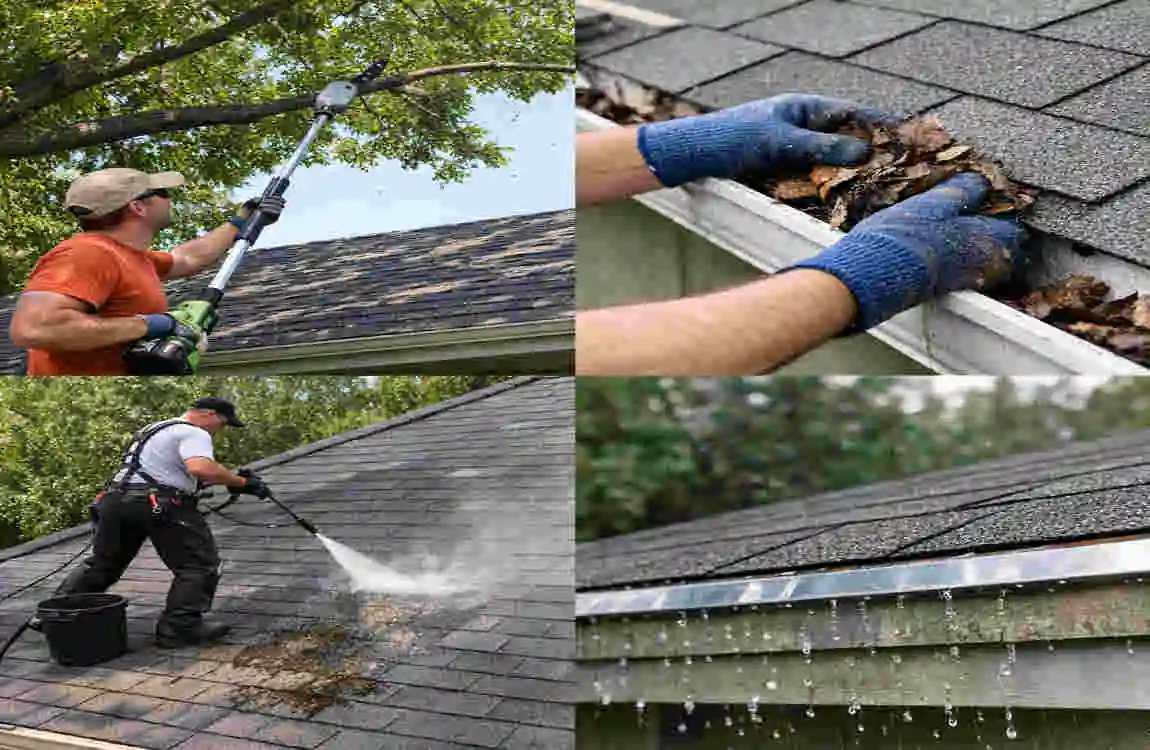
Yes, soft washing is generally considered safe when it is done properly. It is one of the most trusted forms of safe roof cleaning because it uses low pressure and specialized products.
It is safe for roofing materials because it avoids the force that can cause damage. It is also safer for landscaping when the work is done carefully, with proper rinsing and protection around plants.
For pets and family members, safety depends on proper application and drying time. That is why many people choose professional roof soft washing rather than trying to handle it themselves.
Some cleaning products are designed to be more eco-friendly, which helps reduce impact on the environment. Still, the right way to do the job matters just as much as the product itself.
DIY vs Professional Roof Soft Washing
Homeowners often wonder whether they should do the job themselves or hire a pro. Both options have pros and cons.
DIY
Doing it yourself may seem cheaper at first. You may save on labor costs, and you control the schedule.
But there are real risks. Roof work can be dangerous, especially on steep or wet surfaces. You also need the right equipment, the proper cleaning mix, and a safe way to apply it. If you use the wrong pressure or chemicals, you could damage the roof.
Professional Service
Professional cleaners bring experience, better tools, and often insurance. They know how to handle different roof types and can choose the right process for the job.
They usually get better, longer-lasting results because they understand the appropriate cleaning solutions and application methods. For many homeowners, hiring experts for roof cleaning services is the safer and smarter choice.
How Much Does Roof Soft Washing Cost?
The cost of roof cleaning can vary quite a bit. It depends on several factors, including the roof’s size and shape, the roofing material, and the extent of staining.
Factors Affecting Cost
- Roof size: Bigger roofs take more time and materials.
- Roof pitch: Steeper roofs may be harder and more dangerous to clean.
- Roof material: Some surfaces need more careful treatment.
- Amount of staining: Heavy algae or moss buildup can take longer to remove.
- Geographic location: Prices often vary by region and local labor rates.
A roof with light buildup will usually cost less to clean than a roof with thick moss and heavy staining. In general, it is wise to think of this as part of routine roof maintenance rather than an emergency expense.
Tips to Keep Your Roof Clean Longer
Keeping your roof clean after soft washing is easier when you follow a few simple habits.
- Trim overhanging trees so less debris, shade, and moisture reach the roof.
- Clean gutters regularly so water can flow away properly.
- Remove leaves and branches that collect on the roof surface.
- Improve roof ventilation to reduce trapped moisture.
- Schedule routine inspections so small problems do not turn into big ones.
These steps can slow down future buildup and make your roof cleaning last longer.
Common Mistakes to Avoid
Many roof problems happen because people use the wrong cleaning method or wait too long.
One common mistake is using high-pressure washers on a roof. This can strip protective layers and damage shingles or tiles.
Another mistake is ignoring algae growth. Those dark streaks may seem harmless at first, but they often spread and hold moisture.
Walking on fragile roofs can also cause damage. Even careful steps can crack tiles or loosen materials in the wrong spot.
Some people also use harsh chemicals without understanding the risk. Strong products can harm the roof, plants, and surrounding areas.
Finally, delaying maintenance often makes the problem worse. The longer you wait, the harder the cleaning job becomes.
Signs Your Roof Needs Soft Washing
It is usually easy to spot when your roof needs cleaning. Look for these common signs:
- Black streaks
- Green moss patches
- White lichen spots
- Water retention
- Dirty appearance
- Reduced curb appeal
If you notice any of these, your roof may benefit from soft wash roof cleaning soon. These signs do not always mean the roof is failing, but they do mean it needs attention.
Frequently Asked Questions
What exactly is soft-washing a roof?
Soft washing is a low-pressure roof-cleaning method that uses specialized cleaning solutions to remove dirt, algae, moss, mold, and mildew from a roof without damaging it.
Is soft washing better than pressure washing?
For roofs, yes, it is usually better. Soft washing is safer for roofing materials, while pressure washing can cause damage.
How long does roof soft washing last?
It depends on weather, tree cover, and roof type. In many cases, results can last for years when the roof is properly maintained.
Can soft washing damage shingles?
When done correctly, it should not. In fact, it is designed to be a safe roof cleaning option for shingles.
How often should a roof be soft washed?
Many roofs benefit from cleaning every few years, but humid climates or shaded areas may need it sooner.
| Aspect | Information |
|---|---|
| What Is Soft-Washing? | Soft-washing is a roof cleaning method that uses low-pressure water combined with specialized cleaning solutions to remove dirt, algae, moss, mold, mildew, and lichen. |
| Water Pressure | Uses low pressure (typically under 500 PSI), making it much gentler than pressure washing. |
| Best For | Asphalt shingles, tile roofs, cedar shakes, slate, and other delicate roofing materials. |
| Main Benefits | Cleans thoroughly, prevents roof damage, extends roof lifespan, and improves curb appeal. |
| How It Works | Cleaning agents kill organic growth at the root before the roof is gently rinsed with low-pressure water. |
| Removes | Black algae streaks, moss, lichen, mold, mildew, dirt, pollen, and other stains. |
| Advantages | Safe for most roofs, longer-lasting results, energy-efficient, and reduces the chance of shingle damage. |
| Compared to Pressure Washing | Soft-washing cleans without damaging roofing materials, while high-pressure washing can loosen shingles and shorten roof life. |
| Recommended Frequency | Every 2–5 years, depending on climate, surrounding trees, and roof condition. |
| Professional or DIY? | Professional soft-washing is recommended to ensure proper chemical use, safety, and effective cleaning results. |
Related Posts