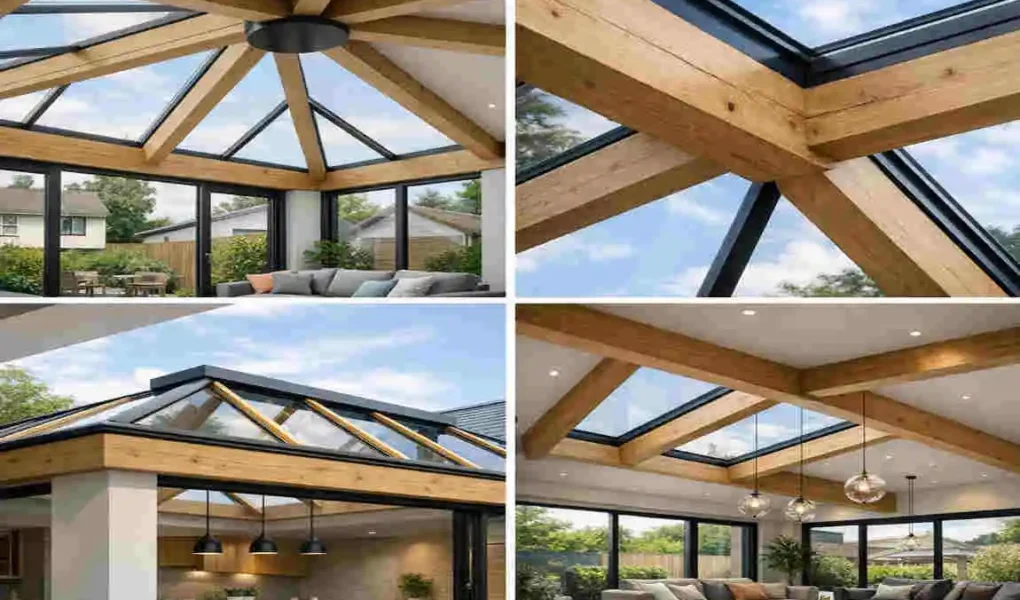
Timber conservatory roof details can completely change how a conservatory looks, feels, and performs. A timber roof brings natural warmth, strong structure, and a timeless style that works well in both modern and traditional homes.
Many homeowners choose timber because it feels more welcoming than metal or plastic finishes. It also blends well with the home’s main design, making the conservatory look like a real part of the house rather than an add-on.
Choosing the right roof details matters because the roof affects comfort, light, insulation, and long-term durability. If you get the details right, your conservatory can feel bright in summer, cozy in winter, and beautiful all year round.
What Is a Timber Conservatory Roof?
Basic structure and purpose
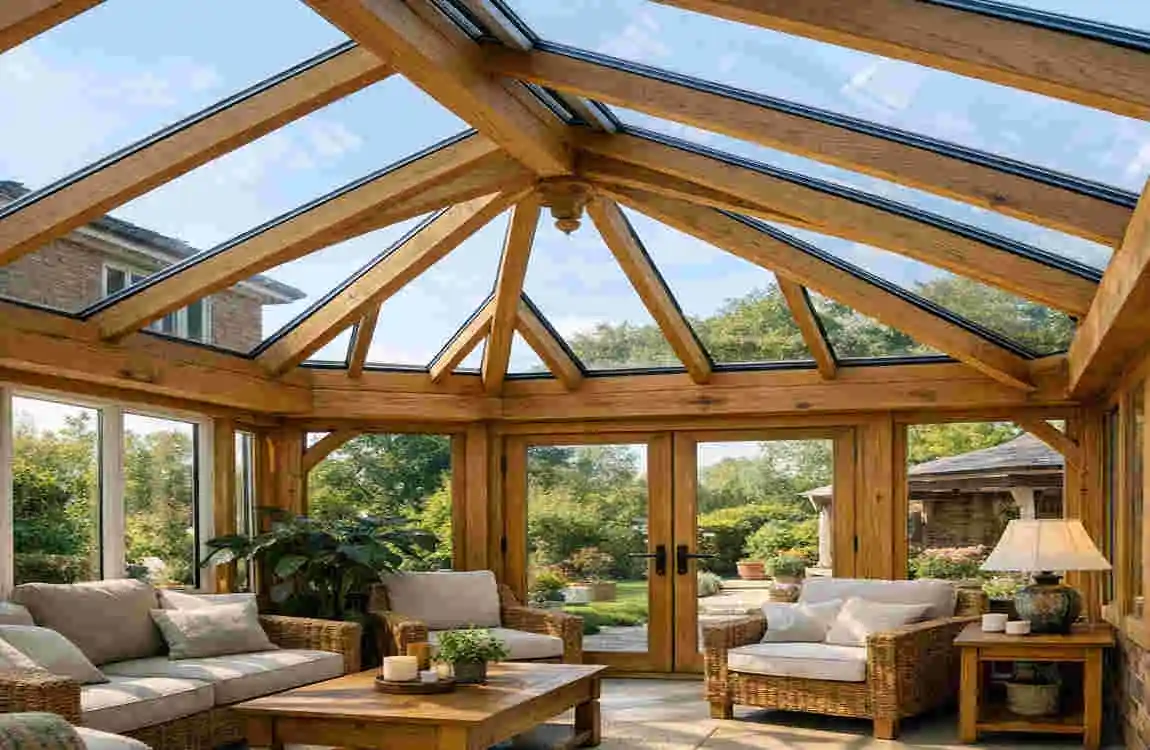
A timber conservatory roof is the top frame and covering made with wood-based materials. It supports the roof shape, holds glazing or panels in place, and helps control weather, light, and temperature.
Its main job is simple: protect the space below while still letting the conservatory feel open and bright.
Common timber materials used
Timber roofs are often made from oak, cedar, engineered timber, or treated softwood. Each type has different strengths, looks, and price levels.
The best choice depends on your budget, your home’s style, and how much maintenance you want to handle over time.
How timber differs from uPVC and aluminium
Compared with uPVC and aluminium, timber has a softer, more natural appearance. It also gives the roof a warmer and more classic look.
While other materials may need less care, timber often feels more premium and suits homes where style matters just as much as function.
Main advantages for homeowners
- Natural appearance that suits many home styles
- Strong structure when properly built
- Good insulation potential
- Flexible design options
- Long-lasting value with regular care
Best Timber Conservatory Roof Details for Modern Homes
Rafters and ridge details
Rafters are the angled beams that support the roof. The ridge is the top line where the roof slopes meet. These details matter because they shape the whole look of the conservatory.
Thin, clean rafters can make the roof feel light and modern. Thicker exposed rafters create a more traditional and handcrafted feel.
Roof pitch and structural design
The roof pitch is the angle of the roof. A good pitch helps rain run off properly and improves the overall appearance.
A steeper pitch can make the conservatory look more elegant and spacious. A lower pitch may feel more modern, but it still needs proper planning to manage water and heat.
Timber framing styles
Timber frames can be simple or highly decorative. Some homeowners prefer a minimalist look with straight, clean lines. Others like visible beams that show the natural grain of the wood.
The best style is the one that matches your home and the atmosphere you want to create.
Glazing panels and roof windows
Glazing panels bring in daylight and help the space feel open. Roof windows can also improve airflow and make the room more comfortable in warmer months.
If you want a brighter room, use more glass. If you want more shade and privacy, use a balanced mix of timber and glazing.
Decorative finishing details
Small finishing touches make a big difference. These may include painted beams, stained wood, trim details, or hidden gutters.
These features help the roof look polished and complete instead of plain or unfinished.
Types of Timber Used for Conservatory Roofs
Oak timber
Oak is strong, durable, and beautiful. It has a rich natural look that feels classic and high-end.
It is a great option if you want a roof that makes a strong visual statement and lasts for a long time.
Cedar timber
Cedar is lighter than oak and naturally resistant to moisture and insects. It also has a warm colour that works well in many modern homes.
It is often chosen for its balance of beauty and practical performance.
Engineered timber
Engineered timber is made by combining layers of wood for strength and stability. It is less likely to twist or warp than some solid woods.
This makes it a smart choice for homeowners who want reliable performance with a clean, modern finish.
Pressure-treated softwood
Pressure-treated softwood is more affordable and still useful when properly protected. It is treated to resist moisture and decay.
If you are looking for a more budget-friendly option, this can be a practical solution.
Insulation and Energy Efficiency
Why roof insulation matters
A conservatory can become too hot in summer or too cold in winter if the roof is not insulated well. Good insulation helps keep the temperature more stable.
This makes the room easier to use every day, not just in mild weather.
Preventing heat loss in winter
Timber roofs can work very well with insulated panels and quality glazing. These features help stop warm air from escaping too quickly.
That means the room stays more comfortable and can be used more often during colder months.
Reducing overheating in summer
Summer heat can build up fast in conservatories. To reduce this, many homeowners use insulated roofing sections, roof vents, or special glazing that limits heat gain.
A well-designed roof should protect the room from both cold and excessive heat.
Suitable materials for comfort
The best timber conservatory roof details often include:
- Insulated roof panels
- Double or triple glazing
- Weather seals
- Ventilation options
These features work together to improve year-round comfort.
Improving everyday use
When the roof is insulated properly, the conservatory feels more like a true living space. You can use it for reading, dining, working, or relaxing without worrying too much about the weather outside.
Design Ideas for a Modern Timber Conservatory Roof
Traditional timber beam designs
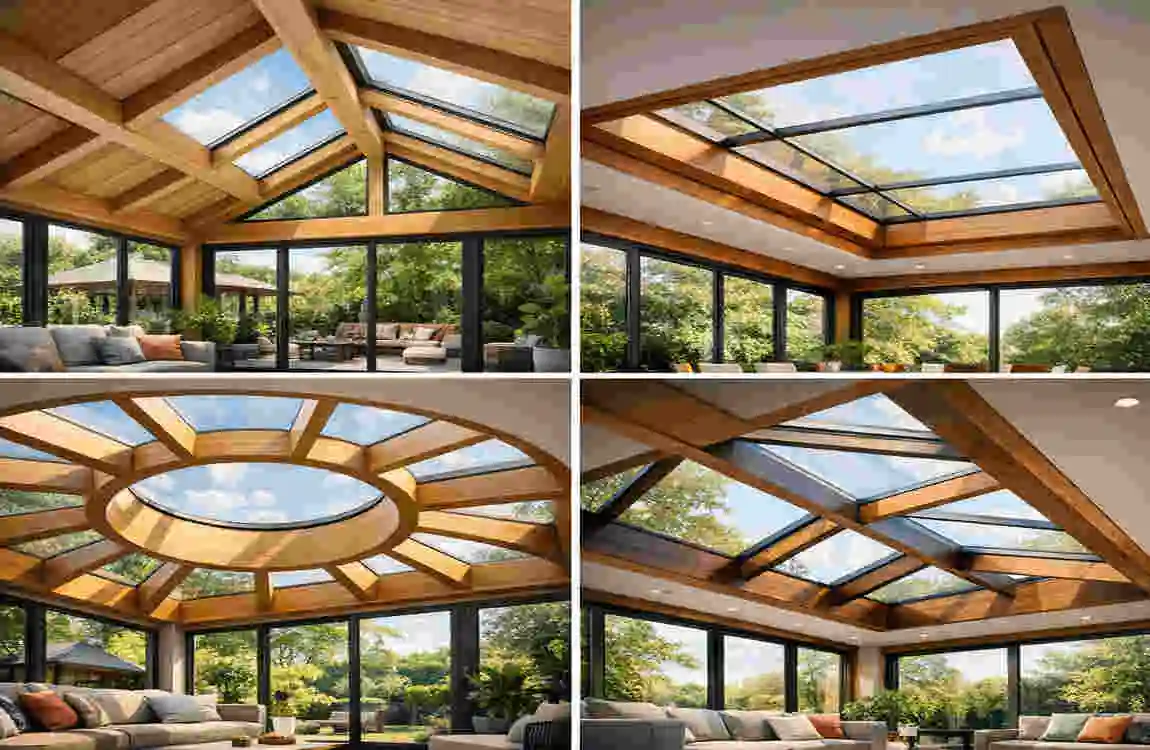
If you like a classic look, exposed timber beams can create a warm and welcoming feel. They bring character and make the roof look well-crafted.
This style works especially well in period homes or houses with traditional features.
Contemporary minimalist frames
For a modern home, slim and simple timber framing often works best. Clean lines and lighter finishes keep the conservatory looking fresh and open.
This style feels calm, neat, and easy to pair with modern furniture.
Exposed timber details
Exposed timber can become a design feature in its own right. The wood grain adds texture and gives the room a natural feel.
You do not need many extras when the roof itself already looks strong and attractive.
Timber and glass combinations
Mixing timber with glass can create a balanced look. The wood adds warmth, while the glass brings light and openness.
This is one of the most effective ways to make a conservatory feel bright without losing character.
Match the roof to the home.
A conservatory should feel connected to the rest of the house. Try to match the timber tone, roof shape, and finish with the existing style of the home.
That way, the conservatory looks planned rather than added later.
Installation, Maintenance, and Common Problems
Why professional installation matters
Timber conservatory roofs need proper fitting. A poor installation can lead to leaks, heat loss, or structural problems.
A professional installer helps make sure the roof is safe, weatherproof, and built to last.
Weatherproofing and sealing
Sealing is very important. It protects the timber from moisture and helps stop drafts and leaks.
Good weatherproofing also improves the roof’s energy performance and overall lifespan.
Protecting timber from moisture and insects
Timber needs care to stay in good condition. Protective treatments can help prevent rot, mould, and insect damage.
This is especially important in places with frequent rain or changing weather.
Regular cleaning and inspections
A timber roof should be checked from time to time. Look for signs of wear, cracked seals, or water spots.
Simple cleaning and regular checks can prevent bigger problems later.
Common problems to watch for
- Leaks from poor sealing
- Rot from trapped moisture
- Warping from structural movement
- Discolouration from weather exposure
Catching these early can save time and money.
Cost and Choosing the Right Timber Conservatory Roof
What affects the cost
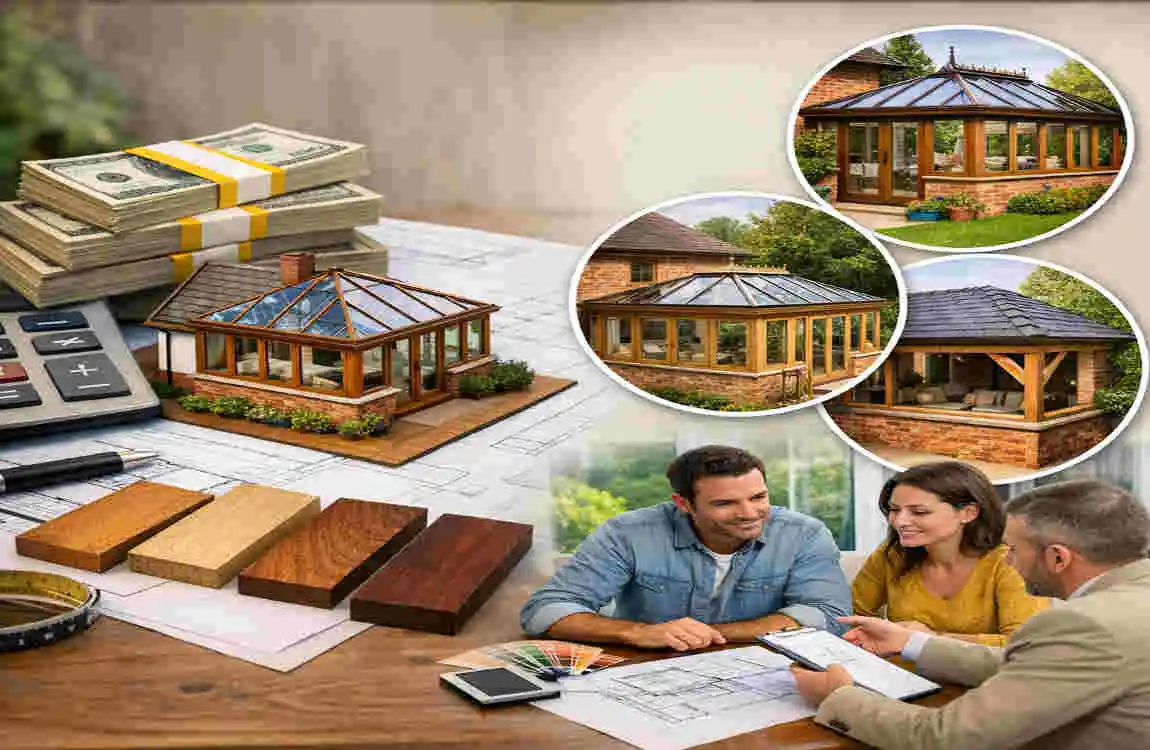
Several things can change the price of a timber conservatory roof. These include the timber type, roof size, glazing options, insulation level, and custom detailing.
A more detailed roof usually costs more but may also provide better comfort and appearance.
Installation and maintenance costs
Do not just think about the starting price. You should also think about long-term care.
A cheaper roof may need more repairs later, while a better-built timber roof may offer stronger value over time.
When to use a specialist
If your project is large, custom, or structurally complex, a conservatory roof specialist is the safest choice. They can help you choose the right materials and make sure the roof meets your needs.
That support can make a big difference in the final result.
Frequently Asked Questions
Are timber conservatory roofs durable?
Yes. High-quality and properly treated timber can last for many years and perform very well.
What is the best timber for a conservatory roof?
Oak, cedar, and engineered timber are popular choices because they offer strength, beauty, and good durability.
How long does a timber conservatory roof last?
With proper installation and regular maintenance, it can last for many decades.
Do timber conservatory roofs need regular maintenance?
Yes. Cleaning, inspections, and protective treatments help prevent moisture damage and other issues.
Are timber conservatory roofs energy efficient?
Yes, they can be. Good insulation, quality glazing, and proper sealing all help improve energy performance.
| Roof Detail | Why It Matters |
|---|---|
| Timber Frame | Adds natural beauty, strength, and classic character. |
| Roof Pitch | Supports efficient water drainage and a balanced modern look. |
| Glazing Panels | Bring in natural light while improving insulation. |
| Insulation | Helps maintain a comfortable temperature throughout the year. |
| Ventilation | Reduces condensation and prevents overheating. |
| Weatherproofing | Protects the roof from rain, wind, and moisture damage. |
| Finishing Details | Quality trims and finishes improve durability and appearance. |
Related Posts