If you are planning a roof repair or replacement, you will likely hear the term roofing square. At first, it may sound confusing, but the idea is actually very simple.
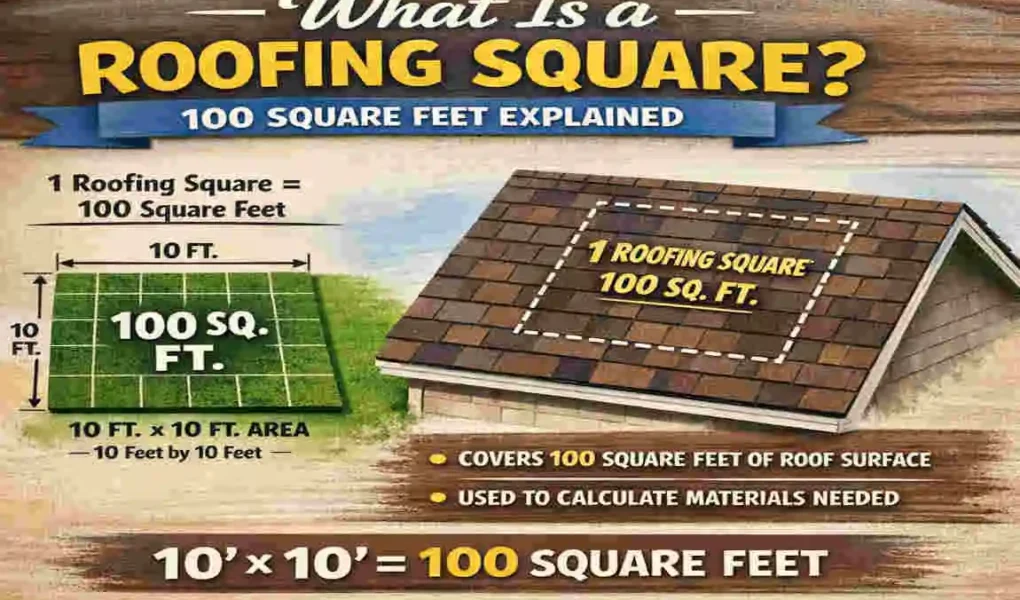
A roofing square is a standard roofing measurement equal to 100 square feet of roof area. Roofers use this unit because it makes estimating materials, labour, and cost much easier.
Understanding this measurement can help you talk more clearly with contractors, compare quotes, and avoid buying too much or too little material. It also gives you a better idea of how big your roof really is.
What Is a Roofing Square?
Roofing Square Definition
A roofing square is a unit used in the roofing industry to measure roof area.
One roofing square always equals 100 square feet.
This is different from regular home measurements, where people usually talk in square feet. Roofers prefer squares because they make large roof projects easier to estimate and discuss.
Why Does One Roofing Square Equal 100 Square Feet?
The roofing industry uses this standard to keep measurements simple and consistent. Instead of saying a roof is 2,300 square feet, a roofer can say it is 23 squares.
That is easier to work with when calculating shingles, underlayment, labour, and waste. It also creates a common language between contractors, suppliers, and installers.
Understanding the 100 Square Feet Definition
What Counts as 100 Square Feet?
One roofing square equals a flat area measuring 10 feet by 10 feet.
That equals:
- 10 ft × 10 ft = 100 sq ft
You can picture it as a small room, a garage section, or a simple flat roof area. Even though roofs are often sloped, the roofing square still refers to surface area, not just the ground below it.
Roofing Square vs Square Foot
These two terms are related, but they are not the same.
MeasurementDefinitionExample
Square foot : One foot by one foot 1 sq ft
Roofing square : 100 square feet 1 roofing square
So, 1 roofing square = 100 square feet, while 1 square foot = 1 square foot.
This difference is important when you are estimating materials.
Why Roofers Use Roofing Squares
Easier Material Estimates
Roofing squares make it easier to figure out how many shingles or panels are needed. Instead of counting every single square foot, roofers can break the roof into simple units.
Faster Cost Calculations
Contractors often price materials and labour by the square foot. That makes it quicker to create a quote and compare different roof sizes.
Standard Industry Measurement
Because everyone in roofing uses the same standard, communication becomes smoother. A supplier knows what 20 squares means right away.
Better Communication Between Contractors and Suppliers
When everyone uses the same measurement, mistakes are less likely. This helps avoid delays, shortages, and confusion during the project.
How to Calculate Roofing Squares
Measure Roof Length
Measure the full length of the roof section.
Measure Roof Width
Measure the width of the same section.
Calculate Total Square Footage
Multiply length by width.
For example:
- 40 feet × 50 feet = 2,000 square feet
Divide by 100
Now divide the total by 100.
- 2,000 ÷ 100 = 20 roofing squares
Example Calculation
If your roof is 2,000 square feet, then:
- 2,000 ÷ 100 = 20 squares
So the roof is 20 roofing squares before adding extra material for waste, pitch, or design complexity.
Roofing Square Formula
The basic formula is:
Roofing Squares = Total Roof Area ÷ 100
Worked Example
If a roof is 1,500 square feet:
- 1,500 ÷ 100 = 15 roofing squares
If the roof is 2,500 square feet:
- 2,500 ÷ 100 = 25 roofing squares
Tips to Avoid Mistakes
- Measure the full roof, not just the inside floor space
- Add extra material for waste
- Remember that steep roofs need more material
- Double-check your numbers before ordering
Roofing Squares Chart
Here is a simple chart to make things easier:
Roof Size (Sq Ft)Roofing Squares
500 5
800 8
1,000 10
1,500 15
2,000 20
2,500 25
3,000 30
This chart is useful when you want a quick estimate without doing the full calculation each time.
Roofing Materials Needed Per Square
Different roofing materials vary in cost and weight per square, but the measurement still starts with 100 square feet.
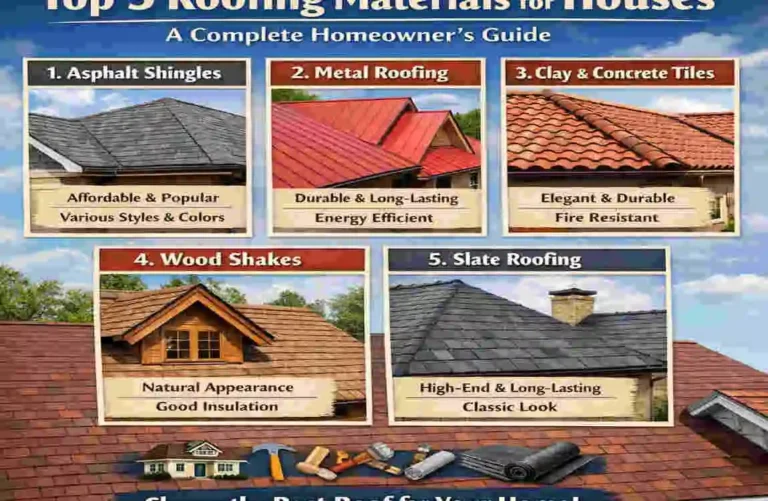
Asphalt Shingles
Most asphalt shingles require about 3 bundles per roofing square. This is one of the most common roofing materials for homes.
Metal Roofing
Metal panels are often sold by square footage, but roofers still use squares for estimating larger projects.
Wood Shakes
Wood shakes can be heavier and may need special planning. Coverage is still measured using the roofing square system.
Slate Roofing
Slate is more expensive and heavier than many other options. It also requires careful measuring and professional installation.
Clay Tiles
Clay tiles are durable and attractive, but they are heavier and often need extra framing support. Roofing squares help estimate how much tile is needed.
Roofing Square and Material Costs
Several things affect roofing cost:
Material Pricing
Some materials cost more per square foot than others. Asphalt is usually cheaper, while slate or tile is more expensive.
Labor Pricing
Labour often depends on the roof’s size and difficulty.
Waste Factor
Most roofs need extra material for cutting and fitting. Contractors often add 10% to 15% more.
Roof Pitch
A steep roof usually takes more time and care, which can increase labour costs.
Complexity
Roofs with many corners, valleys, chimneys, or dormers are more difficult to install.
Local Labor Rates
Prices also vary by location, so that the same roof may cost more in one area than in another.
Common Roofing Square Examples
Small Home
A small home might have a roof size of around 1,000 square feet, which is about 10 squares.
Medium-Sized Home
A medium home might need around 15 to 25 square feet, depending on shape and pitch.
Large Residential Property
A larger home may require 30 or more square feet.
Garage Roof
A simple garage roof might only be 3 to 5 squares.
Factors That Affect Roofing Square Calculations
Roof Pitch
The steeper the roof, the greater its surface area. That means more material is needed.
Valleys and Hips
These roof features add complexity and may increase waste.
Dormers
Dormers create extra angles and small sections that are harder to measure.
Chimneys
A chimney means more cutting and fitting around the opening.
Skylights
Skylights also require extra care and material around the edges.
Waste Percentage
Waste happens when shingles or panels are trimmed to fit. Most projects need a little extra material to cover that.
Common Mistakes When Measuring Roofing Squares
Measuring Only Floor Space
The floor space of your house is not the same as the roof area.
Ignoring Roof Slope
A sloped roof has more surface area than a flat roof.
Forgetting Waste
If you do not add waste, you may run short on materials.
Incorrect Conversions
Always remember that 1 roofing square = 100 square feet.
Using Outdated Plans
Old plans may not reflect roof changes made over the years.
Tips for Accurate Roofing Measurements
- Measure twice
- Use aerial measurement tools when possible
- Include roof pitch
- Account for overlaps
- Hire professionals for complex roofs
These steps help reduce errors and make your estimate more reliable.
Benefits of Understanding Roofing Squares

Knowing how roofing squares work gives you several advantages:
- Better budgeting
- Easier contractor communication
- More accurate material purchases
- Less waste
- Better project planning
When you understand the basic unit, you can make smarter roofing decisions.
Frequently Asked Questions
What is a roofing square?
A roofing square is a roofing industry unit equal to 100 square feet of roof surface.
Why is a roofing square 100 square feet?
It is the standard unit used in roofing to make estimating easier and more consistent.
How many bundles of shingles are in one roofing square?
Most asphalt roofs need 3 bundles per square.
How do I calculate roofing squares?
Take the total roof area in square feet and divide by 100.
Does roof pitch affect roofing squares?
Yes. The roof still measures in squares, but a steeper pitch usually needs more material and labour.
Is a roofing square the same as a square foot?
No. One roofing square equals 100 square feet.
How many roofing squares does a 2,000-square-foot roof have?
About 20 roofing squares.
Should I add extra roofing material?
Yes. Contractors usually add 10% to 15% extra for waste and cutting.
| Topic | Details |
|---|---|
| What Is a Roofing Square? | A roofing square is a standard unit of measurement used in the roofing industry. One roofing square equals 100 square feet (sq. ft.) of roof surface. |
| Why It’s Used | Roofing contractors use squares to estimate roofing materials, labor costs, and project size more efficiently. |
| Square Formula | Roof Area (sq. ft.) ÷ 100 = Number of Roofing Squares |
| Example | A roof measuring 2,000 sq. ft. equals 20 roofing squares (2,000 ÷ 100 = 20). |
| Typical Material Coverage | One roofing square typically covers 100 sq. ft. of shingles or other roofing materials (before accounting for waste). |
| Waste Allowance | Add 10–15% extra material for roof cuts, valleys, hips, and installation waste. Complex roofs may require more. |
| Common Uses | Estimating shingles, underlayment, roofing felt, flashing, labor, and overall project costs. |
| Who Uses It? | Roofing contractors, builders, home inspectors, insurance adjusters, and homeowners. |
| Key Benefit | Using roofing squares simplifies measurements and makes comparing roofing estimates easier. |
Related Posts