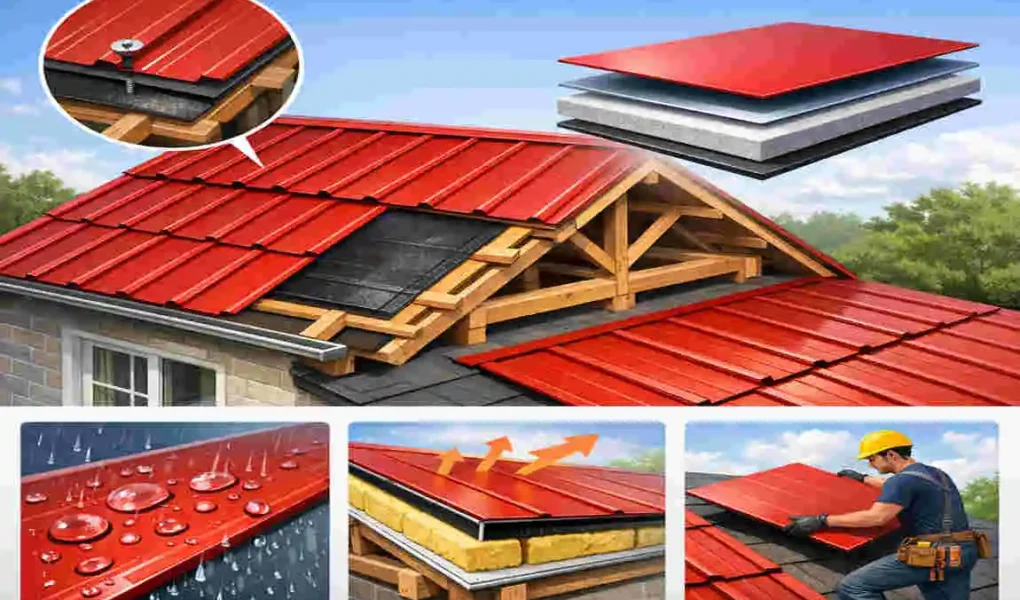
An aluminum composite roof panel at home is a modern roofing choice that many homeowners are starting to notice. It looks clean, feels lightweight, and offers strong protection when designed and installed correctly.
At its core, this type of panel typically consists of two thin aluminum layers with a composite inner core. That mix helps create a roof material that is lighter than many traditional roofing options, yet still firm and durable.
If you are thinking about a roof upgrade, you may want something that is low maintenance, weather-resistant, and visually modern. That is why aluminum composite roofing often comes up in home improvement plans.
What Is an Aluminum Composite Roof Panel?
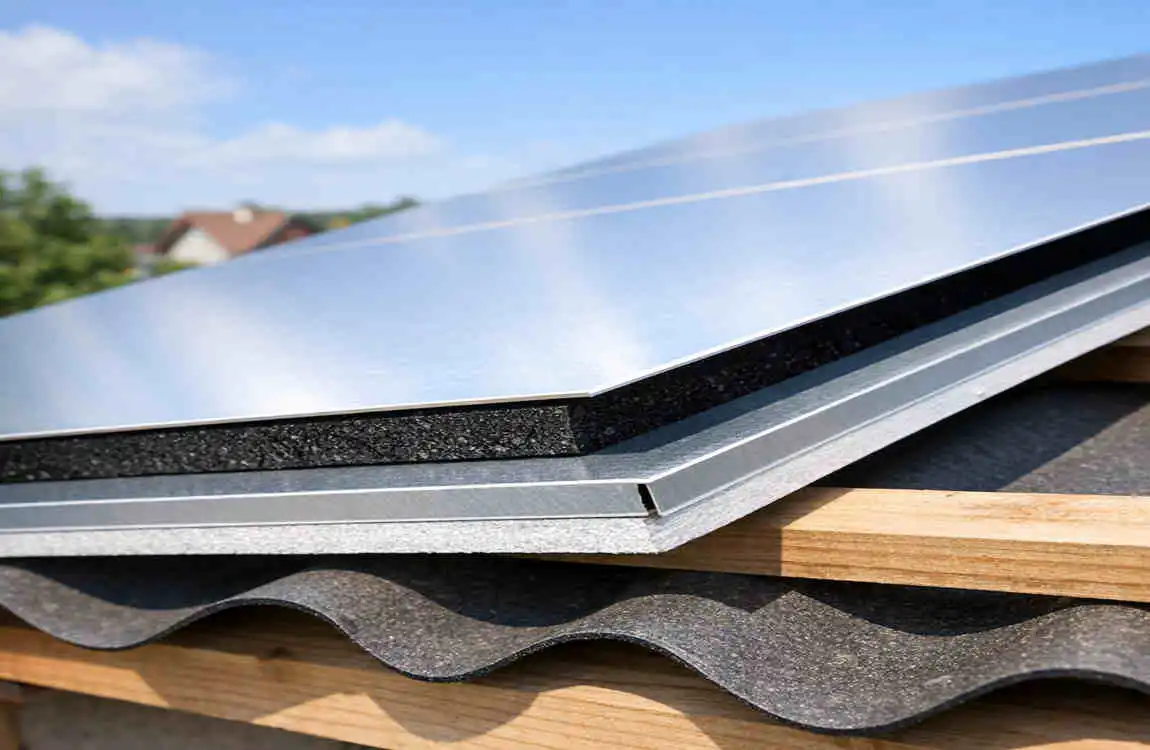
Basic Construction and Materials
An aluminum composite roof panel is made with an aluminum outer layer and a core material in the middle. This layered structure helps the panel stay strong without becoming too heavy.
That is one of the biggest differences between composite panels and older roofing sheets. Traditional metal sheets may be simple and strong, but composite panels are often built to offer a more finished look and better performance in certain systems.
The exact core can vary by product. That is why it is important to check whether the panel is truly made for roofing use, not just wall cladding or decorative work.
How These Panels Work as Roofing
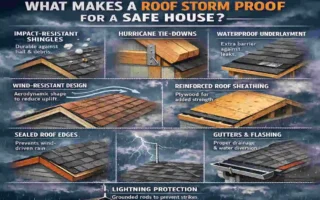
As a roof covering, these panels help protect your home from rain, wind, sun, and everyday weather exposure. They are most effective when they are part of a complete roofing system, not used as a standalone layer.
Good roof design matters here. You need the right slope, proper flashing, good drainage, and correct sealing. Without those details, even a strong panel can fail to perform well.
Aluminum Composite Panels vs. Other Roofing Materials
Here is a simple comparison to help you understand where these panels fit:
Roofing MaterialMain BenefitMain Limitation
Aluminum composite roof panel Lightweight, modern look, low maintenance Can be more expensive and needs proper installation.
Asphalt shingles Lower upfront cost, common and familiar Shorter lifespan and heavier maintenance
Standing-seam metal Strong and durable Higher installation cost
Clay or concrete tile Long-lasting and attractive Very heavy and may need extra structural support
This shows that aluminum composite roofing is often chosen for its appearance, light weight, and clean finish.
Benefits of Using an Aluminum Composite Roof Panel at Home
Lightweight Roofing Solution
One of the biggest advantages is weight. Compared with some roofing materials, aluminum composite panels are much lighter.
That can reduce the load on the house structure. Even so, you should never assume the roof framing is ready without checking it first. A roof may still need a structural review before installation.
Durability and Weather Resistance
Aluminum does not rust the way steel does, which is a major plus. With the right coating, these panels can also handle moisture and outdoor exposure well.
Still, quality matters. A better finish usually means better protection over time. In harsh weather areas, the coating and installation details make a big difference.
Modern Appearance
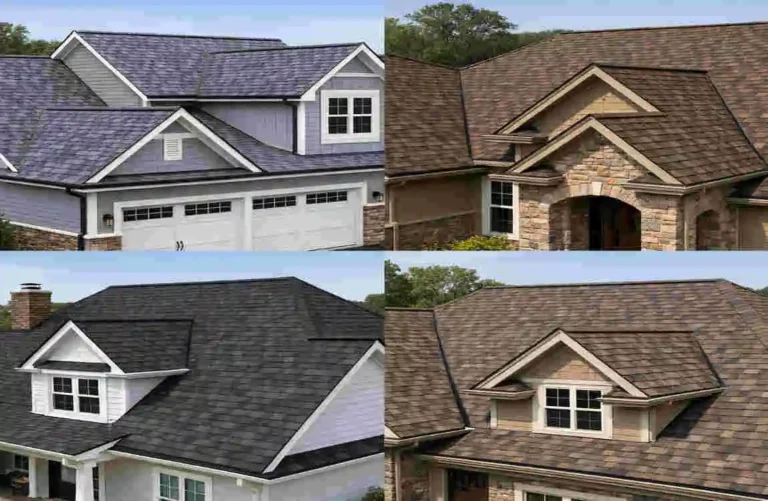
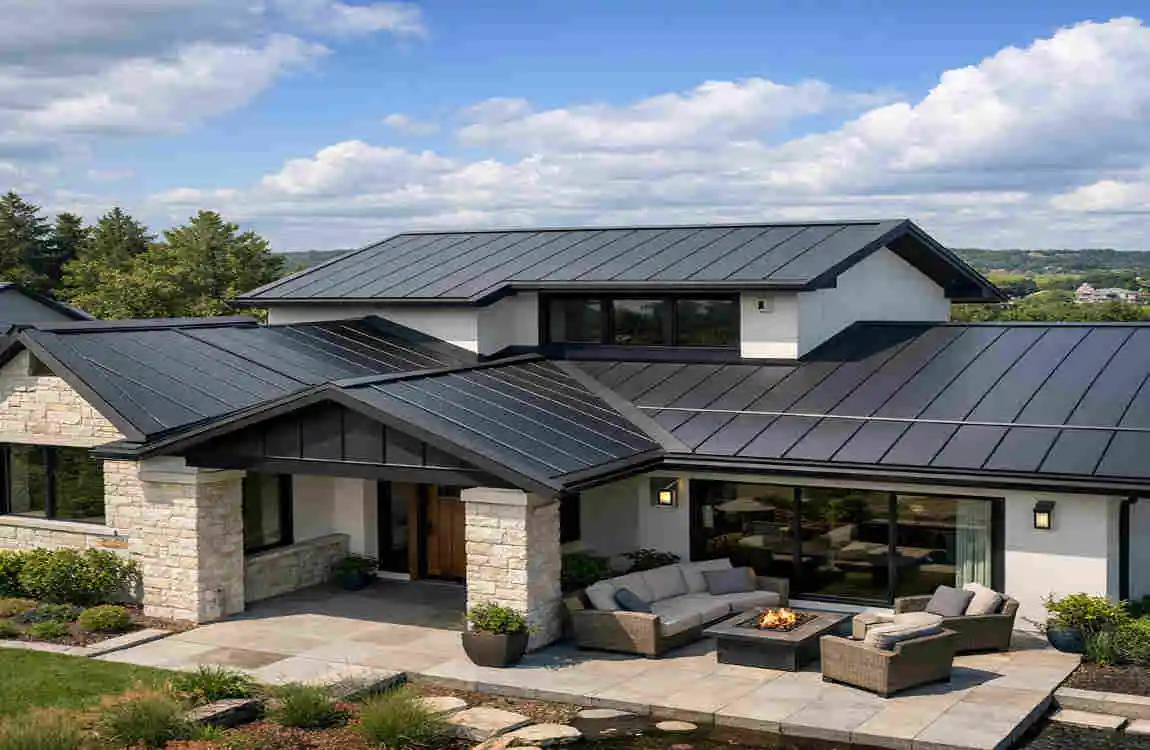
Many homeowners like the sleek look of these panels. They often come in clean lines, smooth finishes, and modern colors.
If your home has a contemporary or minimalist style, this roofing option can fit the design very well. It can also give older homes a fresh, updated feel.
Low Maintenance
A major reason people choose aluminum composite roofing is simple upkeep. In many cases, you only need basic cleaning and routine inspection.
That means checking for dirt buildup, loose joints, clogged gutters, and small issues around flashing. Small checks can prevent bigger repair problems later.
Energy and Insulation Considerations
Aluminum by itself does not automatically make a roof energy efficient. What matters more is the full roof system.
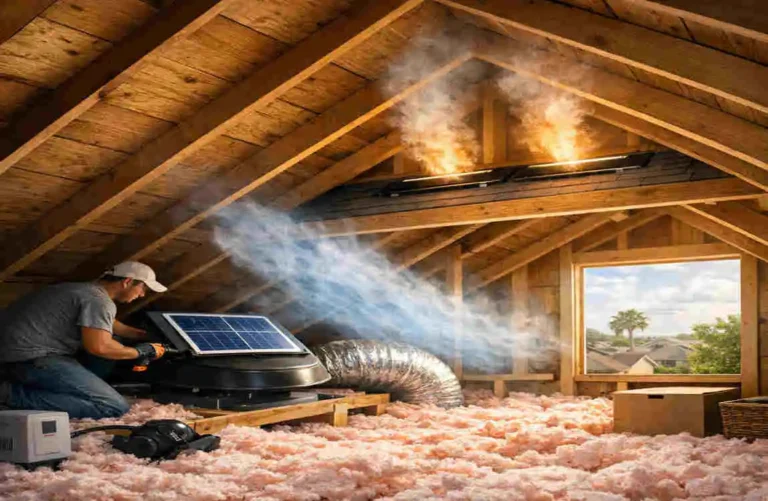
A reflective finish, good attic insulation, and proper ventilation can all improve comfort inside the home. So, when you think about energy performance, look at the whole roof, not just the panel.
Quick Benefits List
- Lightweight for easier handling and less roof load
- Modern appearance with attractive finishes
- Low maintenance when installed correctly
- Good weather resistance with proper coatings
- Flexible design use for contemporary homes
How to Install an Aluminum Composite Roof Panel at Home
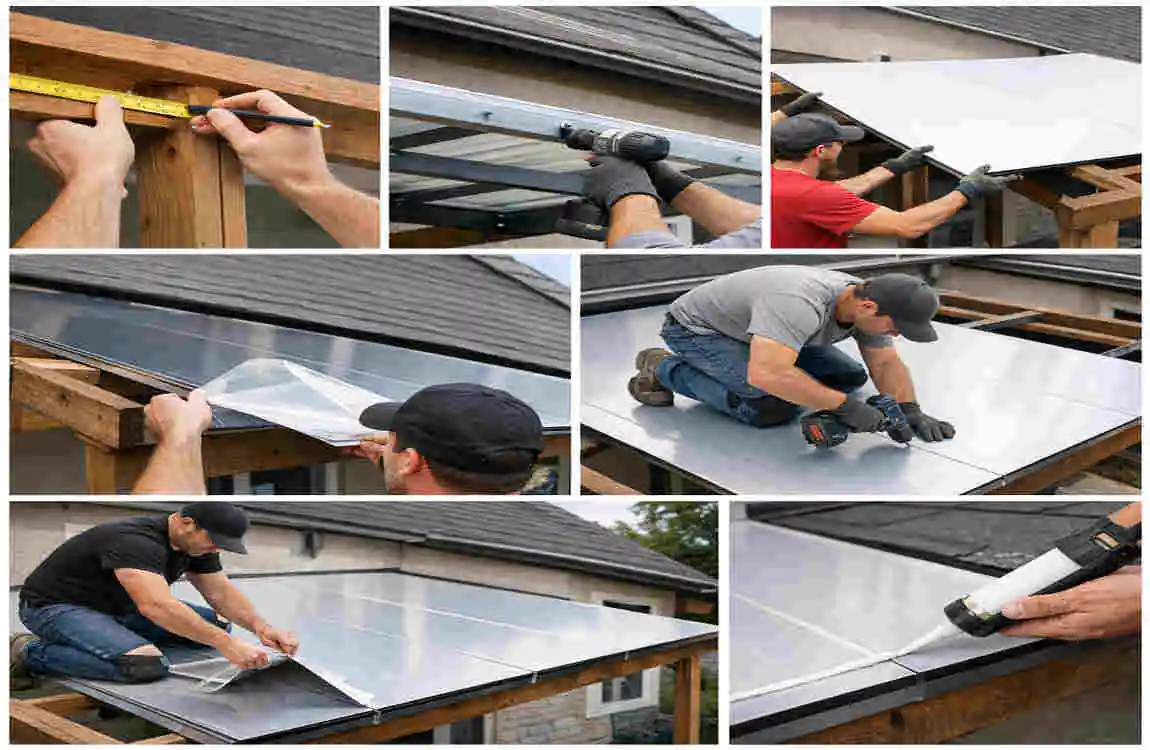
Check the Existing Roof Structure
Before installation, the roof structure should be inspected. You need to know if the framing is sound, if there is moisture damage, and whether the slope is suitable.
A weak structure can cause serious problems later. This is one of the biggest reasons professional assessment is so important.
Prepare the Roof Surface
The roof surface must be prepared carefully. That usually includes underlayment, flashing, and drainage planning.
A good waterproof layer helps protect the house if water gets past the outer roofing surface. Preparation is not the place to rush.
Measure and Plan Panel Placement
Accurate measurements matter a lot. Panels must fit the roof layout properly, and you must allow for overlaps, expansion, contraction, and water flow.
Poor planning can lead to gaps, uneven lines, and leaks. A clean layout also makes the final roof look much better.
Secure the Panels Correctly
Panels should be fixed with the right fasteners, trims, and joints for the specific roofing system. Different products may require different methods.
This is why installation instructions should always be followed closely. A panel system is only as good as its installation.
Seal Edges and Roof Penetrations
Areas around chimneys, vents, skylights, and pipes need careful sealing and flashing.
Do not rely only on sealant where proper flashing is needed. Flashing gives stronger, longer-lasting protection around openings.
Professional Installation vs. DIY
Some homeowners may want to install panels themselves, but roofing is not always a safe DIY project. Complex roofs, steep slopes, or structural concerns usually call for a professional.
Poor installation can cause leaks, panel movement, noise, or premature failure. In most cases, professional help is the safer choice.
Cost, Maintenance, and Lifespan Considerations
What Affects Cost?
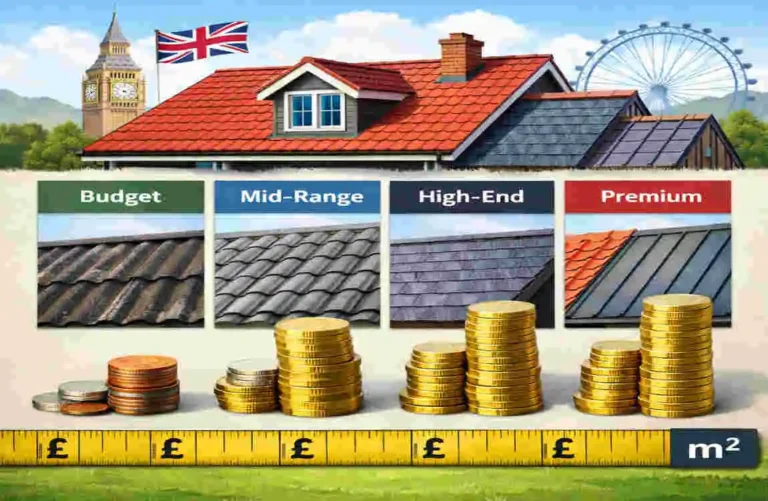
The price of an aluminum composite roof panel at home can vary a lot. It depends on:
- Panel quality and thickness
- Finish and coating
- Roof size and shape
- Labor costs
- Underlayment and accessories
- Roof complexity
It is better to compare the full installed system cost rather than just the panel price. A cheap panel can become expensive if installation or repair work is poor.
Maintenance Tips
Keeping the roof in good condition is usually simple. A good routine includes:
- Visual checks a few times a year
- Gentle cleaning with approved methods
- Inspecting fasteners and seams
- Clearing gutters and drainage areas
- Checking flashing around roof openings
Use only cleaning methods that match the manufacturer’s finish. Harsh scrubbing can damage the surface.
How Long Can the Panels Last?
The lifespan depends on material quality, climate, coating, and installation. A well-made and well-installed roof can last a long time, while a poor system may fail early.
Always review the warranty and technical specifications before buying. Those details can tell you a lot about expected performance.
Is an Aluminum Composite Roof Panel Right for Your Home?
Best Situations for This Roofing Option
This roofing type can be a strong choice if you want:
- A modern home look
- A lightweight roof
- Low maintenance
- A material that works well with contemporary design
Potential Drawbacks to Consider
There are also limits to think about. The main ones are:
- Higher upfront cost than some basic roofing materials
- Professional installation may be needed
- Special repairs may be required if damage occurs
- Not every composite panel is approved for direct residential roof use
Frequently Asked Questions
Can you use an aluminum composite roof panel at home?
Yes, but only if the product is specifically designed and approved for roofing. Not all composite panels are made for direct roof use.
Are aluminum composite roof panels waterproof?
They are often water-resistant, but the entire roof system must be properly built to keep water out. Joints, flashing, underlayment, and installation all matter.
Are aluminum composite panels good for hot climates?
They can be, especially if they have a reflective finish and are paired with proper insulation and ventilation.
Are aluminum composite roof panels expensive?
They can cost more than some basic roofing materials, but the final price depends on quality, roof shape, labor, and accessories.
Do aluminum composite roof panels rust?
Aluminum does not rust like steel. However, coatings, fasteners, and nearby materials still need proper protection.
Should a professional install aluminum composite roof panels?
For most homes, yes. Professional installation is especially important for complex roofs, penetrations, and structural checks.
| Feature | Aluminum Composite Roof Panel |
|---|---|
| Material | Aluminum layers with a composite core |
| Best For | Residential roofs, extensions, garages, and modern homes |
| Durability | Resistant to corrosion, moisture, and many weather conditions |
| Weight | Lightweight compared with many traditional roofing materials |
| Appearance | Available in various colors and modern finishes |
| Maintenance | Generally easy to clean and maintain |
| Installation | Requires proper framing, fastening, and weatherproofing |
Related Posts