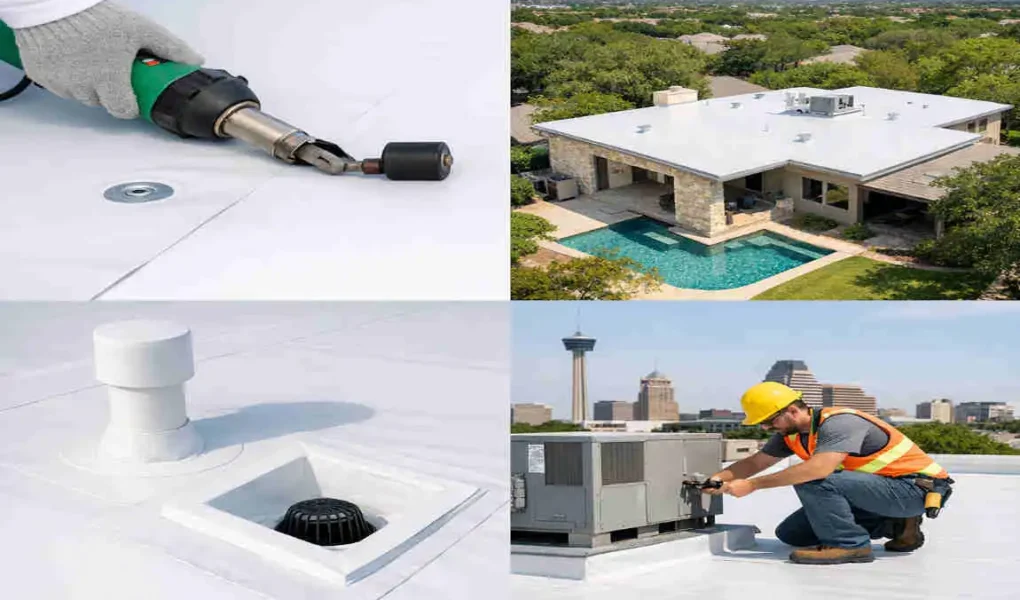
If you own a home in San Antonio with a flat or low-slope roof, you may have heard of TPO roofing. It is a modern roofing option that many homeowners like because it looks clean, handles heat well, and can work well on the right type of house.
TPO stands for thermoplastic polyolefin. That may sound technical, but the idea is simple. It is a single-ply roofing membrane that covers the roof surface and helps protect the home from sun, rain, and general weather wear.
What Is TPO Roofing for a House?
Understanding TPO Roofing
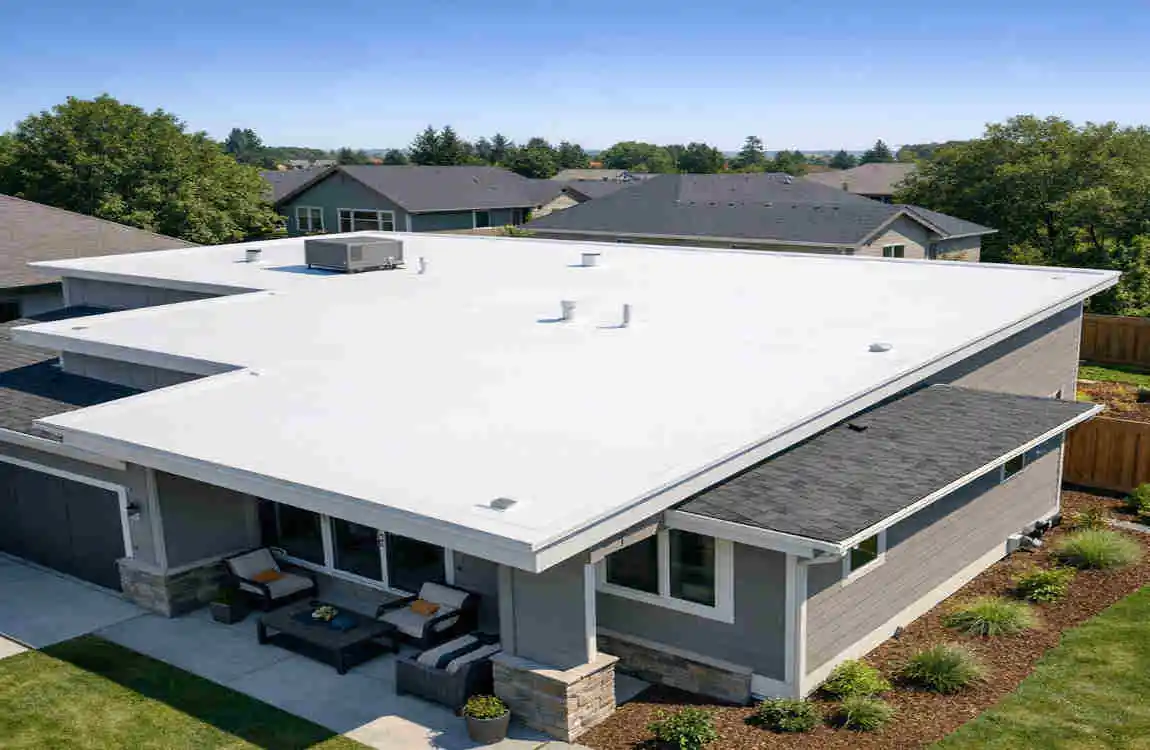
TPO roofing is a single-layer membrane roofing system. Instead of shingles or metal panels, the roof is covered with a flexible sheet of a durable roofing material.
This membrane is usually installed in large rolls. The seams are sealed with heat so the different pieces bond together. That helps create a stronger surface and reduces the chance of leaks.
Most TPO membranes come in white, although some products are available in light gray or tan. White is popular because it reflects sunlight better than darker materials. TPO also comes in different thicknesses, so homeowners and contractors can choose a product that fits the home’s needs.
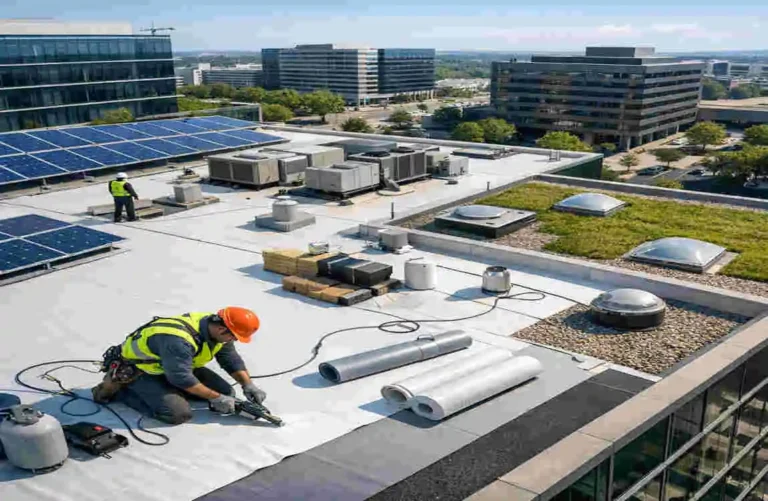
You will usually see TPO on commercial buildings, but it is also used in residential homes with flat or low-slope roofs. That is why it often comes up in discussions about TPO roofing for home projects.
Is TPO Suitable for Residential Homes?
TPO is not the right choice for every house. It works best when the roof has a flat or low-slope design. That is because membrane roofing is built to cover broad, open roof surfaces.
If your home has a steep roof, shingles or metal may be a better match. But if your home has a flat roof section, a modern addition, or a low-slope area, TPO can be a very practical option.
This is why the roof design matters so much. Before choosing TPO, a contractor should inspect the roof shape, drainage, structure, and current condition. The goal is to make sure the system fits the home properly.
Not every roof can use membrane roofing in the same way. A good roof should not only look right. It should also drain well and protect the house for years to come.
TPO vs. Traditional Roofing Materials
If you are deciding between TPO and more familiar roofing materials, it helps to compare them side by side.
Roofing TypeBest ForMain StrengthsMain Limitations
TPO Flat or low-slope roofs Reflective, modern, low maintenance Not ideal for steep roofs
Asphalt shingles Sloped residential roofs Common, affordable, familiar look Less suited to flat roofs
Metal roofing Sloped or some low-slope roofs Long-lasting, strong, weather-resistant Higher cost, different look
TPO is often a smart choice when the roof shape makes shingles less effective. It also offers a more modern look than many traditional materials. Still, the best roof is always the one that fits your home, your budget, and your local weather.
Why Consider TPO Roof Installation in San Antonio?
Reflects Heat and Sunlight
San Antonio gets a lot of sun. That means roof temperature can rise quickly during hot months. TPO roofing is attractive because its light-colored surface reflects more sunlight than darker roofing materials.
This reflective quality can help reduce heat absorption on the roof surface. In simple terms, the roof may stay cooler than a dark roof would under the same sun. That can be helpful in a city where heat is a major part of daily life.
Of course, roof color is only one part of the equation. The membrane type, thickness, insulation, and overall roof design also affect how well the system performs.
Helps Protect Against Weather
A good roof should do more than block sunlight. It should also help protect the house from rain, humidity, and regular weather changes. TPO is designed for this kind of protection.
The membrane itself is water-resistant, and the seams are heat-welded to help keep moisture out. That matters because roof seams are often the weak point in many roofing systems. When the seams are sealed correctly, the roof is much more dependable.
Still, the quality of the flashing and edge details is just as important. Water often gets in around roof penetrations, vents, drains, or poorly finished edges. That is why careful installation matters so much.
Energy-Efficiency Considerations
Many homeowners consider TPO because they hope it may improve energy efficiency. A reflective roof can reduce heat gain, potentially reducing the load on the cooling system.
That said, energy savings are not guaranteed by the roof alone. They depend on several things, including:
- Insulation quality
- HVAC efficiency
- Roof slope and shape
- Sun exposure
- Ventilation
- Installation quality
So, yes, TPO can support a more energy-conscious home. But it should be part of a larger plan, not the only thing you rely on.
Low-Maintenance Benefits
Another reason homeowners like TPO is that it is generally easy to maintain. It does not require the same kind of care as some older roofing systems.
Routine maintenance usually means simple things like checking the roof after storms, keeping drains clear, and removing debris. These small habits can go a long way toward helping the roof last.
If you want a roofing choice that is straightforward and practical, TPO is often a strong candidate. It gives you useful performance without demanding constant attention.
TPO Roof Installation San Antonio for House: What to Expect
Roof Inspection and Preparation
Every good roofing project starts with inspection. Before installing new TPO, the contractor should closely inspect the current roof and the underlying structure.
They will check for:
- Leaks
- Damaged decking
- Soft spots
- Drainage problems
- Old roofing layers
- Structural concerns
This step matters because a new membrane should not cover up hidden problems. If the roof deck is damaged or the surface is uneven, the new roofing system may not perform well.
Sometimes the old roof can stay in place if it is in decent condition and the system allows it. Other times, the old roof must be removed first. The right choice depends on the home and the roof’s condition.
Measuring and Choosing the Membrane
Once the roof is inspected, the contractor measures the surface area and plans the required materials. This includes the membrane size, insulation, and any extra pieces for edges or penetrations.
TPO membranes come in different thicknesses. Thicker products are often chosen for added durability, but the best choice depends on the home and the roof structure.
In some projects, the contractor may also add a cover board or better insulation beneath the membrane. This can improve performance and create a smoother roof surface.
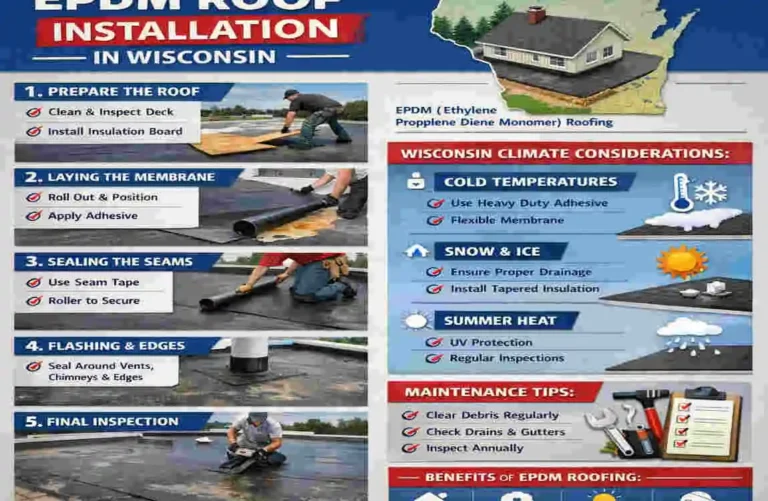
Installing the TPO Membrane
The actual installation process is careful work. The membrane is rolled out across the roof and secured using the method that fits the system, such as mechanical fastening or adhesive.
The most important part is the seams. The edges of the membrane are welded together using heat. This creates a strong, sealed connection between sheets.
That heat-welded seam is one of the biggest reasons TPO is effective. If the seams are done poorly, the roof can develop problems later. This is why professional installation is so important.
Flashing, Edges, and Penetrations
A roof is not just one flat surface. It also has edges, vents, drains, pipes, skylight openings, and other details. These are called penetrations, and they need extra care.
Flashing is used around these areas to help create a tight seal. If flashing is done poorly, leaks can occur even if the main roof membrane is installed properly.
This part of the job requires experience. A skilled contractor knows how to seal the tricky spots and make sure the roof is complete from edge to edge.
Final Inspection and Testing
Once the membrane is in place, the roof should be checked carefully. The contractor should inspect the seams, flashing, drainage, and overall finish.
They will also look for loose sections, weak spots, or debris left behind during installation. The goal is to make sure the roof is ready for real weather.
A clean, well-inspected finish gives you more confidence in the roof and helps protect your investment.
How Much Does TPO Roofing Cost in San Antonio?

Main Factors That Affect TPO Roofing Cost
There is no single fixed price for TPO roofing because every project is different. Several things affect the final cost.
The most common factors include:
- Roof size
- Roof shape and complexity
- Existing roof condition
- Tear-off and disposal
- Membrane thickness
- Insulation needs
- Flashing and drainage work
- Labor
- Accessibility of the roof
A small, simple roof may cost less than a large roof with multiple details. A roof that needs major repair first will also cost more.
TPO Roofing Cost Per Square Foot
Homeowners often want a cost-per-square-foot answer, but that number can change based on location, materials, labor, and project difficulty. Because of that, it is better to treat estimates as project-specific rather than rely on a single number.
In San Antonio, the smartest move is to request detailed written bids. That way, you can compare the real scope of the work instead of guessing from a rough number.
A quote should clearly explain what is included. If one estimate seems much lower than the others, ask why. Sometimes a low price leaves out important items like insulation, flashing, or cleanup.
How to Get an Accurate Roofing Estimate
A good estimate should be clear and complete. To get better pricing, ask for multiple quotes from local roofing contractors.
Make sure each quote explains:
- Materials
- Labor
- Removal of old roofing
- Insulation
- Flashing
- Cleanup
- Warranty details
- Permit or inspection requirements
When you compare quotes this way, you get a much better sense of value. The cheapest bid is not always the best one. A better-installed roof may save you money over time.
How to Maintain a TPO Roof in San Antonio
Schedule Regular Roof Inspections
Even a durable roof needs regular checkups. It is a good idea to have the roof inspected periodically, especially after strong storms or very hot weather.
Inspections help catch small issues before they turn into larger problems. This is especially helpful in San Antonio, where weather can be rough on outdoor surfaces.
A trained roofer can spot issues you might miss, such as seam wear, flashing problems, or drainage issues.
Keep Drains and Gutters Clear
Drainage is a big deal for flat and low-slope roofs. If water cannot drain properly off the roof, it can pool and put stress on the surface.
Keep drains, scuppers, and gutters free from leaves, dirt, and other debris. If water starts pooling in the same spot often, that should be checked right away.
Standing water may not always cause an immediate leak, but it can shorten the roof’s lifespan if ignored.
Watch for Common TPO Roofing Problems
Like any roofing system, TPO can develop issues over time. The most common problems include:
- Punctures or tears
- Loose flashing
- Seam separation
- Ponding water
- Damage around pipes or vents
These issues do not always look serious at first. But even a small defect can become a bigger concern if water gets in.
The good news is that early repair usually prevents larger damage. If you notice something unusual, do not wait too long to have it checked.
Repair Problems Early
Small roof problems should never be ignored. A tiny seam issue or small puncture can grow into a leak if left alone.
If repair is needed, it is usually best to let a professional handle membrane work. TPO repairs require proper materials and correct sealing methods. A quick patch from someone without experience may not hold up well.
Fast action helps protect the home and often keeps repair costs lower.
How to Choose a TPO Roofing Contractor in San Antonio

Check Experience With TPO Systems
Not every roofer works with membrane roofing every day. Before hiring someone, ask how much TPO experience they have, especially with residential roofs.
You want a contractor who understands residential TPO roofing, not just commercial projects. House roofs can have different details, and those details matter.
Ask specific questions. How many TPO projects have they completed? Have they worked on flat-roof TPO installations for homes like yours? Do they understand San Antonio weather conditions?
Verify Licensing, Insurance, and Local Requirements
A roofing contractor should have the right credentials and insurance. This protects both you and the workers during the project.
You should also make sure the work follows local and state requirements. San Antonio and Texas may have specific rules or permit expectations for roofing projects. A good contractor should know how to handle this.
Never assume all contractors work the same way. Always check before signing anything.
Compare Written Estimates
Written estimates make it much easier to compare contractors fairly. They should explain materials, labor, removal, insulation, flashing, cleanup, and warranty coverage.
Be careful with bids that seem far lower than the rest. A very low quote may mean corners will be cut somewhere.
A proper estimate should make you feel informed, not confused.
Ask About Warranties
Warranties matter because they help protect your investment. There are usually two types to ask about:
- Manufacturer warranty
- Artistry warranty
The manufacturer warranty covers the product itself. The artistry warranty covers the contractor’s installation work.
Ask what can void the warranty. Some warranties have rules about maintenance, repairs, or system changes. It is better to know this before the job starts.
TPO Roofing FAQs for San Antonio Homeowners
Is TPO roofing good for houses in San Antonio?
Yes, it can be a very good option for houses with flat or low-slope roofs. It is especially helpful in hot climates because it reflects sunlight well.
How long can a TPO roof last?
The service life depends on product quality, installation, weather exposure, and maintenance. A well-installed roof that is cared for properly can last for many years.
Is TPO roofing good for hot weather?
Yes. TPO is often considered a good choice for hot weather because of its reflective surface and heat-friendly design.
Can TPO roofing be installed over an existing roof?
Sometimes yes, but not always. It depends on the current roof condition, building code, and the roofing system requirements. A roof inspection is the first step.
Does TPO roofing need maintenance?
Yes, but usually not a lot. Regular inspections, debris removal, and drainage checks are usually enough to keep it in good shape.
Is TPO better than shingles?
That depends on the roof design. TPO is often better for flat or low-slope roofs, while shingles are usually better for steep roofs. The right choice depends on the home.
How do I find a contractor for TPO roof installation in San Antonio?
Look for a local contractor with TPO experience, proper insurance, good references, and clear written estimates. Ask questions and compare carefully before choosing.
| Topic | Key Information |
|---|---|
| What Is TPO Roofing? | A single-ply membrane roofing system made from thermoplastic polyolefin. |
| Best For | Flat and low-slope residential roofs, garages, and additions. |
| San Antonio Climate | TPO can be a practical choice for hot, sunny weather when properly installed. |
| Energy Efficiency | Light-colored TPO membranes can reflect sunlight and help reduce heat absorption. |
| Durability | Typically resistant to UV exposure, weathering, and punctures when installed correctly. |
| Maintenance | Regular inspections, cleaning, and checking seams can help extend roof life. |
| Installation | Professional installation is recommended because seams and flashing require careful detailing. |
Related Posts