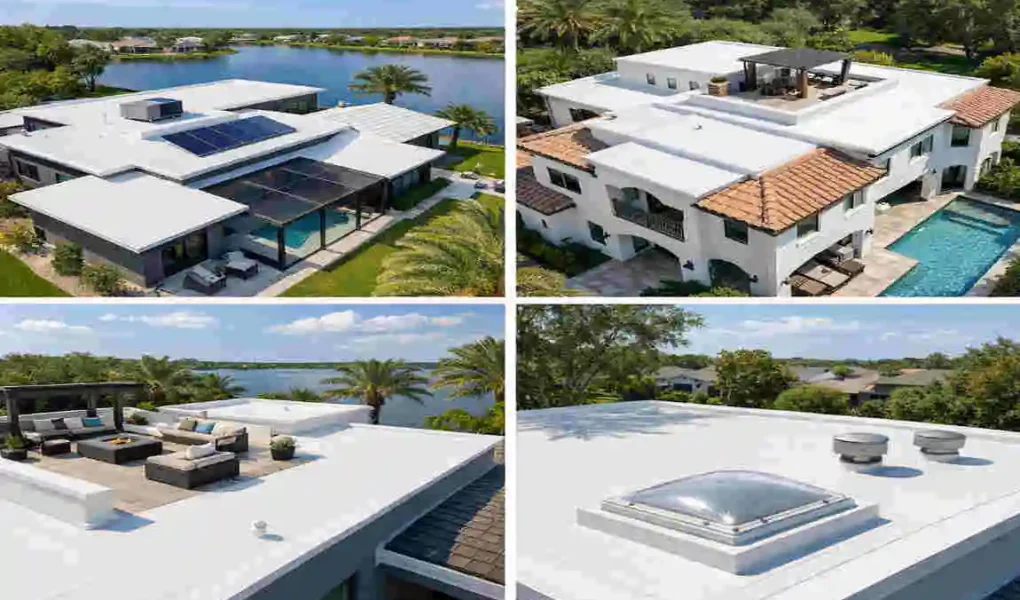
TPO roofing has become a popular choice for many residential properties, especially in warm places like Orlando. Homeowners often want a roof that can handle strong sun, heavy rain, and high humidity without demanding constant upkeep. That is where TPO roofing in Orlando often comes into the conversation.
Orlando weather can be tough on a roof. The area experiences intense heat, regular rain, high humidity, and exposure to storms throughout the year. Because of that, homeowners need roofing materials that are built for these conditions, not just for looks.
What Is TPO Roofing for Residential Homes?
Understanding TPO Roofing
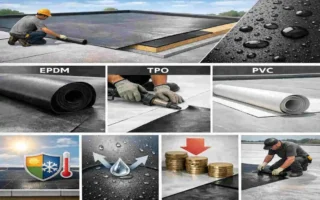
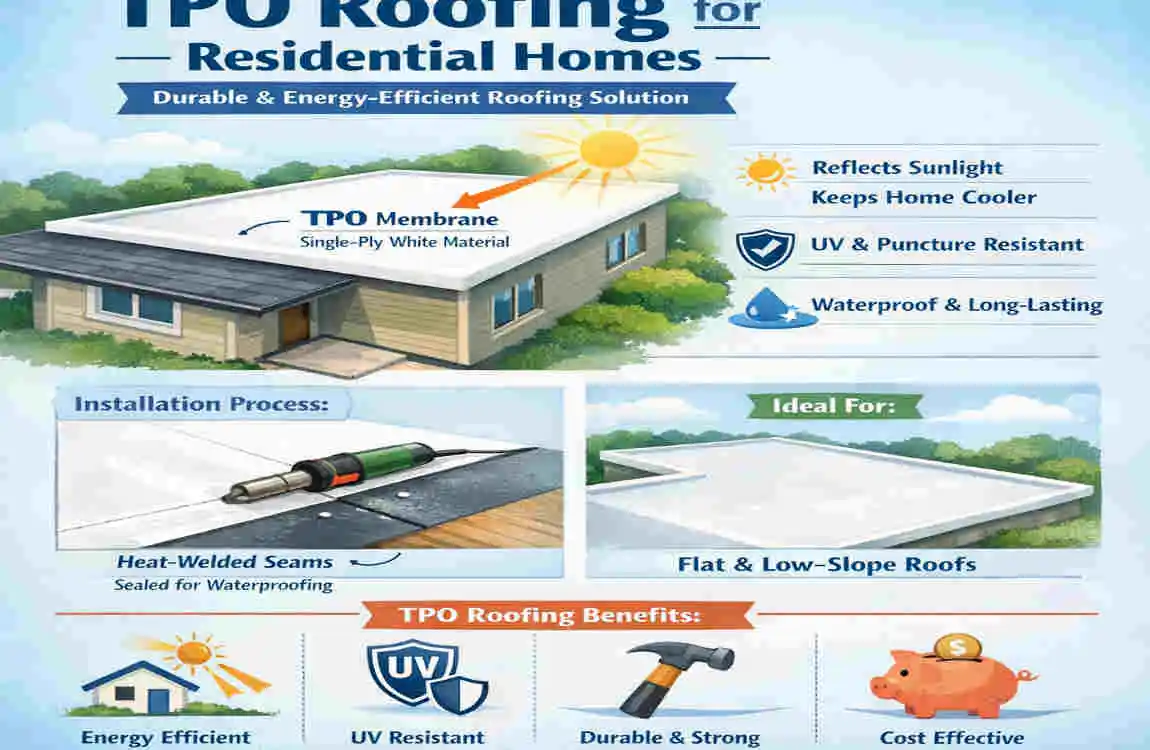
TPO stands for Thermoplastic Polyolefin. That sounds technical, but the idea is simple. It is a single-ply roofing membrane typically installed on flat or low-slope roofs.
The membrane is rolled out across the roof surface and sealed at the seams. When installed properly, it creates a strong protective layer that helps keep water out and heat under control.
Why TPO Is Used on Homes
TPO is popular because it does a few important jobs at once. It helps reflect sunlight, reducing heat buildup on the roof surface. It also forms a waterproof barrier, which is especially important in a rainy climate.
It is also flexible enough to handle movement in the roof structure. That flexibility can be useful in areas where heat and weather changes put pressure on building materials.
TPO vs Traditional Residential Roofing
TPO is not the same as asphalt shingles. Shingles are more common on steep roofs, while TPO is usually used for flat or low-slope roofs.
If your home has that type of roof, TPO may be a practical option. It can offer a cleaner modern look and may perform well in a hot climate when installed correctly.
Why Choose TPO Roofing for Orlando Homes?
Handles Orlando Heat and UV Exposure
Orlando gets a lot of sunlight, and that means roofs take a beating. A reflective TPO membrane can help reduce the amount of heat the roof absorbs.
That matters because less heat on the roof can sometimes mean less heat transfer into the home. Over time, that may help indoor spaces feel more comfortable.
Protection Against Rain and Humidity
Humidity and rain are major concerns in Florida. TPO roofing uses a membrane surface that is designed to resist water intrusion.
Still, the seams must be sealed properly. In humid weather, poor installation can lead to problems, so artistry matters just as much as the material itself.
Wind and Storm Considerations
Orlando homes also need to think about storms. A roof system must be securely attached to withstand wind and weather pressure.
This is why local building rules and proper fastening methods are so important. A roof is only as good as its installation.
Potential Energy Savings
A reflective roof can help lower heat gain, which may reduce how hard your cooling system has to work. That does not guarantee savings, but it can support greater comfort and efficiency.
For many homeowners, that added performance is one of the biggest reasons to look at TPO.
Best TPO Roofing Features for Residential Orlando Properties
Reflective White TPO Membranes
White or light-colored TPO membranes are common in hot regions. They reflect more sunlight than darker surfaces, which helps with heat management.
For Orlando homes, this can be especially useful because the roof is exposed to strong sun for much of the year.
Strong Reinforced Membranes
Some TPO products come with reinforcement for added durability. This can help the roof better resist punctures, stress, and regular wear.
Membrane thickness also matters. In general, stronger material choices may offer greater long-term confidence, especially for homes exposed to the elements.
High-Quality Heat-Welded Seams
The seams are one of the most important parts of a TPO roof. They are usually heat-welded together, which helps create a tight water-resistant bond.
If the seams are not welded well, leaks can happen. That is why professional installation and final inspection are so important.
Proper Insulation and Roof Drainage
TPO works best when it is paired with good insulation and drainage. Insulation helps control heat, while proper slope and drainage help move water away from the roof.
In Orlando, rain can be heavy and sudden. Gutters, scuppers, and drainage paths need to be clear and well planned.
TPO Roofing Installation and Maintenance in Orlando
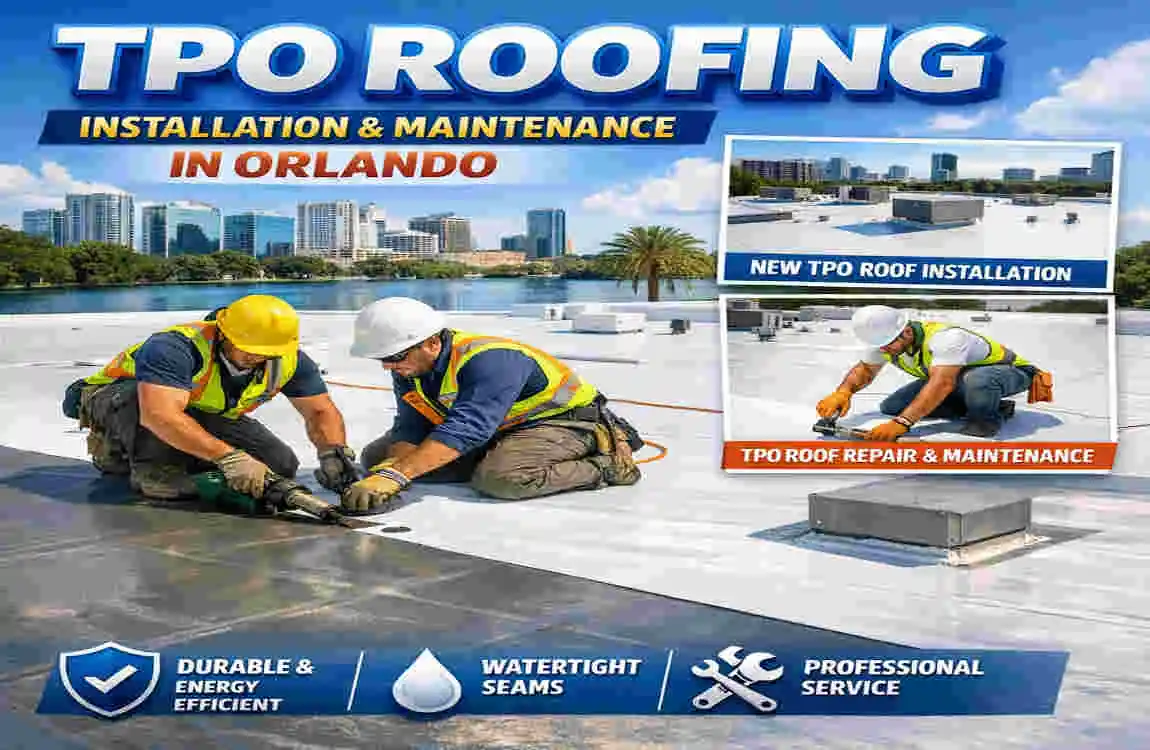
Choosing a Qualified Roofing Contractor
The installer matters just as much as the roofing material. When comparing contractors, look for licensing, insurance, experience, warranties, and local references.
You want someone who understands Orlando’s weather and roof requirements. A contractor with local experience is more likely to know how to handle heat, rain, and storm-related concerns.
Residential TPO Installation Process
TPO installation usually follows a step-by-step process.
First, the roof is inspected and prepared. Depending on the condition of the existing roof, the old material may be removed or the surface may be prepared for the new system.
Next comes insulation and membrane placement. After that, the seams are welded, flashings are added, and edge details are finished. Finally, the roof is inspected to make sure everything is sealed and secure.
TPO Roof Maintenance
TPO usually does not require complicated care, but it does need attention. Routine inspections can help catch small issues before they become bigger ones.
Keep drains clear, remove leaves and debris, and check seams and flashing after storms. If you notice damage, address it early rather than waiting.
TPO Roofing Cost, Lifespan, and Value

What Affects TPO Roofing Cost?
The price of a TPO roof can vary for several reasons:
- Roof size
- Roof shape and complexity
- Membrane thickness
- Insulation needs
- Labor and installation method
- Existing roof condition
- Flashing and drainage details
A simple roof usually costs less than a roof with multiple edges, penetrations, or repairs.
Expected Lifespan
TPO lifespan depends on many things. Material quality, weather exposure, installation, maintenance, and roof design all play a role.
There is no single number that works for every home. A well-installed roof that is cared for properly will usually perform better than one that is neglected.
FAQ About TPO Roofing Residential Orlando
Is TPO roofing good for residential homes in Orlando?
Yes, TPO can be a good option for certain residential homes in Orlando, especially those with flat or low-slope roofs. It works best when installed correctly and matched to the home’s design.
How long does TPO roofing last in Florida?
Its service life depends on sun exposure, weather, membrane quality, installation, and maintenance. Regular inspections can help extend its usefulness.
Is TPO roofing better than shingles in Orlando?
It depends on the roof type. Shingles are common for sloped roofs, while TPO is usually better suited for flat or low-slope roofs. Each has its place.
Does TPO roofing help keep a house cooler?
A reflective TPO membrane can help reduce heat absorption. That may support a cooler indoor environment, especially in strong Orlando sun.
How much does residential TPO roofing cost in Orlando?
Cost depends on roof size, labour, insulation, membrane type, roof condition, and project complexity. A detailed estimate is the best way to know for sure.
Can TPO roofing withstand Florida storms?
A properly designed and installed TPO system can offer solid protection. Still, secure fastening, careful detailing, and code compliance are essential.
How often should a TPO roof be inspected?
It is wise to schedule routine professional inspections and also check the roof after major storms or if you see signs of damage.
| Feature | Best TPO Roofing for Orlando Homes |
|---|---|
| Material | Thermoplastic Polyolefin (TPO) |
| Best For | Flat and low-slope roofs |
| Florida Benefit | Helps reflect strong sunlight and reduce heat absorption |
| Durability | Resists moisture, UV exposure, and many common weather conditions |
| Energy Efficiency | White TPO membranes can help keep roofs cooler |
Related Posts