Choosing the best fire-resistant roofing material is one of the smartest safety decisions a homeowner can make. Your roof is the first line of defence against heat, flying embers, and direct flames. In wildfire-prone areas, that protection matters even more. A strong roof can help slow the spread of fire, protect your family, and reduce damage to your home.
What Is Fire-Resistant Roofing?
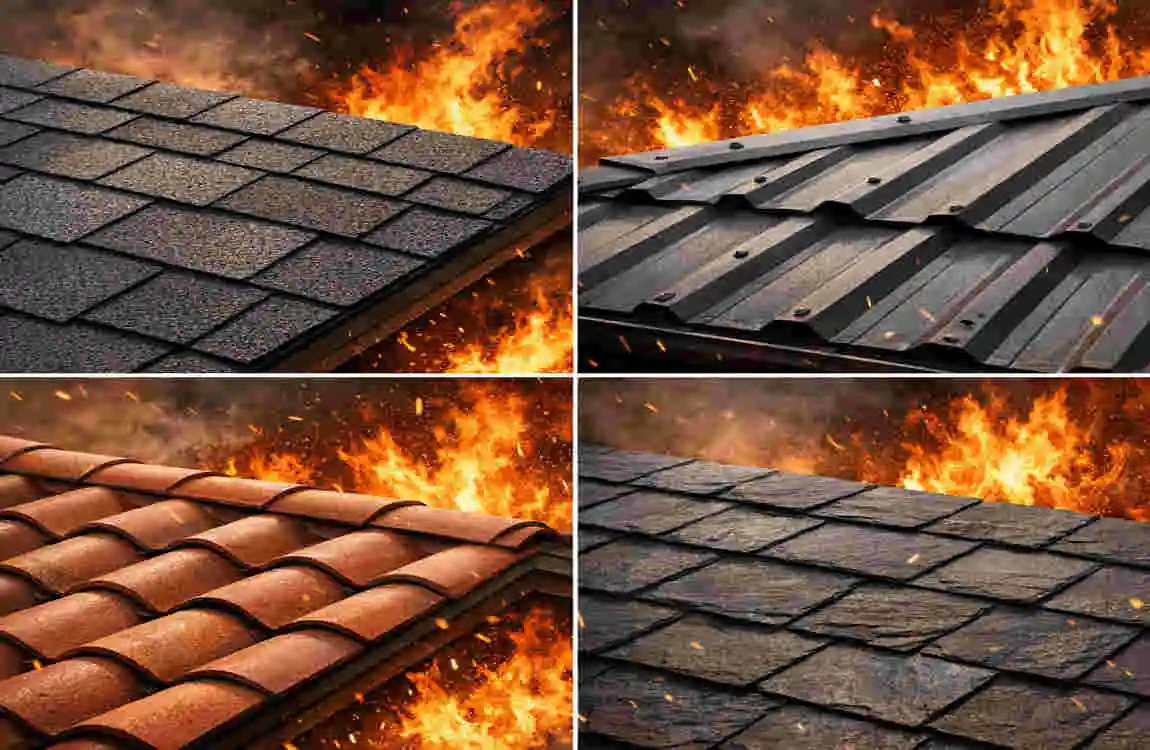
Fire-resistant roofing is roofing designed to resist ignition, slow flame spread, and handle high heat better than standard materials. It does not mean the roof is completely fireproof. No roof can promise total protection in every fire situation.
Instead, fire-resistant roofing helps buy time. It can reduce the chance that embers catch fire on your roof and may stop flames from spreading quickly. That extra time can make a huge difference during a fire emergency.
Fire-Resistant vs. Fireproof
These two terms are often confused. Fire-resistant means the material can handle fire better than normal roofing. Fireproof means it cannot burn at all, which is not realistic for most home roofing systems.
Why It Matters
If you live near forests, dry grassland, or a hot climate, fire-resistant roofing is especially important. Even if you do not live in a wildfire zone, a safer roof can still improve overall home protection.
Understanding Roofing Fire Ratings
Roofing materials are usually rated by how well they resist fire. These ratings help homeowners compare products more easily.
Class A Roofing
Class A offers the highest fire protection. It can handle severe fire exposure and is often the best choice for homes. Many metal, slate, clay, concrete, and some asphalt shingles can achieve this rating.
Class B Roofing
Class B gives moderate fire resistance. It can protect against light-to-medium fire exposure, but it is not as strong as Class A materials.
Class C Roofing
Class C provides basic fire protection. It offers some resistance, but it is the weakest of the three main ratings.
Why Class A Is the Best Choice
If your budget allows, Class A is usually the safest option. It gives the strongest protection and is often preferred by builders, insurers, and homeowners in risky areas.
Best Fire-Resistant Roofing Material for Homes
Metal Roofing
Metal roofing is one of the best fire-resistant roofing materials available. It is non-combustible, which means it does not easily catch fire. It also performs well against wind and heavy weather.
Advantages:
- Excellent fire resistance
- Long lifespan, often 40–70 years
- Low maintenance
- Lightweight compared to tile or slate
Disadvantages:
- Higher upfront cost than asphalt shingles
- Can be noisy during rain if not insulated well
Metal roofing is a strong choice for homeowners who want safety, durability, and a modern look.
Slate Roofing
Slate is a natural stone material and one of the most fire-resistant roofing options you can buy. It is extremely durable and can last for decades, sometimes even longer than the house itself.
Advantages:
- Very high fire resistance
- Beautiful, Premium appearance
- Extremely long lifespan
Disadvantages:
- Expensive
- Heavy, so the roof structure must support it
- Installation requires skilled labour
Slate is ideal for homeowners who want long-term value and a luxury finish.
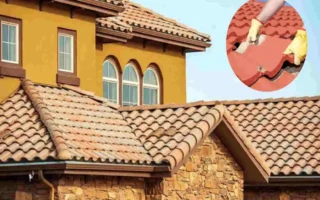
Clay Tile Roofing
Clay tiles are popular in warm climates and are known for their strong heat resistance. They do not burn easily and can provide excellent fire protection.
Advantages:
- Strong fire resistance
- Attractive, classic style
- Long lifespan
Disadvantages:
- Heavy
- Can break if stepped on or hit hard
- More costly than standard shingles
Clay tile works well for Mediterranean, Spanish-style, and traditional homes.
Concrete Tile Roofing
Concrete tile is similar in appearance to clay tile but usually costs less. It offers strong fire resistance and good durability.
Advantages:
- Great fire safety
- Durable in harsh weather
- More affordable than clay or slate
Disadvantages:
- Heavy
- Needs a strong roof structure
- Can still require repairs over time
Concrete tile is a practical choice for homeowners who want safety without paying Premium slate prices.
Asphalt Fibreglass Shingles
Asphalt shingles are still the most common roofing material in many homes. While not all versions are highly fire-resistant, fire-rated fibreglass shingles can offer solid protection.
Advantages:
- Affordable
- Easy to install
- Available in many styles and colours
Disadvantages:
- Shorter lifespan than metal or tile
- Less durable in extreme heat or wildfire zones
If budget matters most, fire-rated asphalt shingles can be a decent middle-ground choice.
Synthetic Roofing Materials
Synthetic roofing includes composite shingles designed to resemble slate, wood, or tile. Some are designed with strong fire ratings and lighter weight.
Advantages:
- Lightweight
- Can mimic Premium materials
- Often more affordable than real slate or tile
Disadvantages:
- Quality varies by brand
- Not all synthetic products have the same fire performance
Synthetic roofing is a good option if you want style, lighter weight, and better fire resistance than standard materials.
Benefits of Installing Fire-Resistant Roofing
A fire-resistant roof gives you more than safety. It can improve your home in several useful ways.
- Better home protection against flames and embers
- Stronger wildfire defence in high-risk regions
- Higher property value because buyers like durable roofs
- Lower maintenance with long-lasting materials
- Possible insurance savings in some areas
- Better long-term investment due to fewer repairs and replacements
When you look at the bigger picture, the best fire-resistant roofing material can save money and stress over time.
Factors to Consider Before Choosing a Fire-Resistant Roof
Climate
Hot, dry, or wildfire-prone areas need stronger fire protection. Wet or coastal areas may also need materials that resist salt, wind, and moisture.
Local Building Codes
Some places require Class A roofing or specific roof assemblies. Always check local rules before you decide.
Budget
The cheapest roof is not always the best value. Think about upfront cost, repair needs, and lifespan together.
Roof Design
Steep roofs, low slopes, and complex shapes can affect which material works best. Some materials suit simple roof designs more easily.
Weight Requirements
Slate and tile are heavy. Your home must be able to support them safely.
Appearance
Your roof should match your home style. The safest option should still look good on your house.
Maintenance Needs
Some materials need more care than others. A low-maintenance roof can be a better choice for busy homeowners.
Which Roofing Material Is Best for Different Home Types?
Modern homes: Metal roofing or synthetic roofing often fits best because of clean lines and strong performance.
Traditional homes: Clay tiles, concrete tiles, or asphalt shingles can blend well with classic designs.
Luxury homes: Slate roofing offers a Premium look and top-level fire resistance.
Coastal homes: Metal roofing and concrete tile can handle both fire and tough weather.
High-wind areas: Metal roofing and well-installed concrete tile are strong choices.
Wildfire-prone regions: Class A metal, slate, clay, or concrete roofing is usually the safest pick.
Fire-Resistant Roof Maintenance Tips
Even the best roofing material needs care. Good maintenance helps your roof perform better for longer.
- Inspect the roof once a year for cracks, loose pieces, or damage.
- Remove leaves and debris so embers have less fuel.
- Clean gutters regularly to keep dry material from building up.
- Repair damaged shingles or tiles quickly before bigger problems start.
- Trim nearby trees so branches do not touch the roof.
- Schedule a professional inspection if you notice wear, leaks, or storm damage.
Common Mistakes Homeowners Should Avoid
Many homeowners make simple mistakes that reduce roof safety.
- Choosing only based on price
- Ignoring fire ratings
- Poor installation
- Skipping regular maintenance
- Mixing incompatible roofing materials
A roof is only as strong as its material and installation quality. Do not overlook either one.
Cost of Fire-Resistant Roofing Materials
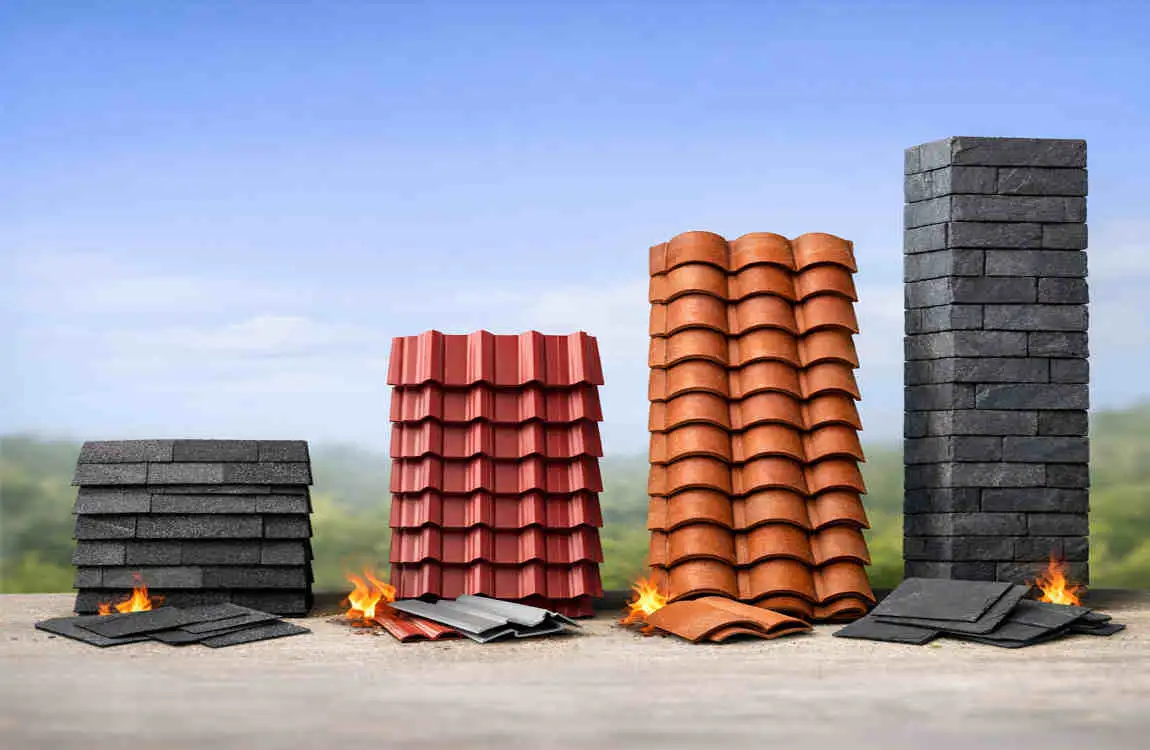
Here is a simple look at average cost levels:
Material Typical Cost Level
Metal Roofing Medium to High
Slate Roofing Very High
Clay Tile Roofing High
Concrete Tile Roofing Medium to High
Asphalt Shingles Low
Synthetic Roofing Medium
The total cost depends on roof size, labour, slope, underlayment, local labour rates, and whether your home needs structural reinforcement. In many cases, a more expensive material pays off through longer life and lower repair needs.
Is Fire-Resistant Roofing Worth the Investment?
For most homeowners, yes. A fire-resistant roof can improve safety, reduce long-term upkeep, and raise property value. It may also help in areas where insurers and buyers care about fire protection.
If you live in a wildfire zone, the investment becomes even more important. In that case, the best fire-resistant roofing material is not just a smart upgrade. It is a practical safety decision.
Frequently Asked Questions
What is the best fire-resistant roofing material for homes?
Metal, slate, clay, and concrete tile are among the best choices, especially when they have a Class A fire rating.
Which roofing material has a Class A fire rating?
Many metal, slate, clay tile, concrete tile, and some asphalt shingles can achieve a Class A rating.
Is metal roofing fire-resistant?
Yes. Metal roofing is highly fire-resistant because it does not burn easily.
Are asphalt shingles fire-resistant?
Some are. Fire-rated fibreglass asphalt shingles can offer good protection, but performance varies.
Which roof lasts the longest?
Slate roofing usually lasts the longest, often for many decades.
Does fire-resistant roofing lower homeowners insurance?
It sometimes can, depending on your insurer and location.
What roofing material is best for wildfire-prone areas?
Class A metal roofing is often one of the strongest choices, along with slate, clay, and concrete tile.
| Roofing Material | Fire Resistance Rating | Durability | Average Lifespan | Best For |
|---|---|---|---|---|
| Metal Roofing | Class A | Excellent | 40–70 years | Wildfire-prone areas and modern homes |
| Slate Roofing | Class A | Excellent | 75–150+ years | Luxury homes and long-term durability |
| Clay Tiles | Class A | Excellent | 50–100 years | Warm climates and Mediterranean-style homes |
| Concrete Tiles | Class A | Very Good | 50–75 years | Durable, fire-safe residential roofs |
| Fiberglass Asphalt Shingles | Class A (when installed properly) | Good | 20–30 years | Budget-friendly homes |
| Fiber Cement Roofing | Class A | Very Good | 30–50 years | Low-maintenance, fire-resistant homes |
| Synthetic Composite Slate | Class A (many products) | Very Good | 40–50 years | Lightweight alternative to natural slate |
| Stone-Coated Steel Roofing | Class A | Excellent | 40–70 years | High fire protection with attractive appearance |
Related Posts