Proper roof drainage matters more than many homeowners realise. When water cannot drain off the roof properly, it can pool, leak, and slowly damage the structure beneath.
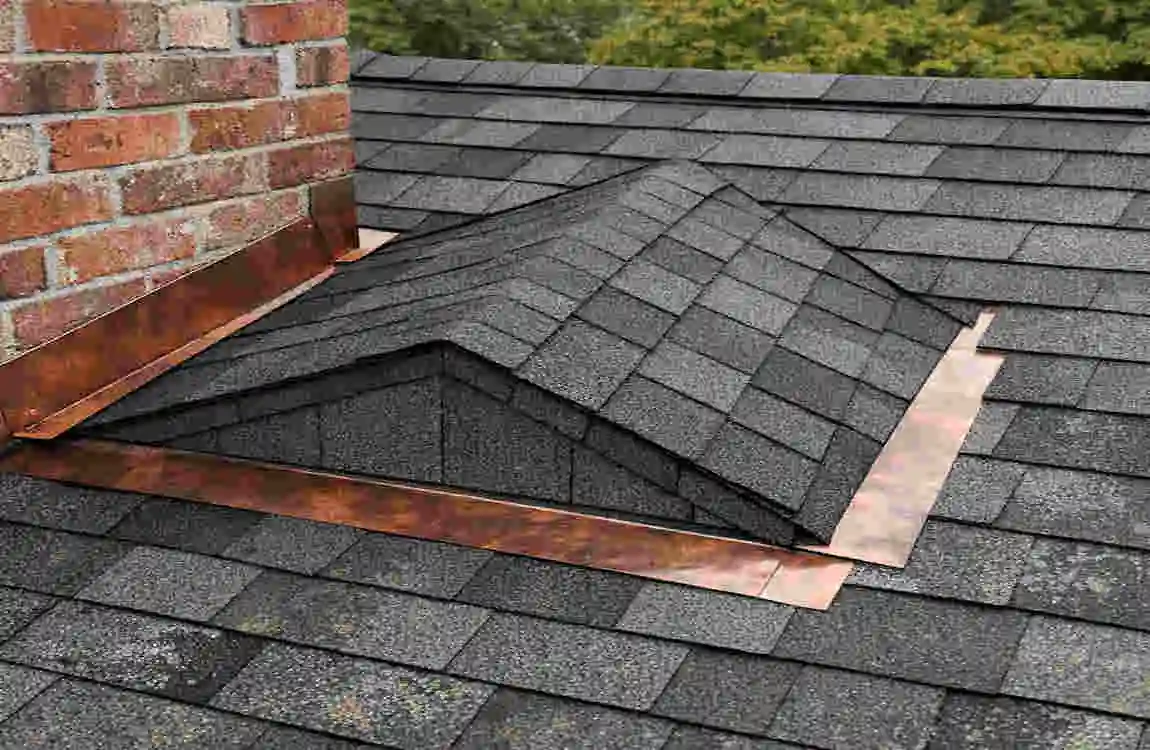
So, what is a roofing cricket? In simple terms, it is a small, peaked structure built on a roof to direct water away from areas that can trap moisture, such as chimneys, skylights, and large vents.
A roofing cricket helps prevent ponding water, flashing damage, and roof leaks. Many homeowners do not notice it until stains appear on the ceiling or water starts getting into the attic.
What Is a Roofing Cricket?
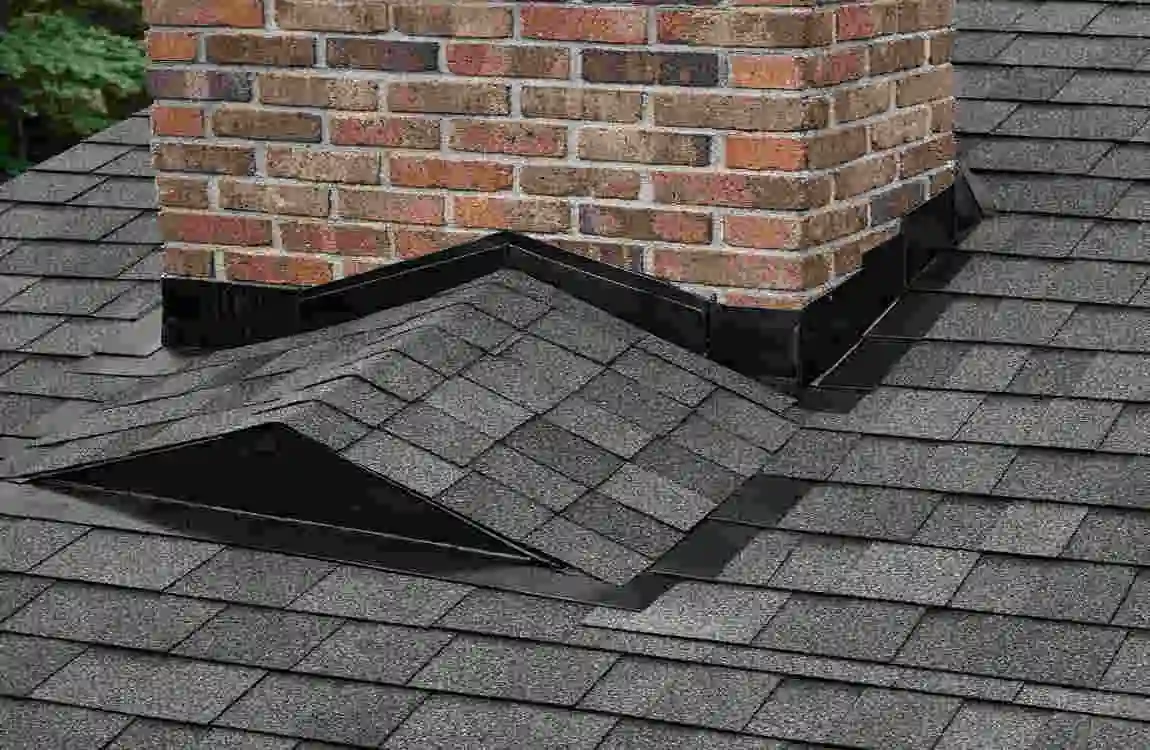
Roofing Cricket Definition
A roofing cricket is a raised, sloped structure installed on a roof to push water away from obstacles. It is sometimes called a saddle.
Its main job is simple: keep water moving so it does not sit behind a chimney or other roof feature.
Where Roofing Crickets Are Installed
Roofing crickets are usually placed:
- Behind chimneys
- Around skylights
- Near HVAC units
- Around large roof penetrations
If an area blocks normal water flow, a cricket can help direct runoff safely away.
Why Roofing Crickets Are Important
Roofing crickets matter because they:
- Divert rainwater
- Reduce standing water
- Protect flashing
- Help the roof last longer
Without one, water can collect in the wrong spot and slowly damage the roof system.
How Does a Roofing Cricket Work?
Water Diversion Explained
A roofing cricket works like a small ramp. Instead of letting water hit a flat or blocked area, it directs it to both sides, where it can drain off the roof.
Roof Slope and Drainage
The steeper and better-designed the cricket is, the easier it is for water to drain away. Even a small change in slope can make a big difference in preventing leaks.
Common Roofing Materials Used
Roofing crickets can be built with different materials, depending on the roof type:
- Asphalt shingles
- Metal roofing
- TPO
- EPDM
- Modified bitumen
The material should match the existing roofing system for proper sealing and long-term performance.
Signs Your Roofing Cricket Needs Repair
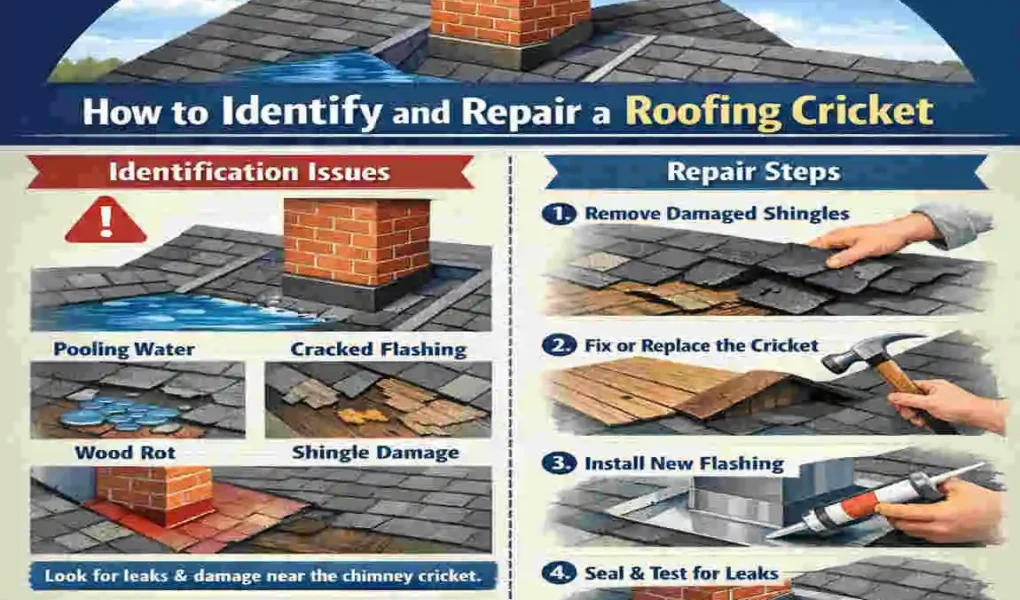
A damaged cricket can create problems fast. Look for these warning signs.
Water Ponding
If water sits behind a chimney or roof bump for too long, the cricket may not be working correctly.
Interior Ceiling Leaks
Water stains on ceilings or walls often indicate that moisture is getting in through a weak spot in the roof.
Damaged Flashing
Flashing seals the edges around roof features. If it is bent, loose, or rusted, water can slip underneath.
Missing or Broken Roofing Material
Broken shingles, torn membrane, or open seams can expose the cricket to more damage.
Mould or Moisture Around Chimney
Dark spots, damp wood, or a musty smell in the attic may indicate hidden leaks.
Ice Dams During Winter
If ice builds up around the chimney area, drainage is not moving as it should.
Homeowner Inspection Tips
Use simple checks after storms:
- Look for wet spots on ceilings.
- Check the attic for damp insulation.
- Inspect the roof from the ground for missing materials.
- Watch for overflowing gutters near the problem area.
Common Causes of Roofing Cricket Damage
Poor Installation
If the cricket was built without the right slope or flashing, it may fail early.
Weather Damage
Heavy rain, wind, snow, and hail can loosen or crack roofing materials over time.
Ageing Roofing Materials
Old roofing materials dry out, crack, and lose their seal.
Debris Build-Up
Leaves and branches can block water flow and trap moisture.
Structural Movement
A house naturally shifts a little over time. That movement can stress the cricket and flashing.
How to Identify a Damaged Roofing Cricket
Use this simple checklist:
- Inspect the roof visually for sagging or uneven areas
- Check flashing for gaps, rust, or lifting edges
- Look for cracks in shingles or membranes
- Inspect sealant around joints and seams
- Examine water flow after rain
- Check the attic for moisture, stains, or rot
- Hire a roof inspector if the damage is hard to see
If you notice several warning signs, the cricket may need repair soon.
How to Repair a Roofing Cricket
Safety First
Roof work can be dangerous. Use proper gear, stable ladders, and safe weather conditions. If the roof is steep or high, call a professional.
Remove Damaged Roofing Material
Take off the broken shingles, membrane, or other surface material around the damaged area.
Inspect Roof Deck
Check the wood deck underneath. Make sure it is still solid and dry.
Replace Rotten Wood
Any soft or damaged wood should be removed and replaced before new materials go in.
Install New Cricket Structure
Build the cricket again with the correct slope so that water can drain properly.
Add Waterproof Underlayment
This layer helps protect the deck from moisture and adds extra defence against leaks.
Install Flashing
Flashings are very important. They seal the joints and help block water from getting underneath.
Replace Roofing Material
Put back shingles or membrane so the repaired area blends in with the rest of the roof.
Seal and Test
Seal the joints carefully and check the area after the next rain to make sure water is flowing properly.
DIY or professional help?
Small surface repairs may be manageable for skilled homeowners. But if the problem involves rot, flashing failure, or structural damage, a professional roofer is the safer choice.
Roofing Cricket Repair Cost
Repair Type Estimated Cost
Minor Repair $200–$500
Flashing Replacement $300–$700
Partial Cricket Rebuild $600–$1,500
Complete Replacement $1,500–$3,500+
What Affects the Price
- Roof size
- Roof pitch
- Material type
- Labor cost
- Accessibility
Hard-to-reach roofs usually cost more.
Tips to Prevent Roofing Cricket Problems
To avoid bigger repairs later, follow these simple steps:
- Schedule annual roof inspections
- Keep gutters clean
- Remove leaves and debris
- Check flashing regularly
- Trim overhanging trees
- Fix small leaks quickly
- Arrange professional maintenance when needed
A little care now can save a lot of money later.
Frequently Asked Questions
What is a roofing cricket?
A roofing cricket is a raised, peaked structure that redirects water around chimneys, skylights, and other roof features to help prevent leaks.
Do building codes require a roofing cricket?
In many places, yes, especially behind wider chimneys. Rules vary by location.
How long does a roofing cricket last?
A well-built cricket can last as long as the roof, often 20 to 50 years.
Can I repair a roofing cricket myself?
Minor repairs may be possible for experienced DIY homeowners, but a roofer is best for handling major damage.
How much does it cost to replace a roofing cricket?
Replacement usually costs $1,500 to $3,500+, depending on the roof and materials.
What happens if a roofing cricket is damaged?
It can cause water pooling, leaks, wood rot, mould, and shorter roof life.
How often should I inspect my roofing cricket?
Check it once a year and after major storms.
| Topic | Information |
|---|---|
| What Is a Roofing Cricket? | A roofing cricket is a small, peaked structure built behind chimneys, skylights, or other roof penetrations to divert water and prevent pooling. |
| Common Signs of Damage | Water stains on ceilings, roof leaks near chimneys, cracked flashing, loose shingles, standing water, or rotting wood. |
| Visual Inspection | Check for damaged shingles, rusted or lifted flashing, cracks in sealant, sagging areas, and debris buildup around the cricket. |
| Leak Detection | Inspect the attic for damp insulation, mold, or water marks directly beneath the cricket after heavy rain. |
| Tools Needed | Roofing nails, hammer, pry bar, roofing sealant, replacement shingles, flashing, utility knife, and safety harness. |
| Repair Loose Shingles | Remove damaged shingles, install matching replacements, and secure them with roofing nails and roofing cement. |
| Fix Damaged Flashing | Replace bent or rusted flashing and seal all joints with a high-quality waterproof roofing sealant. |
| Repair Structural Damage | Replace any rotten wood decking or framing before reinstalling roofing materials. |
| Prevent Future Problems | Keep the roof clean, inspect the cricket twice a year, remove debris, and repair minor damage promptly. |
| When to Call a Professional | If leaks persist, structural damage is extensive, or the roof is steep or unsafe to access, hire a licensed roofing contractor. |
Related Posts