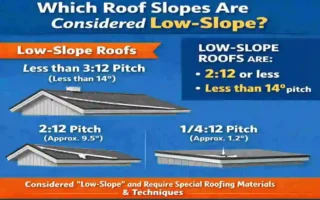
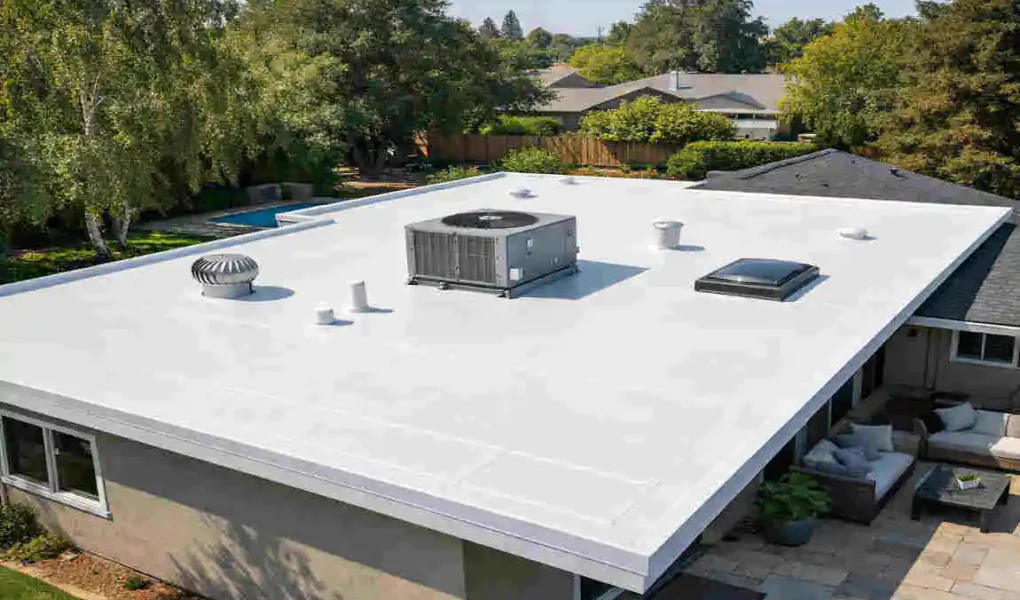
TPO flat roofing for home is becoming a popular choice for homeowners who want a roof that is durable, energy-efficient, and easy to maintain. It works especially well on flat and low-slope roofs, where water control and surface strength matter most.
TPO stands for Thermoplastic Polyolefin. That may sound technical, but the idea is simple: it is a strong roofing membrane that helps protect your home from rain, sun, and daily weather changes.
What Is TPO Flat Roofing for a Home?
What Does TPO Mean?
TPO is a single-ply roofing membrane. In simple terms, it is a flexible sheet that covers the roof and helps keep water out.
It is designed to act like a protective layer over the roof deck. When installed correctly, it creates a sealed surface that helps defend against leaks.
How Does TPO Roofing Work?
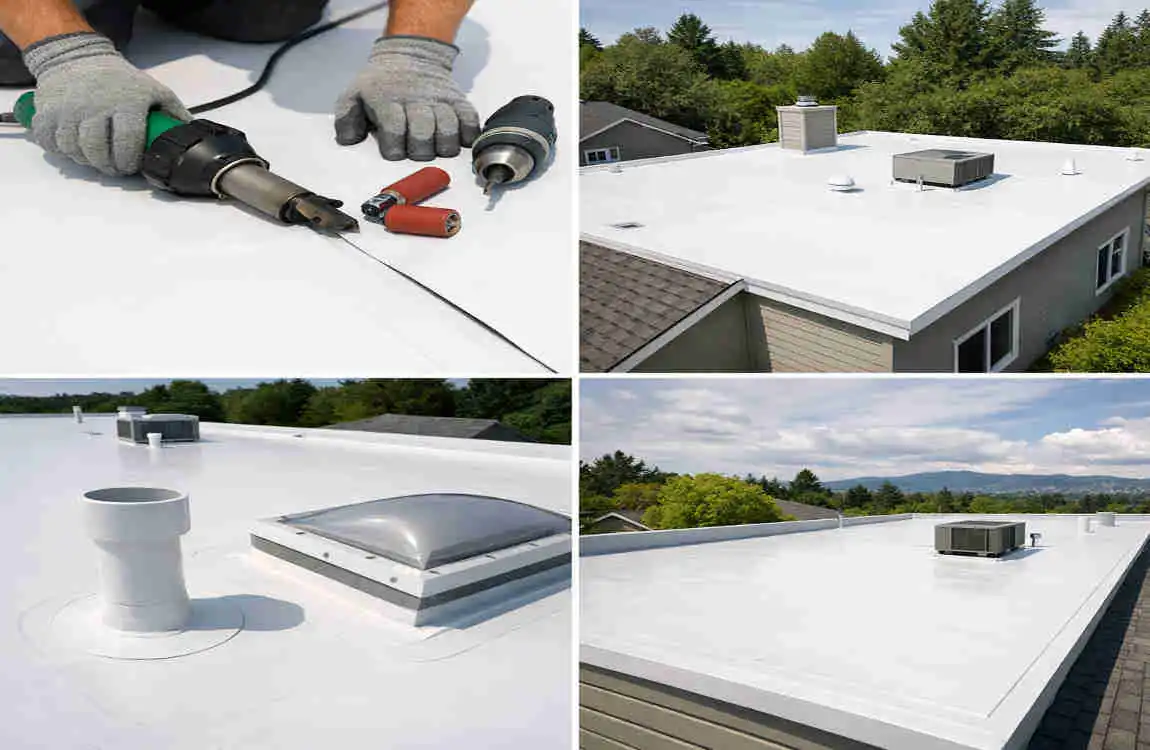
TPO roofing usually comes in large sheets. These sheets are placed over the roof and attached using different installation methods depending on the roof type.
One of the most important parts is the heat-welded seam. This means the edges of the membrane are fused with heat, creating a strong, watertight bond.
Benefits of TPO Flat Roofing for Home
Excellent Waterproofing
A major reason people choose TPO is its ability to resist water. The membrane helps keep rain and moisture out of the home.
When the seams are properly sealed, the roof becomes much more effective at protecting the interior.
Energy Efficiency
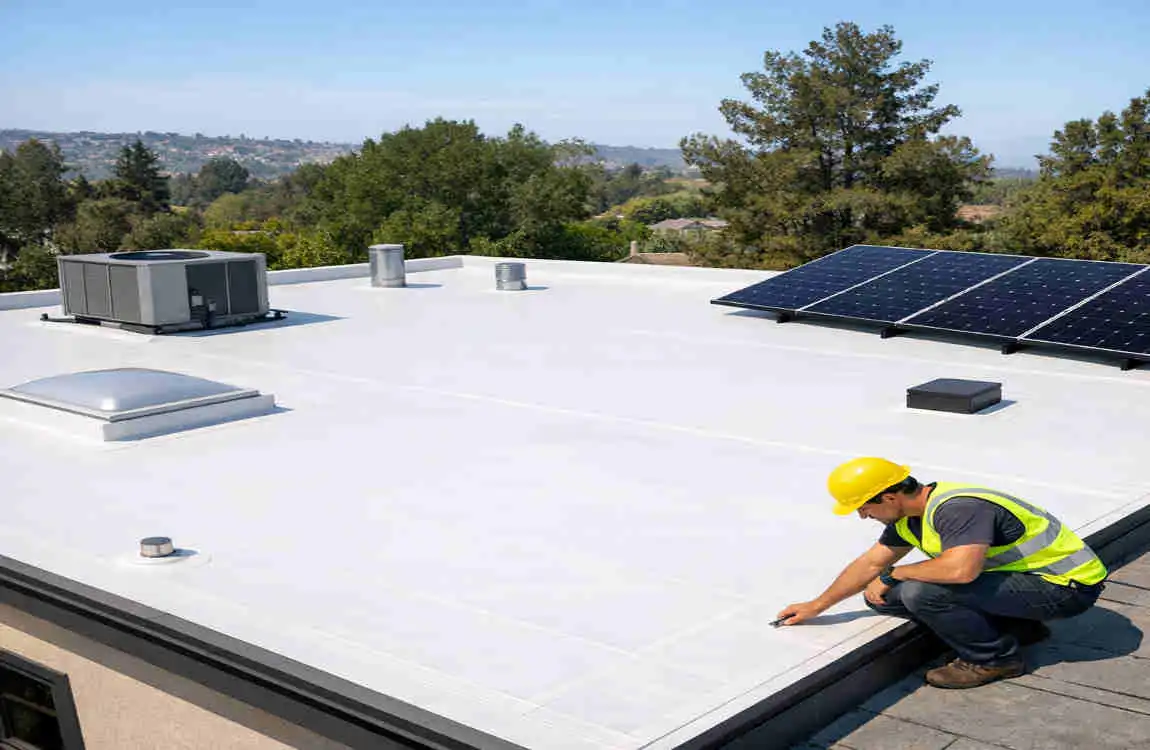
Many TPO membranes have a light-colored, reflective surface. This can help reduce heat buildup from sunlight.
For homeowners in warmer climates, that may support lower cooling needs during hot seasons.
Durable and Flexible
TPO roofing is made to handle sun exposure, weather changes, and movement in the roof structure. Its flexibility is helpful because roofs naturally expand and contract over time.
That flexibility can support long-term performance when the roof is properly installed and maintained.
Low Maintenance
TPO roofs usually do not require extensive maintenance. Regular inspections and basic cleaning are often enough to keep them in good shape.
This makes them appealing for homeowners who want a practical roofing option.
Lightweight Option
Because the membrane is relatively light, it can be a good fit for some residential roof structures. That can be useful when weight is a concern.
TPO Roofing Installation: What Homeowners Should Know
Preparing the Roof Deck
Before installing TPO, the roof deck must be checked carefully. Any damaged, loose, or weak sections should be repaired first.
A clean and stable base is important because the membrane depends on the surface beneath it.
Installing Insulation
Insulation often goes below the membrane. It helps improve comfort inside the home and can support better energy performance.
This step also helps create a more efficient roof system overall.
Installing the Membrane
The TPO membrane is rolled out over the prepared roof surface. It may be secured in different ways, depending on the roof system and manufacturer instructions.
Good alignment matters here because even small mistakes can affect the final finish.
Heat-Welding the Seams
This is one of the most important parts of the job. Heat-welded seams help make the roof more water-resistant than simple glued overlaps.
If seams are not done well, leaks can happen later.
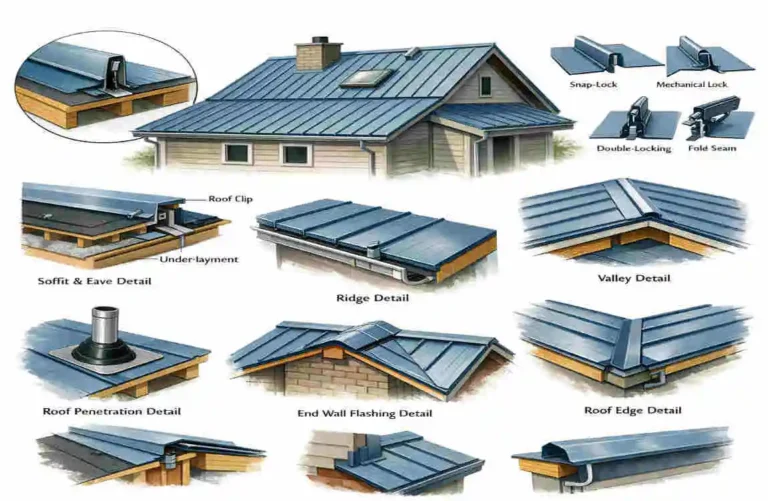
Flashing and Roof Details
Special attention is needed around:
- Vents
- Skylights
- Drains
- Pipes
- Roof edges
- HVAC units
These areas are common leak points, so careful detailing matters.
TPO Flat Roofing Cost for a Home
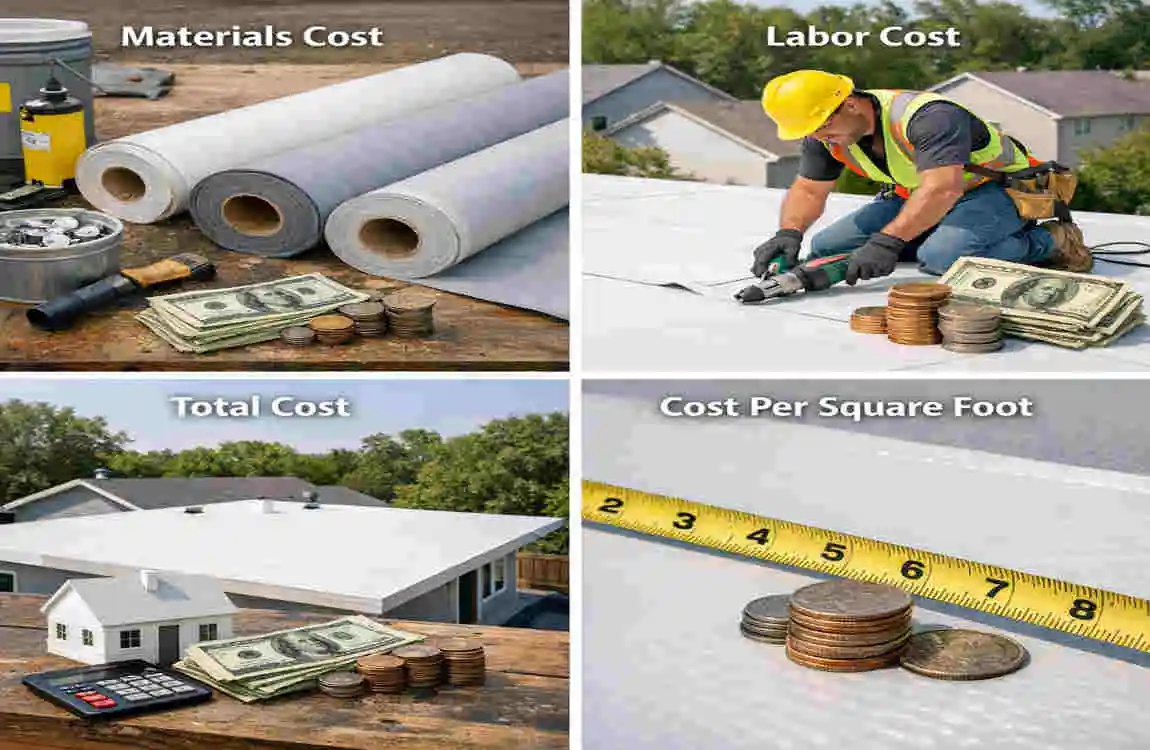
The cost of TPO flat roofing for a home can vary widely. There is no single price that fits every project.
Several factors affect the final cost, including roof size, membrane quality, labour, insulation, and whether the old roofing must be removed.
Main Cost Factors
- Roof size
- Membrane thickness
- Insulation type
- Labor cost
- Roof access
- Existing roof removal
- Flashing and drainage needs
- Roof deck repairs
How TPO Compares With Other Flat Roofing Options
TPO is often compared with EPDM, PVC, modified bitumen, and built-up roofing. In general, TPO is valued for its reflective surface and flexible design.
The best choice depends on your roof shape, climate, budget, and installer experience.
Budget Tip
Always ask for a detailed written estimate. That way, you can see what is included and avoid surprises later.
TPO vs Other Flat Roofing Materials
Roofing TypeMain BenefitMaintenanceTypical Use
TPO Reflective and flexible Low to moderate Flat/low-slope roofs
EPDM Durable and proven Low Residential flat roofs
PVC Strong chemical resistance Low Flat and commercial roofs
Modified Bitumen Multi-layer durability Moderate Low-slope roofs
Built-Up Roofing Multiple protective layers Moderate Flat roofs
TPO vs. EPDM
TPO is often chosen for its reflective surface, which may help with heat control. EPDM is also strong and reliable, and many homeowners like it for its long track record.
The better option usually depends on your climate and roof needs.
TPO vs. PVC
TPO and PVC are both membrane roofs, but PVC is often known for stronger chemical resistance. TPO is usually considered a practical and more energy-conscious choice.
TPO vs Modified Bitumen
Modified bitumen uses layered construction, while TPO uses a membrane system. TPO can be cleaner in appearance and may need less ongoing attention.
TPO Roof Maintenance, Problems, and Lifespan
How to Maintain a TPO Roof
Maintenance is usually simple:
- Inspect the roof regularly
- Keep drains and gutters clear
- Remove leaves and debris
- Check seams and flashing
- Fix damage early
A little attention can help the roof last longer.
Common Problems
Some common issues include:
- Punctures or tears
- Seam damage
- Standing water
- Flashing problems
- Membrane movement
- Damage from foot traffic
How Long Does It Last?
The lifespan of a TPO roof depends on the membrane quality, installation, climate, drainage, and maintenance. A well-installed roof with regular care usually performs much better than one that is neglected.
Signs You May Need Repairs
Look for:
- Water stains inside the home
- Visible cracks or tears
- Loose flashing
- Repeated leaks
- Ponding water
Is TPO Flat Roofing for Home a Good Choice?
Pros
TPO flat roofing for home offers several benefits:
- Good waterproofing
- Reflective energy-saving surface
- Flexible membrane
- Low routine maintenance
- Suitable for flat and low-slope roofs
- Heat-welded seams for strong protection
Potential Drawbacks
There are also a few things to keep in mind:
- Installation quality is very important
- The membrane can be punctured
- Poor drainage can cause problems
- Costs vary by project
- Not every home is a fit for a flat roof
Choosing the Right Contractor
If you want good results, choose a contractor with real flat-roof experience. Ask about:
- Licensing and insurance
- Previous TPO projects
- Warranty details
- Installation methods
- Manufacturer requirements
FAQ: TPO Flat Roofing for Home
Is TPO roofing good for a residential home?
Yes, especially for flat and low-slope homes where waterproofing and heat reflection matter.
How long does TPO roofing last on a house?
It depends on installation quality, climate, maintenance, and roof design. There is no single lifespan for every home.
Is TPO better than EPDM for a home?
Not always. TPO may be better for heat reflection, while EPDM is known for durability and proven performance.
Can TPO roofing be installed over an existing roof?
Sometimes, yes. But it depends on the roof condition, building codes, and the manufacturer’s instructions.
Does TPO roofing require maintenance?
Yes, but usually only basic care like inspections, debris removal, and prompt repairs.
Is TPO roofing waterproof?
Yes, when it is installed correctly with sealed seams and proper flashing.
Is TPO roofing expensive for a home?
The cost depends on roof size, materials, labour, and roof condition. It varies widely from one project to another.
| Feature | TPO Flat Roofing |
|---|---|
| Material | Thermoplastic Polyolefin (TPO) single-ply membrane |
| Best For | Flat and low-slope residential roofs |
| Durability | Typically lasts around 20–30 years with proper installation and maintenance |
| Weather Resistance | Resists UV rays, rain, wind, and temperature changes |
| Energy Efficiency | White TPO membranes can reflect sunlight and help reduce heat absorption |
| Installation | Usually installed over a suitable roof deck with mechanically fastened or adhered systems |
Related Posts