University roofing & construction plays a big role in how well a campus works every day. A school building is not just a structure. It is a place where students learn, staff work, and facilities must stay safe and comfortable.
That is why universities need roofing and construction solutions that are strong, efficient, and easy to maintain. A weak roof or poorly planned project can lead to leaks, higher energy bills, and more repairs later.
Modern campus buildings also need to support changing needs. Some buildings hold large classes, while others serve as dorms, labs, libraries, or sports spaces. Each one needs a different approach.
Modern University Roofing & Construction Solutions
Understanding the Needs of University Buildings
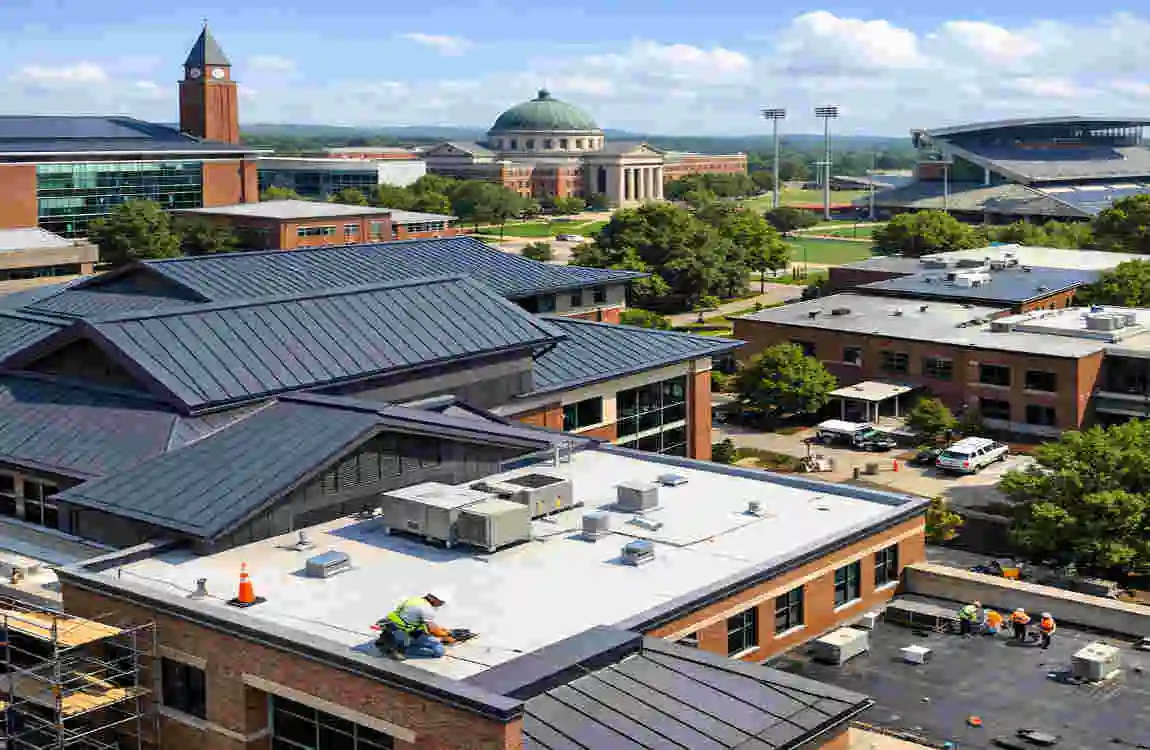
University campuses are usually made up of many different buildings. A classroom building has different needs than a dormitory or science lab.
For example, labs may need better ventilation and stronger roof systems. Dorms may need quiet, insulated construction. Libraries and offices may need stable indoor temperatures and low maintenance.
Because so many people use these spaces every day, universities must also handle high foot traffic, heavy equipment loads, and constant use. That puts more pressure on the roof and building structure.
Choosing Durable Roofing Materials
The right roofing material depends on climate, budget, and building use. Some of the most common commercial roofing choices include:
- Metal roofing
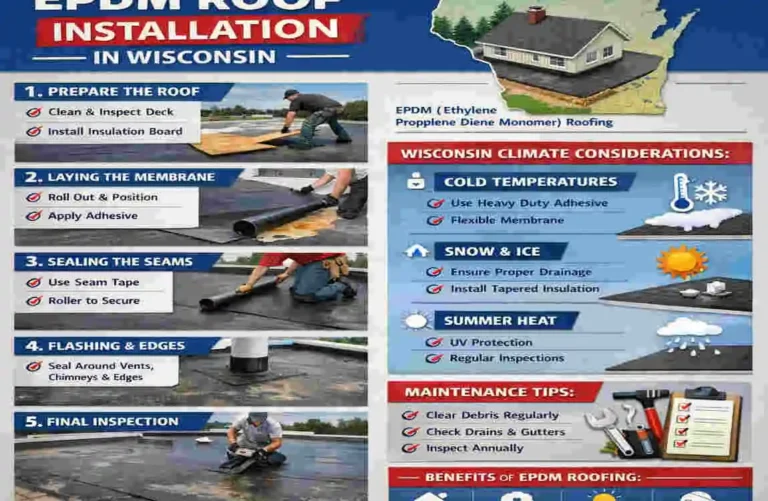
- Single-ply membranes
- Modified bitumen
- Built-up roofing
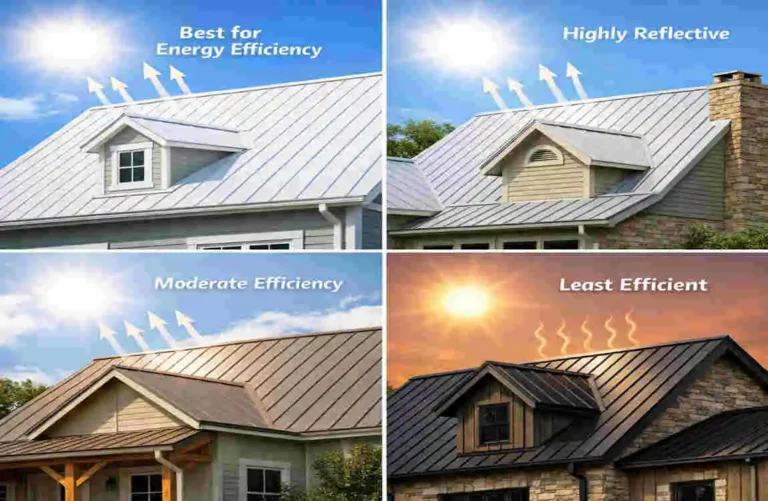
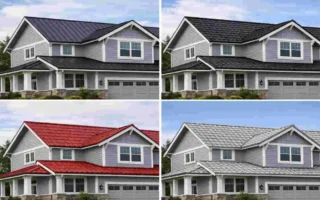
Metal roofing often lasts a long time and performs well in tough weather. Single-ply membranes are popular for flat or low-slope roofs. Modified bitumen and built-up roofing can also work well on large institutional buildings.
The key is to choose a material that matches the building’s needs. A professional installation matters just as much as the material itself.
Energy-Efficient Roofing Systems
Many universities now focus on energy-saving upgrades. Roofs can help with that goal in a big way.
A cool roof can reflect sunlight and reduce heat buildup. Good insulation helps keep indoor temperatures more stable. Proper ventilation also supports comfort and can reduce strain on HVAC systems.
This can lower operating costs and help the school advance its sustainability goals.
Smart Construction Planning
Good planning saves time, money, and stress. Before starting a project, universities should review the condition of the building, the roof, and the surrounding campus area.
They should also plan for budget, schedule, materials, and future performance. In many cases, it is smarter to invest in a better long-term solution than to choose the cheapest option right away.
Phased construction can also help reduce disruption for students and staff.
Smart Roofing Technologies for University Campuses
Roof Inspection and Monitoring
Regular inspections help catch small problems before they become major repairs. This is especially important on large campuses where roof damage may go unnoticed for some time.
Modern tools like thermal imaging, moisture detection, drones, and digital records can make inspections more accurate. They help facility teams see where trouble may be starting.
Early detection can save money and protect the building structure.
Solar-Ready Roofing Systems
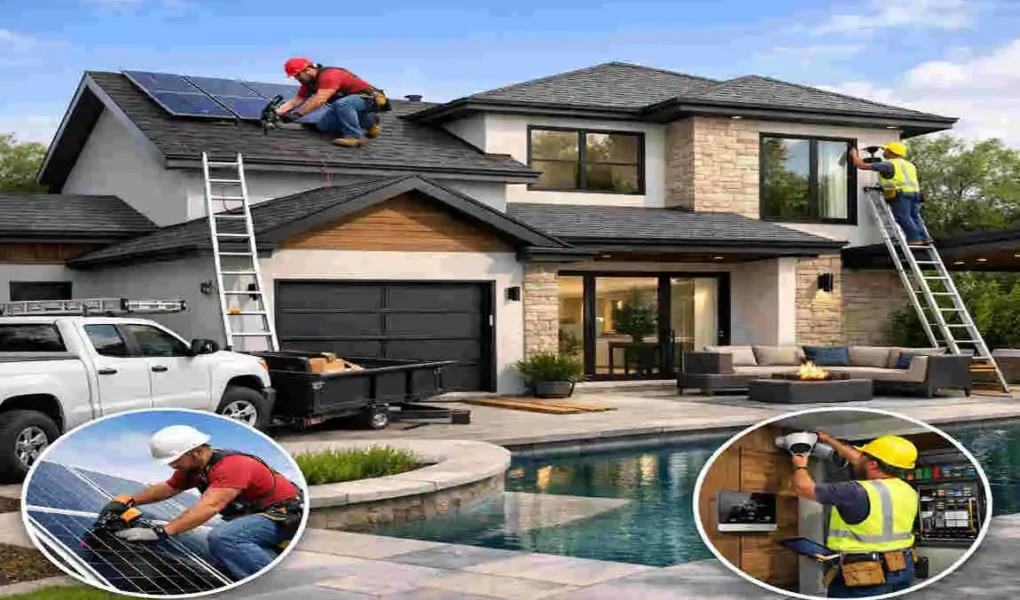
Many universities now want roofs that can support solar panels. That means the roof must be evaluated carefully before installation.
The roof should have adequate structural strength, proper drainage, adequate access, and good condition. If these things are planned early, solar power can be integrated into the campus energy strategy more easily.
Advanced Drainage and Waterproofing
Large buildings need strong drainage systems. Water that sits on a roof for too long can create serious damage.
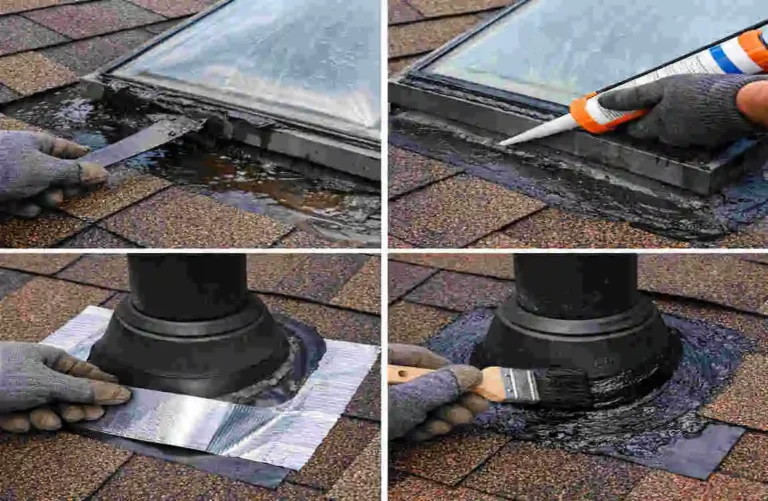
Good gutters, drains, scuppers, flashing, and waterproof membranes all help move water away from the structure. This is especially important on flat roofs and institutional buildings.
Smart Building Integration
Modern roofs do not work alone. They connect with insulation, lighting, HVAC systems, and building controls.
When these parts are planned together, the building performs better overall. That means better comfort, better efficiency, and fewer long-term issues.
Planning and Managing University Construction Projects
Building Assessment and Project Scope
Before work begins, contractors and facility managers should inspect the building carefully. They need to look for leaks, worn materials, insulation problems, and structural concerns.
A clear project scope helps everyone stay on the same page. It also makes budgeting and scheduling much easier.
Budgeting for Roofing and Construction
A roofing or construction budget should include more than just materials. It should also cover labor, equipment, permits, inspections, repairs, and future maintenance.
It is also wise to consider lifecycle costs. This means thinking about what the roof will cost over many years, not just on day one.
Minimizing Campus Disruptions
Construction can affect classes, student housing, parking, and daily campus activity. That is why scheduling matters so much.
Schools often use phased work, safety barriers, and clear communication to reduce disruption. When possible, major work is often planned during academic breaks.
Safety and Compliance
Safety is a top concern on campus. Workers need proper fall protection, and students and staff need secure access around construction zones.
Universities should work with contractors who understand building codes, site safety, and complex campus operations.
Sustainable University Roofing & Construction
Green Roofing Options
Green roofing ideas are becoming more common on campuses. These may include cool roofs, reflective materials, green roofs, and sustainable insulation.
These choices can help manage stormwater, reduce heat gain, and improve the building’s environmental performance.
Sustainable Construction Materials
Universities can also choose materials that are recycled, recyclable, durable, and low-maintenance. These materials support long-term sustainability goals.
A longer-lasting roof also means less waste over time, which is a major benefit.
Water Management
Water management is a big part of campus planning. Good roof drainage, stormwater control, rainwater collection, and smart site planning can reduce water-related problems.
This helps protect both the building and the land around it.
Improving Energy Performance
Roofing affects the whole building system. Insulation, air sealing, ventilation, windows, and HVAC all work together.
When the roof is upgraded well, the building often becomes more efficient and comfortable.
Maintenance Strategies for University Roofs
Routine Roof Inspections
University roofs should be checked on a regular schedule. This helps catch damage early.
Inspectors should look for cracks, punctures, damaged flashing, blocked drains, and any sign of water intrusion.
Preventive Maintenance
Preventive maintenance can extend roof life and reduce repair costs. That may include cleaning drains, fixing small damage, maintaining sealants, and checking flashing.
Small repairs done early are usually much cheaper than major fixes later.
Seasonal Maintenance
Roofs should be checked before and after severe weather. Heavy rain, wind, snow, and heat can all affect the condition of a roof.
Seasonal care helps the roof stay ready for changing conditions.
When to Repair or Replace a University Roof
Not every problem means the roof must be replaced. Sometimes a repair is enough.
But if the roof is old, leaking often, or showing widespread wear, replacement may offer better value. Rising repair costs can also be a warning sign.
How to Choose a University Roofing & Construction Contractor
Experience With Institutional Buildings
University projects are not the same as small commercial jobs. They often involve large buildings, busy schedules, and many people on site.
That is why experience with institutional work matters so much.
Licensing, Insurance, and Credentials
Always check that the contractor has the proper license, insurance, and qualifications. This protects the university and helps reduce risk.
Evaluating Proposals
Do not choose a contractor based only on the lowest price. Review the full proposal carefully.
Compare these points:
- Scope of work
- Material quality
- Warranty coverage
- Timeline
- Cleanup
- Maintenance support
Warranty and Long-Term Support
A good warranty gives peace of mind. The university should also know who to contact after the project is finished.
Long-term support matters because even a well-built roof may need routine care.
Future Trends in University Roofing & Construction
Smart Sensors and Digital Monitoring
Sensors can help track moisture, temperature, and building performance. This gives facility teams more useful data.
It also helps them spot problems earlier.
Artificial Intelligence and Predictive Maintenance
AI may help identify patterns in roof performance and maintenance needs. That can make planning easier and more accurate.
Resilient Campus Construction
Future campus buildings need to handle stronger weather and heavier use. Durable materials, better drainage, and strong insulation will matter even more.
Net-Zero and Sustainable Campuses
Many universities are aiming for lower energy use and greater use of renewable power. Roofing projects can support these goals by making buildings more efficient and solar-ready.
Benefits of Investing in Smart University Roofing & Construction

A smart roofing and construction plan brings many benefits.
Benefit Why It Matters
Better durability Helps buildings last longer
Water protection Reduces leaks and damage
Energy efficiency Lowers utility costs
Less emergency repair Saves time and money
Lower maintenance Makes facility care easier
Better comfort Supports students and staff
Improved safety Protects the campus community
Sustainability support Helps meet green goals
These benefits show why roofing should be treated as a long-term investment, not just a quick fix.
Frequently Asked Questions
What is university roofing & construction?
It covers the planning, installation, repair, replacement, maintenance, and modernization of roofs and building systems across university campuses.
What roofing material is best for a university building?
It depends on the building, climate, budget, roof design, and long-term goals. Metal, single-ply membranes, and modified bitumen are common choices.
How often should a university roof be inspected?
It should be inspected regularly and again after severe weather or when problems appear.
How can universities reduce roofing maintenance costs?
They can use preventive maintenance, routine inspections, proper drainage, durable materials, and digital monitoring.
Are solar panels suitable for university roofs?
Yes, if the roof has the right structure, condition, access, and orientation.
How can construction minimize disruption on a university campus?
Phased work, clear communication, safety barriers, and planning major work during breaks all help reduce disruption.
What makes a university roofing contractor reliable?
Look for institutional experience, proper licensing, insurance, safety practices, clear proposals, and strong warranties.
Why is sustainable construction important for universities?
It helps lower energy use, supports environmental goals, and improves long-term campus resilience.
| Aspect | Smart Building Solution |
|---|---|
| Roofing Systems | Durable, energy-efficient roofs designed for long-term campus use |
| Construction Materials | Sustainable and weather-resistant materials |
| Energy Efficiency | Insulation, solar systems, and energy-saving designs |
| Smart Technology | Building automation, sensors, and smart monitoring |
| Safety | Strong structural systems, fire protection, and secure access |
| Maintenance | Preventive inspections and efficient repair solutions |
| Student Comfort | Better lighting, ventilation, temperature control, and acoustics |
| Sustainability | Green construction practices and reduced energy consumption |
| Main Benefit | Lower operating costs, improved durability, and modern campus performance |
Related Posts