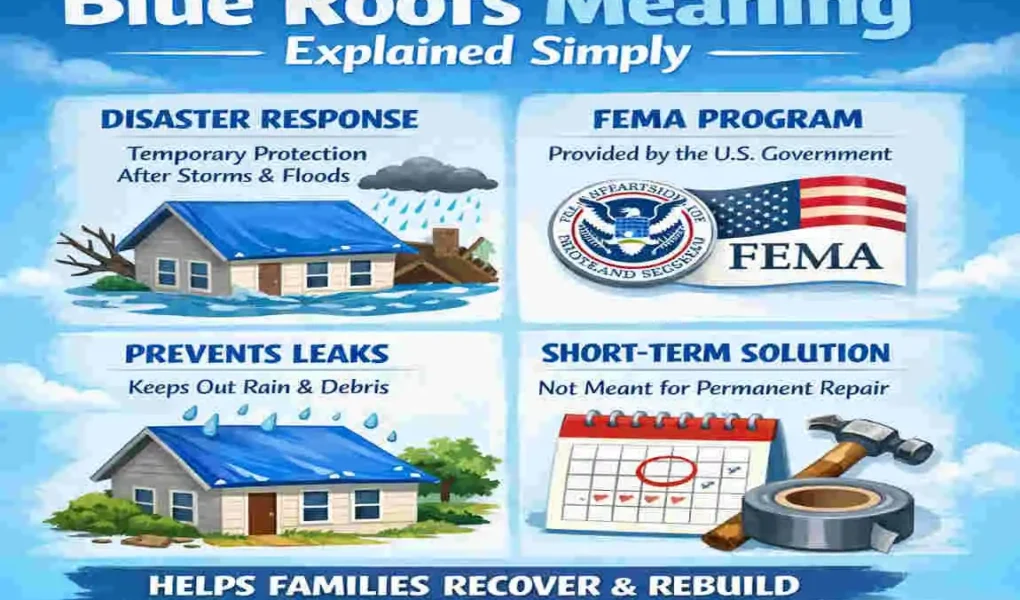
Have you ever walked past a modern building and heard someone mention its “blue roof”? If you pictured a roof painted a bright, ocean blue, you are certainly not alone! However, in the world of modern architecture and construction, this term means something completely different.
So, what are blue roofs exactly? They are specially designed roofing systems built to catch, store, and slowly release rainwater. As cities grow larger and concrete covers more ground, heavy rainstorms often overwhelm our city drains. Architects and builders needed a smart way to prevent sudden flooding, and thus the blue roofing system was born.
The popularity of these systems is skyrocketing. Unlike traditional roofs that quickly dump rainwater into gutters, these innovative systems act like a giant sponge or a temporary holding tank. They protect our streets from flooding and keep our urban spaces safe.
If you want to understand the meaning of blue roofs, how they work, and why they are changing the way we build, you are in the right place. Let us dive into everything you need to know about this brilliant, eco-friendly design!
What Is the Blue Roofs Meaning?
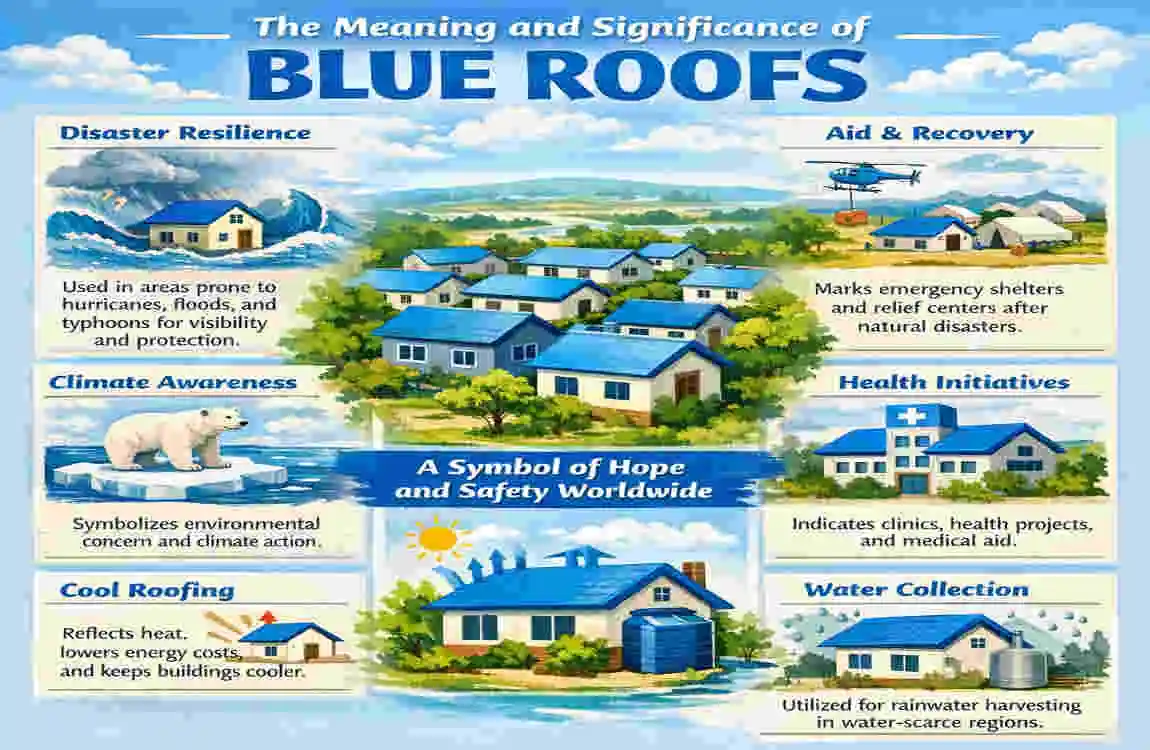
Understanding this roofing style is much easier than you might think. Let us break it down into simple, bite-sized pieces, so you know exactly what the experts are talking about.
Simple Definition
To put it simply, the term “blue roofs” refers to a roof system designed to temporarily store rainwater and release it slowly over time. Instead of letting water rush off the building immediately, the roof holds it back.
Think of it like a bathtub with a very slow drain. When a massive storm hits, the roof fills up with a shallow layer of water. Over the next few hours or days, that water slowly drains away. The main purpose of a blue roof is to manage stormwater and prevent local flooding.
Why Are They Called Blue Roofs?
You might be wondering, “Why call it blue if it isn’t actually painted blue?” The name comes directly from its relationship with water.
In environmental design, “green” features relate to plants and nature, while “blue” features relate to water management. Because these roofs are all about catching, holding, and managing rainwater, the construction industry adopted the “blue” label to describe their water-focused purpose.
History of Blue Roof Systems
This is not just a passing trend. The origins of stormwater storage concepts date back several decades, but they have become a major focus in recent years.
As cities expanded, developers paved over natural soil with concrete and asphalt. Because rain could no longer soak into the ground, city sewer systems began overflowing during heavy storms. In response, city planners and engineers created these roof systems to slow down the rush of water. Today, their growth in modern construction is massive, especially in large urban centers where space is tight.
How Does a Blue Roof Work?
You know what it is, but how does a flat surface safely hold hundreds of gallons of water without collapsing or leaking? It all comes down to clever engineering.
Rainwater Collection Process
When a storm begins, the roof acts as a giant catching tray. Rain falls onto the flat surface of the building. Traditional roofs have a slight slope that rushes water straight into the gutters. However, this system features tiny barriers and specialized drains that intentionally stop the water from escaping right away.
Water Storage and Controlled Drainage
Once the rain stops, the roof holds a shallow pool of water. This is the water storage phase. But the roof cannot hold this water forever.
Slowly, the system allows the water to trickle down into the city’s drainage system. This controlled drainage is the magic of the whole process. By the time the roof finally empties, the heavy storm has passed, and the city sewers can easily handle the slow trickle of water.
Key Components
To make this happen safely, builders use a few crucial parts. Here is a quick look at the anatomy of the system:
- Roof membrane: A highly durable, waterproof layer that stops water from leaking into the building.
- Drain outlets: Specially placed holes where the water eventually escapes.
- Flow restrictors: Small devices placed over the drains that slow down the escaping water.
- Overflow drains: Emergency drains placed slightly higher up. If the water gets too deep, these drains open up to prevent the roof from overloading.
- Waterproof layer: Extra sealing materials that protect the structural integrity of the building.
Types of Blue Roof Systems
Not all water-holding roofs are the same. Depending on the building’s needs and budget, architects can choose among three main system types.
Passive Blue Roof
This is the simplest and most common design. A passive system relies entirely on gravity and basic physical barriers. The builder installs a flow restrictor over the drain, which acts like a bottleneck. You do not need electricity or computers to run it. When it rains, the restrictor naturally slows the flow.
Active Blue Roof
An active system is a bit more advanced. Instead of a simple physical bottleneck, it uses mechanical valves that open and close based on a timer or water levels. Building managers can manually control how much water stays on the roof and when to release it.
Smart Blue Roof Technology
Welcome to the future of roofing! Smart technology takes the active system and connects it to the internet.
The system checks live weather forecasts. If it sees a massive hurricane coming in three days, the computer automatically opens all valves to drain the roof completely, making room for the new rain. This high-tech solution ensures the building is always prepared for extreme weather.
Benefits of Blue Roofs
Why are developers spending money on these systems? The advantages go far beyond just holding puddles of water. Here are the biggest benefits you should know about.
Reduces Flooding
Flash floods cause billions of dollars in damage every year. By catching the rain right where it falls, these roofs stop huge waves of water from hitting the streets all at once. This significantly reduces the risk of dangerous flash floods in your neighborhood.
Controls Stormwater Runoff
When rain washes over city streets, it picks up oil, trash, and chemicals before dumping them into our rivers and oceans. By controlling the stormwater runoff, these roofs ensure that water enters our sewers slowly, giving water treatment plants the time they need to clean the water properly.
Protects Urban Infrastructure
City pipes, sewers, and drains are old and easily overwhelmed. Rebuilding an entire city’s sewer system costs too much money. Instead, adding these holding systems to building tops protects the existing urban infrastructure from bursting or backing up into homes.
Improves Water Management
Water is a precious resource. Some active systems actually save the stored rainwater. Instead of sending it to the sewer, the building uses the collected water to flush toilets, run cooling towers, or water nearby landscaping!
Supports Sustainable Building Design
If a company wants to build a “green” or eco-friendly building, it must prove it is protecting the environment. Installing one of these systems earns buildings valuable sustainability certifications, like LEED points, which makes the property more valuable.
Can Lower Cooling Costs
When water sits on a roof, the sun eventually heats it, causing it to evaporate. This evaporation process actually draws heat away from the building. As a result, the building stays naturally cooler, reducing the need for heavy air conditioning and lowering energy bills.
Blue Roof vs Green Roof
People often confuse these two sustainable roofing options. While they both help the environment, they do completely different jobs. Let us compare them side-by-side.
FeatureBlue RoofGreen Roof
Main Purpose Water storage Vegetation growth
Plants No Yes
Stormwater Control Excellent Excellent
Maintenance Low Moderate
Installation Cost Moderate Higher
Weight Moderate Heavy
As you can see, if you want a beautiful garden space, choose a green one. If you want a lower-maintenance, cost-effective way to handle heavy rain, a blue one is your best bet.
Where Are Blue Roofs Commonly Used?
Because these roofs require a flat surface and strong structural support, you will not usually see them on traditional pitched-roof houses. Instead, they shine in the commercial and public sectors.
Commercial Buildings
Office parks and massive corporate headquarters love this technology. Because commercial buildings have huge, flat tops, they catch a massive amount of rain. Controlling that rain is crucial for city planning.
Warehouses
Think about the gigantic flat roofs on shipping centers and industrial warehouses. They are the perfect candidates for this system. They provide acres of space to store and delay rainwater safely.
Schools
Many modern schools and universities are adopting sustainable designs. Not only do these systems protect the campus from flooding, but they also serve as an excellent real-world science lesson for the students.
Hospitals
Hospitals must remain operational during extreme weather events. Preventing local flooding ensures that ambulances can always reach the emergency room doors safely.
Apartment Buildings
In dense cities, large high-rise apartment complexes use these systems to comply with strict urban water regulations. It keeps the surrounding neighborhood streets dry for pedestrians.
Government Buildings
City halls, libraries, and public recreation centers often lead by example. Local governments install these systems on their own buildings to showcase their commitment to eco-friendly urban planning.
Materials Used in Blue Roof Construction
You cannot just plug a drain and hope for the best. To build this system safely, contractors use specialized, high-quality materials.
Waterproof Membranes
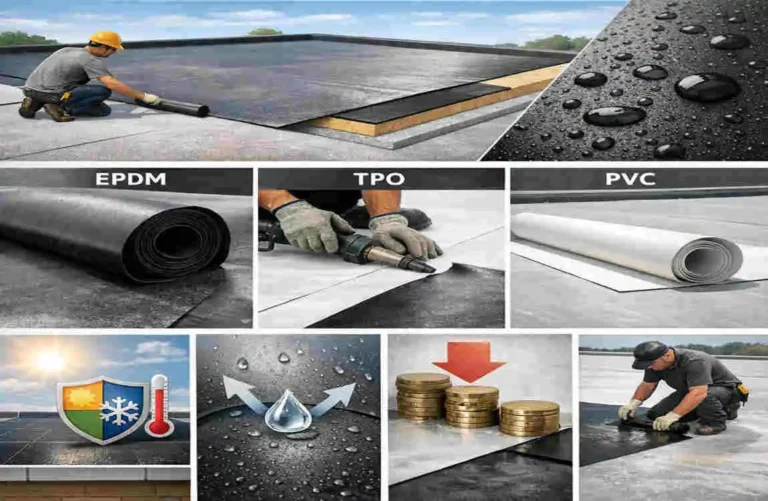
This is the most critical layer. Builders lay down thick, rubberized sheets or liquid-applied barriers that completely seal the building. It ensures that no matter how long the water sits there, not a single drop will leak into the rooms below.
Drainage Systems
Pipes, gutters, and specialized scuppers make up the drainage network. These materials must be highly durable and rust-proof, as they are constantly exposed to standing water.
Water Retention Trays
Sometimes, builders use modular plastic trays. These trays look a bit like giant egg cartons. They hold the water in small individual pockets, which stops the water from sloshing around too heavily during high winds.
Insulation Materials
Sitting water can make a roof very cold in the winter. Builders install dense foam insulation boards underneath the waterproof membrane to keep the interior of the building comfortable and warm.
Blue Roof Installation Process
Curious about how a builder actually puts one of these together? Installing this system requires careful planning and expert execution. Let us walk through the process.
Roof Inspection
First, a professional team evaluates the existing space. They check the building’s age, the condition of the current surface, and look for any weak spots that need fixing before work begins.
Structural Assessment
Water is incredibly heavy! One inch of water over a large area weighs thousands of pounds. An engineer must calculate the roof‘s load capacity to ensure the building will not collapse under the weight of rainwater.
Waterproofing
Next comes the installation of the thick waterproof membrane. Workers carefully roll out the material, sealing every seam and edge with extreme heat or strong adhesives. This step must be flawless.
Drainage Installation
Once the surface is watertight, plumbers install the flow restrictors, the main drains, and the emergency overflow drains. They calibrate the restrictors to release water at the exact speed required by the city.
Final Testing
Before packing up, the crew floods the roof with a hose. They monitor how the water pools, ensure there are absolutely no leaks, and verify that the drains release water at the correct rate.
Blue Roof Maintenance Tips
One of the best things about this technology is how easy it is to look after. However, you cannot just install it and forget it. A little regular care goes a long way.
Inspect Drains Regularly
The flow restrictors have very small openings. Make sure you or a maintenance worker checks these drains every few months to ensure they are working perfectly.
Remove Debris
Leaves, plastic bags, and twigs blow onto roofs all the time. If this trash clogs the drain, the water cannot escape, and the roof could become dangerously heavy. Sweep the area clear of debris regularly.
Check Waterproof Membranes
Once a year, take a slow walk around the surface. Look for any cracks, bubbles, or peeling seams in the waterproof layer. Catching a tiny tear early prevents massive water damage down the line.
Inspect After Heavy Rain
Whenever a massive storm passes through, head up to the roof. Check that the water is draining as expected and that the emergency overflow drains remain clear of blockages.
Are Blue Roofs Expensive?
Money is always a big question. Property owners want to know if this sustainable upgrade will empty their bank accounts.
Average Installation Cost
Generally, a blue roof costs more than a standard flat roof, but significantly less than a lush green roof. The exact price varies widely, but you can expect to pay a moderate premium for specialized engineering, heavy-duty waterproofing, and advanced drainage.
Factors Affecting Cost
Your final bill will depend on several unique factors:
- Roof size: Larger surfaces require more waterproofing materials.
- Materials: Smart technology and computer-controlled valves cost much more than a passive drain system.
- Drainage system: Complex plumbing setups will increase labor costs.
- Building design: If engineers have to reinforce your building’s structure to hold the water weight, the price will spike.
- Labor costs: Depending on your city, hiring specialized eco-friendly contractors may carry a premium.
Advantages and Disadvantages
Every construction choice comes with pros and cons. Let us weigh the good against the bad to give you a clear picture.
Advantages
- Excellent stormwater management: Safely holds rain to stop street flooding.
- Eco-friendly: Relieves pressure on city water treatment plants.
- Reduces urban flooding: Keeps communities safe during intense weather.
- Long-lasting: The heavy-duty membranes used are highly durable.
- Low maintenance: Requires far less care than a plant-filled green roof.
Disadvantages
- Higher upfront cost: More expensive than a standard, traditional roof.
- Requires proper engineering: You must pay a structural engineer to verify that the building can support the load.
- Regular inspections needed: You must routinely check for clogged drains and debris.
Common Myths About Blue Roofs
Because this is a relatively new concept for the general public, plenty of rumors float around. Let us debunk some of the most common myths right now.
Blue Roofs Are Painted Blue
As we learned earlier in the blue roofs meaning, the color of the paint has absolutely nothing to do with it! They are usually black, white, or gray. The word “blue” refers to water management.
They Always Hold Standing Water
Many people worry that these roofs will become mosquito-breeding swamps. This is completely false. The system is designed to hold water temporarily. Usually, the water drains completely within 24 to 48 hours after a storm ends.
They Are Only for Large Buildings
While they are most popular on commercial warehouses and hospitals, smaller flat-roofed structures can absolutely use them. Townhouses and small office spaces with flat tops can benefit from mini-systems.
They Require Constant Maintenance
Unlike a green roof where you have to weed, water, and fertilize plants constantly, this system is very passive. Aside from clearing out leaves and checking the drains a few times a year, it practically runs itself.
Are Blue Roofs Right for Your Property?
Should you consider adding one of these to your next building project? That depends on a few specific factors regarding your location and architecture.
Best Climate Conditions
These systems thrive in areas that experience intense, sudden rainstorms. If you live in a region prone to flash floods or heavy seasonal monsoons, this system is a brilliant investment. If you live in a desert, it might not be worth the cost.
Suitable Roof Types
You absolutely must have a flat or very low-sloped roof. If your building has a steep, triangular pitch, the water will rush off too quickly, and the system will not work.
When You Should Consider One
You should consider this upgrade if your city offers tax breaks for sustainable building, if you are struggling with local flooding on your property, or if local building codes require you to manage your own stormwater.
Tips Before Installing a Blue Roof
If you are ready to take the plunge, do not just hire the first contractor you find. Follow these essential tips to ensure a smooth, safe installation.
- Hire qualified roofing professionals: Ensure the team has specific experience with water-retention systems.
- Check local building codes: Some cities have strict rules about how much water you can legally retain and release.
- Assess roof load capacity: Never skip the structural engineering check. Safety first!
- Plan maintenance schedule: Set reminders on your calendar to check for leaves and debris.
- Compare installation costs: Get at least three quotes from different companies to ensure you get a fair price.
Frequently Asked Questions (FAQs)
What is the blue roofs meaning?
The term “blue roofs” refers to a specially designed flat roof that temporarily catches and stores rainwater, slowly releasing it into the drainage system to prevent local flooding.
How does a blue roof store rainwater?
It uses a highly durable waterproof membrane combined with flow-restricting drains. These drains act like a bottleneck, holding a shallow pool of water on the roof and letting it trickle out slowly.
Are blue roofs environmentally friendly?
Yes, very much so. They prevent polluted stormwater runoff from rushing into our rivers and reduce the strain on city water treatment facilities during major storms.
What is the difference between a blue roof and a green roof?
A blue roof focuses purely on storing and draining water using physical barriers. A green roof is covered in soil and living plants, which soak up the rainwater naturally.
Can residential homes have blue roofs?
Generally, they are not used on traditional pitched-roof houses. However, residential buildings with flat roofs, like modern townhomes or apartment buildings, can definitely use them.
Do blue roofs reduce flooding?
Absolutely. By acting as a temporary holding tank, they stop massive waves of rain from overwhelming the street drains all at once, which is the main cause of urban flash floods.
How much does a blue roof cost?
They cost more than a standard roof but less than a green one. The exact cost depends on the size of the building, structural reinforcement needs, and whether you use passive or smart active technology.
How long does a blue roof last?
With proper maintenance, the thick waterproof membranes and high-quality drainage materials can easily last 20 to 30 years or more.
| Topic | Information |
|---|---|
| What Is a Blue Roof? | A blue roof is a roof designed to temporarily store rainwater before slowly releasing or reusing it. |
| Main Purpose | Reduces stormwater runoff, helps prevent flooding, and eases pressure on drainage systems. |
| How It Works | Water is collected on the roof and released gradually through controlled drains or storage systems. |
| Common Materials | Waterproof membranes, drainage layers, flow-control outlets, and structural roof decks. |
| Best For | Commercial buildings, apartments, schools, warehouses, and some residential homes. |
Related Posts