
Your roof is one of the most important parts of your home. It protects you from the elements, ensures your home stays comfortable, and adds value to your property. But like any part of your house, your roof requires care to stay in top condition. That’s where a roof tune-up comes in.
So, what is a roof tune-up? Simply put, it’s a preventive maintenance service designed to keep your roof in good shape. It involves inspecting, cleaning, and making minor repairs to ensure your roof performs well and lasts as long as possible. Think of it like taking your car for an oil change—it’s a small investment that can prevent much bigger problems down the road.
What Is a Roof Tune-Up?

A roof tune-up is more than just a quick check-up. It’s a detailed process that focuses on maintaining your roof’s health and preventing bigger issues. Let’s dive deeper into its definition and purpose.
Definition of a Roof Tune-Up
A roof tune-up is a professional preventive maintenance service that involves inspecting your roof, cleaning debris, fixing minor issues, and ensuring everything is functioning properly. Unlike full repairs or replacements, a tune-up is focused on small adjustments to maintain your roof’s overall integrity.
Here’s the main difference between a roof tune-up and repairs:
- Roof Tune-Up: Focuses on maintenance and preventing problems.
- Roof Repairs: Fixes existing damage or issues.
While repairs are reactive, a tune-up is proactive. It identifies potential problems early, saving you from costly fixes later.
Purpose of a Roof Tune-Up
The primary goal of a roof tune-up is to extend your roof’s lifespan and protect your home. Here’s why it’s essential:
- Prevents Leaks: Small cracks, gaps, or missing shingles can cause water leaks. A tune-up catches these issues early.
- Improves Roof Performance: Regular maintenance ensures your roof performs its primary job—keeping your home safe and dry.
- Increases Longevity: Just like maintaining your car or HVAC system, a tune-up helps your roof last longer.
- Protects Home Structure: A damaged roof can cause structural problems, including water damage to walls, ceilings, and insulation.
By investing in regular roof tune-ups, you’re ensuring your home stays protected and avoiding expensive repairs.
What Does a Roof Tune-Up Include?
A roof tune-up isn’t just about taking a quick look at your roof. It involves a series of steps to ensure every part of your roof is functioning properly. Here’s what’s typically included.
Roof Inspection
The first step in a roof tune-up is a thorough inspection. A professional will carefully examine your roof for:
- Missing or Damaged Shingles: These are common problem areas that can lead to leaks.
- Cracked or Broken Tiles: Especially important for tile roofs.
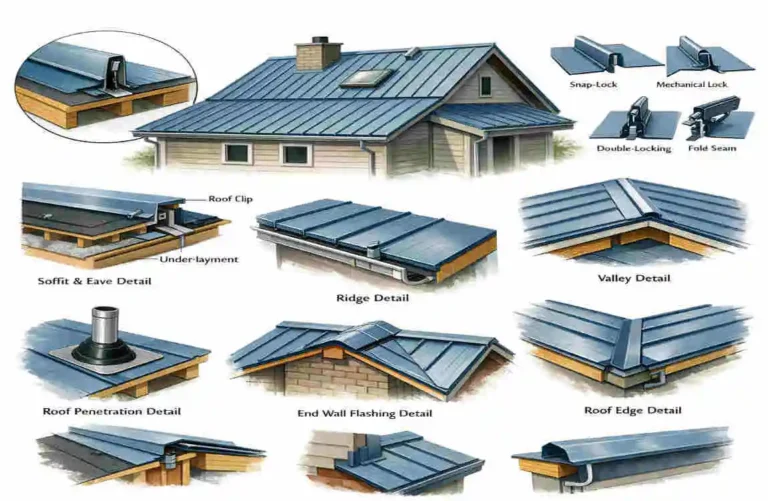
- Flashing Issues: Flashing protects areas like chimneys and vents; damaged flashing can cause water to seep into your home.
This inspection helps identify potential issues early.
Cleaning the Roof
Over time, debris like leaves, branches, and dirt can accumulate on your roof. Cleaning your roof during a tune-up helps prevent damage. Key tasks include:
- Removing Leaves and debris: Prevents buildup that can trap moisture and cause rot.
- Cleaning Valleys: Roof valleys are prone to debris accumulation, which can block water flow.
A clean roof isn’t just aesthetic—it’s crucial for proper drainage.
Gutter Maintenance
Gutters play a vital role in directing water away from your home. As part of a tune-up, professionals will:
- Clean Gutters and Downspouts: Remove leaves and debris to ensure proper water flow.
- Check for Damage: Ensures gutters aren’t cracked or sagging.
- Ensure Proper Drainage: Prevents water from pooling near your foundation.
Minor Repairs
A roof tune-up often includes small repairs to address issues before they become serious. Common fixes might include:
- Replacing damaged or missing shingles.
- Sealing exposed nails.
- Fixing loose or damaged flashing.
- Caulking small gaps to prevent leaks.
Moss and Algae Treatment
Moss and algae might seem harmless, but they can cause significant damage over time. During a tune-up, professionals will:
- Remove Moss and Algae: These can trap moisture and degrade roofing materials.
- Apply Preventive Treatments: Helps stop moss and algae from growing back.
Why Is a Roof Tune-Up Important?
You might be wondering, “Why bother with a roof tune-up?” The answer lies in the many long-term benefits it offers.
Prevents Expensive Repairs
Small problems, like missing shingles or loose flashing, can quickly turn into major issues if ignored. A tune-up catches these problems early, saving you from costly repairs down the line.
Extends Roof Lifespan
Regular maintenance ensures your roof stays in good condition for years. By addressing wear and tear early, you can avoid premature replacement.
Improves Energy Efficiency
A well-maintained roof provides better insulation and ventilation, helping to keep your home energy-efficient and lowering your utility bills.
Prevents Water Damage
Leaks can lead to water damage, mold growth, and structural problems. A tune-up helps prevent these issues by ensuring your roof is watertight.
Protects Home Value
A well-maintained roof adds curb appeal and value to your home. It’s especially important if you’re planning to sell your house.
Maintains Manufacturer Warranty
Many roofing warranties require regular maintenance. Neglecting this can void your warranty, leaving you responsible for costly repairs.
Signs Your Roof Needs a Tune-Up
How do you know it’s time for a roof tune-up? Look out for these warning signs:
- Missing or Curled Shingles: Indicates wear and tear or storm damage.
- Roof Stains: Could signal water damage or algae growth.
- Water Leaks: A clear sign your roof needs attention.
- Mold or Mildew: Often caused by trapped moisture.
- Damaged Flashing: Increases the risk of leaks.
- Granules in Gutters: A sign your shingles are deteriorating.
- Sagging Roof Areas: Indicates structural issues.
If you notice any of these signs, schedule a tune-up as soon as possible to prevent further damage.
How Often Should You Schedule a Roof Tune-Up?
Most experts recommend a roof tune-up once a year. However, certain circumstances might require more frequent inspections, such as:
- Severe Climates: If you live in an area with heavy snowfall, storms, or extreme heat, consider scheduling a tune-up twice a year.
- After Storms: High winds and hail can damage your roof; always inspect it after severe weather.
- Before Winter: Ensures your roof is ready for harsh weather.
- Before Selling Your Home: A well-maintained roof can increase your home’s value.
Roof Tune-Up vs Roof Repair vs Roof Replacement
Here’s a quick comparison of these three services:
ServiceBest ForCostLifespan Impact
Roof Tune-Up Preventive maintenance Low High
Roof Repair Fixing damage Medium Moderate
Roof Replacement Old or failing roof High Maximum
A tune-up is the most affordable way to maintain your roof and extend its lifespan.
How Much Does a Roof Tune-Up Cost?
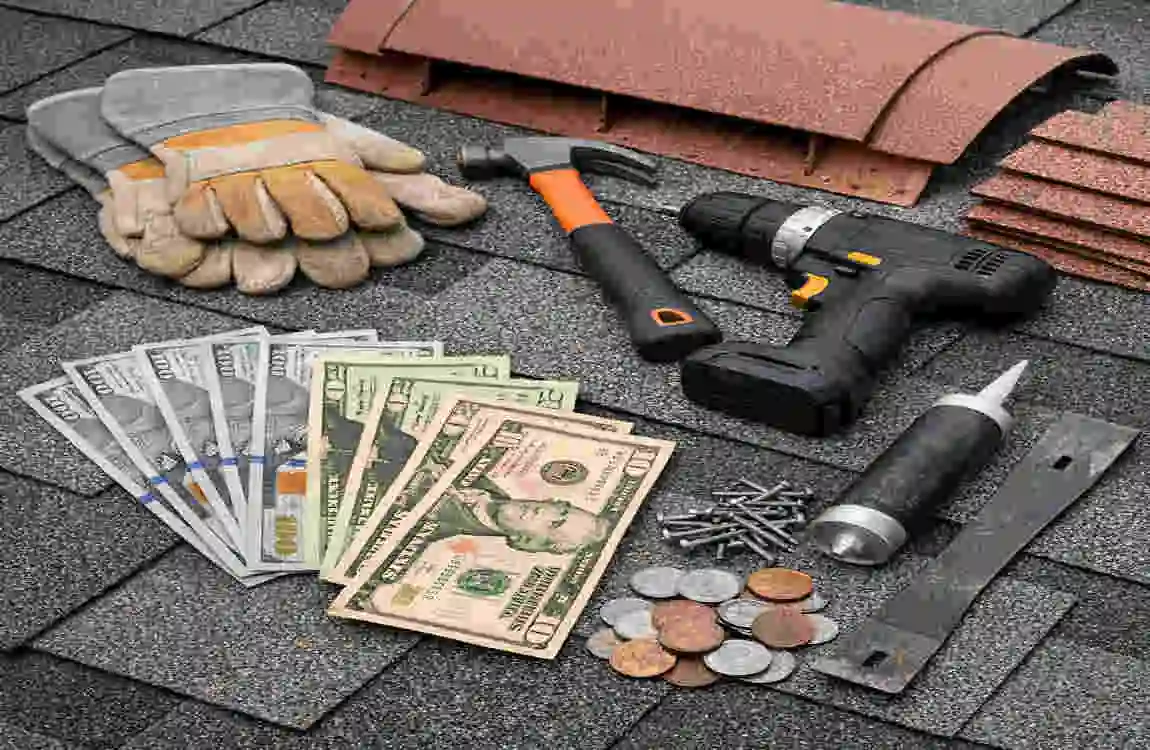
The cost of a roof tune-up typically ranges from $200 to $600. Factors that affect the cost include:
- Roof Size: Larger roofs cost more to inspect and maintain.
- Roof Pitch: Steeper roofs are more challenging to work on.
- Roofing Material: Certain materials, like tile or slate, are more expensive to maintain.
- Home Location: Costs vary depending on local labor rates.
- Extent of Maintenance: More issues = higher costs.
DIY Roof Tune-Up vs Hiring a Professional
Should you perform a roof tune-up yourself or hire a pro? Let’s compare:
DIY
Pros:
- Saves money.
- Allows for basic maintenance.
Cons:
- Safety risks.
- Limited expertise.
- May void warranties.
Professional Service
Pros:
- Thorough inspection.
- Expert repairs.
- Safer and more effective.
- Preserves warranties.
Cons:
- Higher upfront cost.
For most homeowners, hiring a professional is the safer and more effective option.
Tips to Keep Your Roof in Excellent Condition
Here are some tips to maintain your roof between tune-ups:
- Inspect your roof after storms.
- Clean gutters regularly.
- Trim overhanging branches.
- Remove debris from the roof.
- Address small issues immediately.
- Schedule annual inspections.
- Ensure proper attic ventilation.
- Prevent moss and algae growth.
Frequently Asked Questions (FAQ)
What is a roof tune-up?
A preventive maintenance service that includes inspection, cleaning, and minor repairs.
How often should it be done?
Once a year, or twice yearly in areas with harsh weather.
Is it worth it?
Yes! Tune-ups prevent costly repairs and extend roof lifespan.
Can I do it myself?
Basic cleaning is possible, but professional tune-ups are recommended.
What’s included in a tune-up?
Inspection, cleaning, gutter maintenance, moss treatment, and minor repairs.
| Aspect | Information |
|---|---|
| What Is a Roof Tune-Up? | A roof tune-up is routine preventive maintenance that includes inspecting, cleaning, and repairing minor roof issues before they become major problems. |
| Purpose | To extend the roof’s lifespan, improve performance, and prevent costly repairs. |
| Typical Services | Roof inspection, sealing small leaks, replacing damaged shingles, clearing gutters, checking flashing, and removing debris. |
| Why It Is Important | Helps identify hidden damage early, reduces the risk of water leaks, and maintains the roof’s structural integrity. |
| Key Benefits | Prevents expensive repairs, improves energy efficiency, extends roof life, and protects your home’s interior. |
| Recommended Frequency | At least once a year and after severe weather such as storms, hail, or heavy winds. |
| Suitable For | Asphalt shingle, metal, tile, slate, and flat roofing systems. |
| Signs You Need One | Missing shingles, clogged gutters, water stains on ceilings, cracked flashing, moss growth, or visible roof wear. |
| Average Cost | Typically $150–$600, depending on roof size, condition, and location. |
| Long-Term Value | Regular roof tune-ups help maintain property value, reduce emergency repairs, and maximize the roof’s expected lifespan. |
Related Posts