When people plan a home, they usually think about the rooms, the floor plan, the paint colors, or the kitchen layout. But there is another detail that often gets less attention than it should: roof height. At first, it may seem like a small technical point. In reality, it can shape how a home looks, feels, and performs every single day.
The average roof height matters because it affects more than the outside appearance of a house. It plays a role in ventilation, energy efficiency, natural light, structural safety, and even how spacious the home feels inside. A taller roof can help hot air rise and move out more easily, while a lower roof may work better in some climates and design styles. Roof height also affects how a home fits local building codes and zoning rules.
If you are a homeowner, buyer, builder, or even someone planning a renovation, understanding roof height can save you from costly mistakes. You may not think about it until there is a problem, but roof height influences comfort and long-term value in a very real way. A home with the right roof height can feel airy, balanced, and efficient. A home with the wrong one can feel cramped, overheated, or awkward in design.
What Does Roof Height Mean?
Definition of roof height
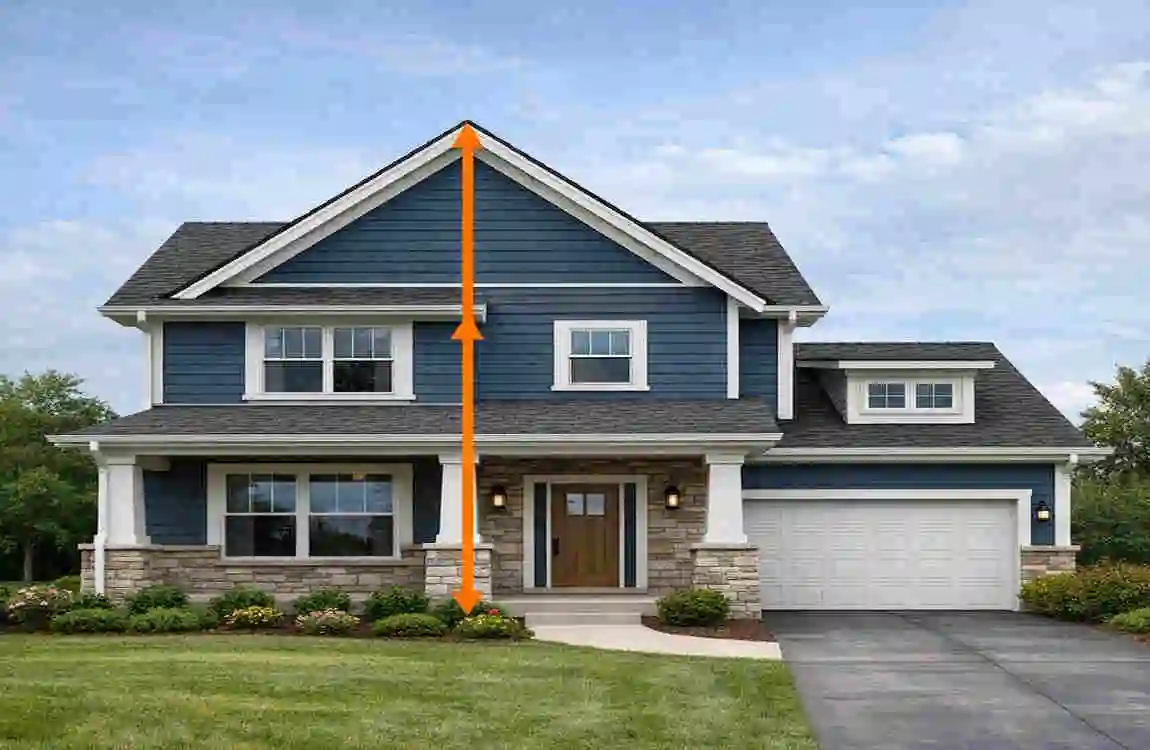
Roof height is the vertical distance from the floor level of the house to the highest point of the roof. In simple terms, it tells you how tall the building is from inside or outside, depending on how the measurement is taken.
People sometimes confuse roof height with ceiling height or wall height, but they are not the same thing. Ceiling height is the distance from the floor to the inside ceiling. Wall height is the height of the walls before the roof begins. Roof height includes the structure above the walls, such as the sloping part of the roof, the ridge, and any framing that adds to the total height.
This matters because two homes can have the same ceiling height but very different roof heights. For example, a flat-roof home and a steep gable-roof home may feel completely different even if their room heights are similar.
Difference between ceiling height, wall height, and roof pitch height
These terms often get mixed up, so let’s keep them simple:
- Ceiling height: The space from the floor to the inside ceiling
- Wall height: The height of the vertical walls supporting the roof
- Roof pitch height: The extra height created by the slope of the roof
If a home has a high-pitched roof, the roof adds more vertical height. If the roof is flat or slightly sloped, the total roof height is lower.
That difference affects both the inside and the outside of the house. A taller roof can create more space in the attic or upper rooms, while a lower roof may make the home look more compact and modern.
Types of roof height measurements
There are also a few ways roof height may be measured in real projects.
Eave height
The eave height is the height measured up to the lower edge of the roof, where the roof meets the walls. This is often used in design plans and building rules.
Ridge height
The ridge height is the highest point of the roof. This is the number many people think of when they picture how tall the roof really is.
Structural height vs architectural height
- Structural height focuses on the actual building structure.
- Architectural height may include design details, decorative features, or roof shapes that make the home appear taller.
Understanding these measurement types helps you avoid confusion when reading plans, permits, or property details.
Average Roof Height in Residential Homes
Standard single-story homes
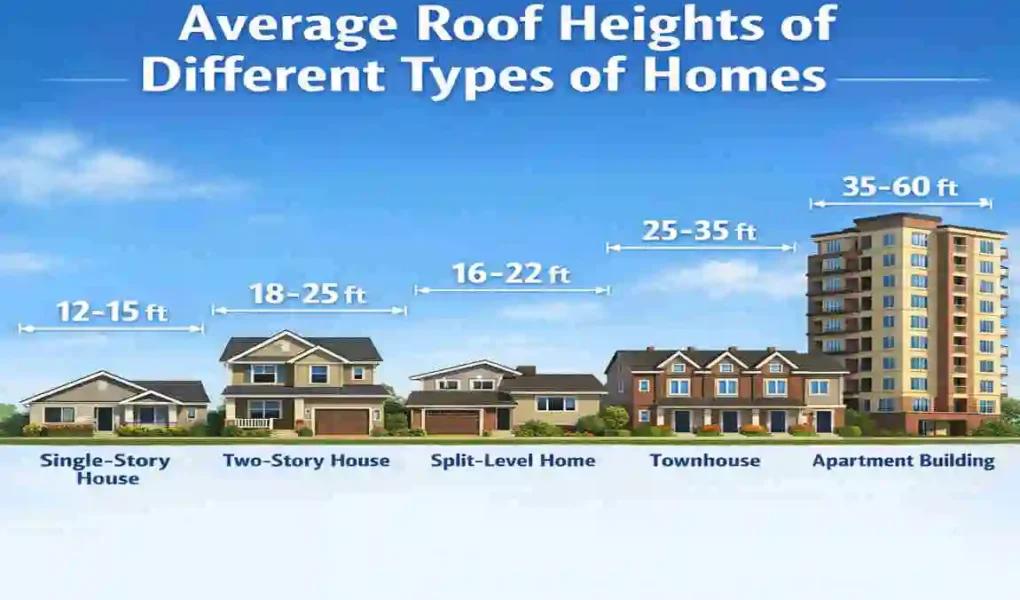
For most single-story homes, the average roof height is usually around 10 to 15 feet or about 3 to 4.5 meters.
That number can change based on the roof style. A flat-roof home may stay closer to the lower end of that range. A pitched roof home may be taller because the roof rises to a peak above the walls.
A single-story house with an 8- to 9-foot ceiling and a moderate roof pitch may have a total roof height near 12 feet. If the design includes a steeper roof or taller interior ceilings, the total can go higher.
This range is common in suburban homes, modest family houses, and many traditional residential builds.
Two-story homes
For two-story homes, the average roof height is usually around 18 to 25 feet or about 5.5 to 7.5 meters.
Why is it higher? Because you have two levels stacked on top of each other, plus the roof structure above them. The exact height depends on:
- Ceiling height on each floor
- Thickness of the floor structure
- Roof pitch
- Whether the home has attic space
A two-story home with standard ceilings may stay near the lower end of the range. A home with high ceilings or a decorative roof design may be much taller.
Multi-story homes
For homes with three or more stories, the roof height often reaches 30 to 45+ feet or roughly 9 to 14 meters.
At this level, the total height depends heavily on the number of floors and the roof shape. Some luxury homes, custom villas, and large townhouses may go even higher.
In these homes, roof height becomes a major design factor. It affects how the building looks from the street, how it handles wind, and how much structural support it needs.
Summary table
Home Type Average Roof Height
Single-story 10–15 ft
Two-story 18–25 ft
Three-story 30–40 ft
Luxury homes 40+ ft
Why are these numbers only averages
It is important to remember that these numbers are not fixed rules. They are typical ranges, not exact standards for every home. Roof height can vary a lot depending on style, climate, materials, and local regulations.
Still, these averages are useful because they give you a starting point. If you are looking at a home and the roof feels much taller or shorter than expected, that may be due to the roof design or the building’s structure.
Factors That Affect Average Roof Height
Architectural style
The design style of a home has a big effect on roof height.
Modern homes
Modern homes often use flat roofs or roofs with a low pitch. These homes usually have a cleaner, simpler look. Because the roof is not very steep, the total height may stay lower.
Colonial homes
Colonial-style homes often have steeper roofs. This gives them a more classic and balanced look, but it also increases the roof height.
Mediterranean-style homes
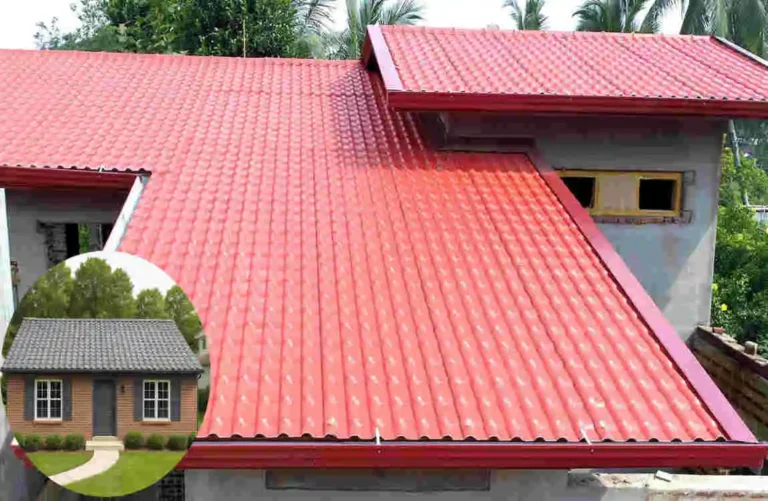
Mediterranean homes may have clay tile roofs and slightly rounded or sloped shapes. These roofs can add height while also giving the home a warm, traditional feel.
In short, style affects height because the roof is part of the home’s visual identity. A dramatic roof can make a house look grand, while a simple roof can make it appear more compact.
Climate conditions
Climate is another major factor.
Snow-prone areas
In areas with snow, roofs are often designed to be steeper so snow can slide off more easily. A steeper roof usually means a taller roof height.
Hot climates
In hot regions, some homes use lower roofs or flatter profiles to reduce heat buildup and support cooling strategies. However, the design still needs enough ventilation to let hot air escape.
Windy areas
In places with strong winds, roof shape and height must be carefully balanced. Some homes use lower or more aerodynamic roof designs to reduce pressure on the structure.
Climate does not just affect comfort. It also affects safety and long-term durability.
Building codes and regulations
Every area has its own building rules. These may limit:
- Maximum building height
- Roof pitch limits
- Setback requirements
- Safety standards
If a house is built too tall, it may not meet local rules. That is why architects and builders must check the code before finalizing the design.
Some neighborhoods also have zoning restrictions that control how tall homes can be. This is especially common in planned communities or historic districts.
Ceiling height preferences
Ceiling height inside the home also changes the roof height.
A standard home may have ceilings around 8 to 9 feet high. Luxury homes may use 10 to 14-foot ceilings, which instantly increases the total height of the structure.
Higher ceilings often create a more open, airy feeling, but they also require a taller roof above them. That means more materials, more construction work, and sometimes more heating or cooling effort.
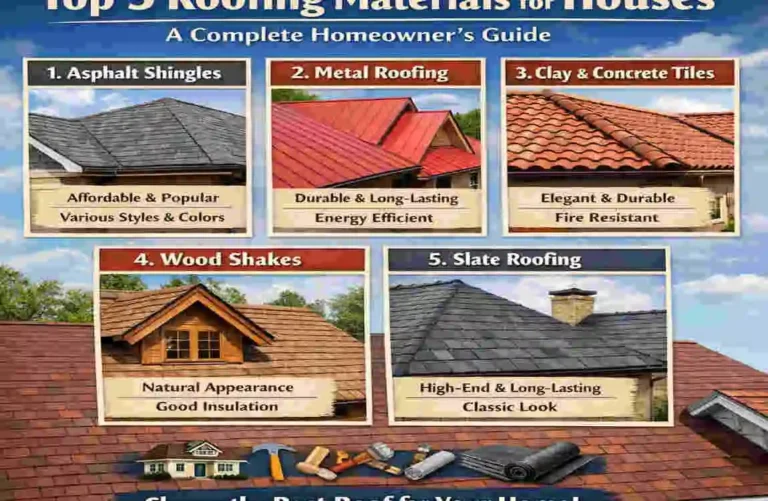
Roofing material choice
The materials used on the roof can also affect the final height and structure.
- Tile and slate are heavier and may need stronger framing
- Metal roofing is lighter and may allow slimmer structures
- Shingles are common and flexible in many home types
Heavier roofing materials can change the way the roof is built, which may influence the overall height and slope.
Main factors at a glance
Here are the biggest influences on roof height:
- Architectural style
- Climate
- Building codes
- Ceiling height
- Roofing material
Each one plays a role, and often they work together. A home in a snowy area with high ceilings and a steep roof will almost always be taller than a small home in a hot climate with a flat roof.
Types of Roof Designs and Their Height Differences
Gable roof
The gable roof is one of the most common roof styles in residential homes. It has two sloping sides that meet at a central ridge, forming a triangular shape.
This style usually creates a medium to high peak, depending on the pitch. It is popular because it looks simple, sheds water well, and allows for good attic space.
Gable roofs often raise the overall roof height more than flat roofs, which makes the house look taller and more traditional.
Hip roof
A hip roof slopes down on all sides. It usually has a lower ridge or peak than a gable roof.
This design is known for being strong and stable, especially in areas with high winds. Because the roof slopes on all sides, it often looks a little lower and more compact than a gable roof.
Many homeowners like hip roofs because they give a balanced look without making the house appear too tall.
Flat roof
A flat roof has very little slope. It is often used in modern architecture and in places where a simple, clean look is preferred.
Even though the name says “flat,” most flat roofs still have a slight slope for drainage. These roofs usually create the lowest overall height among common residential roof styles.
Flat roofs are practical in some climates, but they may not work as well where heavy snow or frequent rain is common.
Mansard roof
A mansard roof is one of the tallest and most dramatic roof designs. It has a steep lower slope and often a flatter upper section.
This type of roof is common in luxury homes, historic buildings, and designs that want to create extra attic or top-floor space. Because of its shape, it can add a lot of height to the building.
A mansard roof often makes a home look grand and elegant, but it usually costs more to build and maintain.
Shed roof
A shed roof has a single slope running in one direction. It is often used in modern homes, extensions, and small buildings.
This roof style usually stays low overall, which keeps the total roof height smaller. It is simple, efficient, and visually clean.
Because of its minimal shape, a shed roof is often chosen for homes that want a modern and practical look.
Roof height differences by design
Roof TypeTypical Height ImpactCommon Use
Gable roof Medium to high peak Traditional homes
Hip roof Slightly lower peak Wind-prone areas
Flat roof Lowest overall height Modern homes
Mansard roof Very high profile Luxury or historic buildings
Shed roof Low overall height Modern extensions, simple homes
Why roof design matters
Roof design changes more than appearance. It changes how the house handles rain, wind, heat, and space. So when you think about average roof height, you also need to think about the roof shape itself.
Why Roof Height Matters in Home Design
Energy efficiency
Roof height can affect how a home handles heat.
Because heat rises, taller roofs can help warm air move upward and away from the living area. This can support better airflow and make cooling more comfortable in hot weather.
In some homes, high ceilings and tall roofs reduce the feeling of stuffiness. In others, they can make heating harder in winter because more air space needs to be warmed.
So roof height should be matched to the climate and the home’s insulation plan.
Structural stability
A roof is not just a cover. It is a structural part of the house. The height and shape of the roof affect how the building handles:
- Wind
- Rain
- Snow
- Load pressure
- Long-term wear
A taller roof may look beautiful, but it must be built carefully to stay safe. A lower roof may be simpler and stronger in some situations.
This is why builders and engineers consider roof height early in the design process, not at the end.
Aesthetic appeal
Roof height strongly affects how a home looks from the outside.
A taller roof can make a house feel grand, elegant, or more traditional. A lower roof can give it a sleek, modern, or minimal appearance.
This visual impact matters because the roof is one of the first things people notice. Even if two homes have the same floor plan, their roof shapes can make them feel very different.
Interior comfort
Roof height also shapes the feeling inside the home.
A taller roof often creates:
- A more open feeling
- Better natural light
- Greater visual space
- A more comfortable atmosphere
In some homes, a higher roof can make a small room feel much less cramped. That is one reason people like vaulted ceilings and open-plan spaces.
At the same time, too much height can make a room feel hard to heat or less cozy. So the best roof height depends on what kind of feeling you want inside the home.
Average Roof Height in Commercial vs Residential Buildings
Residential buildings
In homes, roof height usually stays within a moderate range because the goal is comfort, efficiency, and livability. Residential roofs are designed to balance appearance with practical use.
Most homes do not need very tall roofs unless they have a special design, a loft, an attic conversion, or luxury features.
Commercial buildings
Commercial buildings often have much higher roof heights because they serve different purposes.
For example:
- Offices may have moderate roof heights for comfort and style
- Warehouses may have very tall roofs for storage and machinery
- Retail spaces may use taller ceilings to create an open look
- Factories often need high roofs for ventilation and equipment
Commercial roof heights can range from 20 to 60+ feet, depending on the building type.
That is much taller than most homes, but it makes sense because commercial spaces often need more clearance, more airflow, or more room for operations.
Key difference
The main difference is simple: residential roofs focus on comfort, while commercial roofs focus on function and capacity.
Regional Differences in Average Roof Height
North America
In many parts of North America, suburban homes often fall in the 10 to 25-foot range, depending on whether they are single-story or two-story homes.
Steeper roofs are common in areas with snow, while flatter designs are more common in warmer regions.
Europe
Many European buildings, especially older ones, use steeper roofs and taller peaks. This is often due to older architectural styles and weather conditions that demand better drainage.
Historic homes in Europe may also have taller roof profiles because attic space was used in different ways.
Asia
In many parts of Asia, homes tend to be more compact. Roof heights may stay lower, especially in dense cities where land is limited and multi-story living is common.
That said, climate still plays a big role, and roof design varies widely from one country to another.
Middle East, including Pakistan
In many Middle Eastern regions, including Pakistan, flat or moderately sloped roofs are common. These designs often help with heat control and practical use.
In hot climates, homeowners may prefer roof designs that support ventilation while keeping construction simple and cost-effective.
Why region matters
Roof height is not only a style choice. It is also a response to weather, culture, cost, and available space. That is why average roof height can look very different from one region to another.
How to Measure Roof Height
Tools needed
To measure roof height, you may need:
- Measuring tape
- Laser distance meter
- Architectural drawings
- Ladder for safe external checks
- Professional survey tools for accurate planning
Step-by-step method
Measure floor to ceiling.
Start by measuring the inside ceiling height from the floor.
Measure wall height
If possible, identify how much wall space exists before the roof begins.
Add the roof structure.
Include the sloped or raised roof section above the wall line.
Account for the pitch
If the roof is pitched, calculate the extra height created by the slope.
The more steeply the roof rises, the taller the overall structure becomes.
Professional measurement vs DIY
You can estimate roof height yourself, but for official plans, permits, or structural work, it is better to use a professional.
Hire an architect, engineer, or surveyor when:
- You need exact measurements
- You are planning a renovation
- You must meet building code rules
- You are comparing property plans
- You are making structural changes
DIY measurement is fine for a rough idea, but professional measurement is always safer for major decisions.
Common Mistakes About Roof Height
Confusing ceiling height with roof height
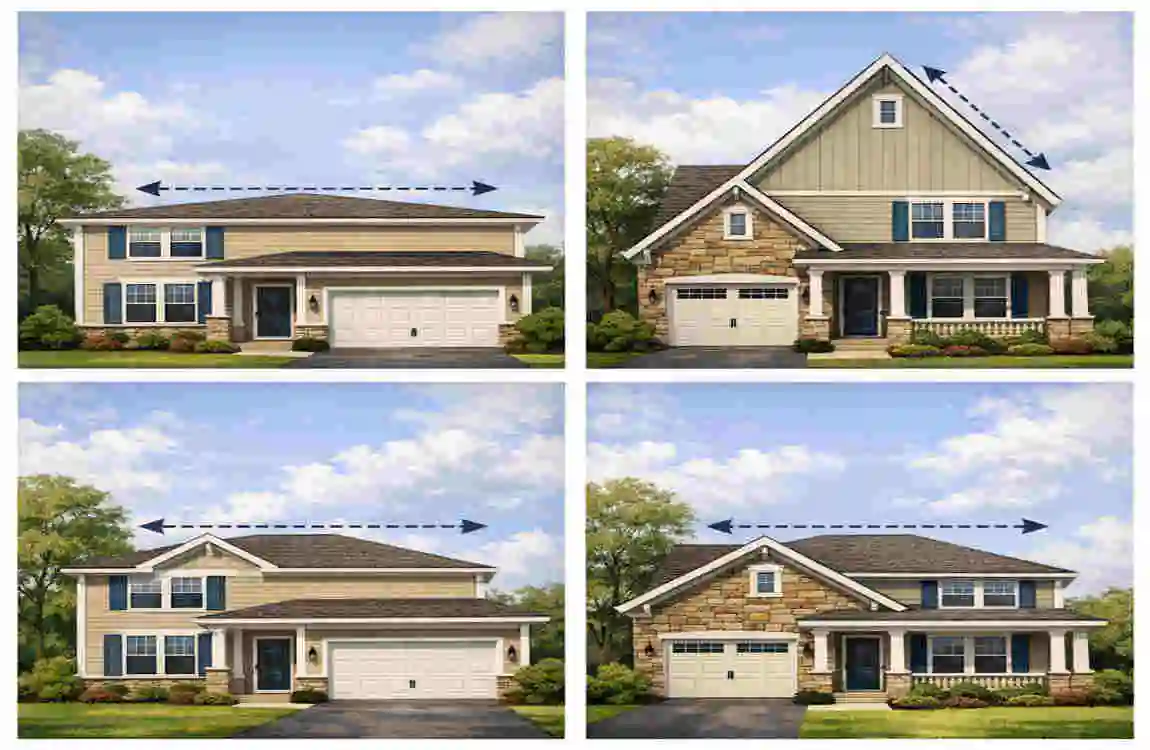
This is one of the most common mistakes. A high ceiling does not automatically mean a high roof. Roof height includes the full roof structure above the walls.
Ignoring roof pitch
The pitch, or slope, of the roof changes the total height a lot. A steep roof can make a house much taller than a flat or low-slope roof.
Not considering insulation space.
Some roofs need extra space for insulation, ventilation, or framing. That space may not be visible from the inside, but it still affects the total height.
Overlooking building code limits
A roof that looks great on paper may not be allowed by local rules. Always check height restrictions before building or remodeling.
FAQs About Average Roof Height
What is the standard roof height for a house?
The standard roof height for a house is usually around 10 to 25 feet, depending on the number of floors and the roof design. Single-story homes are usually lower, while two-story homes are taller.
Does roof height affect home temperature?
Yes, it does. Taller roofs can help hot air rise and improve airflow, which may make a home feel cooler in warm weather. But they can also make heating harder in cold weather if the insulation is not good.
What is the best roof height for hot climates?
In hot climates, a moderate or slightly lower roof height with good ventilation is often a smart choice. This helps manage heat while still allowing air circulation.
Can roof height be changed later?
Yes, but it usually requires structural changes. Raising or lowering a roof is a major project and should be handled by professionals.
Is a higher roof height more expensive?
Usually, yes. A taller roof can cost more because it may need more materials, stronger framing, additional labor, and sometimes more insulation or ventilation planning.
Is a taller roof always better?
Not always. A taller roof can look attractive and improve airflow, but it may also increase construction cost and heating needs. The best roof height depends on the home’s purpose, climate, and design.
How do I know if my roof height is too high or too low?
Ask whether the roof supports comfort, efficiency, and code compliance. If the home feels too hot, too dark, too cramped, or too costly to maintain, the roof height may not be ideal for your needs.
| Home Type | Average Roof Height (from ground to roof peak) | Notes |
|---|---|---|
| Single-story house | 10 – 15 ft (3 – 4.5 m) | Basic residential homes, flat or low-pitched roofs |
| 1.5-story house | 15 – 20 ft (4.5 – 6 m) | Upper rooms partially under roof slope |
| Two-story house | 20 – 25 ft (6 – 7.5 m) | Most common suburban home style |
| Three-story house | 30 – 40 ft (9 – 12 m) | Taller urban or luxury homes |
| Bungalow | 12 – 18 ft (3.5 – 5.5 m) | Wide, low-profile roof design |
| Townhouse | 18 – 30 ft (5.5 – 9 m) | Depends on number of floors and design |
| Apartment building | 40 – 200+ ft (12 – 60+ m) | Varies widely based on floors |
Related Posts