Storms can hit hard in Shelby Township. When they do, your roof often takes the first blow. That is why storm damage roofing in Shelby Township is such an important topic for homeowners. A roof may look fine from the street, but storm damage can be hiding in places you cannot easily see.
A storm does not always have to be extreme to cause problems. Strong wind, hail, heavy rain, and falling branches can all weaken a roof over time. Even a small issue can become bigger if you wait too long.
Common Types of Storm Damage to Roofs
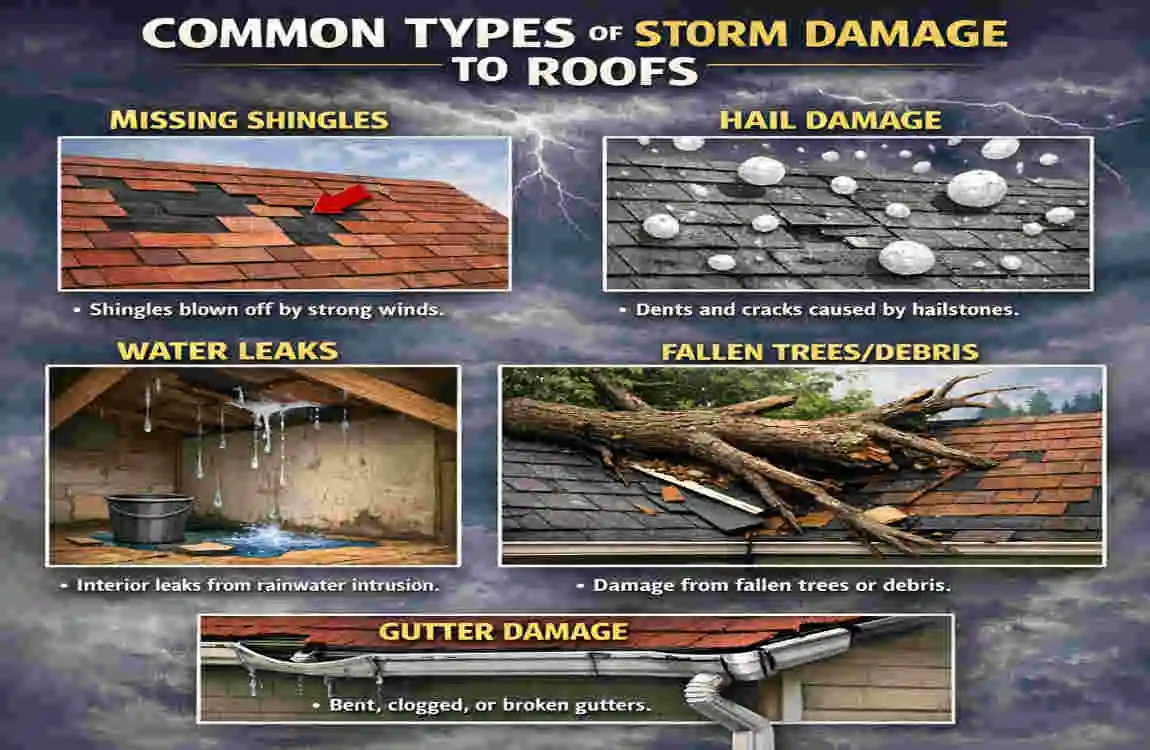
Wind-damaged shingles and loose materials
Strong wind can lift shingles, loosen nails, or rip roofing pieces away. Sometimes the damage is easy to spot. Other times, the shingles may still be there but no longer sealed tightly.
That matters because even a loose shingle can let water in during the next rain.
Hail damage
Hail can leave dents, cracks, or surface wear on shingles. It can also knock away protective granules. Those granules help shield the roof from sun and weather, so losing them can shorten the roof’s life.
Hail damage is often harder to see from the ground. That is why a closer inspection matters.
Fallen branches and impact damage
Tree limbs can crack shingles, dent roof edges, or damage vents and gutters. A larger branch can even break through parts of the roof surface.
If something heavy hits the roof, do not assume the damage is only on the outside. The impact may also affect the structure below.
Water leaks and moisture intrusion
Once water gets through the roof, it can spread quickly. It may soak into attic insulation, stain drywall, or damage wood framing.
Moisture problems can become serious if they are ignored. What starts as a small leak can lead to mould, odour, and bigger repair needs.
Damaged flashing, gutters, vents, and edges
A roof is more than shingles. Flashing, gutters, vents, and roof edges all help keep water out and guide it away from the home.
If storm damage affects these parts, the roof may fail even if the shingles still look okay.
Hidden damage
Some damage is not easy to see from the ground. The roof deck, attic space, and underlayment may all be affected even when the roof surface looks mostly fine.
That is why homeowners should not rely on looks alone. A roof can hide damage until a leak appears later.
What to Do Immediately After Storm Roof Damage
Stay safe first
After a storm, do not rush onto the roof. Wet surfaces, loose shingles, and structural damage can be dangerous. Stay on the ground and check from a safe distance.
If you see downed power lines, major tree damage, or a large section of roof collapse, stay away and call for emergency help if needed.
Inspect without climbing
You can learn a lot by looking from the yard, driveway, or windows. Use binoculars if needed. Check for missing shingles, sagging areas, broken gutters, and debris.
Also look inside the house. Stains, dripping, or damp smells can point to roof problems.
Protect exposed areas
If you can safely do so, cover exposed areas with a tarp until repairs begin. Temporary protection can help stop more water from entering the home.
Don’t try risky repairs on your own if the roof is unstable or steep.
Document the damage
Take clear photos and videos of everything you see. Include:
- Roof surface damage
- Gutters and flashing
- Tree impact areas
- Interior water stains
- Damaged belongings, if any
This record can help with insurance and repair planning later.
Check the attic and inside spaces.
The attic often shows damage before the rest of the house does. Look for wet insulation, water drops, discolouration, or daylight coming through the roof boards.
Also inspect ceilings and upper walls inside the home. Water damage often starts there.
When emergency roofing service is needed
You may need emergency help if:
- Water is actively entering the home
- A tree has hit the roof
- Large sections of shingles are gone
- The roof is visibly sagging
- The damage exposes the interior
In those cases, quick temporary protection matters.
Mistakes to avoid
A few common mistakes can make the situation worse:
- Climbing on a damaged roof
- Waiting too long to inspect
- Throwing away damaged materials too soon
- Making unrecorded repairs before taking photos
- Assuming there is no damage because the leak has not started yet
How Professional Storm Damage Roofing in Shelby Township Works
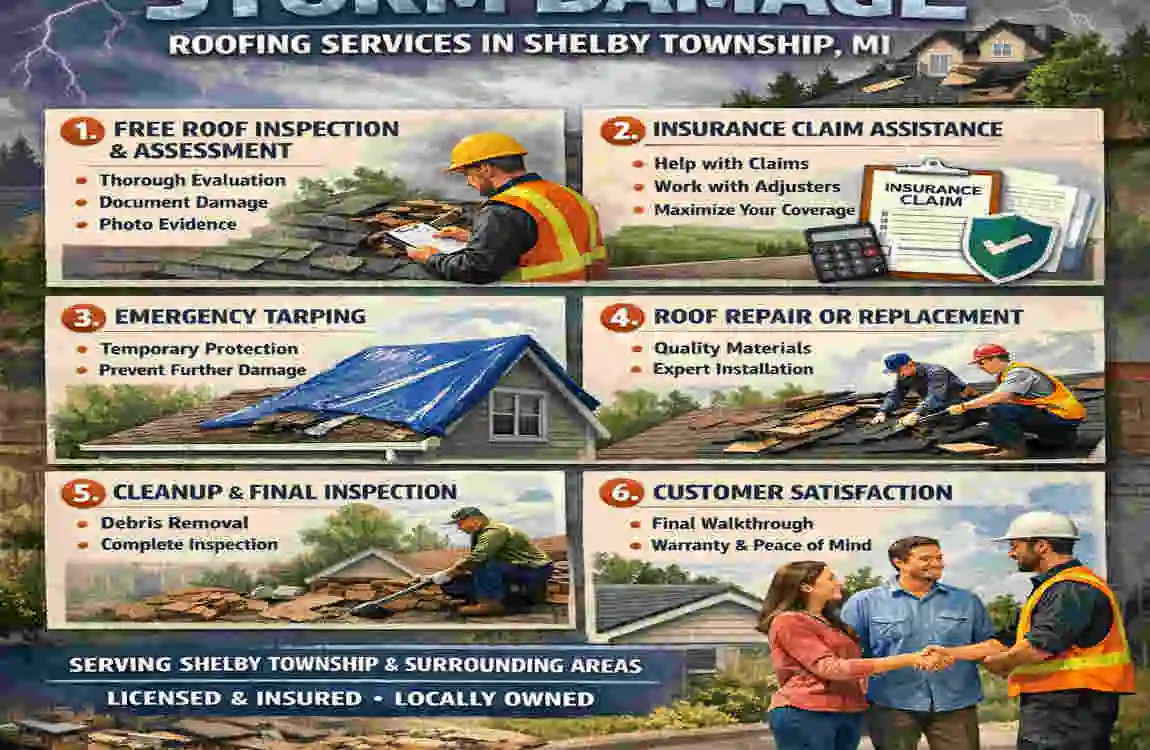
Initial roof inspection
A roofing contractor usually starts with a full inspection. This helps identify both visible and hidden damage. A good inspection should include the roof surface, flashing, gutters, vents, and attic if needed.
Finding visible and hidden issues
A professional looks for more than broken shingles. They also check for soft spots, nail pops, damaged sealant, water intrusion, and signs that wind may have lifted roof edges.
Measuring the roof condition
Once the roofer understands the damage, they measure the affected areas and decide what kind of repair is needed. Some roofs only need a small patch. Others need a larger section repaired or replaced.
Emergency tarping and temporary repairs
If the roof cannot be fully fixed right away, emergency tarping may be used. This helps stop more water from entering while a full repair is planned.
Temporary repairs aren’t the final solution, but they can help protect your home.
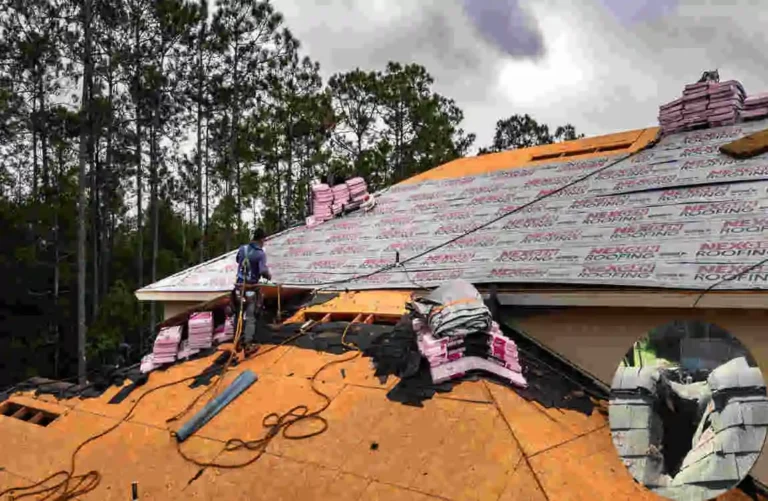
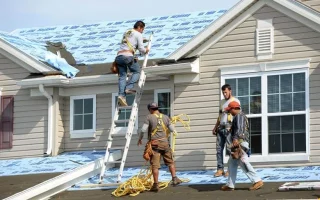
Repairing or replacing damaged parts
The repair may include:
- Replacing missing shingles
- Fixing roof flashing
- Repairing vents
- Restoring gutters
- Sealing problem areas
If damage is widespread, full roof replacement may be the better choice.
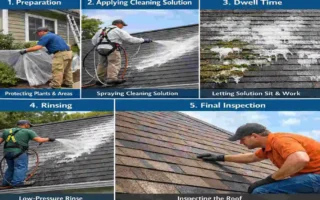
Final inspection and cleanup
After the work is done, the roof should be checked again. The crew should clean up debris, nails, and leftover materials. A good final review helps ensure the repair was done properly.
Roof Insurance Claims and Storm Damage Repairs
Is storm damage often covered?
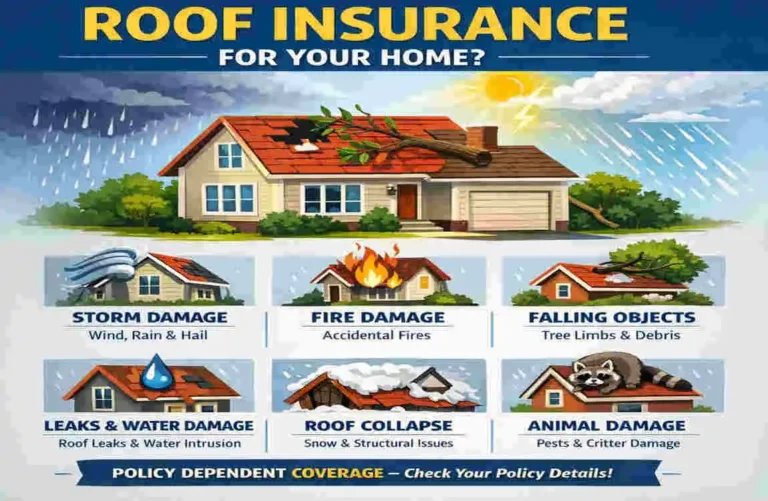
Many homeowners insurance policies cover sudden storm damage, but every policy is different. Exact coverage depends on your plan, deductible, and the cause of the damage.
Understand your deductible
Your deductible is the amount you pay before insurance coverage applies. If the repair cost is close to your deductible, compare the numbers carefully before filing.
What to gather before filing a claim
Before you contact your insurance provider, collect:
- Photos and videos
- Date and time of the storm
- Inspection notes
- Repair estimates
- Receipts for emergency protection
The more organised your records are, the smoother the process may be.
Working with the insurance adjuster
The adjuster will review the damage and decide what the policy may cover. Be ready to show your evidence and ask questions if something is unclear.
Storm damage vs normal wear
Insurance usually looks for sudden damage, not normal ageing. That means old shingles worn down over time may not be covered the same way as storm-related damage.
This is why a professional inspection can help show whether the issue looks storm-related.
Why policy details matter
Before major repairs begin, make sure you understand your policy. That includes what is covered, what is excluded, and what paperwork you need.
Choosing a Roofing Contractor in Shelby Township
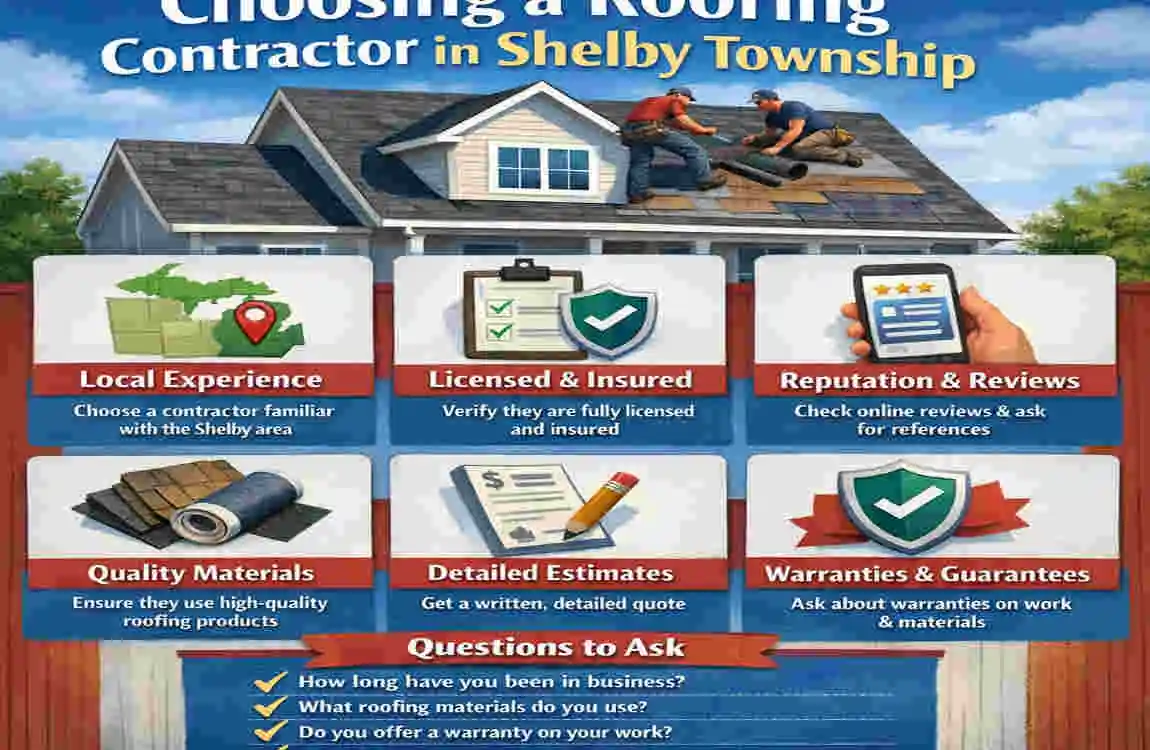
What to look for
A good roofing contractor should have:
- Local experience
- Proper insurance
- Clear communication
- Written estimates
- A strong reputation
- Knowledge of storm repair work
Questions to ask
Before hiring, ask:
- What damage do you see?
- Do I need repair or replacement?
- How soon can you start?
- What does the estimate include?
- Do you handle insurance documentation?
These questions help you compare contractors smartly.
Warning signs to avoid
Be careful if a contractor:
- Pushes for immediate decisions
- Avoids written details
- Gives a very vague quote
- Offers to “fix everything” without inspecting
- Cannot show proof of insurance
A fast response is good, but it should still come with a proper inspection.
Why communication and cleanup matter
Roofing work can be messy, so clear cleanup expectations matter. You want a contractor who respects your property and explains the job in simple language.
FAQ About Storm Damage Roofing in Shelby Township
How do I know if my roof has storm damage?
Look for missing shingles, dents, debris, leaks, or water stains. A professional inspection is the best way to confirm.
How quickly should storm-damaged roofing be repaired?
As soon as possible. Delays can turn a small problem into a larger one.
What should I do if my roof is leaking after a storm?
Protect the area, document the damage, and contact a roofing contractor for emergency help.
Does homeowners insurance cover storm damage to a roof?
It may, depending on your policy and the type of damage. Check your coverage details.
Can wind damage shingles without causing an obvious leak?
Yes. A roof can be damaged even before water gets inside.
How much does storm damage roofing in Shelby Township cost?
The cost depends on the size of the damage, materials, labour, and whether you need repair or replacement.
Should I repair my roof or replace it after storm damage?
That depends on how bad the damage is. Small issues may only need repair, while widespread damage may require replacement.
Can I inspect storm damage myself?
You can inspect safely from the ground or inside the home, but do not climb onto a damaged roof.
How long does a storm damage roof repair take?
Small repairs may be quick, while larger projects take longer depending on weather and materials.
What should I do if a tree falls on my roof?
Stay away from the area, make sure everyone is safe, and call for emergency roofing help.
| Key Area | Short Information |
|---|---|
| Storm Damage Roofing | Repairs for roofs damaged by wind, hail, heavy rain, or fallen branches |
| Common Damage | Missing shingles, cracked shingles, leaks, damaged flashing, and gutter problems |
| Emergency Response | Cover exposed areas with a temporary tarp to help prevent further water damage |
| Roof Inspection | Check shingles, flashing, vents, gutters, attic areas, and structural components |
| Water Leaks | Address leaks quickly to reduce the risk of ceiling, insulation, and interior damage |
| Hail Damage | Look for dents, bruised shingles, granule loss, and damaged metal components |
| Wind Damage | Strong winds can loosen or remove shingles and expose the roof deck |
| Repair vs. Replacement | Minor damage may need repairs, while widespread or severe damage may require replacement |
Related Posts