Tile roofing is a popular choice for homeowners who want a roof that combines durability, attractive design, and long-term performance. Clay, concrete, slate, and synthetic tiles can give a home a distinctive look while providing strong weather protection.
When planning a roofing project, one of the first questions homeowners ask is about the tile roof cost per square foot. This number is a useful starting point, but it doesn’t tell the whole story. Your final price can also depend on the tile type, roof size, roof pitch, labor, underlayment, flashing, repairs, removal of old roofing, and local conditions.
A simple roof with easy access may cost much less to install than a complicated roof with several slopes, valleys, dormers, and steep sections. Likewise, premium slate or specialty clay tiles can cost considerably more than standard concrete options.
What Is the Average Tile Roof Cost Per Square Foot?
Typical Cost Range
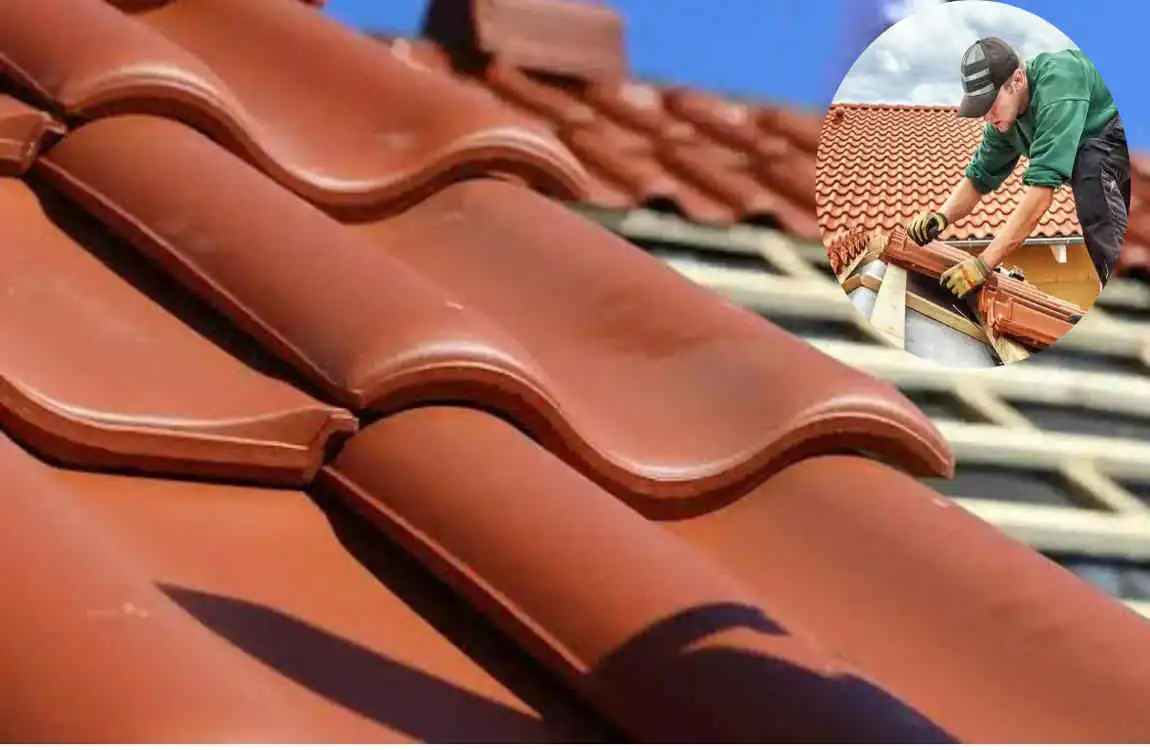
The tile roof cost per square foot can vary widely from one project to another. A broad planning range for installed tile roofing is often around $8 to $25 or more per square foot, depending on the tile material, labor, roof complexity, preparation, and location.
This is a general budgeting range, not a fixed quote. Premium materials and difficult installations can increase costs.
It is useful to separate the project into two main parts: materials and installation.
Tile materials may include the actual roof tiles, underlayment, fasteners, flashing, ridge materials, and other accessories. Installation covers labor for preparing the roof, laying the materials, cutting tiles, fitting edges, installing flashing, and completing the finishing work.
For example, a basic concrete tile roof may have a lower starting price than a premium slate roof. However, the total cost can change significantly when the roof requires structural work or extensive preparation.
Cost Per Roofing Square
Roofing contractors often use the term roofing square when discussing materials and labor.
One roofing square equals 100 square feet of roof area.
So, if your roof has 2,000 square feet of actual roofing surface, it contains approximately 20 roofing squares.
This measurement makes larger roofing estimates easier to discuss. Instead of calculating every material separately for hundreds or thousands of square feet, contractors can use roofing squares to estimate quantities.
Remember that the roof’s actual surface area is not always the same as the home’s floor area. Roof pitch, overhangs, multiple sections, and other architectural details can increase the amount of roofing material required.
Material vs. Installation Costs
The total roofing budget can include several different expenses.
Tile materials are only one part of the project. You may also need underlayment, flashing, fasteners, ridge and hip materials, ventilation components, and replacement pieces.
Labor can become a major part of the budget because tile installation usually requires careful handling and accurate placement.
Other possible expenses include:
- Removing existing roofing
- Hauling away old materials
- Repairing damaged decking
- Replacing deteriorated underlayment
- Structural reinforcement
- Flashing repairs
- Waste and extra tiles
- Permit-related expenses
A detailed estimate should identify these costs separately whenever possible.
Tile Roofing Cost by Tile Type
Clay Tile Roofing
Clay tiles are known for their traditional appearance and long service life. They are especially popular on Mediterranean, Spanish, Southwestern, and other architectural styles that benefit from curved or traditional roof profiles.
Clay can be more expensive than basic concrete tile because of material costs and installation requirements.
The appearance is one of its biggest attractions. Clay tiles are available in different shapes, colors, and profiles, allowing homeowners to create a distinctive roof.
Because clay tiles can be heavy and require careful handling, evaluate the existing roof structure before installation.
Concrete Tile Roofing
Concrete tile is often considered a practical alternative to clay.
It can provide a traditional tile appearance while offering a variety of colors, textures, and profiles. Manufacturers can also make concrete tiles to imitate other roofing styles.
The exact tile roof cost per square foot depends on the selected product and installation requirements.
Concrete is also relatively heavy, so the roof structure needs to be suitable for the material.
For homeowners who want the appearance and durability of tile while maintaining a closer eye on their budget, concrete can be an option worth considering.
Slate Tile Roofing
Slate is a premium natural roofing material with a distinctive appearance.
It can offer a sophisticated, high-end look and is known for exceptional longevity when properly installed and maintained.
However, slate generally comes with a higher initial investment. The material itself can be expensive, and installation requires experienced workers familiar with slate roofing.
Slate is also heavy, so review structural requirements before installation.
Composite or Synthetic Tile
Synthetic tile offers another option for homeowners who want the look of traditional roofing materials but prefer a lighter alternative.
Manufacturers can make these products resemble slate, wood, clay, or other materials.
The exact price depends on the product, manufacturer, quality, and installation system.
One potential advantage is reduced weight compared with some natural roofing materials. However, homeowners should still evaluate the product’s warranty, expected service life, maintenance requirements, and installation instructions.
Tile TypeRelative CostDurabilityMain Benefit
Clay Medium–High High Traditional appearance
Concrete Medium High Strong and versatile
Slate High Very High Premium appearance
Synthetic Medium–High High Lightweight alternative
What Factors Affect Tile Roof Cost Per Square Foot?
Roof Size and Complexity
Roof size is one of the most obvious factors affecting total cost.
A larger roof requires more tiles, underlayment, flashing, labor, and other materials.
However, roof complexity can matter as much as size.
A simple roof with large open sections may be easier to install than a smaller roof containing many architectural details.
Hips, valleys, ridges, dormers, skylights, chimneys, and multiple roof sections can increase labor requirements.
Steep slopes can also make installation more difficult because workers need additional safety measures and equipment.
Tile Quality and Design
Not all roofing tiles cost the same.
Standard tiles may have a relatively straightforward shape and finish. Premium products, by contrast, can feature custom colors, decorative profiles, specialized coatings, or unusual dimensions.
Your choice between basic and premium tiles can therefore noticeably affect the total project budget.
Think about the home’s architectural style before paying extra for decorative features. A simple tile can sometimes create a better overall appearance when it complements the house properly.
Labor and Installation
Labor costs vary depending on location, project difficulty, contractor experience, and installation requirements.
Tile roofing generally requires more careful installation than many basic roofing systems.
Each tile must be positioned correctly, and areas around edges, valleys, chimneys, vents, and other roof features require careful attention.
An experienced installer can also help identify problems before they become expensive repairs.
Roof Repairs and Preparation
Don’t install a new tile roof over an underlying problem.
Inspect the existing decking, framing, underlayment, flashing, and drainage areas.
If you find damaged decking, you may need to repair or replace it.
The same applies to structural problems. Tile can be heavy, so the roof structure must support the selected system.
Preparation costs can therefore significantly affect the final tile roof cost per square foot.
Location and Climate
Your location can influence both material and labor costs.
Transportation expenses may be higher when specialized tiles are not readily available locally.
Climate also matters. Roofing systems need to suit local weather conditions, including heat, heavy rain, strong winds, freezing temperatures, or other environmental factors.
Local building requirements may also affect installation details, materials, permits, and inspection requirements.
How to Calculate the Total Cost of a Tile Roof
Measure the Roof Area
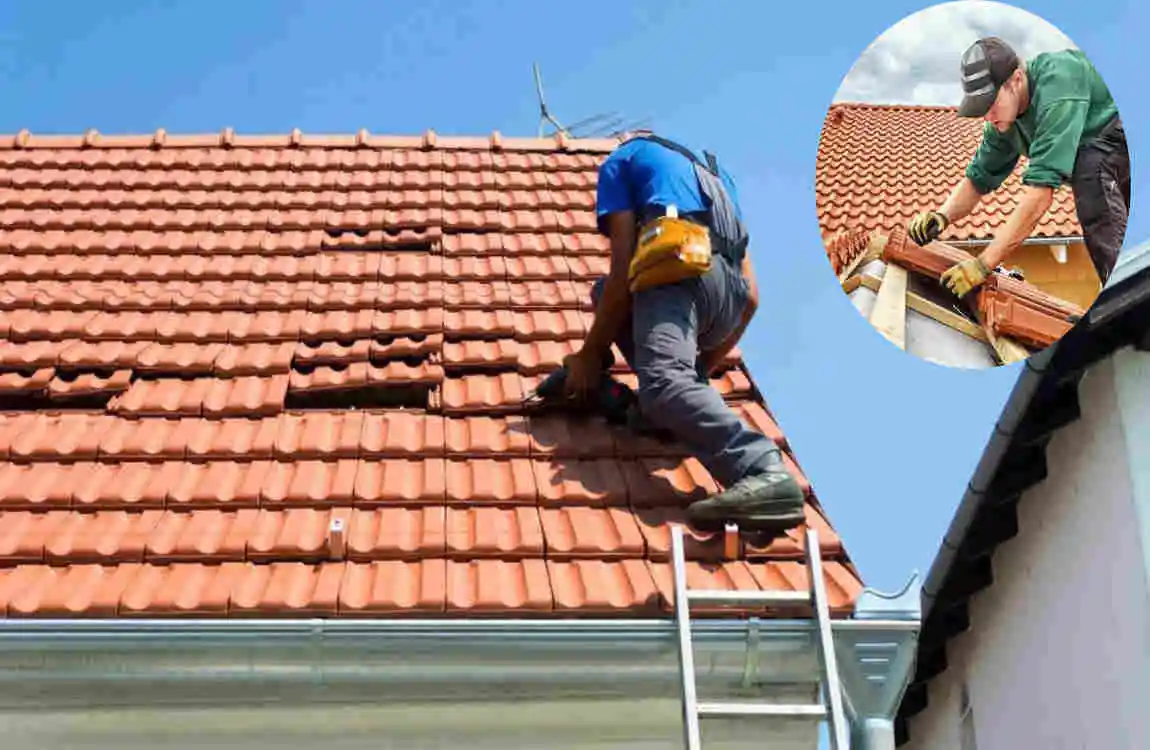
Start by determining the actual roof surface rather than simply using the home’s interior floor area.
For a basic rectangular roof section, you can multiply its length by its width. More complicated roofs require measuring each section separately.
Roof pitch also affects the actual surface area. A steep roof has more surface area than a flat projection of the same building footprint.
For a professional project, a roofing contractor can take accurate measurements and account for all roof sections.
Add Waste and Extra Materials
Never order exactly the amount of tile needed based on a simple area calculation.
Tiles may need to be cut around edges, valleys, vents, chimneys, and other features. Some pieces may also break during transportation or installation.
Your estimate should therefore include an appropriate allowance for waste and replacement pieces.
Other materials may include:
- Underlayment
- Flashing
- Fasteners
- Ridge and hip materials
- Ventilation components
- Sealants
- Replacement decking
Estimate Labor Costs
Consider labor separately from the tile price.
A contractor may calculate labor based on square footage, roofing squares, project difficulty, or a combination of factors.
The number of roof features and the roof’s steepness can influence the labor required.
When comparing estimates, make sure you understand what the labor charge includes.
Example Tile Roof Cost Calculation
Suppose a home’s actual roof surface is 2,000 square feet, and the estimated installed tile roofing price is $12 per square foot.
The basic calculation would be:
2,000 × $12 = $24,000
This gives you a starting project estimate.
However, the final amount could be higher if the project requires old roof removal, structural repairs, additional flashing, damaged decking replacement, special tiles, or other preparation.
That is why you should treat a per-square-foot figure as a budgeting tool, not a guaranteed final price.
Tile Roof Replacement vs. New Installation Costs
Cost of Installing Tile on a New Roof
New construction can sometimes simplify the roofing process because the roof structure is designed with the intended material in mind.
The framing, decking, underlayment, ventilation, and roof shape can all be planned together.
This makes it easier to accommodate a heavy tile system from the start.
However, the total cost still depends on the size, design, materials, and labor requirements.
Tile Roof Replacement
Replacing an existing tile roof can involve more steps.
First, the old roofing may need to be removed and transported away. Once the surface is exposed, you can inspect the decking and other underlying components.
If you find problems, you may need additional repairs before installing the new tiles.
This means the tile roof cost per square foot for replacement can be higher than a simple new installation estimate suggests.
When Roof Repairs May Be More Affordable
A full replacement isn’t always necessary.
If your roof has only a few broken tiles, a localized flashing problem, or a small leak caused by damaged underlayment, you may be able to repair it.
A professional inspection can help determine whether the problem is isolated or part of a larger roofing issue.
Repairing small problems early may also prevent them from developing into more expensive damage.
Ways to Reduce Tile Roofing Costs
Compare Multiple Roofing Estimates
Do not compare contractors based only on the final number.
Ask for detailed estimates that explain materials, labor, removal, disposal, repairs, and other major expenses.
Two estimates may differ because they include different materials or levels of preparation.
A detailed quote makes comparison much easier.
Choose the Right Tile
The most expensive tile is not automatically the right tile for your home.
Consider appearance, durability, weight, maintenance, and total cost together.
Concrete may suit some homeowners who want a tile look without choosing a premium natural material.
Synthetic products may also be worth considering when weight or installation requirements are important.
Plan During Favorable Seasons
Contractor availability can change throughout the year.
If you have flexibility, planning your project when roofing companies have more scheduling availability may help make the process smoother.
Do not choose a season based only on price. Weather conditions and the contractor’s ability to install the roof safely should remain priorities.
Maintain the Roof Regularly
Maintenance can help protect your investment.
Inspect the roof periodically for broken or displaced tiles. Keep drainage systems clear and pay attention to flashing around vulnerable areas.
Don’t ignore a small leak just because it seems minor.
Early repairs can sometimes prevent moisture from causing more extensive damage underneath the roofing.
Is Tile Roofing Worth the Cost?
Benefits of Tile Roofing
Tile roofing has several qualities that make it attractive to homeowners.
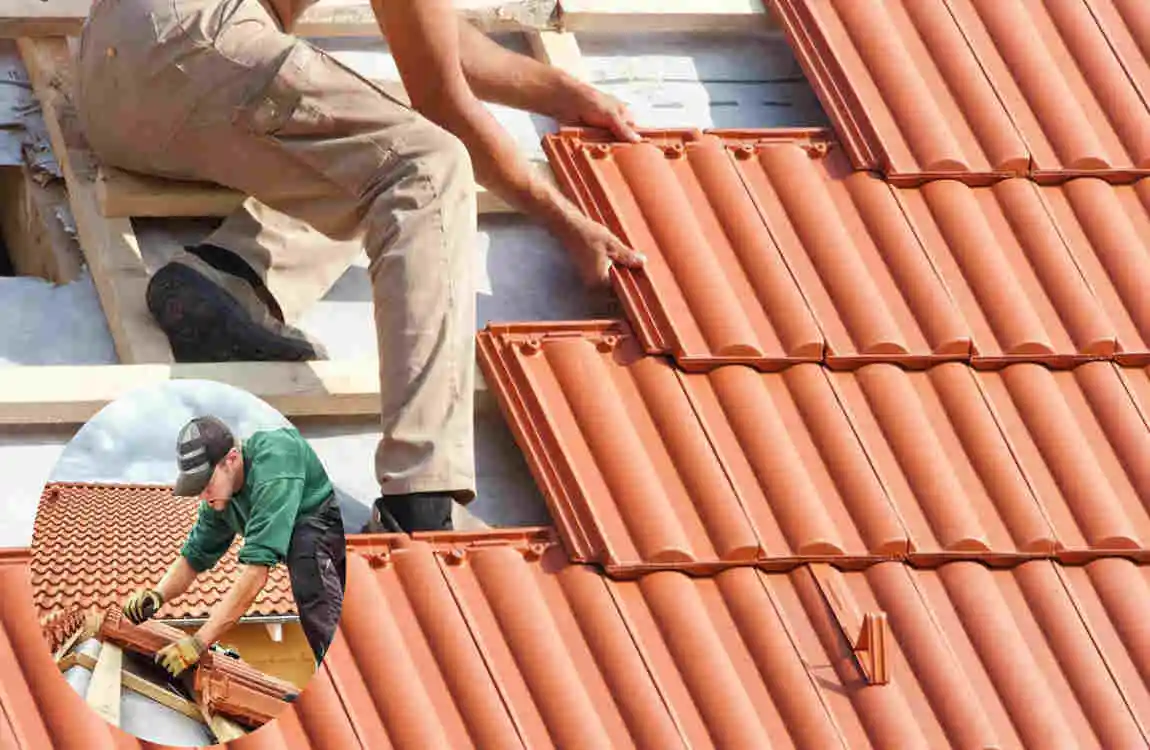
A properly installed tile roof can provide a long service life, strong weather protection, and distinctive curb appeal.
Tile can also affect a home’s energy performance, depending on the roof design, ventilation, tile profile, color, and overall building system.
Another benefit is the wide variety of styles available. You can select traditional curved tiles, flat profiles, textured finishes, or modern synthetic designs.
With regular inspection and maintenance, tile roofing can remain attractive for a long period.
Potential Drawbacks
The main drawback is usually the higher upfront investment compared with some basic roofing materials.
Tile can also be heavy.
Before installation, the structure needs to be evaluated to ensure it can safely support the selected roofing system.
Installation may also require more skill and time than simpler roofing materials.
Some tiles can break if handled improperly or walked on incorrectly, so maintenance should be done carefully.
How to Decide if Tile Roofing Fits Your Budget
Look beyond the initial price.
A low-cost roof may have a shorter expected service life or different maintenance requirements. A more expensive roof may provide benefits that make sense for your particular home and climate.
Consider:
Initial cost + installation + maintenance + expected service life + repair requirements
You should also think about your home’s structure, architectural style, climate, and long-term plans.
The right roofing material fits both your property and your budget.
FAQ: Tile Roof Cost Per Square Foot
How much does a tile roof cost per square foot?
A broad planning range for installed tile roofing is often around $8 to $25 or more per square foot, but actual costs vary significantly. Tile type, labor, roof complexity, location, preparation, removal, and repairs can all change the final price.
Is tile roofing more expensive than shingles?
Tile roofing generally costs more upfront than basic asphalt shingles. However, the comparison should include expected service life, maintenance, appearance, climate performance, and installation requirements, not just material price.
What is the cheapest type of tile roofing?
Concrete tile is often one of the more budget-friendly traditional tile options. However, prices vary by region, product, design, and installation requirements.
How much does it cost to replace a tile roof?
Replacement costs include more than new tiles. You may need to pay for old roof removal, disposal, decking inspection, repairs, underlayment, flashing, new tiles, and labor.
How long does a tile roof last?
Lifespan varies by material, installation quality, climate, maintenance, and product type. Clay, concrete, slate, and synthetic systems can have significantly different service lives.
Does tile roofing increase home value?
A tile roof can improve a home’s appearance. It may be attractive to buyers who value durability and a particular architectural style. However, the effect on property value varies by location, market conditions, roof quality, and buyer preferences.
Can I install tile roofing over an existing roof?
Sometimes an existing roof can remain in place, but this depends on the current roof’s condition, structural capacity, local requirements, and the tile manufacturer’s installation instructions.
A professional assessment is important before deciding whether the existing roof can remain.
| Factor | Typical Cost Per Sq. Ft. | Key Information |
|---|---|---|
| Concrete Tile Roofing | $4–$10 | Durable and budget-friendly |
| Clay Tile Roofing | $6–$15 | Long-lasting and classic appearance |
| Slate Tile Roofing | $10–$25+ | Premium material with a high lifespan |
| Installation Labor | $3–$8 | Varies by roof design and location |
| Roof Underlayment | $0.50–$2 | Helps protect against moisture |
| Roof Tear-Off | $1–$3 | Extra cost for removing old roofing |
| Basic Tile Roof | $7–$14 | Material plus standard installation |
| Premium Tile Roof | $15–$30+ | High-end materials and complex installation |
Related Posts