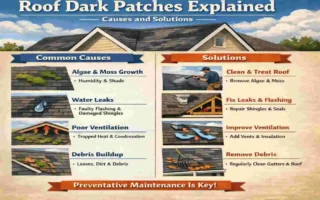

If a hailstorm just passed through your area, your first worry is probably your roof. That is a smart place to start. Hail can look harmless from the ground, but it may cause damage that grows into a bigger and more expensive problem later.
Understanding roof hail damage repair cost helps you make better decisions fast. You can decide whether you need a small repair, a full inspection, or even a replacement. You also avoid guessing, which is important when you are trying to protect your home and your budget.
Understanding Roof Hail Damage
What hail damage looks like on a roof
Hail damage can show up in several ways. On asphalt shingles, you may see dark marks, dents, bruises, or spots where the protective granules have been knocked loose. On metal roofing, you may see visible dents or bent sections. On tile, cracks or chips may appear.
Some damage is easy to notice. Other times, it is more subtle. That is why you should not assume the roof is fine just because it still looks normal from far away.
Common signs of hail impact
Hail can leave behind clues that point to roof problems. You may notice:
- Granules in gutters or downspouts
- Dented vents or flashing
- Cracked shingles or tiles
- Soft spots on the roof surface
- Leaks or water stains inside the home
- Damage to siding, windows, or outdoor fixtures
When several of these signs appear at the same time, it often means the hailstorm hit harder than it first seemed.
Why small damage can become expensive
A tiny crack or missing granule patch may not look serious at first. But roof materials are designed to work as a system. If one part weakens, water can start getting in.
That small opening may lead to leaks, mold, insulation damage, or wood rot. So even if the visible damage seems minor, repair costs can rise quickly if you wait too long.
Cosmetic vs. functional damage
This difference matters a lot. Cosmetic damage changes how the roof looks, but it may not affect performance right away. Functional damage weakens the roof and can lead to leaks or structural issues.
For example, a dent on a metal panel may be cosmetic if the panel still seals properly. A cracked shingle that lets water through is functional damage. The second type usually creates a higher repair bill.
What Affects Roof Hail Damage Repair Cost?
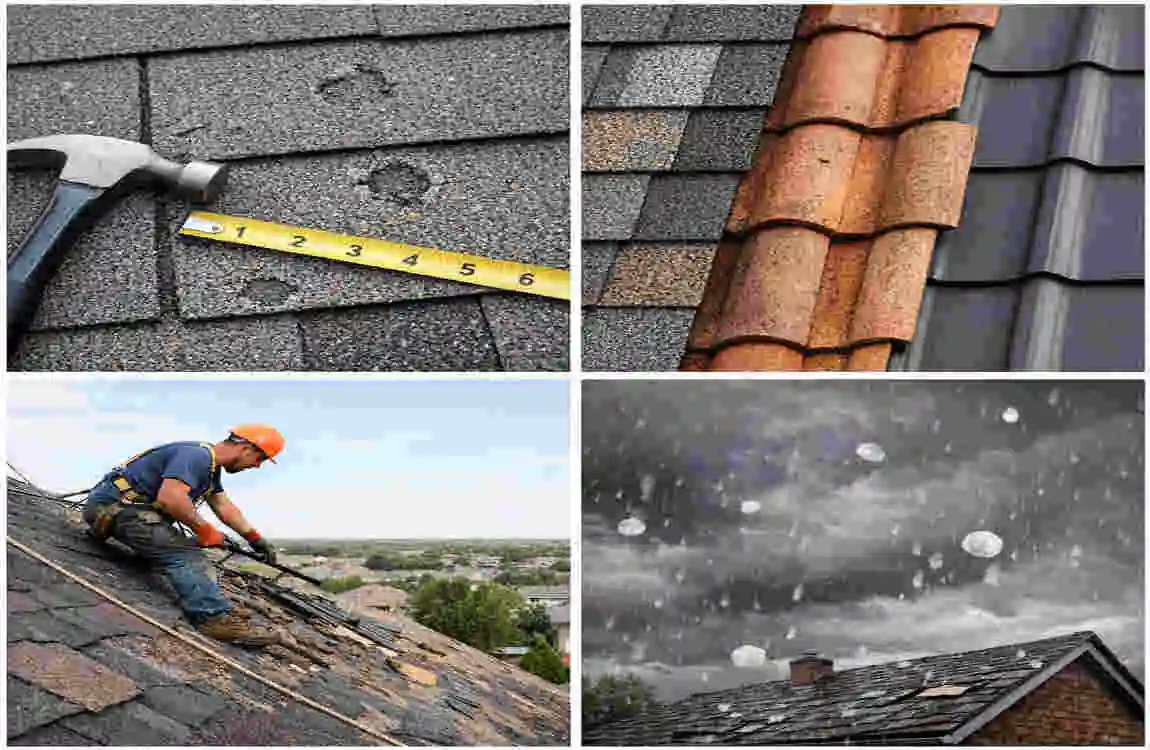
Roof size and slope
The larger the roof, the more material and labor it will take to fix. A steep roof also costs more because it is harder and riskier to work on.
If your roof has many angles, valleys, or sections, the repair process becomes more detailed. That usually increases the total roof hail damage repair cost.
Roofing material and age
Different roofing materials respond differently to hail. Asphalt shingles are often cheaper to repair than tile or metal. Older roofs may also need more work because the material is already worn.
If a roof is near the end of its life, even a small hailstorm can push it into major repair territory. In that case, replacement may make more sense than patching.
Severity and location of damage
A few damaged shingles in one spot are much easier to fix than widespread damage across the entire roof. The location also matters. Damage near the edge, ridge, or flashing can be more complicated.
If hail hit only one slope of the roof, the repair may be limited. If every side was affected, the cost can rise fast.
Labor and local contractor rates
Labor rates change by region. In some areas, roofers charge more because of demand, insurance work, or local business costs. Emergency work after a storm may also cost more.
This is why two homeowners with similar damage may receive different repair estimates.
Underlayment, flashing, and structural repairs
Sometimes hail does more than hit the outer roofing material. It may also damage the layers beneath, such as underlayment or flashing. In worse cases, it can affect decking or structural parts of the roof.
These hidden problems can raise the total repair cost. That is why inspections matter so much.
Accessibility and roof complexity
If your roof is hard to access, has multiple levels, or includes special features like skylights or chimneys, the job becomes more difficult. A complex roof takes more time and care to repair.
That added effort usually shows up in the final price.
Average Roof Hail Damage Repair Cost
Typical repair ranges
The average roof hail damage repair cost depends on the size and type of damage. Minor repairs may cost a few hundred dollars, while more serious damage can run into the thousands.
The following table gives a simple overview:
Damage Level Typical Cost Range What It May Include
Minor $150–$600 Small shingle patches, sealing, limited touch-ups
Moderate $600–$2,500 Section repairs, flashing work, more labor
Severe $2,500–$10,000+ Large-area repairs, structural work, possible replacement
Minor versus major damage
Minor damage usually means only a small section of the roof needs attention. This might be a few damaged shingles or a small area of dents.
Major damage often means the roof needs broad repairs or replacement. If water has already entered the home, the total cost can increase because you’re now dealing with interior damage too.
Cost per damaged area
Some roofers estimate repairs by area or by section rather than by the whole roof. This helps when the hail damage is concentrated in a few places.
If you are trying to estimate costs yourself, it helps to look at the size of the affected section. A small patch costs less than repairing an entire slope.
When replacement may be more practical
Sometimes a roof is so damaged that fixing it in pieces does not make financial sense. If the roof is old, heavily damaged, or already near the end of its life, replacement may be the better value.
Replacement costs more upfront, but it can save money later by avoiding repeated repairs.
How to Estimate Your Roof Hail Damage Repair Cost
Inspect the roof safely from the ground.
Start with a ground-level check. Use binoculars if needed. Look for missing shingles, dents, debris, and damage to vents or gutters.
Do not climb onto the roof unless it is safe and you are experienced. A roof inspection should never put you at risk.
Count damaged shingles or sections.
If you can see damaged shingles, count them. Note whether the damage is spread out or concentrated in one place.
This gives you a rough idea of the repair’s scale. A few shingles may only need patching, while a whole section may need replacement.
Estimate the affected roof area.
Try to determine how much of the roof was hit. Was it just one corner? One slope? The whole surface?
The affected area matters because contractors usually price based on labor, material, and access. A larger area means more of all three.
Add material and labor costs.
Once you know the damage size, estimate material and labor costs separately. Materials may include shingles, nails, underlayment, sealant, flashing, or replacement tiles.
Labor can vary widely, so use local quotes instead of guessing too low.
Include inspection, disposal, and extra repairs.
Do not forget the smaller costs. Some contractors charge for an inspection. Others may add disposal fees for damaged material. If the roof has hidden damage, include that too.
These extra items can make a noticeable difference in the final estimate.
Allow a contingency for hidden damage.
This is one of the smartest things you can do. Hail damage is not always obvious at first. Once the roof is opened up, a contractor may find more problems.
A simple rule is to add a small backup amount to your estimate so you are not surprised later.
Simple estimate checklist
- Inspect visible damage
- Count affected shingles or panels
- Measure the damaged area
- Request labor and material pricing
- Add disposal and inspection fees
- Include a contingency for hidden issues
Roof Materials and Their Repair Costs

Asphalt shingles
Asphalt shingles are common and usually the easiest to repair. They are also one of the more affordable roofing materials.
If hail damage is limited, repairs may stay relatively low. However, if the shingles have lost many granules or are brittle, you may need more extensive repairs.
Metal roofing
Metal roofs can handle hail well, but they may dent. Sometimes the damage is cosmetic, and sometimes it affects performance.
Repair costs vary by panel type and whether individual sections need replacement. Matching the finish can also matter.
Tile roofing
Tile roofs often look beautiful, but they can be more expensive to repair. Hail may crack or chip individual tiles.
The challenge is not just replacing the broken tile. It also means matching the color and style, which can raise the total cost.
Wood shakes
Hail can damage wood shakes more unevenly. Cracks, splits, and surface wear may show up after a storm.
Because wood is more sensitive to weathering, repairs may require more careful work. That can increase the cost.
Flat roofing systems
Flat roofs use different materials such as membrane systems or coated surfaces. Hail may puncture or weaken these layers.
Repair costs depend on the exact material and whether the damage is limited to one small area or spread across a larger section.
Why material changes the estimate
Some materials are cheaper to patch. Others need more labor or more specialized matching. That is why the same storm can create very different repair bills from one home to another.
Insurance, Inspection, and Professional Repair
When homeowners insurance may cover hail damage
Many homeowners insurance policies cover hail damage if the damage was sudden and caused by a covered event. That can significantly reduce your out-of-pocket cost.
Still, every policy is different. Deductibles, coverage limits, and exclusions all matter. Read your policy carefully or ask your insurer if you are unsure.
What a professional roof inspection includes
A professional inspection usually covers shingles or panels, flashing, vents, gutters, soft spots, and signs of leaks. The roofer may also check the attic or ceiling areas for water damage.
This is helpful because not all damage is visible from the outside. A trained eye can spot problems you may miss.
How to document the damage
Take clear photos from the ground if possible. Capture dents, missing material, broken pieces, and any damage to siding, vents, or gutters.
Write down the date of the storm and keep any repair notes. Good documentation makes insurance claims easier.
Getting multiple repair estimates
Do not rely on just one quote. Ask a few roofing contractors for detailed estimates. That helps you compare the repair scope, material quality, and labor pricing.
A fair estimate should explain exactly what work is included.
Common mistakes when filing a claim
People often make avoidable errors when dealing with insurance. Some common ones include:
- Waiting too long to report the damage
- Not taking enough photos
- Choosing the cheapest contractor without checking quality
- Accepting a vague estimate
- Skipping the inspection step
These mistakes can delay the claim or reduce the payout.
Choosing a qualified roofing contractor
Pick a contractor with experience in hail repair. Make sure they are licensed, insured, and able to explain the repair process clearly.
A good contractor should be willing to answer your questions and provide a written estimate. That protects both your roof and your budget.
How to Reduce Roof Hail Damage Repair Costs
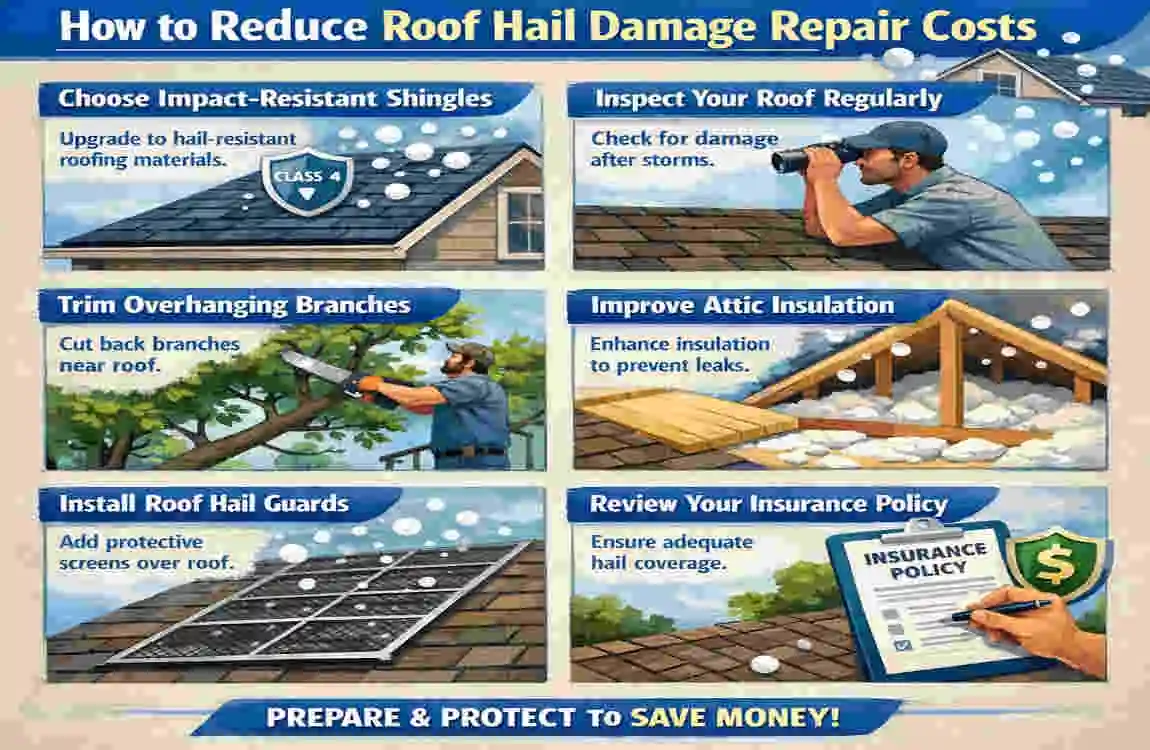
Repair damage early
The faster you act, the less likely the damage will spread. Early repair can prevent leaks, structural issues, and extra interior repairs.
That is one of the easiest ways to keep the roof hail damage repair cost under control.
Compare detailed estimates
A detailed estimate helps you see what you are really paying for. When you compare several estimates, you can spot overpriced work or missing items.
This makes it easier to choose a contractor with fair pricing.
Maintain gutters and drainage.
Good drainage helps protect the roof after storms. Clean gutters and downspouts move water away from the roof line and reduce the chance of further damage.
This simple maintenance step can save money over time.
Consider impact-resistant materials
If you live in a hail-prone area, impact-resistant roofing materials may be worth the investment. They may cost more upfront, but they can reduce future repair expenses.
Think of it as a long-term protection decision.
Schedule regular inspections
Routine roof inspections help you catch small issues before storms make them worse. If your roof is older or has already taken hail damage before, regular checkups are even more important.
Cost-saving tips
- Fix damage early
- Use trusted contractors
- Keep gutters clear
- Choose durable materials
- Review insurance coverage
- Inspect the roof after major storms
FAQ
How much does roof hail damage repair cost?
Roof hail damage repair costs can range from a few hundred dollars for minor fixes to several thousand dollars for severe damage. The exact price depends on roof size, material, and the extent of the damage.
How do I know if my roof has hail damage?
Look for dents, missing granules, cracked shingles, damaged vents, or indoor water stains. A professional inspection is often the best way to confirm.
Does homeowners insurance cover hail damage?
Often, yes, if the hail damage is sudden and covered by your policy. Check your policy details or ask your insurance provider for confirmation.
Should I repair or replace a hail-damaged roof?
If the damage is small and the roof is still in good shape, repair may be enough. If the roof is old or heavily damaged, replacement may be the better choice.
How much does a roof inspection cost?
Inspection costs vary by location and contractor. Some inspections may be free, while others carry a modest fee.
Can minor hail damage get worse over time?
Yes, it can. Small damage may lead to leaks, weak spots, and hidden water problems if it is not repaired.
How long does hail damage repair usually take?
Minor repairs may take only a few hours. Larger repairs can take several days, especially if materials need to be ordered or hidden damage is found.
| Cost Factor | What to Check | Typical Impact |
|---|---|---|
| Roof Size | Measure total roofing area | Larger roofs cost more |
| Damage Severity | Check dents, cracks, missing shingles, and leaks | More damage increases repair costs |
| Roofing Material | Asphalt, metal, tile, or slate | Material affects labor and replacement price |
| Repair vs. Replacement | Determine if repairs are enough | Major damage may require full replacement |
| Labor Costs | Compare local roofing contractor rates | Rates vary by location and project size |
| Additional Damage | Inspect gutters, vents, flashing, and siding | Extra repairs increase the total |
| Insurance Coverage | Review hail and storm coverage | May reduce out-of-pocket costs |
Related Posts