

A tiled roof can completely change the way an orangery feels. It can make the space look more solid, more stylish, and more like a natural extension of your home. It can also improve comfort, especially if you want the room to feel usable in more seasons.
If you are thinking about tiled orangery roof installation, the process is worth understanding before you begin. This is not just about choosing a nice roof finish. It is also about structure, insulation, weather protection, and long-term performance. When all of those parts work together, the orangery becomes more practical and more enjoyable to use.
What Is a Tiled Orangery Roof?
A Simple Definition
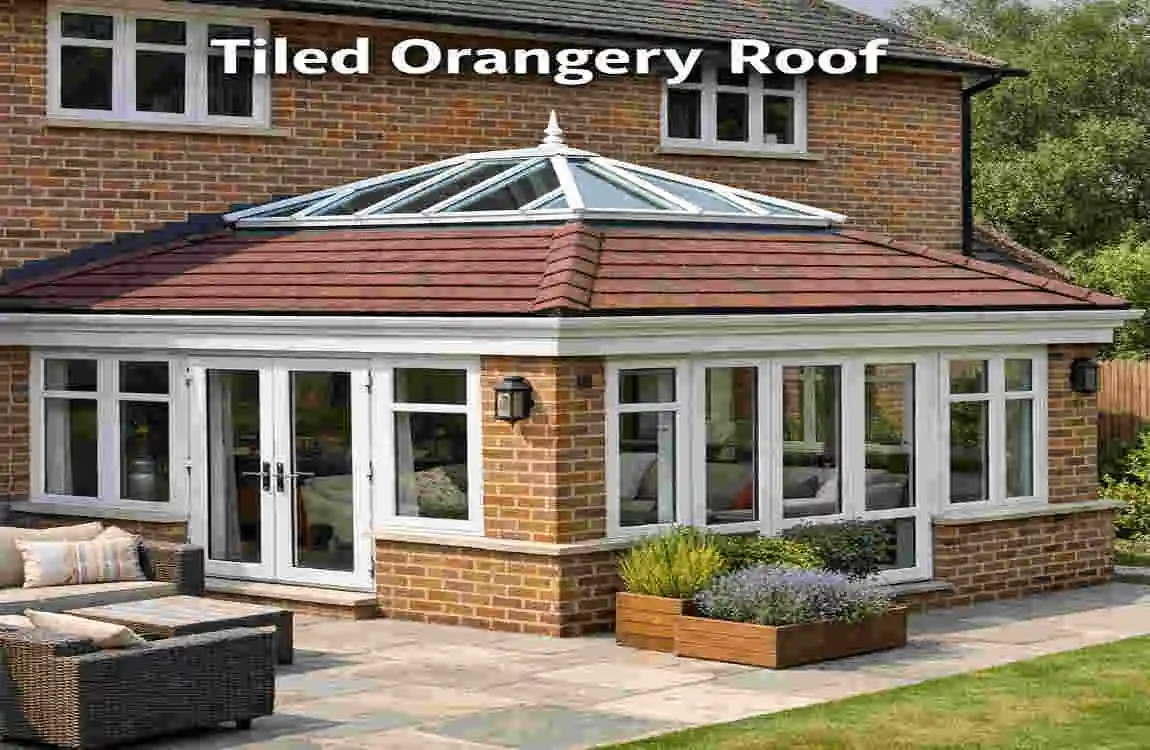
An orangery roof is the top part of the structure that sits above the glazed walls and frame. In many older or traditional orangeries, the roof may include more glass or lighter materials. A tiled roof replaces the lighter finish with tiles that look and feel more like the main house’s roof.
That is one of the biggest reasons homeowners choose this option. It gives the orangery a more permanent and finished appearance.
How a Tiled Roof Is Different
A tiled roof is built with layers that work together. It usually includes structural support, insulation, a protective membrane, battens, tiles, flashing, and ventilation. This makes it very different from a simple glass roof or lightweight panel roof.
Because of this layered design, the roof can offer better heat control and more weather protection. It also creates a stronger visual connection between the orangery and the rest of the house.
Why Homeowners Choose Tiled Roofs
Many people choose this type of roof because they want the orangery to feel more like a real room. A tiled finish often makes the space feel warmer, quieter, and more usable year-round.
It can also improve the home’s appearance from the outside. When the roof matches or complements the main property, the whole building feels more cohesive.
Benefits of Tiled Orangery Roof Installation
Better Thermal Performance
One of the main advantages of a tiled roof is temperature control. A well-designed roof helps retain heat in colder months and reduce overheating in warmer months.
That matters because many people want to use their orangery every day, not just in mild weather. Good insulation can make that possible.
Stylish and Traditional Appearance
Tiled roofs often create a more classic and solid look. Some homeowners like that because it makes the orangery feel less like an add-on and more like part of the home.
Tiles also come in different colours and textures. That gives you more choice when matching the roof to your house style. Whether you want something natural, modern, or traditional, there is usually a tile style that suits the property.
Durability and Weather Protection
A properly installed tiled roof can handle rain, wind, and changing temperatures well. This is one reason tiled conservatory roof systems and orangery roof replacement projects have become so popular.
Of course, the roof must be installed correctly. If the materials are not fitted properly, even strong roofing materials can fail too soon.
Improved Comfort
A tiled roof can make the orangery feel more comfortable year-round. The room may feel less cold in winter and less harsh in summer.
That comfort matters because people are more likely to use a room that feels pleasant. A better roof can turn an underused space into a favourite part of the house.
Main benefits at a glance
- Better temperature control
- More attractive exterior appearance
- Stronger weather protection
- Greater comfort in everyday use
- A more house-like feel
Planning Before Installing a Tiled Orangery Roof
Check the Existing Structure
Before any work begins, the existing orangery must be assessed carefully. A tiled roof is heavier than many lightweight roofing systems, so the structure must be able to support the additional load.
This is not something to guess at. The walls, frame, and supporting parts need to be properly checked to ensure the roof is safe and stable.
Choose the Right Roofing Materials
The roof needs more than just tiles. It usually includes underlay, insulation, battens, flashing, ventilation parts, and structural supports.
Every part should work well with the others. For example, the roofing materials must suit the existing building, local weather, and design goals. If the materials do not match the structure, problems may appear later.
Consider Roof Design and Pitch
Roof pitch is another important point. The angle of the roof affects drainage, appearance, and the way the roof handles rainwater.
A steeper pitch may help water run off more easily. It can also change how much natural light enters the room. That means the design should balance looks, comfort, and performance.
Building Regulations and Professional Advice
Rules can vary depending on where you live and what type of project you are doing. For that reason, it is important to check any applicable building regulations before starting the project.
It is also wise to work with qualified professionals. A tiled orangery roof installation affects structure, insulation, drainage, and weatherproofing. These are all areas where good advice matters.
Tiled Orangery Roof Installation: Step-by-Step Process

Inspect and Prepare the Existing Orangery
The first step is a full inspection. The walls, frame, and current roof structure should be checked for any damage or weak spots.
If any repairs are needed, they should be completed before the new roof is installed. This helps create a safer and more reliable base for the new system.
Remove the Existing Roof
If the orangery already has a roof in place, it may need to be removed. This should be done carefully so the inside of the room stays protected from weather during the work.
Temporary coverings may be used to reduce exposure to rain and moisture. This is especially important if the project takes more than one day.
Strengthen or Prepare the Roof Structure
A tiled roof can place extra weight on the orangery. Because of that, the structure may need to be strengthened before the tiles are added.
This part should always be based on proper structural calculations. It is not a step to be taken by trial and error. A qualified professional should guide this stage so the roof is supported correctly.
Install Insulation and Roof Components
Insulation plays a major role in the roof’s performance. It helps control heat loss, improves comfort, and reduces energy waste.
Along with insulation, the roof may need membranes, battens, and ventilation parts. These pieces help manage moisture and reduce the risk of condensation. Without proper airflow, the roof could face problems over time.
Step 5: Install the Tiles
Once the base layers are ready, the tiles can be fitted. They should be positioned carefully so they line up well and stay secure.
Special attention is needed at the roof edges, ridges, valleys, and any junctions where the roof meets another surface. These are common weak points if the roof is rushed or poorly detailed.
Step 6: Install Flashing and Weatherproofing
Flashing is one of the most important parts of the whole project. It helps seal the areas where the roof meets walls, frames, or other structural parts.
Without good flashing, water may enter through gaps or edges. That is why weatherproofing must be done with care. It protects the orangery from leaks and long-term moisture issues.
Step 7: Final Inspection
The last step is a full check of the roof. The installer should review tile alignment, drainage, flashing, ventilation, and general finish.
A final inspection helps catch problems early. It also gives peace of mind that the roof has been installed properly and is ready for regular use.
Common Mistakes to Avoid During Tiled Orangery Roof Installation
Choosing Tiles Without Considering Load
One of the biggest mistakes is picking tiles before checking the structure. Tiles are not just decorative. They add weight, and that weight must be supported safely.
If the structure is not ready for it, the whole project can become a problem.
Ignoring Insulation Requirements
Some people focus only on appearance and forget about insulation. That can lead to a room that looks good but feels uncomfortable.
If you want the orangery to work well in real life, insulation must be part of the plan from the start.
Failing to Provide Proper Ventilation
Ventilation helps control moisture and reduce condensation. Without it, damp air can collect inside the roof space.
Over time, that can damage materials and reduce performance. Good airflow is a basic part of a healthy roof system.
Poor Flashing Around Junctions
The places where the roof meets walls or other structures are especially vulnerable. If the flashing is fitted poorly, water can get in.
That is why these areas need careful attention during installation.
Incorrect Tile Spacing or Fixing
Tiles must be fixed securely and evenly. Poor spacing can affect both appearance and weather protection.
A roof should not only look neat. It should also stay in place during strong wind and rain.
Neglecting Drainage
Rainwater needs a proper path away from the roof. If drainage is ignored, water may pool or overflow in the wrong places.
Good drainage protects the roof and the structure beneath it.
Focusing Only on Looks
This is a common trap. A roof may look attractive, but if it is not properly insulated, supported, and weatherproofed, it will not perform well.
A successful roof balances appearance, safety, and comfort.
Tiled Orangery Roof Cost, Maintenance, and Long-Term Performance

What Affects Installation Cost?
The cost of a tiled orangery roof can vary widely. It depends on the roof size, the design shape, the materials chosen, and the amount of structural work required.
Here is a simple breakdown of common cost factors:
Cost Factor | Why It Matters
Roof size Larger roofs need more materials and labour
Roof complexity Complex shapes take more time and skill
Tile type Different tiles vary in price and finish
Structural changes Extra support can increase the budget
Insulation Better insulation often adds cost but improves comfort
Labour Skilled installation work affects the total price
Roof removal Taking off an old roof adds time and effort
How to Maintain a Tiled Orangery Roof
Maintenance does not need to be difficult. A few regular checks can help keep the roof in good shape.
Look at the tiles from time to time to make sure none have slipped, cracked, or broken. Also keep gutters and drainage clear so rainwater can move away properly.
It is also wise to check the flashing and roof junctions. These areas often need the most attention because they deal with water flow and movement between different materials.
If you see a leak or moisture problem, deal with it quickly. Small issues are easier to fix than bigger ones.
How Long Can a Tiled Roof Last?
A tiled roof can last a long time when it is made of high-quality materials and installed properly. Its lifespan depends on the tile type, weather exposure, and how well you maintain it.
But materials alone do not guarantee long life. Proper installation matters just as much. A strong roof system starts with careful planning and correct artistry.
FAQs About Tiled Orangery Roof Installation
Can an orangery have a tiled roof?
Yes, many orangeries can have a tiled roof. However, the existing structure must be checked first to ensure it can support the added weight.
Is a tiled orangery roof better than a glass roof?
It depends on what matters most to you. A tiled roof usually gives better insulation, more privacy, and a more permanent look. A glass roof gives more natural light. Some homeowners prefer one, while others prefer a mix of both.
Does a tiled roof make an orangery too dark?
It can reduce light if the design does not include other brightening features. But roof windows, glazed sections, and good interior lighting can help maintain a bright feel.
How much does tiled orangery roof installation cost?
There is no single price that fits every project. Cost depends on roof size, materials, structural work, insulation, labour, and whether an old roof needs to be removed.
Does an orangery need extra support for a tiled roof?
Often, yes. A tiled roof can be heavier than a lightweight roof system, so the structure may need strengthening before installation.
How long does tiled orangery roof installation take?
The timeframe depends on the size of the orangery, the amount of preparation required, and the weather. Some projects move quickly, while others take longer because of structural work.
Can I install a tiled orangery roof myself?
This is not usually a good DIY project. Roofing, structural changes, and weatherproofing require skill and experience. Professional help is strongly recommended.
How can I prevent condensation under a tiled orangery roof?
Use proper insulation, ventilation, and suitable membranes. Good installation also helps reduce moisture problems before they start.
| Aspect | Key Information |
|---|---|
| Roof Structure | Check that the existing orangery structure can safely support a tiled roof. |
| Planning | Review local building regulations and determine whether approval is required. |
| Insulation | Install suitable roof insulation to improve comfort and energy efficiency. |
| Roof Tiles | Choose lightweight, weather-resistant tiles that suit the property’s design. |
| Waterproofing | Use quality membranes, flashing, and properly sealed joints to prevent leaks. |
| Installation | Fit battens, tiles, ventilation components, and flashing according to manufacturer specifications. |
| Cost Factors | Costs depend on roof size, tile type, insulation, structural work, and labor. |
Related Posts