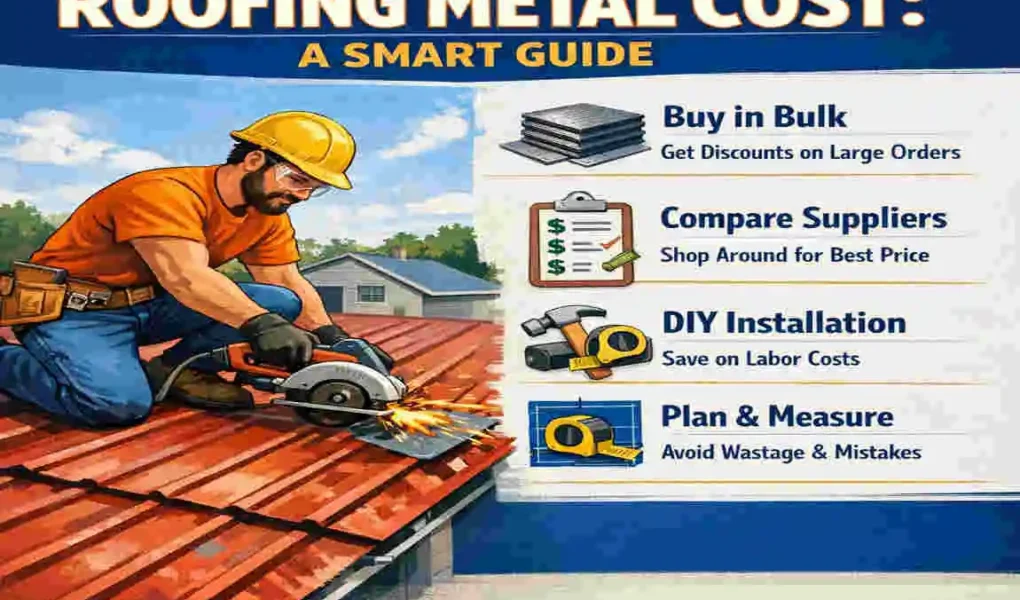
Metal roofing has become a popular choice for many homeowners because it lasts a long time and handles weather well. Still, the price can feel high at first. That is why many people search for practical ways to cut metal roofing costs without weakening the roof or causing problems later.
The good news is that you do not always need to spend more to get a strong roof. You can save money by planning well, measuring accurately, choosing the right materials, and reducing waste. You can also avoid overspending on features that your roof does not really need.
What Does Cutting Roofing Metal Cost Mean?
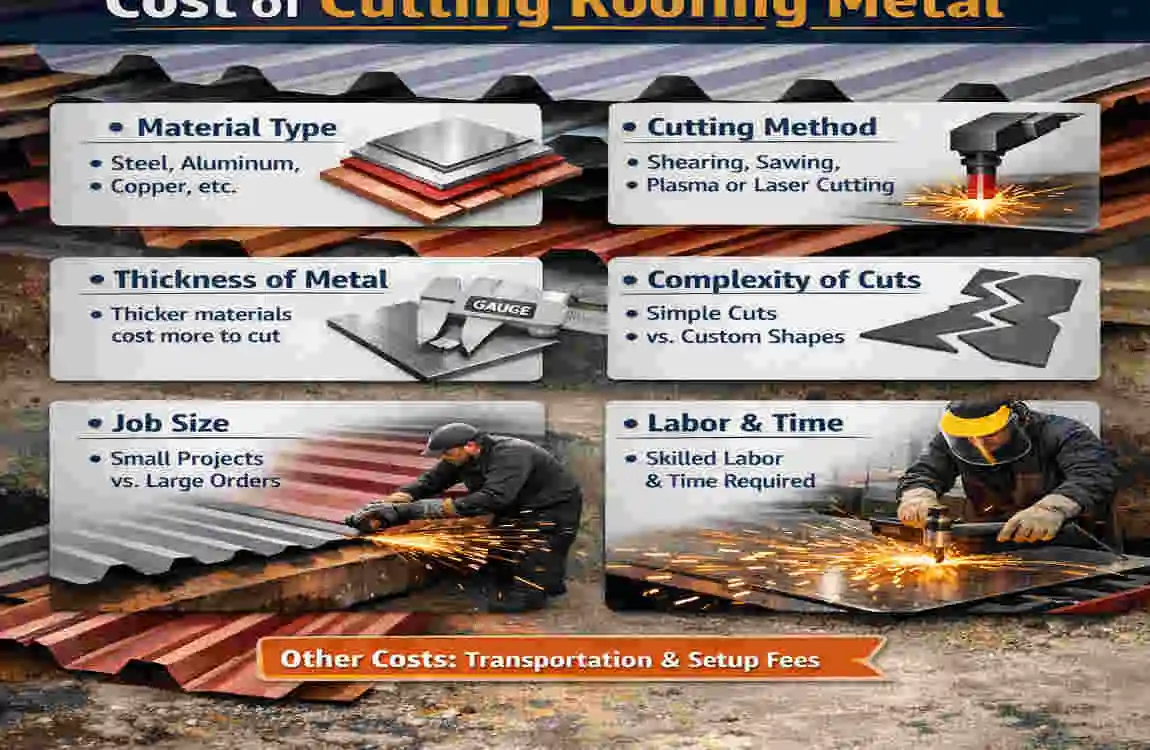
When people talk about cutting roofing metal cost, they usually mean finding ways to lower the total cost of a metal roofing project. That can include the price of the panels, labour, tools, accessories, waste, and installation.
It does not mean buying the cheapest material possible. That can cause trouble later if the roof wears out too fast, leaks, or needs repairs sooner than expected. A smarter goal is to reduce unnecessary spending while still maintaining the roof’s quality.
Why Metal Roofing Prices Vary
Metal roof costs can vary widely from one house to another. The main reason is that no two projects are the same.
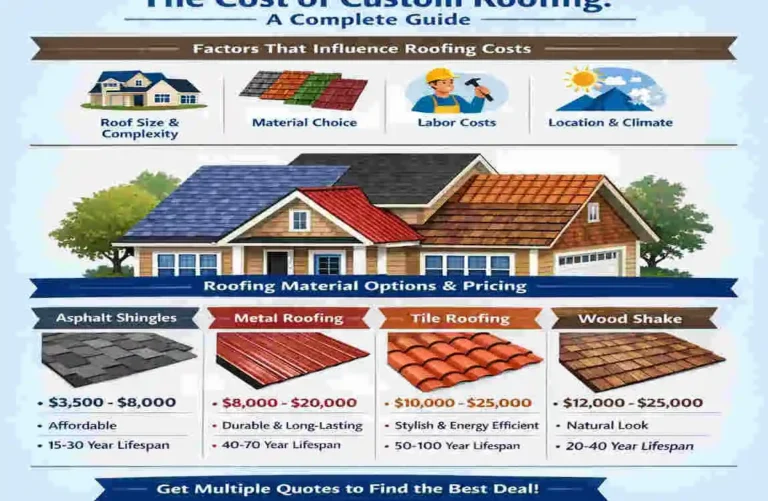
A small, simple roof will usually cost less than a large, steep, or highly detailed one. Material choice also matters. Steel, aluminium, and coated products each have different price levels and performance features.
What Goes Into the Cost
Several parts make up the total cost of a metal roof:
- Material price
- Labor
- Fasteners and sealants
- Underlayment
- Flashing and trim
- Tools and cutting equipment
- Waste from trimming and mistakes
If you overlook any of these, your budget may be too low from the start.
Why Accurate Measurements Matter
One of the easiest ways to save money is to measure the roof carefully before ordering materials. A small measuring error can lead to wasted panels, extra cuts, and surprise replacement costs.
Good planning helps you order the right amount and avoid paying for material you do not need.
What Factors Affect Metal Roofing Costs?
Material Type and Quality
The type of metal you choose is one of the biggest cost factors. Some materials cost more upfront because they offer better strength, finish, or weather resistance.
Common choices include:
- Steel
- Aluminum
- Galvanized steel
- Coated or painted panels
Thickness also matters. Thicker metal often costs more, but it may last longer and perform better in some climates. Coatings can also raise the price, but they may improve durability and appearance.
Roof Size and Design
The bigger the roof, the more material you need. That part is simple. But roof shape matters just as much as roof size.
A roof with many hips, valleys, dormers, or angles usually costs more because it needs more cutting and more careful fitting. A steep roof may also increase labour time and safety needs.
If your roof is simple, straight, and easy to access, your cost will usually be lower.
Labour and Installation
Labour can make up a large share of the final bill. Professional installers charge for their time, skill, and equipment.
Labour costs may be higher if:
- The roof is steep
- The roof is hard to reach
- The layout is complex
- The job needs special flashing or details
- The area has higher labour rates
DIY installation may reduce labour costs, but it also carries greater risk if you are not experienced.
Accessories and Additional Materials
Small items can add up quickly. A roof is not just panels. It also needs the parts that help everything fit and stay sealed.
These often include:
- Fasteners
- Underlayment
- Flashing
- Trim
- Insulation
- Sealants
Many homeowners focus only on panel prices, but these extra items can significantly affect the budget. That is why it helps to get a full estimate, not just a panel quote.
Smart Ways to Reduce Roofing Metal Costs
You do not need to cut corners to save money. You need to be strategic.
Measure the Roof Accurately
This is one of the smartest first steps. If you know the real roof size, you can buy the right amount of material.
A careful measurement helps prevent overbuying. It also lowers the chance of running short and needing emergency purchases later, which often cost more.
Compare Multiple Suppliers and Quotes
Never stop at the first price you see. Roofing metal prices can vary by supplier, region, and quantity.
Get quotes from more than one source. Ask what is included in the price, because one quote may look cheaper but leave out important items like trim or fasteners.
Choose the Right Thickness
Thicker does not always mean better for every project. You need a product that fits your roof, climate, and local requirements.
If your home does not need a heavy-duty panel, a standard thickness may save money without sacrificing performance. The key is to match the product to the job.
Use Standard Panel Sizes When Possible
Custom cuts often cost more and create more waste. Standard panel sizes can reduce both material expense and installation time.
If your roof layout allows it, standard sizing can make the whole job more efficient.
Keep the Design Simple
A simple roof design is usually cheaper to build, cut, and install. More angles and decorative details mean more labour and more waste.
If you are still planning the project, consider whether every design feature is truly necessary. Sometimes a cleaner layout gives better value.
Buy Efficient Quantities
Buying too much material is a waste. Buying too little can also be expensive if you have to reorder and pay extra shipping or higher retail pricing.
The best approach is to order carefully based on exact measurements, with a small allowance for mistakes or future repairs.
Avoid Paying for Unneeded Features
Some roofing products come with extras that may not be necessary for your home. These could include special finishes, premium coatings, or advanced add-ons.
If those features will not really help your roof, you may be able to choose a simpler option and save money.
How to Reduce Metal Roofing Waste and Cutting Expenses
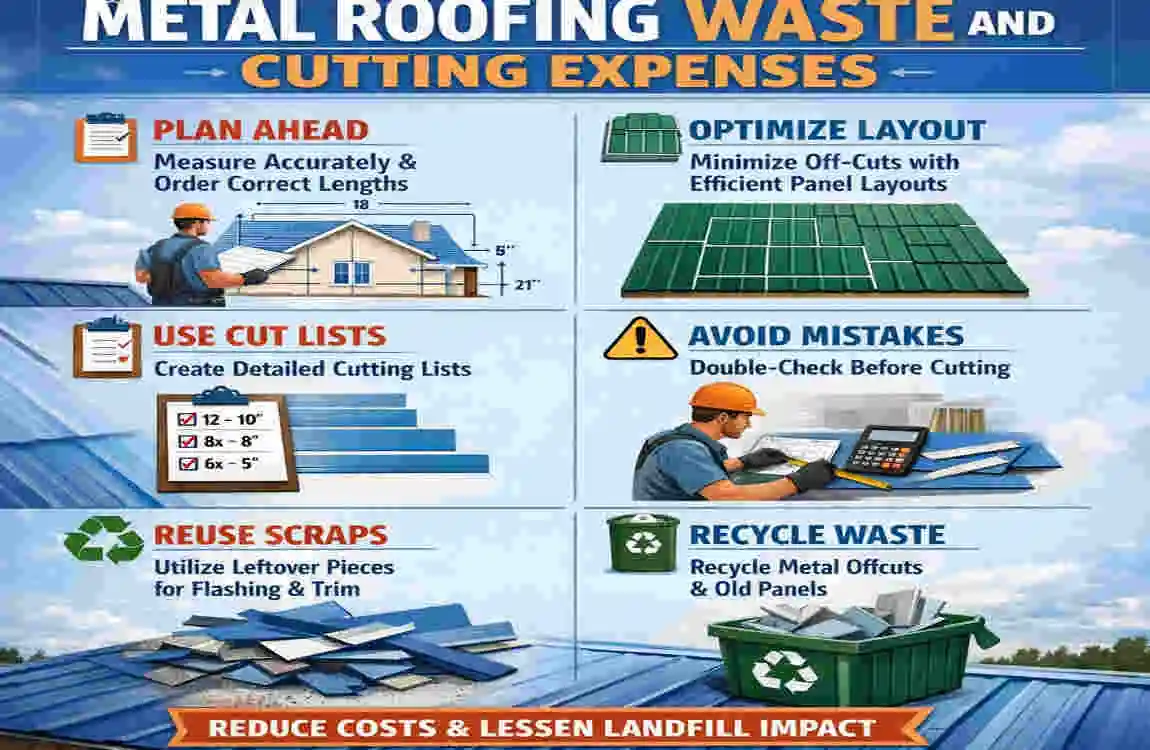
Waste is one of the easiest places to lose money during a roofing project. When panels are cut poorly, the scraps may not be reusable. That means you pay for material you never get to use.
Create an Accurate Roof-Material Plan
Start by planning how the roof will be covered before any cutting begins. Think through the layout, panel direction, seam placement, and edge details.
A clear plan helps you use material more efficiently and reduces guessing on-site.
Optimise Panel Layouts Before Cutting
Good layout planning can save a lot. If you position panels wisely, you may be able to reduce the number of cuts and avoid awkward leftover pieces.
That means less waste and less labour.
Reuse Suitable Offcuts
Sometimes offcuts can be reused for smaller sections, trim areas, or other parts of the project. This only works when the piece is still useful and fits correctly.
Do not force a reuse if it compromises the roof, but do look for smart ways to keep usable leftovers from going to waste.
Use the Correct Tools
Clean cuts matter. The wrong tool can damage panels, bend edges, or create unusable waste.
Using the proper cutting tools helps you work more accurately and reduce mistakes. Better cuts usually mean better savings.
Avoid Excessive Cutting
Every extra cut increases the chance of error. It also increases the time needed to finish the job.
If you can reduce unnecessary cuts by planning, you will usually spend less and waste less.
Consider Professional Cutting for Complex Roofs
For complex roof shapes, professional cutting can sometimes save money in the long run. A skilled installer may reduce material waste better than an inexperienced DIY approach.
This is especially useful if your roof has many angles or special details.
Why Waste Reduction Matters
Reducing waste helps in two ways. First, it lowers material spending. Second, it improves the speed and quality of the job.
That is why material planning is a big part of cutting roofing metal costs.
DIY vs Professional Installation: Which Saves More?
This is one of the biggest questions homeowners ask. The answer depends on skill, roof shape, and risk.
When DIY May Reduce Costs
DIY can lower costs if you already have experience and your roof is simple. In that case, you may save a lot on labour.
DIY makes more sense when:
- The roof is low and easy to access
- The layout is simple
- You already own the right tools
- You understand safe metal-cutting practices
If those conditions are met, DIY may be a practical way to save.
Risks of DIY Metal Roofing
DIY is not free from risk. Mistakes can become expensive very fast.
Common problems include:
- Wrong measurements
- Poor fastening
- Damaged panels
- Leaks
- Uneven seams
- Premature roof failure
If one mistake causes a leak, the repair bill can erase any savings you gained from doing the work yourself.
When Professional Installation Makes Sense
Professional installation is often the better choice for complex or steep roofs. It can also be smart for large projects where the margin for error is smaller.
A professional may also help with flashing, structural details, and finishing work. That can improve long-term performance and protect your investment.
Long-Term Value Matters Too
DIY may seem cheaper at the start, but poor installation can lead to costly problems later. Sometimes paying for skilled labour now saves you more in the future.
So the real question is not just, “What costs less today?” It is also, “What gives better value over the life of the roof?”
How to Choose Affordable Metal Roofing Without Sacrificing Quality
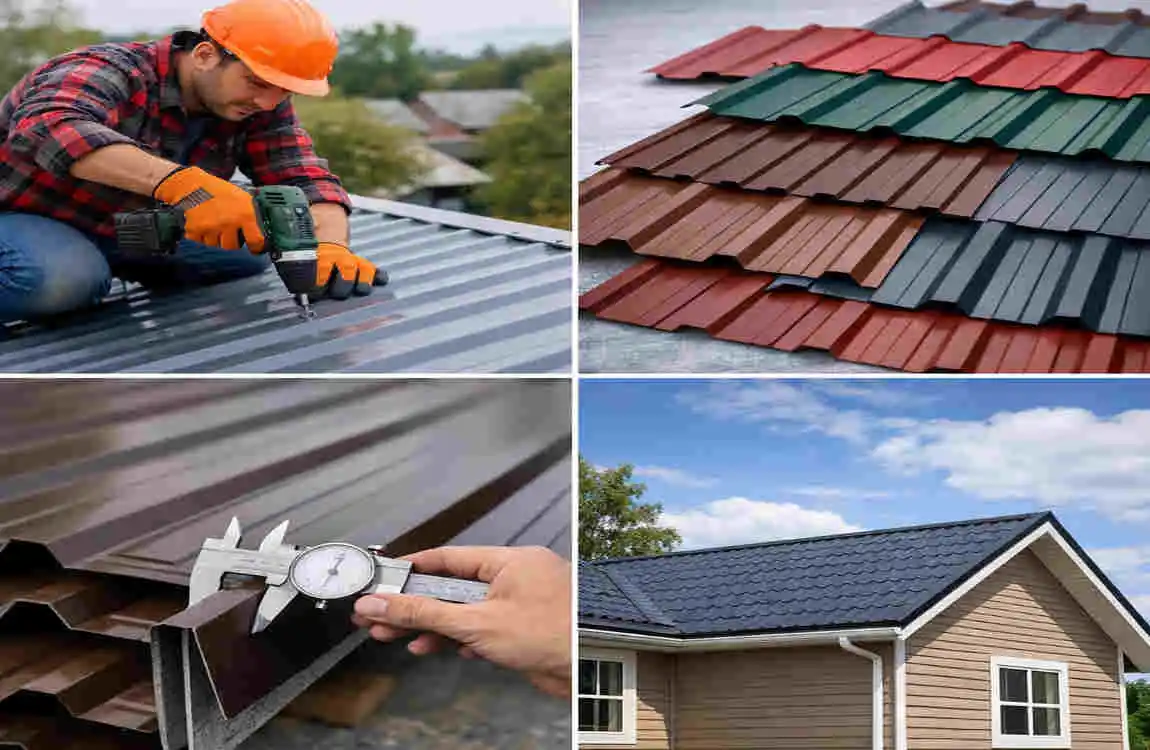
Saving money is important, but quality should still guide your decision.
Compare More Than Price Alone
A low price is not always a good deal. Look at the full picture:
- Price
- Lifespan
- Warranty
- Maintenance needs
- Coating quality
- Manufacturer reputation
A roof that costs a little more but lasts much longer may be the better financial choice.
Do Not Automatically Pick the Cheapest Panel
Very cheap panels may have weaker coatings or shorter warranties. That can mean more maintenance and faster wear.
Instead of choosing the lowest price, choose the best overall value for your home and climate.
Ask About Bulk Pricing and Leftover Inventory
Some suppliers offer better pricing for larger orders. Others may have leftover inventory that is still suitable for your project.
If the product matches your needs, this can be a smart way to save.
Check Local Building Requirements
Your local rules may affect thickness, fastening, or installation methods. Always check before you buy.
If you choose the wrong product and have to replace it, the savings disappear quickly.
Get Detailed Written Estimates
A good estimate should show separate costs for:
- Materials
- Labor
- Accessories
- Delivery
- Extra work
- Structural changes
This makes it easier to compare offers fairly. Without this breakdown, one price may look better than it really is.
Spending Wisely Up Front Can Save Later
A roof is not a short-term purchase. If you choose well now, you may avoid leaks, repairs, and replacement costs later.
That is why smart buyers focus on value, not just the initial price tag.
FAQ About Cutting Roofing Metal Cost
What is the best way to reduce metal roofing costs?
The best way is to combine accurate measurements, competitive pricing, efficient panel layouts, and low waste. That gives you more control over both material and labour spending.
Is metal roofing cheaper than traditional roofing?
Sometimes the upfront cost is higher than for other roofing types, but metal roofing may cost less over time because it lasts longer and often requires less maintenance.
Can I cut metal roofing myself?
Yes, simple projects can be cut by a DIY homeowner with the right tools and safety habits. For complex roofs, professional help is often safer.
How can I reduce metal roofing waste?
Plan the layout carefully, measure twice, use the right tools, and reuse usable offcuts when possible.
Does thicker roofing metal always cost more?
Usually, yes. But thicker metal is not always necessary. The right thickness depends on the roof, climate, and manufacturer guidance.
Should I buy cheap metal roofing to save money?
Not automatically. Cheap materials may not last as long or protect as well. Compare the total value, not just the lowest price.
How can I get the best price for metal roofing?
Compare suppliers, ask for detailed quotes, check for bulk pricing, and avoid buying more than you need.
Can professional installation lower long-term costs?
Yes. Good installation helps reduce leaks, damage, and repair costs later. That can save money over the roof’s full life.
| Factor | Cost-Saving Tip |
|---|---|
| Choose the Right Metal | Compare steel, aluminum, and other options based on durability and price. |
| Accurate Measurements | Measure carefully to reduce material waste and extra purchases. |
| Proper Cutting Tools | Use the correct metal-cutting tools for clean, efficient cuts. |
| Reduce Waste | Plan cuts strategically and reuse suitable offcuts where possible. |
| DIY vs. Professional | DIY can lower labor costs, but professional cutting may prevent costly mistakes. |
| Buy in Bulk | Larger orders may offer better per-sheet pricing. |
Related Posts