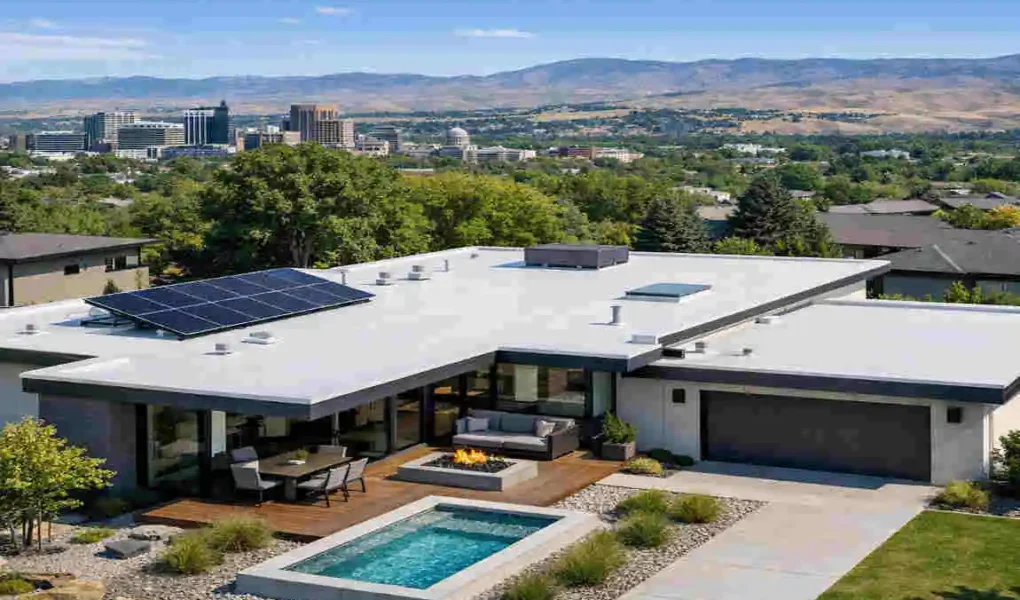
If you are looking for a roofing option that feels modern, practical, and low-maintenance, TPO roofing for house projects is worth a close look. TPO is a roofing system that works especially well on flat or low-slope roofs, which makes it a strong fit for certain residential homes.
Homeowners often choose TPO for its durability, energy efficiency, weather resistance, and low maintenance. That combination matters a lot in Boise, where roofs deal with sun, changing temperatures, and seasonal weather.
What Is a TPO Roof for a House?
Understanding TPO Roofing
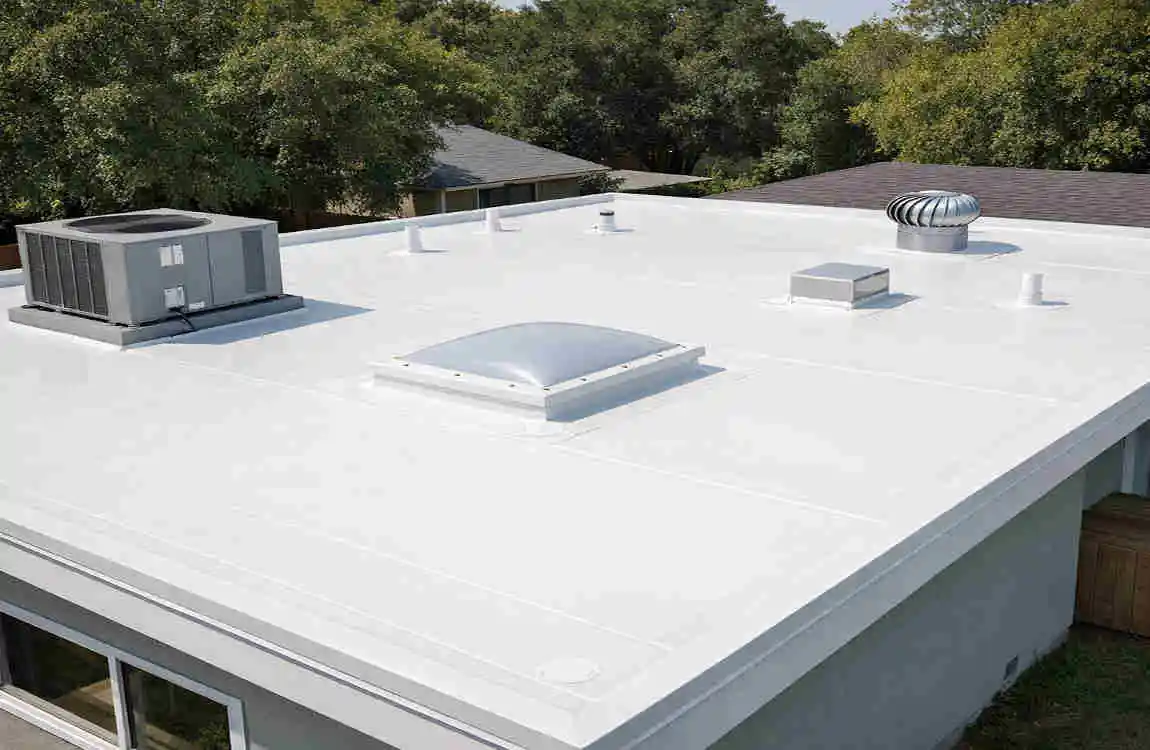
TPO stands for thermoplastic polyolefin. That is a long name for a roofing membrane made to protect flat and low-slope roofs. Instead of shingles, TPO uses a large, sheet-like material to cover the roof.
This membrane is usually installed in wide rolls. The seams are sealed with heat, which helps create a tight bond between sections. That seal is one of the main reasons TPO is known for helping prevent leaks.
TPO roofing is often used on commercial buildings, but it also works on some homes. That is why more homeowners are now considering it as a residential option.
How TPO Membrane Roofing Works
TPO membrane roofing works by creating one continuous protective layer across the roof. That layer helps block water, sunlight, and general weather exposure.
A TPO roof usually includes:
- The roof deck
- Insulation
- The TPO membrane
- Heat-welded seams
- Flashing and edge details
Each part matters. The membrane covers the surface, but the layers beneath provide insulation and support. The seams and flashing help protect the tricky spots where leaks often start.
TPO vs. Traditional Asphalt Roofing
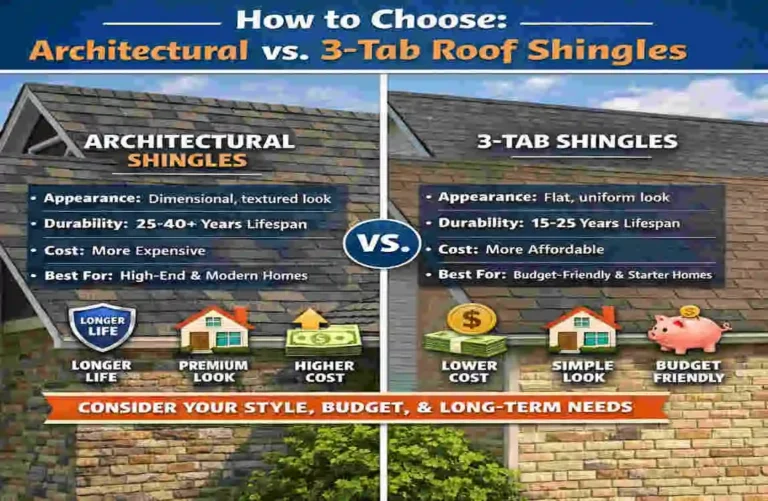
TPO and asphalt shingles are very different systems. Asphalt shingles are usually used on sloped roofs. TPO is better suited to flat or low-slope roofs.
Shingles overlap in rows, while TPO covers the roof with a smoother membrane. That means the best choice depends on the roof shape, not just personal taste.
If your house has a sloped roof, shingles or metal may be a better fit. If your house has a low-slope area, TPO may be a much better option.
Is TPO Suitable for Residential Properties?
Yes, but not for every house. Residential TPO roof systems work best when the home has a roof shape that supports membrane roofing.
That usually means flat roofs, low-slope sections, additions, patios, or modern-style homes. If your roof is steep, TPO is usually not the right choice.
So, before deciding, it is important to look at the roof design first. The roof shape should guide the material, not the other way around.
Why Choose a TPO Roof in Boise?
Boise Weather and Roofing Needs
Boise homes deal with changing seasonal weather. That means roofs must handle heat, sun, cooler nights, and seasonal moisture. Over time, those changes can wear down a roof.
A good roof should do more than look nice. It should also protect the home from weather-related stress and remain stable across different temperatures. That is one reason TPO roofing Boise has become interesting to many homeowners.
UV Resistance and Temperature Changes
One of the strengths of TPO is its ability to handle sunlight well. The membrane is made to resist UV exposure, which matters because sun damage can slowly break down roofing materials over time.
TPO also handles temperature changes fairly well when it is installed properly. That can be useful in Boise, where roofs may go through warm days and cooler nights across different seasons.
Energy Savings Potential
TPO is often chosen because of its reflective surface. A lighter, reflective roof can help reduce heat absorption, especially in warmer months.
That does not mean it will magically cut every energy bill. The full result also depends on insulation, ventilation, roof design, and the home’s overall condition. Still, a reflective roof can be part of a smarter energy plan.
Moisture Protection
Moisture is another important concern. A roof should keep rain and melting snow from getting into the house. TPO helps with that when it is installed correctly.
The membrane itself is water-resistant, and the heat-welded seams help keep water out. That is especially important around edges, drains, vents, and other roof openings.
Good Fit for Low-Slope and Flat Roofs
TPO shines on flat and low-slope roofs because it creates a smooth waterproof surface. These roof shapes can be harder to protect with traditional shingles.
If your house has this kind of roof, TPO may offer better performance than a system that was not designed for that shape.
Professional Installation Matters
Even a good roofing material will not perform well if the installation is weak. That is why local experience matters.
A contractor who understands Boise conditions can help with slope, drainage, insulation, and seam work. Those details make a big difference in how the roof performs over time.
Key Benefits of TPO Roof Boise for House
Energy Efficiency
TPO is often known for its reflective surface. That can help reduce heat buildup on the roof and may make indoor temperatures easier to manage during hotter months.
If you want a roof that supports energy-conscious living, TPO is a strong option.
Durability
A well-installed TPO roof can withstand common outdoor wear. It is designed to resist punctures, weathering, and long-term exposure.
Durability depends on product quality, installation, and maintenance. A roof that is properly planned and cared for will usually last longer than one that is ignored.
Low Maintenance
TPO roofs are often considered low maintenance. That does mean no maintenance, but it does mean the care routine is usually simple.
Regular inspections, light cleaning, and quick repairs for minor issues can help keep the roof in good shape. This is appealing for homeowners who want less upkeep.
Waterproofing
One of the most important features of TPO is the heat-welded seam. These seams help create a strong seal between membrane sections.
When the seams and flashing are done correctly, the roof is much better at resisting leaks. That is a big advantage for homes that need reliable water protection.
Modern Appearance
TPO roofing also has a clean, modern look. That makes it a nice fit for contemporary homes or any property where a neat roofline matters.
TPO membranes are commonly white or light-colored, which can make the roof feel crisp and simple. If you like a modern design, that style may appeal to you.
TPO Roofing Installation and Cost Considerations in Boise
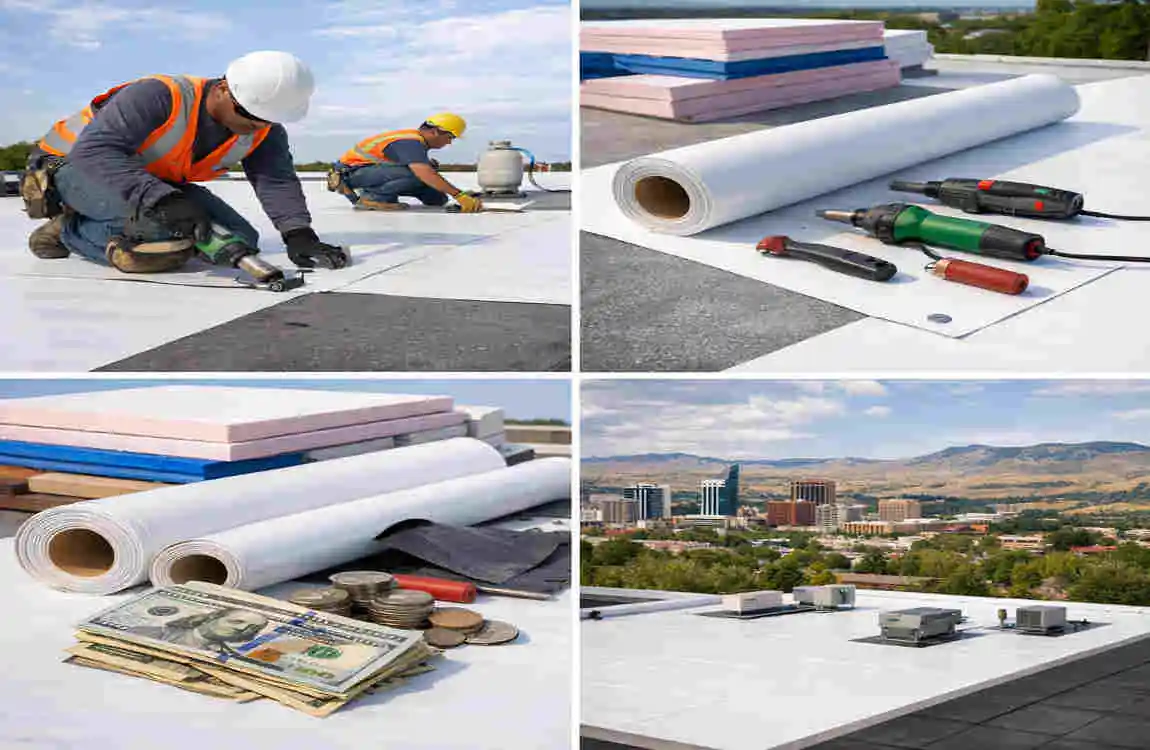
Basic Installation Process
A residential TPO roof is installed in several clear steps. The exact process can vary by home, but the basic flow is usually similar.
Roof Inspection
The contractor checks the existing roof for damage, softness, drainage issues, and structural problems.
Surface Preparation
The surface is cleaned and prepared so the new roof can sit properly.
Insulation Installation
Insulation may be added or improved before the membrane goes down.
Membrane Placement
The TPO sheet is rolled out across the roof and secured.
Seam Welding
The seams are heat-welded together to create a waterproof bond.
Flashing and Edge Detailing
Critical areas like edges, vents, and penetrations are sealed carefully.
Final Inspection
The contractor checks the work to make sure everything is tight and complete.
What Affects the Cost?
The cost of a TPO roof Boise for a house project can vary quite a bit. It depends on several practical things.
Common cost factors include:
- Roof size
- Roof slope
- Existing roof condition
- Insulation needs
- Membrane thickness
- Labor
- Flashing and drainage details
A larger or more complicated roof will usually cost more. If the old roof needs removal or the surface needs major repair, the price can go up too.
Why Estimates Matter
It is always smart to compare detailed roofing estimates. Do not choose solely on price.
A lower quote may omit important work such as insulation, drainage repair, or proper flashing. A better estimate should explain exactly what is included so you can compare value rather than just price.
TPO vs. Other Residential Roofing Options
TPO vs. EPDM
EPDM is another membrane roofing option. It is also used on low-slope roofs. Both are strong choices, but they perform a little differently.
TPO is often preferred when homeowners want a brighter, more reflective roof. EPDM is often chosen for its durability and simple installation. The better choice depends on the roof design and the homeowner’s priorities.
TPO vs. Metal Roofing
Metal roofing is very strong and long-lasting. It can also offer excellent energy performance. But it usually works better on sloped roofs than on flat ones.
If your home has a low-slope roof, TPO may be the more practical choice. If your roof is steeper and you want a very durable system, metal may be worth comparing.
TPO vs. Asphalt Shingles
Asphalt shingles are common on many homes, but they are mostly used on sloped roofs. They are usually not the best match for flat or low-slope roofs.
That is why roof design matters so much. The wrong roofing type can shorten the roof’s lifespan and create drainage problems.
Why Roof Slope Matters
Roof slope is one of the biggest factors in choosing roofing material. A steep roof sheds water differently than a flat roof.
TPO works best when water can drain properly off the surface, and the membrane system is designed for that kind of roof. If the slope is wrong, another roofing material may be better.
TPO Roof Maintenance, Lifespan
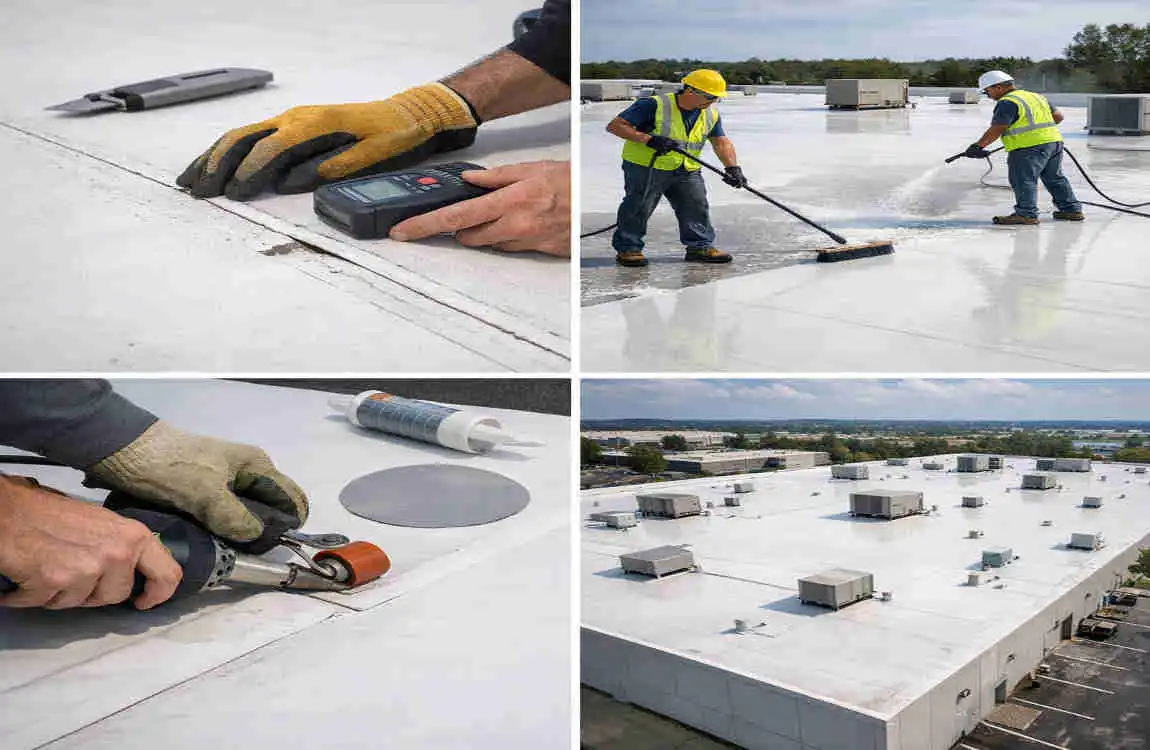
How to Maintain a TPO Roof
A TPO roof is low maintenance, but it still needs regular care. Small checkups can help prevent larger repair bills later.
Here are a few smart maintenance steps:
- Schedule regular roof inspections
- Keep drains and gutters clear
- Check seams, flashing, and penetrations
- Remove debris carefully
- Fix small damage quickly
These simple habits help keep the roof strong and reduce the risk of leaks.
How Long Does a TPO Roof Last?
There is no exact number that fits every roof. Lifespan depends on membrane quality, installation quality, weather exposure, roof slope, and maintenance.
A roof that is installed well and checked regularly will usually last longer than one that is neglected. If the membrane starts to fail, the seams separate, or repeated leaks occur, it may be time to consider replacement.
When Should You Hire a Professional?
You should call a professional if you see leaks, damaged seams, bubbling, punctures, or drainage problems. These signs often point to a bigger issue that needs expert attention.
A professional inspection is also a good idea if the roof is older or if you are not sure whether the damage is surface-level or structural.
Frequently Asked Questions
Is TPO roofing good for a house in Boise?
Yes, especially for homes with flat or low-slope roofs. It can offer durability, energy efficiency, and low maintenance when installed properly.
How much does a TPO roof cost for a house in Boise?
The cost depends on roof size, slope, insulation, labor, membrane thickness, and the condition of the existing roof. Detailed estimates are the best way to compare.
How long does residential TPO roofing last?
The lifespan depends on installation quality, climate exposure, maintenance, and roof design. Good care usually helps it last longer.
Is TPO better than shingles for a house?
TPO is often better for flat or low-slope roofs. Shingles are usually better for steep residential roofs.
Can TPO roofing handle snow and cold weather?
Yes, when it is installed correctly. The roof design, drainage, and flashing all matter for winter performance.
Does TPO roofing help reduce heat in a home?
It can help reduce heat buildup because of its reflective surface. Insulation and ventilation also play a big role.
How often should a TPO roof be inspected?
Regular inspections are a smart idea, especially after heavy weather or if the roof is older.
Can TPO roofing be installed over an existing roof?
Sometimes, but it depends on the roof’s condition and the system requirements. A professional inspection should come first.
| Feature | Quick Information |
|---|---|
| What Is TPO? | A single-ply roofing membrane made from thermoplastic polyolefin. |
| Best For | Flat and low-slope residential roofs. |
| Boise Climate | Helps handle sun, temperature changes, rain, and seasonal weather. |
| Energy Efficiency | Reflective surfaces can help reduce heat absorption. |
| Durability | Resistant to UV exposure, punctures, and weathering when properly installed. |
| Maintenance | Generally requires routine inspections and basic cleaning. |
| Installation | Should be installed by an experienced roofing professional. |
| Main Benefit | Offers a lightweight, energy-conscious, and durable roofing option for modern homes. |
Related Posts