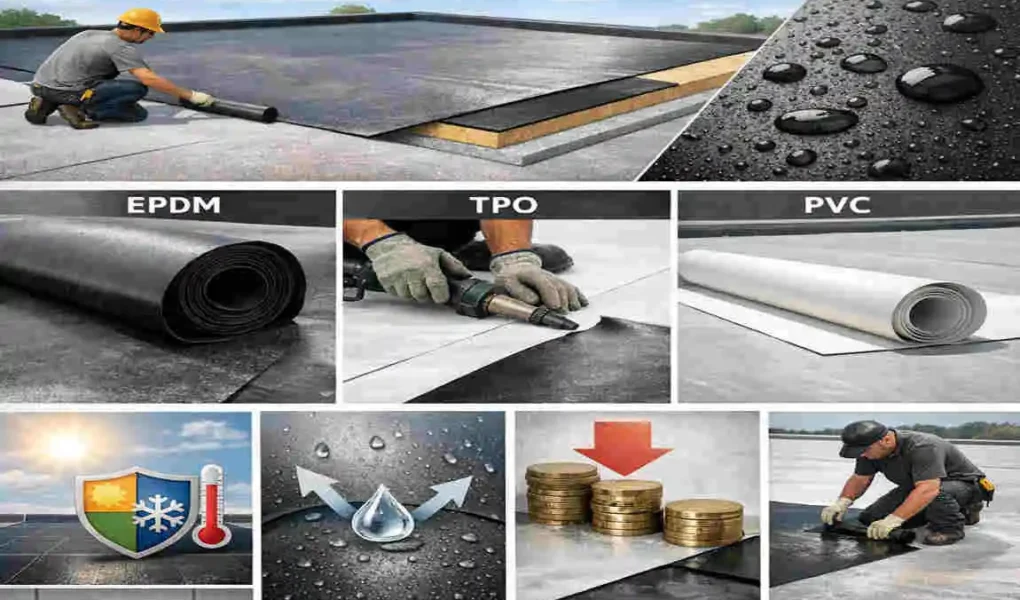
Commercial rubber roofing is a durable roofing system made for low-slope and flat commercial buildings. It is designed to protect large roof surfaces from weather, water, and daily wear.
Businesses often choose this type of roofing because it offers strong long-term protection with relatively simple upkeep. It is common on offices, warehouses, retail buildings, and industrial properties.
Commercial Rubber Roofing Materials
EPDM Rubber Roofing
EPDM is one of the most common materials used in commercial rubber roofing. It is a flexible membrane that performs well on low-slope roofs, where water management is especially important.
This material is popular because it handles sun, rain, wind, and temperature changes well. It also remains flexible, which allows the roof to move with the building as conditions change.
TPO and Rubber-Like Membrane Options
TPO is not true rubber, but it is often compared with rubber membranes because it is also used on commercial flat roofs. It tends to be more reflective, which can help with heat control.
EPDM and TPO both serve commercial buildings well, but they are made differently and may perform better in different climates or building setups.
Rubber Roofing Accessories
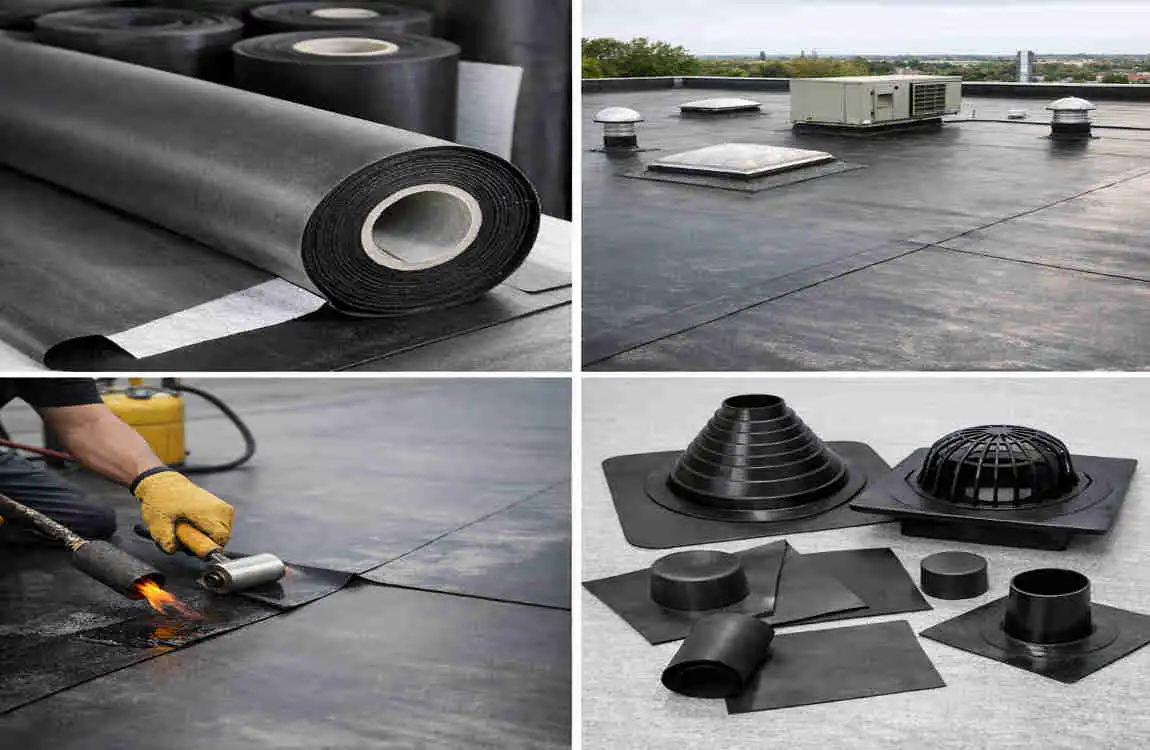
A roof membrane is only part of the system. Good performance also depends on adhesives, seams, flashing, fasteners, and protective coatings.
These pieces must work together. If the accessories are not compatible, the roof may fail earlier than expected.
Benefits of Commercial Rubber Roofing
Durability and Weather Resistance
Rubber roofing is known for handling tough weather. It can resist rain, wind, UV exposure, and temperature swings better than many basic roofing options.
Its flexibility is a major advantage. When a roof expands and contracts, the membrane can move with it rather than crack easily.
Energy Efficiency
Some rubber-like roofing systems are made to reflect more sunlight. That can help reduce heat absorption and may lower cooling demands in warmer months.
For many businesses, that can mean better comfort and possible energy savings.
Low Maintenance
One of the biggest reasons property owners like rubber roofing is that it is usually easy to maintain. Regular inspections and quick repairs can go a long way.
You do not need constant attention, but you do need to watch for small issues before they grow.
Long Service Life
A rubber roof can last a long time when it is installed correctly and properly cared for. The actual lifespan depends on the material, climate, building use, and maintenance habits.
Good artistry matters as much as the product itself.
Cost-Effectiveness
The cheapest roof is not always the best value. Commercial rubber roofing can be a smart investment because it often balances upfront cost with durability and lower maintenance over time.
For many owners, that makes it a practical long-term choice.
Commercial Rubber Roofing Installation Process
Roof Inspection and Preparation
Before installation, the roof should be inspected closely. Contractors look for damage, moisture, weak areas, and old roofing conditions.
The surface also needs to be properly cleaned and prepared. In some cases, old roofing may need to be removed before the new membrane is installed.
Measuring and Installing the Membrane
Once the roof is ready, the membrane is measured, positioned, and secured. The attachment method may vary depending on the roof and system used.
Good seam work is very important. Poorly sealed edges can lead to leaks later.
Flashing and Drainage
Flashing protects roof edges, joints, and penetrations like vents or equipment areas. It helps keep water from entering weak points.
Drainage is just as important. If water sits on the roof for too long, it can cause stress and reduce performance.
Final Inspection
After installation, the roof should be checked carefully. Seams, flashings, drains, and other critical areas should all be reviewed.
A professional final inspection helps confirm that the system is ready for use.
Maintenance and Common Problems
Routine Commercial Roof Inspections
Regular inspections help catch issues early. Pay close attention to:
- Seams
- Flashing
- Drains
- Roof penetrations
- Visible surface damage
A quick check a few times a year can help prevent bigger repairs.
Common Rubber Roofing Problems
Some common problems include:
- Punctures and tears
- Loose seams
- Ponding water
- Surface wear
- Damage around roof equipment
These issues are often easier and cheaper to fix when found early.
Simple Maintenance Tips
A few simple habits can help protect the roof:
- Keep drains and gutters clear.
- Remove debris carefully.
- Fix small damage quickly.
- Limit unnecessary foot traffic.
- Schedule professional inspections.
Commercial Rubber Roofing vs. Other Roofing Options
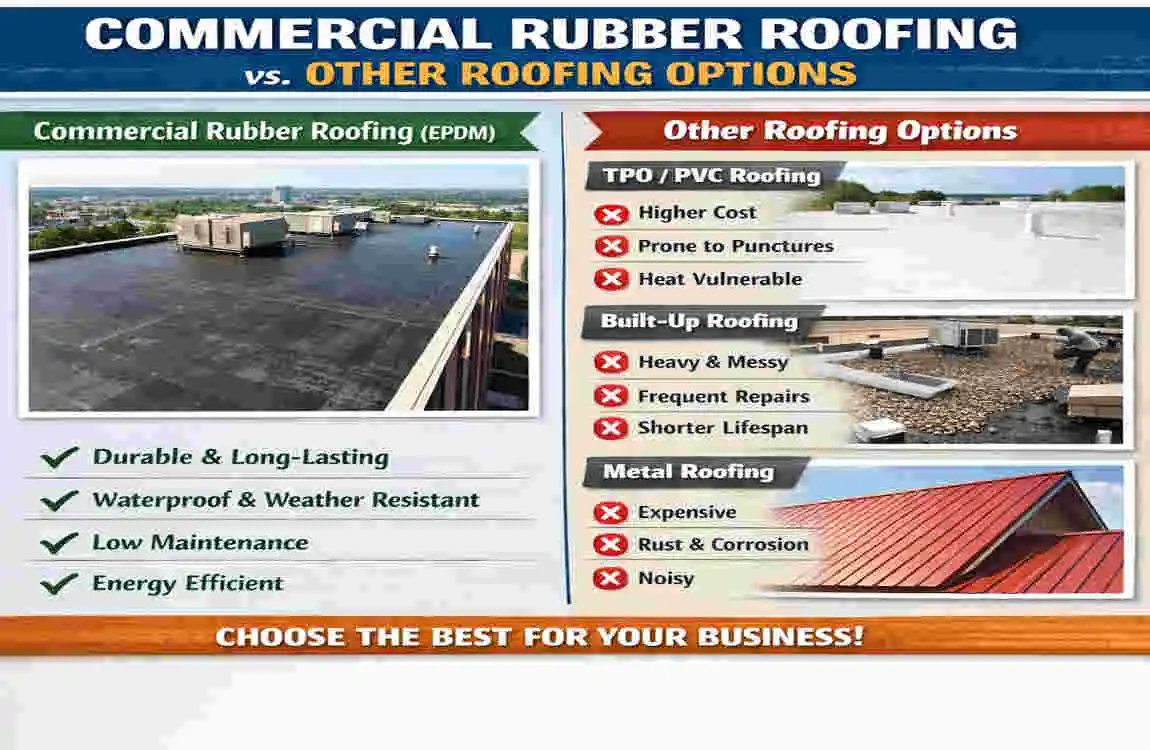
Here is a simple comparison of common roofing systems:
Roofing TypeKey AdvantageMaintenanceBest For
EPDM Flexible and durable Low to moderate Low-slope commercial roofs
TPO Reflective and energy-efficient Low Commercial buildings
Metal Long-lasting Low Many commercial roof types
Built-Up Roofing Multiple protective layers Moderate Low-slope roofs
Modified Bitumen Strong and flexible Moderate Commercial applications
How to compare roofing systems
The best choice depends on more than just price. You should think about roof slope, climate, building type, budget, and expected service life.
For example, a low-slope warehouse may benefit from EPDM, while a building that needs more reflectivity may be a better fit for TPO.
Cost, Lifespan, and Choosing the Right Roofing System
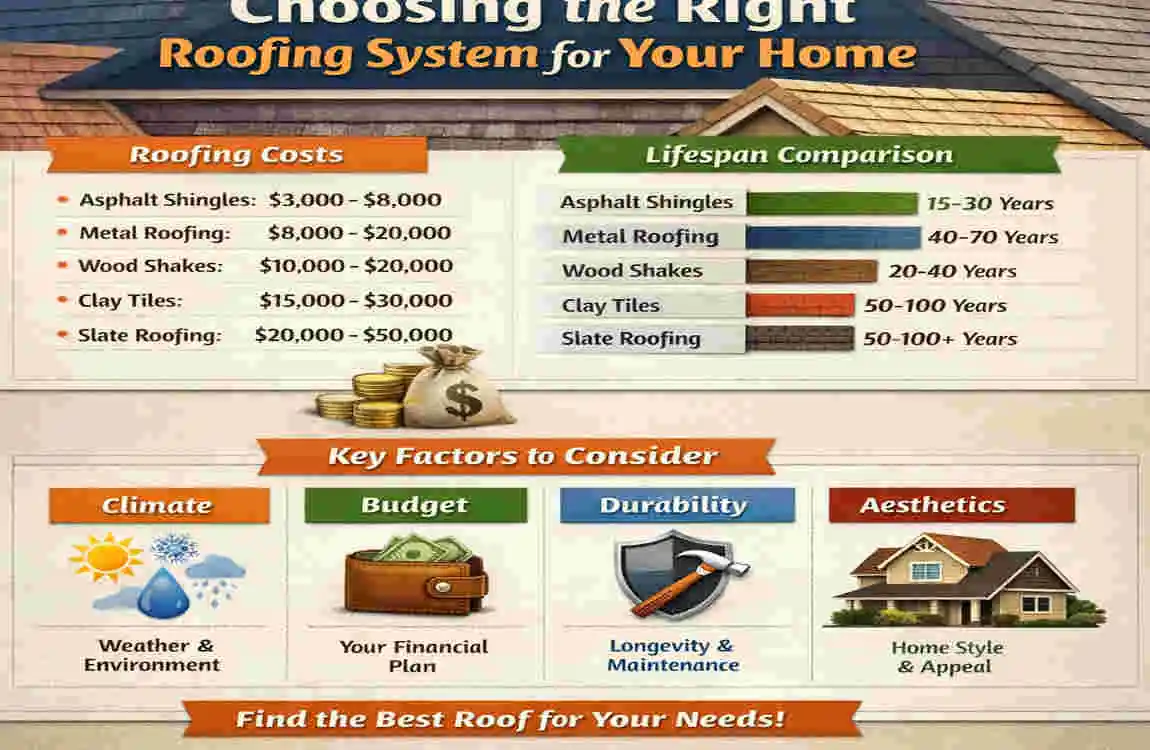
What Affects Commercial Rubber Roofing Cost?
Several things can change the price:
- Roof size and shape
- Existing roof condition
- Material thickness
- Labor and installation method
- Insulation needs
- Flashing and drainage work
- Local project conditions
That is why it is hard to set a single fixed price for every building.
How Long Does Commercial Rubber Roofing Last?
There is no single lifespan for every roof. Longevity depends on installation quality, climate, material choice, exposure, and maintenance.
A well-installed roof that is inspected regularly will usually perform much better than one that is neglected.
When Is Rubber Roofing a Good Choice?
Commercial rubber roofing is often a good choice for flat or low-slope buildings that require flexibility, weather resistance, and low maintenance.
It may be less ideal if the building needs a different performance profile, such as a highly reflective system, a steep-slope solution, or a roof with very specific structural needs.
Frequently Asked Questions About Commercial Rubber Roofing
Is commercial rubber roofing durable?
Yes. It is made to handle weather, sunlight, and temperature changes well, especially when installed and maintained properly.
How long does a commercial rubber roof last?
It varies by material, climate, installation quality, and maintenance. No single lifespan fits every building.
Is rubber roofing good for flat commercial roofs?
Yes. It is commonly used on flat and low-slope roofs because it is flexible and effective for those conditions.
Is commercial rubber roofing easy to maintain?
Generally, yes. Routine inspections, clear drainage, and prompt repairs usually keep it in good shape.
Can rubber roofing be repaired?
Yes. Small tears, punctures, and seam issues can often be repaired before they become larger problems.
Is rubber roofing energy efficient?
It can be, especially when paired with reflective materials and proper insulation.
How much does commercial rubber roofing cost?
The cost depends on roof size, materials, labor, roof condition, and project complexity.
Should commercial rubber roofing be professionally installed?
Yes, professional installation is strongly recommended because seams, flashing, and drainage must be done correctly.
| Aspect | Quick Information |
|---|---|
| What Is It? | Commercial rubber roofing is a durable roofing system commonly made from synthetic rubber materials. |
| Common Materials | EPDM, TPO, and PVC are popular options for commercial buildings. |
| Key Benefit | Provides strong protection against rain, UV exposure, temperature changes, and general weathering. |
| Durability | With proper installation and maintenance, rubber roofing can provide many years of service. |
| Energy Efficiency | Reflective roofing membranes can help reduce heat absorption and cooling demand. |
Related Posts