Commercial flat roof restoration is a smart way to repair and improve an existing roof without replacing the entire roof. It is often used when the roof is still structurally sound but has begun to show signs of age, leaks, or surface damage.
For many business owners, this approach makes sense because it can save time, reduce disruption, and extend the roof’s lifespan. Instead of tearing everything off, restoration focuses on cleaning, repairing, sealing, and protecting the roof you already have.
Flat roofs are common on offices, warehouses, retail stores, and industrial buildings because they are practical and cost-friendly to build. But they also need regular care. If you wait too long, small issues can turn into bigger problems. That is why restoration can be such a useful option.
Why Commercial Flat Roofs Need Restoration
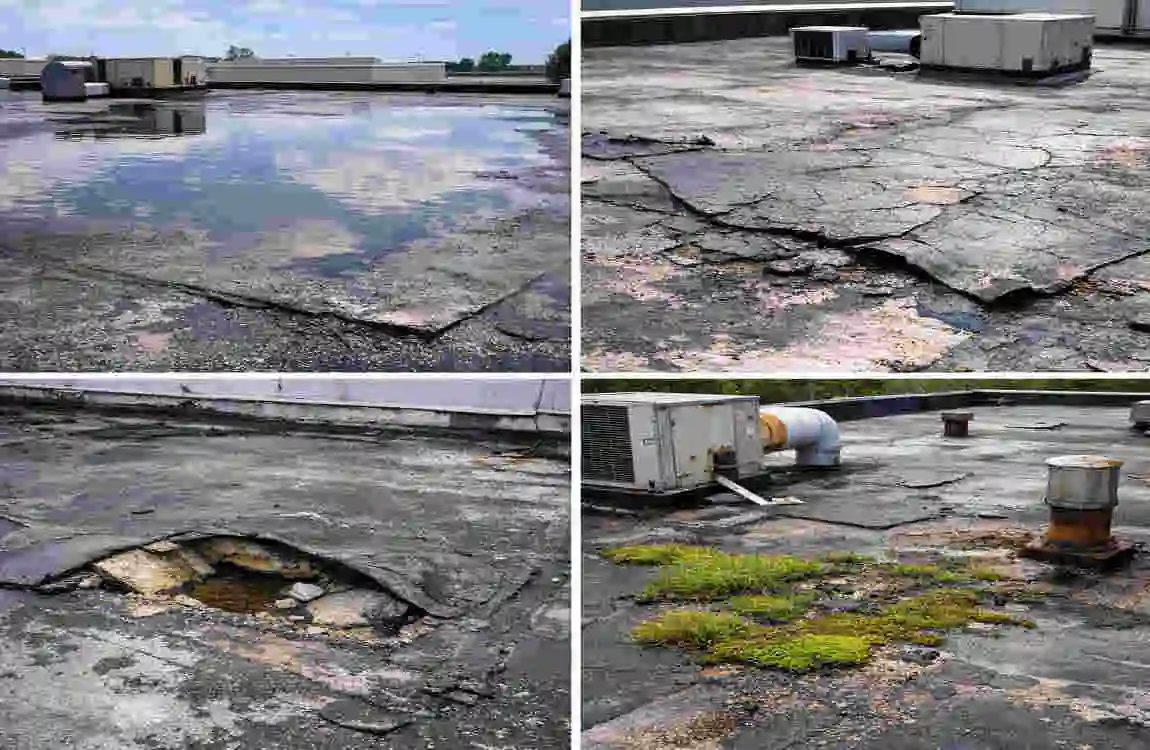
Common Causes of Flat Roof Damage
Flat roofs face daily stress from weather, sunlight, and water. Over time, this can weaken the surface and create leaks.
Some of the most common causes include:
- UV exposure from the sun
- Ponding water that sits on the roof too long
- Cracks and surface wear
- Damaged flashing around edges and joints
- Aging roofing membranes
- Drainage problems
- Foot traffic and rooftop equipment
When these issues accumulate, the roof begins to lose its ability to protect the building.
Signs Your Roof May Need Restoration
You do not always need to wait for a major leak before taking action. Often, the warning signs show up earlier.
Look for:
- Visible cracks or blisters
- Water stains inside the building
- Repeated leaks
- Loose or damaged membrane
- Standing water after rain
- Worn seams and flashing
- Higher roof repair costs
If you notice more than one of these, your roof may be ready for restoration.
Commercial Flat Roof Restoration vs. Roof Replacement
What Restoration Involves
Restoration is about bringing the roof back to a strong working condition.
It usually includes:
- Cleaning the roof surface
- Repairing damaged areas
- Fixing seams and flashing
- Improving drainage
- Applying a coating or membrane system
The goal is to stop leaks, protect the roof, and help it last longer.
When Replacement May Be Better
Sometimes restoration is not enough.
Replacement may be the better choice if:
- The structure has serious damage
- There is major moisture below the roof
- The decking has failed
- The membrane is badly worn
- The roof cannot support another layer
In short, if the roof is too far gone, replacement is safer.
Key Benefits of Restoration
Restoration can be a strong choice because it often offers:
- Lower cost than full replacement
- Less business disruption
- Longer roof life
- Better weather protection
- Possible energy savings
- Less roofing waste
For many property owners, that balance of value and performance is very appealing.
Restoration vs. Replacement at a Glance
FeatureRestorationReplacement
Cost Usually lower Usually higher
Business disruption Less More
Roof waste Less More
Time required Often faster Often longer
Best for Sound roofs with damage Roofs with severe failure
Step-by-Step Commercial Flat Roof Restoration Process
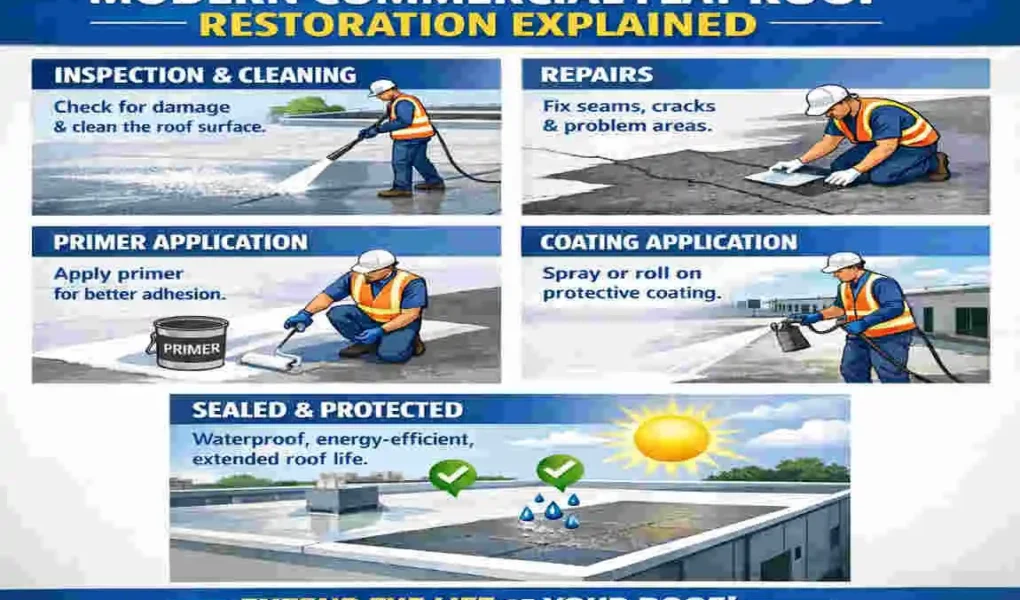
Professional Roof Inspection
The first step is a careful inspection. A qualified roofing professional checks the membrane, flashing, seams, drains, and roof penetrations.
They also look for:
- Active leaks
- Moisture problems
- Surface damage
- Weak spots in the roof base
This step matters because not every roof is a good candidate for restoration.
Roof Cleaning and Preparation
A roof must be clean before repairs or coatings can work well.
The surface is usually cleaned to remove:
- Dirt
- Debris
- Algae
- Loose materials
The roof also needs to be dry before the next step. If moisture stays trapped, it can cause coating failure later.
Repairing Existing Damage
After cleaning, the damaged areas are fixed.
This may include:
- Sealing cracks
- Repairing blisters
- Filling punctures
- Reworking damaged seams
- Replacing badly worn parts
Weak areas should be reinforced before any restoration system goes on.
Improving Drainage
Drainage is a big part of roof health. If water keeps sitting in one place, the roof will wear out faster.
A contractor may check:
- Roof drains
- Gutters
- Scuppers
- Water flow paths
Good drainage helps the new roof system last longer.
Applying the Restoration System
This is the stage where the new protective layer is applied. Depending on the roof type, the contractor may use primers, base coats, membranes, or roof coatings.
The materials must match the existing roof system. That is why professional application is so important. The wrong product can fail early.
Final Inspection and Maintenance Plan
Once the restoration is complete, the roof should be checked again.
This final review makes sure:
- Seams are sealed
- Edges are covered
- Penetrations are protected
- Drainage works properly
After that, a maintenance plan should be established to keep the roof in good condition.
Popular Materials for Commercial Flat Roof Restoration
Acrylic Roof Coatings
Acrylic coatings are often used because they are cost-friendly and reflective. They can help reduce heat on the roof surface.
They work well in many situations, but they may not be the best choice for areas with frequent standing water.
Silicone Roof Coatings
Silicone coatings are known to handle ponded water better than many other options. They also perform well under sun and weather exposure.
They are a strong choice for roofs that need extra moisture resistance.
Polyurethane Coatings
Polyurethane coatings are tough and impact-resistant. They are often used in commercial spaces where the roof may face more wear.
They can be a good option for roofs that need added strength.
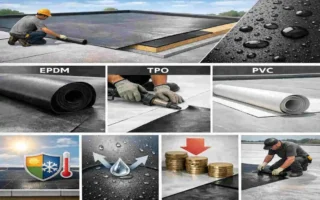
TPO and PVC Membrane Systems
These are thermoplastic roofing membranes often used in commercial buildings. They are durable and can be heat-welded for strong seams.
In some projects, these systems can be part of a restoration plan if the existing roof is compatible.
EPDM Roofing Systems
EPDM is a common rubber roofing material. It is known for flexibility and long service life.
Restoring EPDM roofs requires compatible products and careful repair work so the new system bonds properly.
Benefits of Modern Commercial Flat Roof Restoration
Extends Roof Life
A good restoration project can add many more years of service to an aging roof that is still structurally sound.
Reduces Business Disruption
Restoration is often less disruptive than full tear-off work. That matters when your building is still in use.
Helps Prevent Water Damage
Sealing weak spots and improving drainage can reduce the chance of leaks inside the building.
May Improve Energy Performance
Reflective coatings can help reduce heat buildup in some climates. That may support better energy performance.
Supports Sustainable Building Practices
Restoration creates less roofing waste than replacement. That makes it a more eco-friendly option in many cases.
How Much Does Commercial Flat Roof Restoration Cost?
The cost of commercial flat roof restoration can vary a lot. There is no one universal price because every roof is different.
Main cost factors include:
- Roof size
- Roof condition
- Roof material
- Amount of repair work needed
- Labor costs
- Roof access
- Drainage improvements
- Type of coating or membrane system used
A professional inspection is the best way to get a realistic estimate. The condition of the roof matters as much as its size.
How to Choose a Commercial Roof Restoration Contractor
Check Experience
Choose a contractor who has real experience with commercial flat roofs. Flat roof systems are different from residential sloped roofs.
Verify Licensing and Insurance
Always confirm that the contractor has the required licenses and insurance for your area. This helps protect your business.
Ask About Materials and Warranty
A good contractor should explain the materials being used, how they work, and what warranty applies.
Request a Detailed Proposal
A strong proposal should include:
- Inspection results
- Repair plan
- Restoration materials
- Timeline
- Maintenance advice
- Warranty details
This helps you compare contractors more clearly.
Common Mistakes to Avoid
Some roof problems come back because the restoration was not done properly.
Avoid these mistakes:
- Restoring a roof without checking structure
- Using incompatible coatings
- Ignoring ponding water
- Covering damaged areas without repair
- Choosing the lowest price only
- Skipping inspections
- Forgetting flashing and penetrations
- Applying coatings to a poorly prepared surface
A careful process gives better long-term results.
How to Maintain a Restored Commercial Flat Roof
Schedule Regular Inspections
Check the roof regularly, especially after storms or heavy weather.
Keep Drains Clear
Remove leaves, dirt, and other debris so water can move off the roof.
Monitor Roof Penetrations
Inspect areas around HVAC units, vents, pipes, and skylights. These are common leak points.
Repair Small Problems Early
Small damage is easier and cheaper to fix before it spreads.
Keep Maintenance Records
Save notes on inspections, repairs, and coatings. This helps track roof performance over time.
Modern Trends in Commercial Flat Roof Restoration
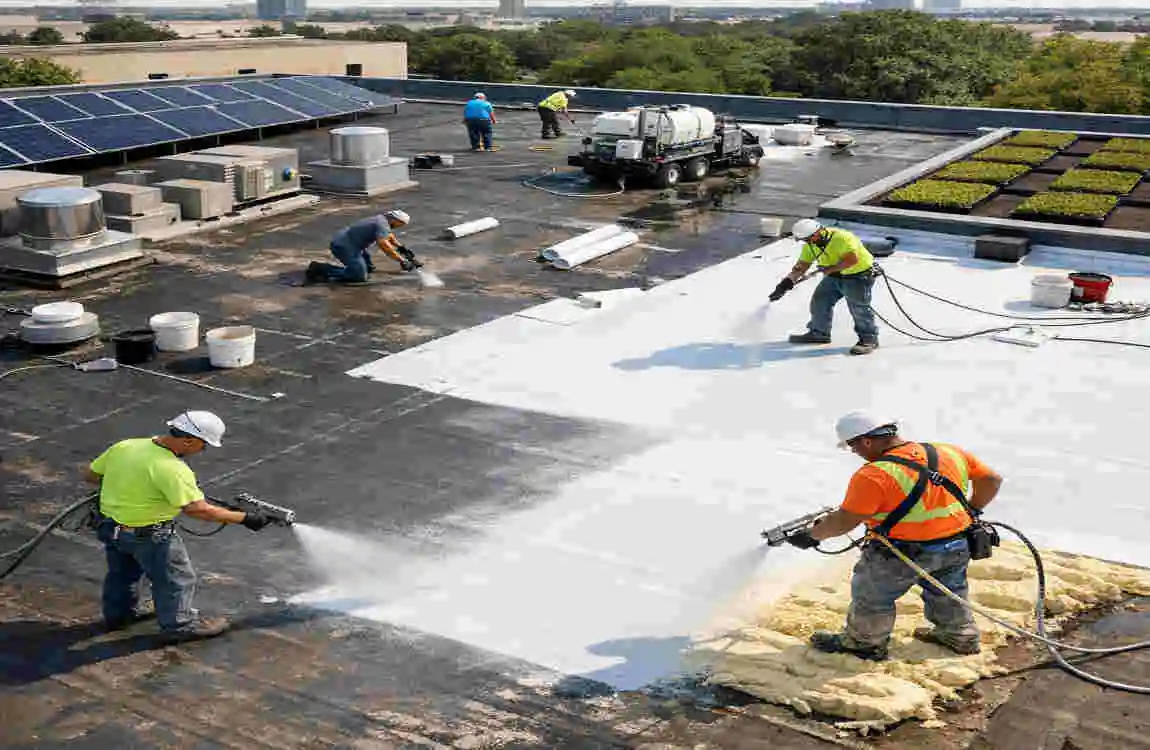
Today, roofing systems are becoming smarter and more efficient.
Some current trends include:
- Reflective and energy-saving coatings
- Better waterproofing systems
- Improved membrane technology
- Moisture detection tools
- Preventive maintenance programs
- More eco-friendly materials
- Technology-assisted inspections
These changes are making roof restoration more reliable and more practical for businesses.
Frequently Asked Questions
What is commercial flat roof restoration?
It is the process of repairing and upgrading an existing flat roof to improve protection, durability, and service life without replacing the entire roof.
Is roof restoration cheaper than replacement?
Often yes, but the final cost depends on the roof’s condition, size, and repair needs.
Can every commercial flat roof be restored?
No. Roofs with serious structural damage or major moisture problems may need replacement instead.
How long does roof restoration take?
It depends on the roof size, weather, and amount of repair work. Some projects take a few days, while larger ones take longer.
What is the best coating for a commercial flat roof?
There is no single best option. The right choice depends on the roof material, climate, drainage, and building needs.
| Aspect | Modern Commercial Flat Roof Restoration |
|---|---|
| What It Means | Repairing and upgrading an existing flat roof to extend its service life and improve performance. |
| Common Problems | Leaks, ponding water, cracks, damaged membranes, poor drainage, and aging materials. |
| Restoration Methods | Roof coatings, membrane repairs, flashing replacement, seam sealing, and drainage improvements. |
| Key Benefits | Better waterproofing, improved energy efficiency, longer roof life, and reduced maintenance costs. |
| Best Materials | Silicone, acrylic, polyurethane, TPO, EPDM, and other commercial roofing systems. |
Related Posts