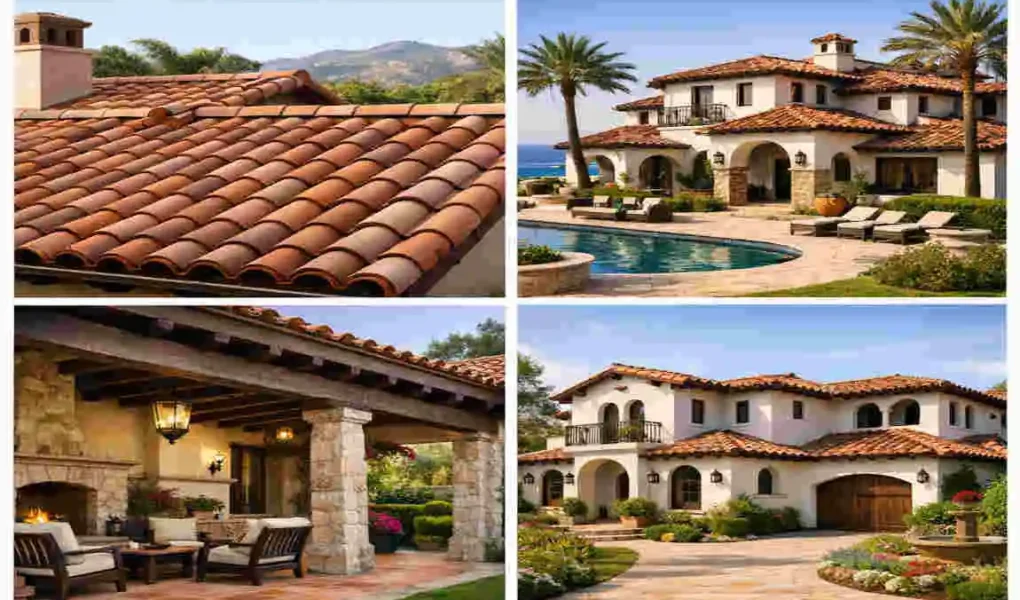
A Spanish-style roof is a roof design often seen on Spanish, Mediterranean, and Spanish Colonial homes. It has a warm, traditional look that feels timeless and inviting.
The style usually includes curved clay tiles, terracotta colors, low-pitched rooflines, and textured exterior walls. These details work together to create a home that feels elegant without looking too formal.
This roof style is especially popular in warm climates because it blends beauty with practical performance. In the sections below, you will see how it works, what it is made of, and how to choose the right version for your home.
Key Features of a Spanish-Style Roof
Curved Clay Roof Tiles
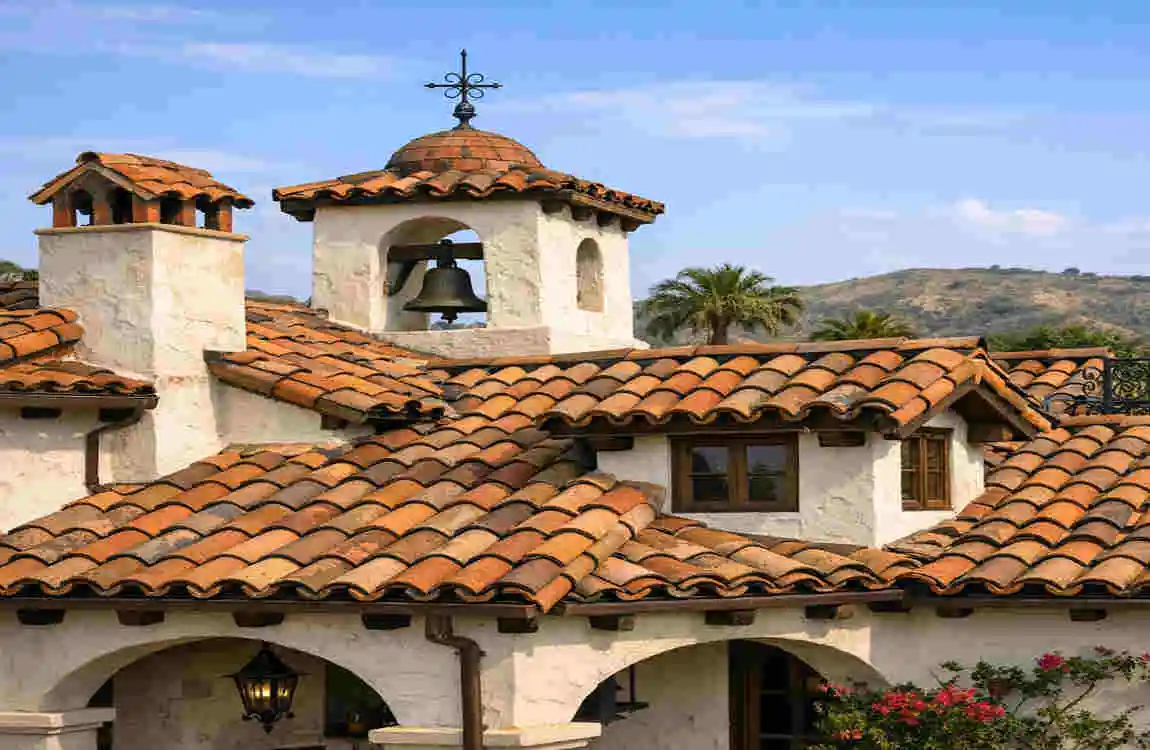
The most recognizable part of a Spanish-style roof is the curved tile shape. These tiles are often called barrel tiles or mission-style tiles.
They create a soft rolling pattern across the roof. That look is a big part of what gives the home its Spanish character.
Traditional tiles are usually terracotta, but modern versions may come in deeper reds, browns, and even muted tones.
Low-Pitched Roof Design
Spanish-style roofs often feature a low-pitched profile rather than a steep slope. This helps the home feel grounded and balanced.
The lower roof shape pairs well with stucco walls, arches, and rounded architectural details. Together, they create a smooth and unified look.
Warm, Natural Colors
Spanish-style roofs usually feature earthy shades such as red, brown, beige, and terracotta. These colors feel natural and timeless.
The roof color also changes the whole appearance of the house. A warm tile roof can make a home feel welcoming right away.
Exposed Eaves and Decorative Details
Some Spanish-style roofs include exposed beams, decorative brackets, or detailed roof edges. These small touches add character.
They are not always necessary, but they can make the roof feel more authentic and visually interesting.
Stucco and Tile Combination
One of the most common pairings is stucco walls with clay tile roofing. This combination works so well because the textures are different but complementary.
The smooth stucco and the textured roof tiles create a balanced exterior that feels warm and rich.
Benefits of Choosing a Spanish-Style Roof
Timeless Curb Appeal
A Spanish-style roof has a look that never really goes out of style. It gives a home personality, identity, and visual charm.
If you want a roof that stands out without looking trendy, this style is a strong choice.
Durability and Long-Term Performance
Good quality clay and concrete tiles can last a long time. They handle sun and outdoor weather well when installed correctly.
That said, the final performance depends on climate, installation quality, and roof structure.
Energy-Efficient Design
Tile roofs can help with heat control, especially in warm places. They can support airflow and work well with proper insulation and attic ventilation.
This can help your home stay more comfortable.
Low Maintenance Compared With Some Materials
Spanish-style roofs do still need care, but they often require less frequent replacement than some other roofing materials.
If a tile breaks, you may be able to replace just that section instead of the whole roof.
Strong Architectural Versatility
This roof style works on villas, ranch homes, courtyard homes, and Mediterranean-inspired houses. It can feel traditional or updated depending on the rest of the design.
Spanish-Style Roof Materials and Tile Options
Traditional Clay Tiles
Clay tiles are the most classic option. They offer the familiar terracotta look many people picture when they think of a Spanish roof.
They are loved for their warm color, long life, and authentic appearance.
Concrete Roof Tiles
Concrete tiles can look similar to clay but may be more budget-friendly. They also come in many colors and styles.
They are a practical choice for homeowners who want the Spanish look with more flexibility.
Modern Synthetic Tiles
Synthetic tiles are lighter and may work well on homes where weight is a concern. They can also offer a similar appearance to clay or concrete.
They are not the traditional choice, but they can be useful for some projects.
Spanish-Style Roof Design Ideas for Modern Homes
Classic Terracotta Tile Roof
This is the most traditional look. Red-orange terracotta tiles create a warm and timeless appearance.
They look especially good with cream or white stucco walls.
White Stucco With Darker Roof Tiles
If you want a more modern contrast, try white stucco with darker tiles. This gives the home a cleaner and sharper look.
It works well with simple landscaping and bold but restrained exterior accents.
Spanish Colonial-Inspired Roof
A Spanish Colonial style often includes arched openings, wooden doors, courtyards, and decorative tile details.
The roof becomes part of a larger story, not just a top layer.
Modern Spanish-Style Home
A modern version uses clean lines, simple walls, and traditional tile roofing. This approach keeps the Spanish feel while making the house look current.
Spanish-Style Roof With Wood Accents
Wooden doors, shutters, beams, or roofline details can soften the exterior and make it feel warmer.
Natural wood is a nice partner for tile and stucco.
Courtyard Home With Tile Roofing
Spanish roofs look beautiful on homes with courtyards, fountains, plants, and outdoor sitting areas. The roof helps connect the indoor and outdoor spaces.
Mixed Roof Heights
Different roof levels can add depth and make the home look more dynamic. Just keep the shape balanced so it does not feel too busy.
How to Choose the Right Spanish-Style Roof for Your Home
Consider Your Climate
Your local weather matters a lot. Hot sun, heavy rain, wind, and freeze-thaw conditions can all affect roof performance.
Choose materials that fit your environment, not just the look you want.
Check Roof Structure and Weight Capacity
Tile roofs can be heavier than asphalt shingles. That means the home’s structure must be able to support the load.
A roof inspection or structural review is a smart first step.
Match the Roof With the Exterior
The roof should work with the rest of the house. Pay attention to stucco color, windows, doors, stone, and landscaping.
A well-matched exterior always feels more polished.
Think About Long-Term Maintenance
A Spanish-style roof should be looked at regularly. Keep an eye on tiles, flashing, gutters, underlayment, and valleys.
Set a Realistic Budget
Roof cost depends on material, roof size, labor, and structural needs. The design also matters, since more complex roofs usually cost more.
Maintenance and Common Problems With Spanish-Style Roofs
Regular Roof Inspections
Check the roof often for cracked tiles, loose flashing, or blocked drainage areas. Small issues are easier to fix early.
Replacing Broken or Cracked Tiles
If a tile breaks, it should be repaired quickly. Damaged tiles can lead to bigger water problems later.
Checking Underlayment
The visible tile is only one part of the roof system. The layer underneath matters just as much for waterproofing.
Cleaning and Removing Debris
Leaves, branches, and dirt can block drainage and hold moisture. Keep the roof and gutters clear.
Preventing Water Damage
Pay special attention to flashing, valleys, and roof penetrations. These areas are more likely to need maintenance.
Common Mistakes to Avoid With Spanish-Style Roofing
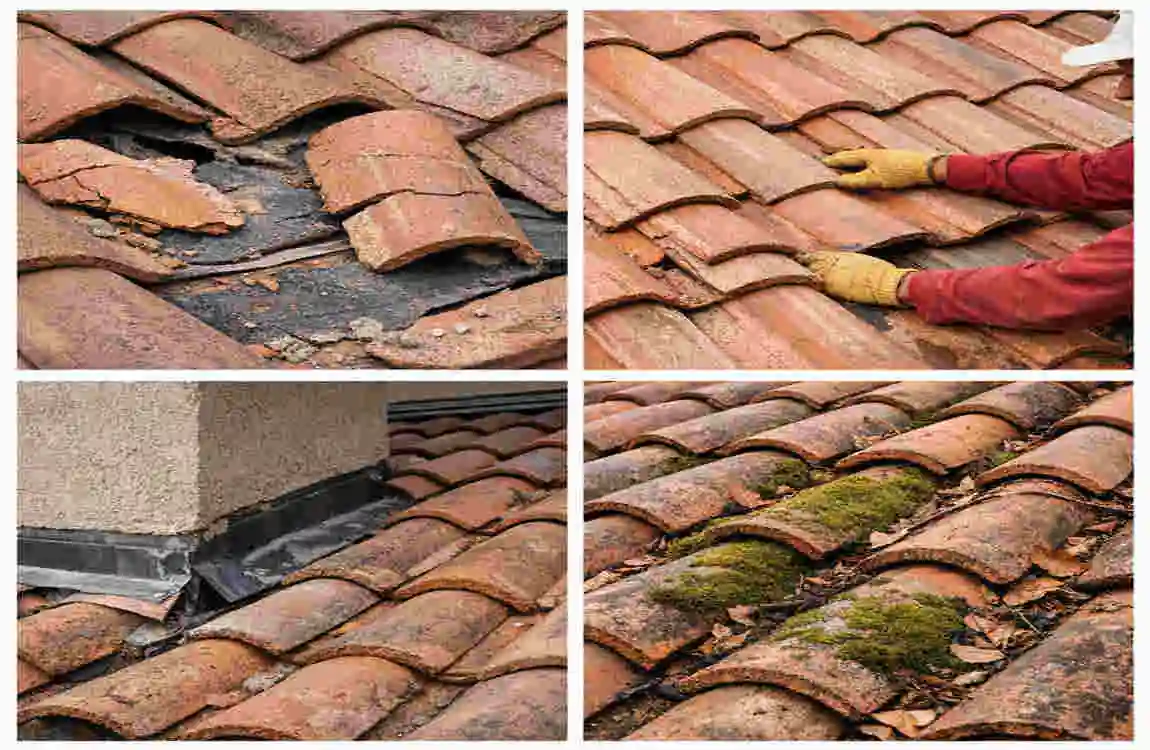
A few common mistakes can hurt the result:
- choosing tiles based only on appearance
- ignoring roof weight limits
- using the wrong material for the climate
- skipping underlayment or flashing quality
- mixing too many colors and textures
- trying a complex installation without proper experience
- forgetting regular inspections on older roofs
Frequently Asked Questions
What is a Spanish-style roof?
It is a roof with curved tiles, warm colors, low-pitched sections, and a Mediterranean-inspired look.
What type of tile is used on Spanish-style roofs?
Traditional roofs use clay barrel or mission-style tiles, though concrete and synthetic tiles are also used.
Are Spanish-style roofs durable?
Yes, they can be very durable if they are properly installed and maintained.
Are Spanish-style roofs good for hot climates?
Yes. They often perform well in warm climates when paired with proper ventilation and insulation.
How long does a Spanish-style roof last?
Lifespan depends on the material, installation, climate, and maintenance.
Are Spanish-style roofs expensive?
Costs vary, but tile roofs are often more expensive than standard shingle roofs due to the materials and labor required.
| Feature | Benefits | Design Ideas |
|---|---|---|
| Red Clay Tiles | Adds warmth and Mediterranean charm | Use curved or flat terracotta tiles |
| Low-Pitched Roof | Creates a relaxed, traditional appearance | Pair with stucco exterior walls |
| Wide Eaves | Provides shade and helps protect walls | Add exposed wooden beams |
| Stucco Exterior | Complements the Spanish architectural style | Choose cream, beige, or warm white |
| Arched Details | Gives the home a distinctive Spanish look | Add arches around windows, doors, and porches |
| Wood Accents | Adds natural texture and character | Use dark wood beams and entry doors |
| Courtyard Design | Creates a private outdoor living area | Add a fountain, plants, and tiled flooring |
| Modern Spanish Style | Blends traditional charm with contemporary comfort | Combine terracotta roofing with clean lines and large windows |
Related Posts