Storms can damage a roof quickly, even when the problem is not obvious from the ground. Strong winds, hail, heavy rain, and falling branches can loosen shingles, cause leaks, and weaken key parts of your roof. Early inspection and prompt repairs help protect your home and prevent small issues from becoming expensive repairs.
Why Storm Damage Roofing Matters
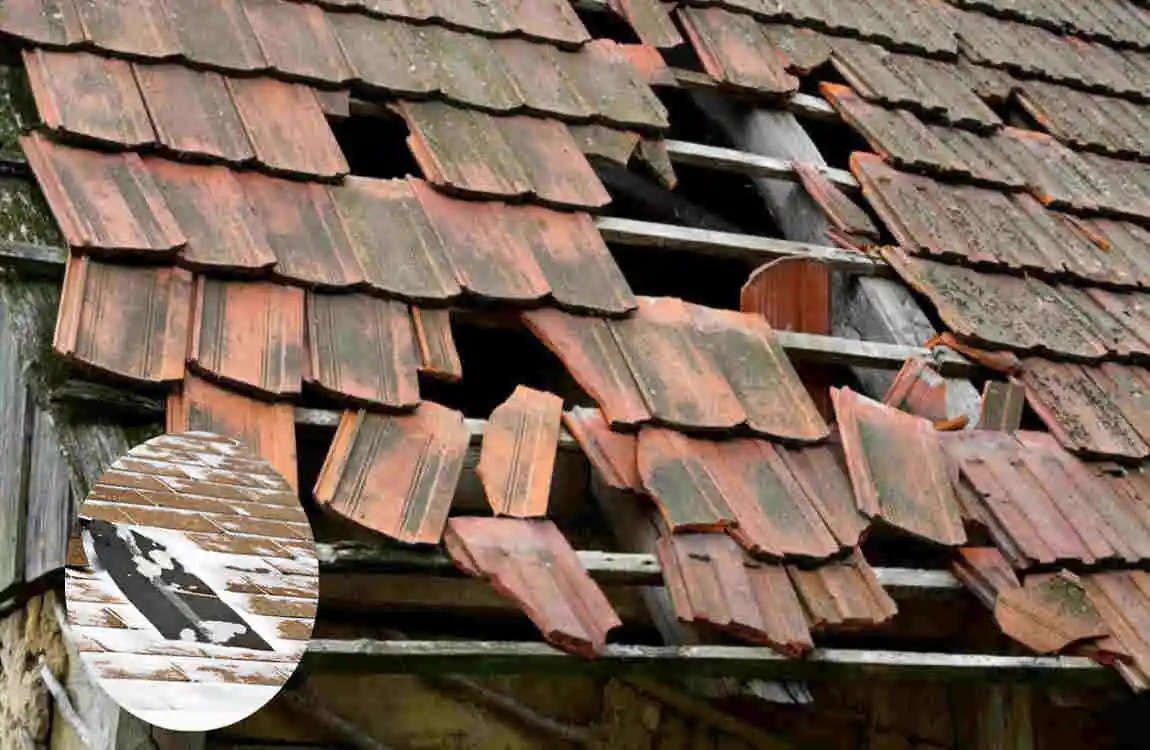
Your roof is your home’s first layer of protection. When a storm hits Farmington, wind can lift shingles, hail can bruise roofing materials, and rain can seep through weak spots. Over time, that moisture can damage insulation, ceilings, walls, and even the roof structure.
Storm damage roofing in Farmington focuses on finding damage early, repairing it correctly, and protecting the home from further water intrusion. You don’t need to climb on the roof after a storm; a safe ground-level check and a professional inspection are usually enough to spot issues.
Common Signs of Storm Damage on Your Roof
After severe weather, walk around your home and look at the roof from the ground. Use binoculars if needed, but avoid climbing onto wet or damaged shingles.
Shingle Damage
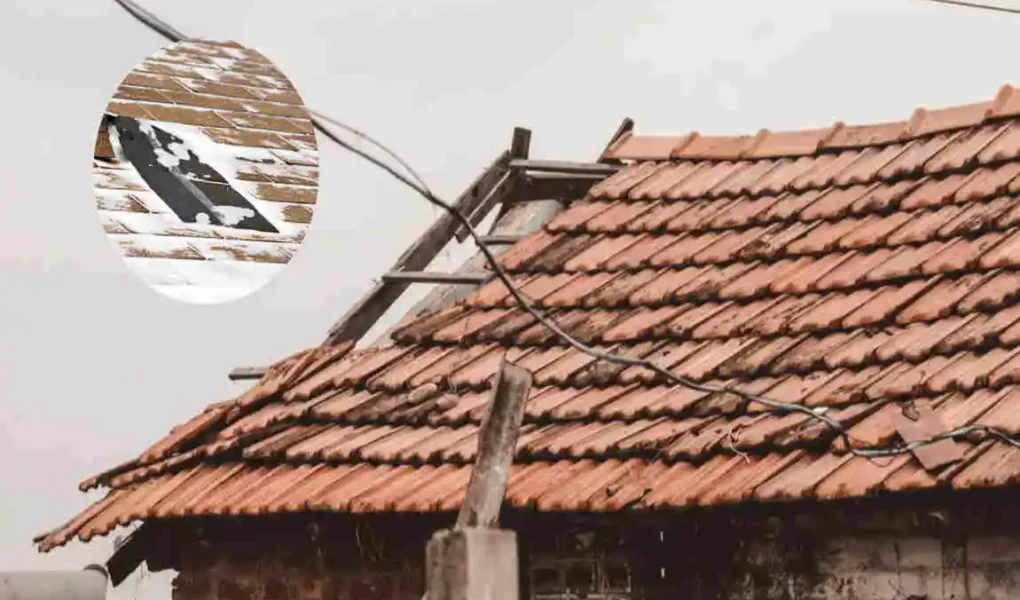
Missing, cracked, curled, or lifted shingles are common warning signs. Wind can loosen shingles or blow them off completely, leaving the roof deck exposed to rain and sunlight.
Asphalt shingles may also show granule loss. Granules protect shingles from UV rays and weather, so bare spots or granules collecting in gutters can signal storm damage.
Hail Damage
Hail can leave dents, dark spots, or soft “bruises” on shingles. Damage often appears on one side of the roof, depending on wind direction. You may also notice dents on gutters, vents, flashing, or outdoor equipment.
Leaks and Interior Water Damage
Check ceilings, walls, and the attic for water stains, damp insulation, peeling paint, or dripping water. A leak may appear far from the actual roof problem because water can travel before it becomes visible indoors.
Damage to Flashing, Gutters, and Vents
Flashing seals vulnerable areas around chimneys, vents, skylights, and roof edges. If flashing is bent, torn, or lifted, water can enter the roof system. Dented gutters, damaged vents, and debris on the roof also show the storm was strong enough to damage your roof.
Warning Signs That Need Fast Attention
Contact a roofing professional quickly if you notice:
- Missing shingles or exposed roof decking
- Active leaks or sagging ceilings
- Fallen tree branches on the roof
- Large areas of granule loss
- Damaged flashing around chimneys or vents
- Dents on gutters, vents, or siding after hail
Some damage is hidden from the ground, so a professional roof inspection is the safest way to confirm your roof’s condition.
Storm Damage Roofing Repair Options
The right repair depends on the type of damage, the roof’s age, and how much of the roofing system was affected.
Professional Roof Inspection
A roofer will inspect shingles, flashing, gutters, vents, attic spaces, and the roof deck. They will document damage with photos and explain whether the roof needs a small repair, a section replacement, or a full replacement.
Shingle and Material Repairs
If only a few shingles are damaged, a contractor may replace them individually. This is common after wind lifts shingles or hail causes limited impact damage. Matching the shingle colour and installing materials correctly helps maintain the roof’s appearance and protection.
Hail, Wind, and Leak Repairs
Hail damage may require replacing bruised shingles, while wind damage may need re-sealing or replacing loose materials. Leak repairs often involve fixing flashing, replacing underlayment, or repairing the area around vents and chimneys.
Patch Repair vs Full Replacement
A patch may be enough when damage is small, and the rest of the roof is in good condition. A full replacement is often better when damage is widespread, the roof is old, leaks keep returning, or the roof deck has structural problems.
Repair TypeBest ForTypical Scope
Minor shingle repair A few lifted, cracked, or missing shingles Replace selected shingles and seal affected areas.
Flashing repair Leaks near chimneys, vents, or roof edges Reset, seal, or replace flashing.
Sectional repair Damage limited to one roof area Replace a section of shingles and underlayment.
Full roof replacement Widespread damage or an ageing roof Remove old roofing and install a new roofing system.
Why You Should Avoid Climbing on the Roof
Storm-damaged roofs can be slippery, unstable, and dangerous. Stay off the roof and let a trained contractor inspect it safely.
Understanding Storm Damage Roofing Costs in Farmington
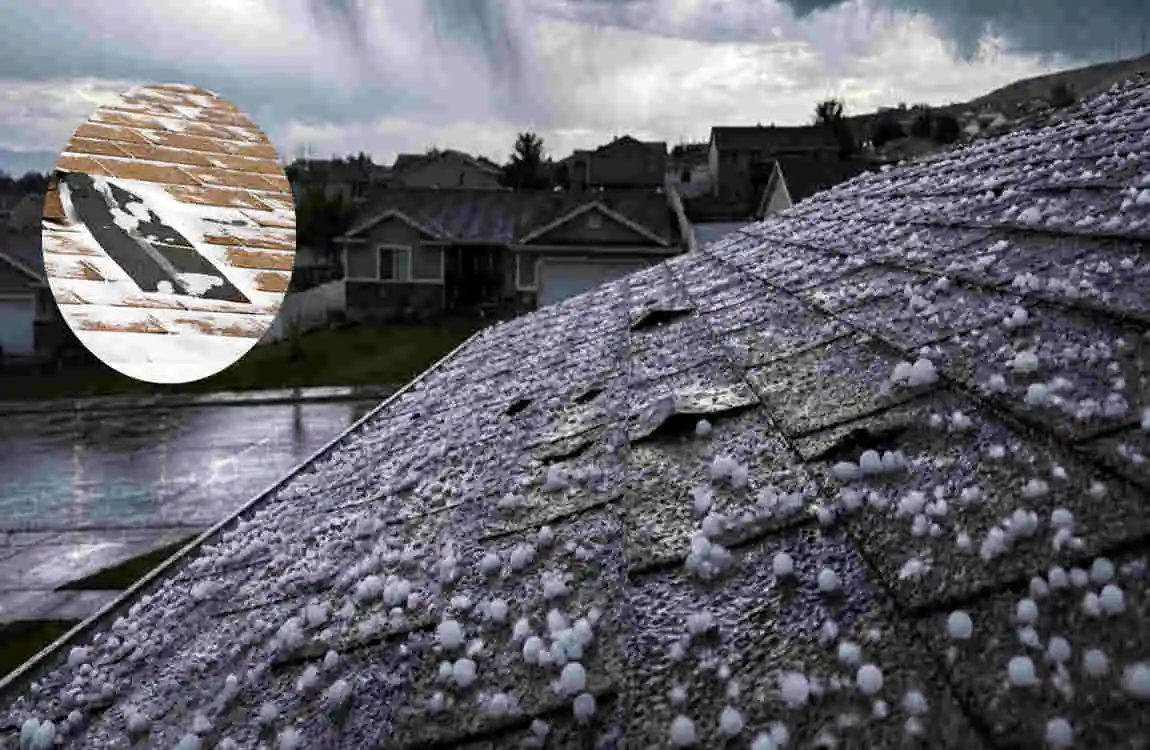
Roof repair costs vary because every home and storm is different. The final price depends on the damage severity, roof size, roofing material, labour, accessibility, and whether emergency service is needed.
Main Cost Factors
The biggest cost factors include:
- Extent of damage: A few shingles cost much less than widespread hail or wind damage.
- Roof size and pitch: Larger or steeper roofs usually require more labour and safety equipment.
- Material type: Asphalt shingles, metal, tile, and slate have different repair costs.
- Accessibility: Difficult roof access, multiple stories, or obstacles can increase labour time.
- Emergency repairs: Immediate tarping or after-hours service may cost more.
- Structural damage: Damage to decking or framing requires more extensive work.
Repair vs Replacement Costs
Minor repairs are usually the least expensive option, while flashing repairs and sectional repairs fall in the middle. Full roof replacement costs more because it includes tear-off, disposal, underlayment, new roofing materials, and installation.
The exact cost cannot be known without an on-site inspection. Getting multiple written estimates helps you compare pricing, materials, warranties, and the scope of work.
Prompt repairs can reduce long-term expenses. Fixing a small leak early is usually far cheaper than repairing water-damaged ceilings, insulation, and interior walls later.
Insurance Claims and Emergency Protection
If a storm damages your roof, act quickly but carefully. Document everything before you clean up or start repairs.
Steps to Take After a Storm
- Check the roof, gutters, siding, and yard from the ground.
- Take clear photos and videos of visible damage.
- Photograph interior water stains or damaged belongings.
- Contact your insurance company to report the claim.
- Schedule a professional roof inspection.
- Keep receipts for emergency repairs and temporary protection.
Insurance companies often cover hail and wind damage, but coverage depends on your policy, deductible, and exclusions.
Temporary Roof Protection
If water is entering your home, professional emergency tarping can prevent additional damage. A proper tarp should cover the damaged area, direct water away from the opening, and be secured without causing more roof damage.
Keep before-and-after photos, along with contractor notes and invoices. This documentation can support your insurance claim.
Choosing a Roofing Contractor
Choose a local contractor with proper licensing, insurance, and storm-repair experience. Ask for a written estimate, a clear contract, warranty details, and a completion timeline.
Be cautious of contractors who:
- Pressure you to sign immediately
- Ask for full payment upfront
- Offer to cover your insurance deductible
- Cannot provide proof of insurance or licensing
- Refuse to put the scope of work in writing
A trustworthy roofer will explain the damage, provide documentation, and communicate clearly throughout the repair process.
Preventing Future Roof Damage
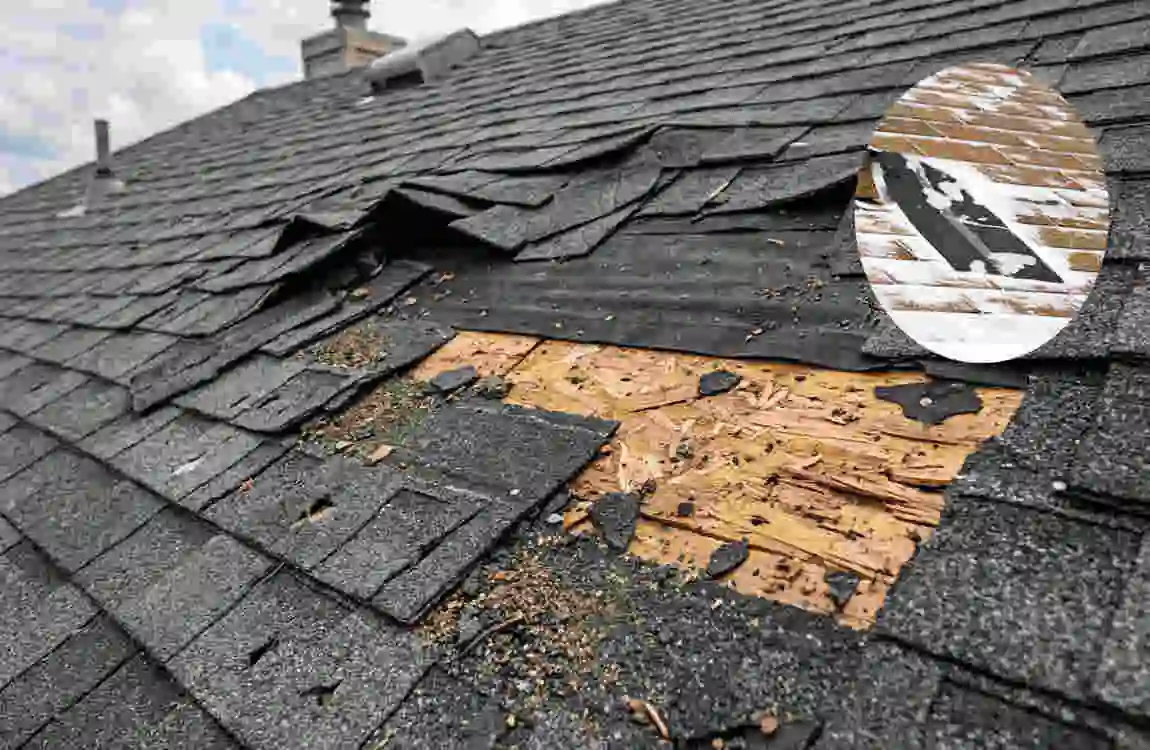
You cannot stop every storm, but regular maintenance can make your roof more resilient.
Simple Prevention Tips
- Schedule roof inspections after major storms and at least once a year.
- Clean gutters so water drains properly.
- Trim branches that hang over the roof.
- Repair loose flashing, cracked shingles, and small leaks quickly.
- Ensure attic ventilation is working properly.
- Keep inspection reports, repair receipts, and warranty documents organised.
Durable roofing materials and wind-resistant installation methods can also help your roof withstand severe weather.
Frequently Asked Questions
What are the most common signs of storm damage on a roof?
Missing, cracked, curled, or lifted shingles are common signs. Hail damage may appear as dents, granule loss, or dark bruises on shingles.
How much does storm damage roofing in Farmington cost?
Costs depend on damage severity, roof size, materials, labour, and whether emergency service is required. A professional inspection and written estimates provide the most accurate pricing.
Should I repair or replace my roof after a severe storm?
Repair is often enough for limited damage. Replacement may be necessary when damage is widespread, the roof is ageing, or leaks continue after repairs.
Does homeowners insurance cover storm-damaged roofing?
Many homeowners insurance policies cover wind and hail damage, but coverage varies by policy, deductible, and exclusions.
How soon should I inspect my roof after a storm?
Inspect from the ground as soon as it is safe. Schedule a professional inspection promptly, especially if you see missing shingles, leaks, or debris on the roof.
Can hail damage a roof without causing leaks?
Yes. Hail can bruise shingles or remove granules without causing an immediate leak. Still, the damage can shorten the roof’s life and lead to problems later.
How do I choose a reliable storm damage roofing contractor?
Look for local experience, licensing, insurance, written estimates, warranties, and clear communication. Avoid contractors who use high-pressure sales tactics.
Can I temporarily protect my roof before permanent repairs?
Yes. Professional tarping can protect the home from further water damage until permanent repairs are completed.
| Topic | Key Information |
|---|---|
| Common Signs of Damage | Missing shingles, roof leaks, dents, cracked tiles, and loose flashing. |
| Causes of Roof Damage | Strong winds, hailstorms, heavy rain, and falling tree branches. |
| Roof Inspection | Check visible damage and hire a professional roofer for a thorough inspection. |
| Minor Roof Repairs | Replace missing shingles, seal small leaks, and repair damaged flashing. |
| Major Roof Repairs | Replace large damaged sections, repair roof decking, or install new roofing materials. |
| Average Repair Costs | Minor repairs may cost $150–$600, while major repairs can cost $1,000–$5,000 or more, depending on damage and location. |
| Insurance Coverage | Homeowners insurance may cover sudden storm damage, depending on the policy, exclusions, and deductible. |
| Emergency Protection | Use a professional temporary roof covering to prevent further water damage. |
| Prevention Tips | Inspect the roof regularly, clean gutters, trim nearby trees, and maintain loose roofing materials. |
| Choosing a Roofer | Select a licensed and insured roofing contractor with storm damage repair experience in Farmington. |
Related Posts