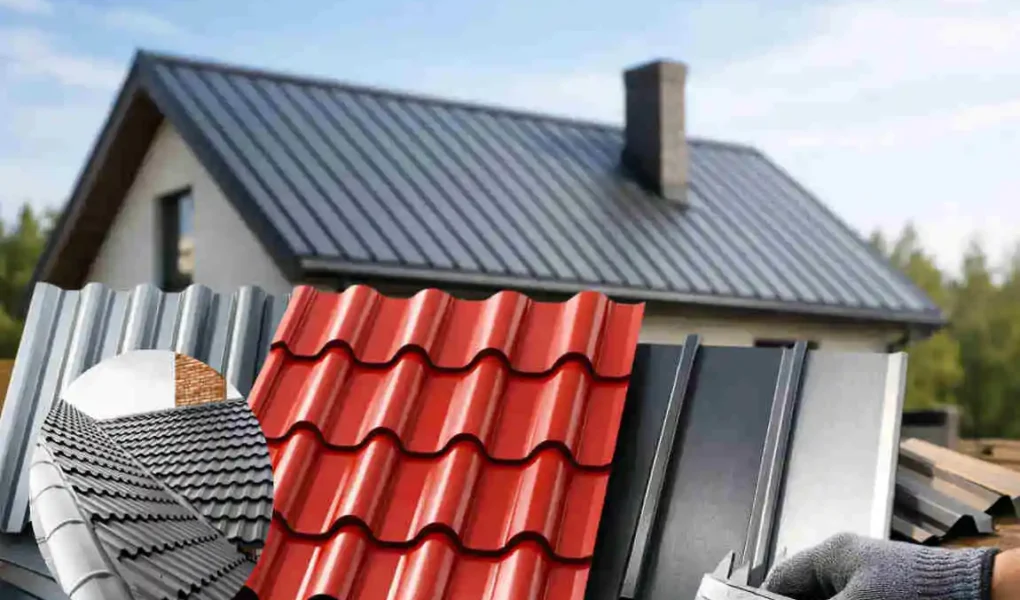
Tin roofing sheets remain a practical option for homeowners who want a lightweight, durable, and modern-looking roof. Today’s products are often made from coated steel or other metals rather than traditional pure tin, offering better protection against weather and corrosion.
For a modern home, the right roofing sheet depends on several factors. Climate, roof slope, sheet thickness, protective coating, profile, insulation, and installation quality all affect performance.
What Are Tin Roofing Sheets?
Understanding Tin Roofing Sheets
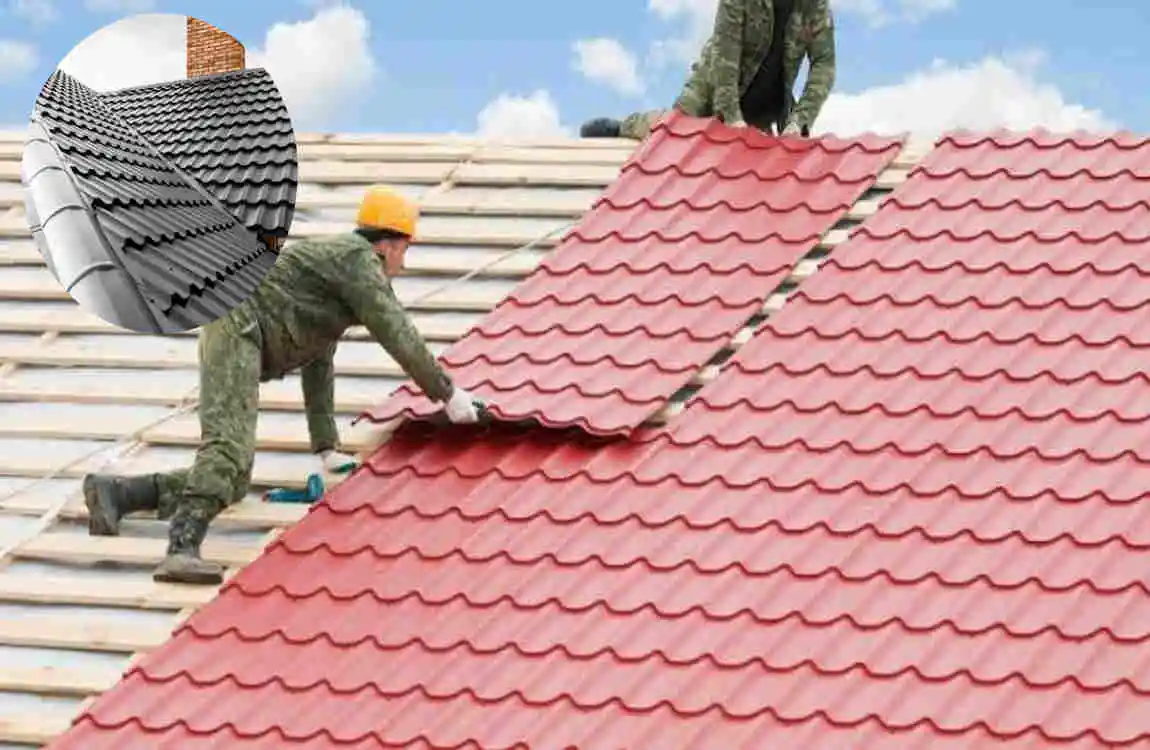
The term tin roofing sheets is commonly used for metal sheets installed as roof coverings. Modern products are generally manufactured from materials such as galvanised or coated steel rather than pure tin.
These sheets come in different profiles to provide strength, drainage, and visual character. Protective coatings help the metal withstand moisture, sunlight, and changing weather conditions.
Why They Are Popular for Modern Homes
Metal sheets are relatively lightweight compared with many traditional roofing materials. This can make transportation and installation easier when the roof structure is properly designed for the selected product.
They are also available in different profiles, colours, textures, and finishes.
This lets you match the roof to minimalist, contemporary, industrial, farmhouse, or other architectural styles.
Best Types of Tin Roofing Sheets for Modern House Roofs
Corrugated Tin Roofing Sheets
Corrugated sheets have a repeating wave pattern that gives them strength and helps water move toward the roof drainage system.
They offer a classic appearance and can work well on simple residential roofs.
For a modern look, choose a clean finish and coordinate the sheet colour with the home’s walls, windows, and exterior trim.
Standing Seam Metal Sheets
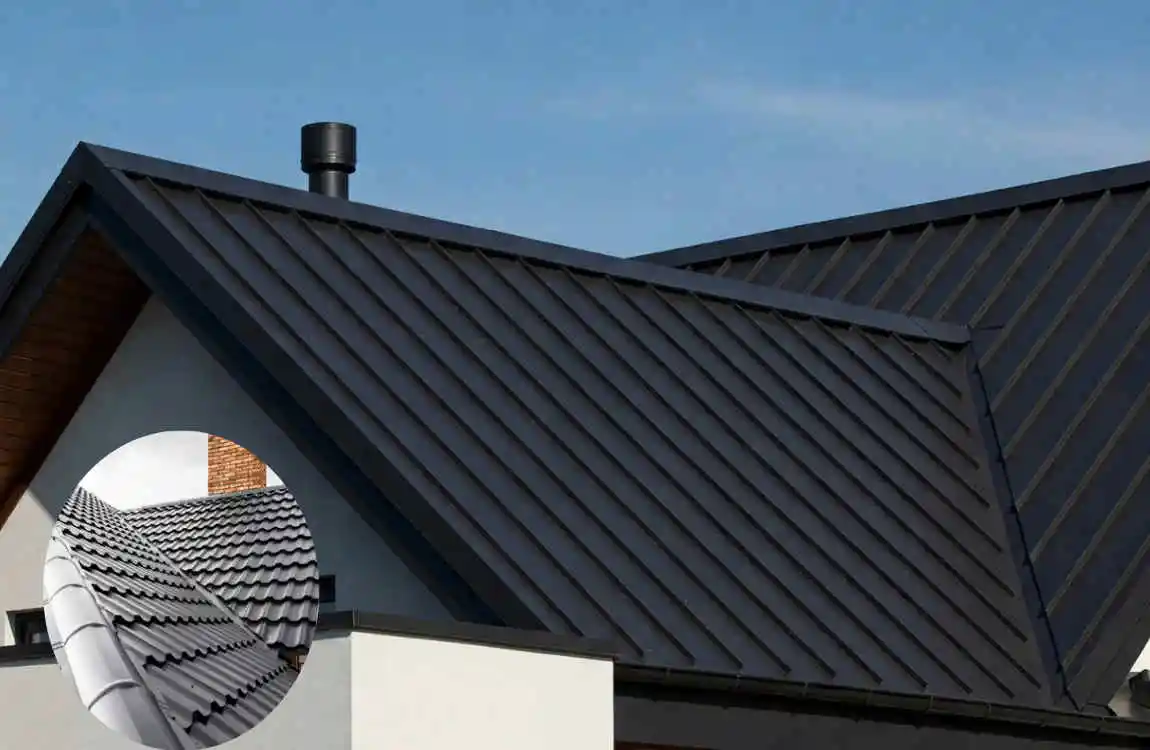
Standing seam systems provide a clean, streamlined appearance.
The raised seams run vertically along the roof, creating a minimalist visual effect that works particularly well with contemporary architecture.
These systems can also conceal many fastening elements, giving the roof a more refined appearance.
Ribbed and Box Profile Sheets
Ribbed and box-profile sheets have stronger geometric lines than traditional corrugated products.
When designed and installed correctly, they can provide a bold, modern appearance while supporting effective water drainage.
These profiles are often suitable for homeowners who want the roof to become a visible architectural feature.
Coated and Galvanised Sheets
Galvanised sheets receive a protective zinc coating that helps reduce corrosion.
Painted or factory-coated products add another layer of protection and provide greater control over the roof’s appearance.
When choosing a product, consider both coating quality and the environment where the roof will be installed.
How to Choose the Right Tin Roofing Sheets
Sheet Thickness and Strength
Thickness affects the sheet’s strength, weight, handling, and resistance to certain types of damage.
Base the correct specification on the roof structure, sheet span, fastener system, wind conditions, and the manufacturer’s recommendations.
Avoid choosing a sheet simply because it is thicker. The complete roofing system matters.
Roof Profile and Design
Your roof shape should influence the profile you choose.
Corrugated sheets can provide a familiar appearance, while standing seam systems create a sleek contemporary effect. Ribbed profiles can provide a more structured visual style.
Think about how the roof will look alongside walls, windows, doors, balconies, and landscaping.
Protective Coating
A quality protective coating is particularly important in areas exposed to moisture and intense sunlight.
Inspect the coating specification before purchasing. Also consider whether the finish suits the expected environmental conditions.
Climate and Weather Conditions
Always include climate in the selection process.
Heavy rainfall requires effective drainage. Hot climates make insulation and ventilation important. Strong winds require appropriate fastening and structural design.
Areas with high humidity or salty air may require products with enhanced corrosion protection.
Colour and Modern Exterior Design
Roof colour can dramatically change a home’s appearance.
Light-coloured roofing can create a bright appearance, while charcoal, black, brown, and deep grey can create a dramatic, contemporary look.
Choose a colour that complements the exterior walls, window frames, doors, and other architectural materials.
Benefits and Drawbacks of Tin Roofing Sheets
Major Benefits
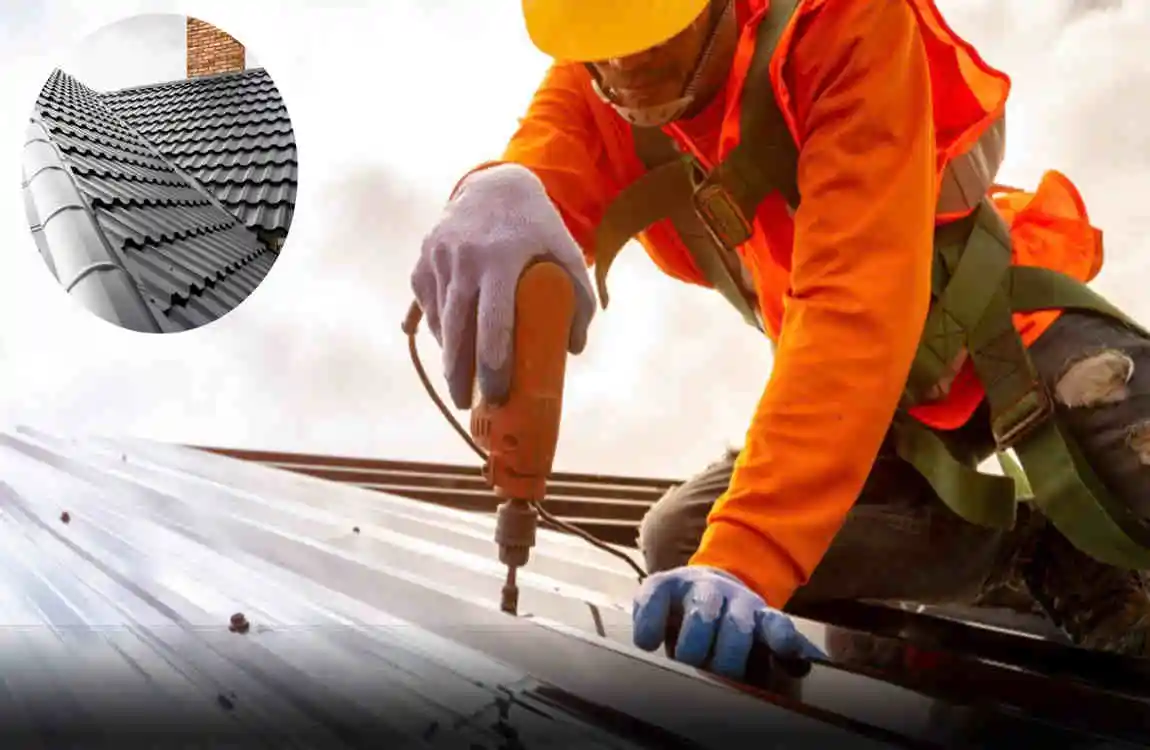
One of the biggest advantages of tin roofing sheets is their combination of strength and relatively low weight.
They can also be installed quickly once the roof is properly prepared.
Key benefits include:
- Durability when the appropriate product is selected and installed correctly
- Lightweight construction compared with many tile systems
- Low maintenance requirements
- Quick installation
- Cost-effective options across different quality levels
- Modern appearance with many profiles and finishes
Metal roofing can also be easier to inspect because routine maintenance can often identify damage, loose fasteners, or coating problems.
Potential Drawbacks
Metal roofing is not completely maintenance-free.
Rain can create noticeable sound, particularly when there is little insulation or ceiling protection beneath the roof.
Metal can also transfer heat quickly. In hot climates, proper insulation, ventilation, and suitable roof finishes become important.
Another consideration is thermal movement. Metal expands and contracts as temperatures change, so the roofing system needs appropriate installation details.
Finally, scratches or exposed areas can become vulnerable to corrosion if they aren’t handled and repaired properly.
Tin Roofing Sheets vs Other Roofing Materials
Choosing roofing is easier when you compare the main characteristics of different materials.
Tin vs Asphalt Shingles
Asphalt shingles are widely used in residential construction and offer many style options.
Metal sheets generally provide a more distinctly modern appearance and can be lighter than some alternative roofing systems.
The final choice depends on climate, roof design, expected maintenance, installation requirements, and budget.
Tin vs Clay or Concrete Tiles
Clay and concrete tiles can provide a strong architectural character, but they are considerably heavier than most metal sheet systems.
A tile roof may therefore require a structure designed to carry its greater weight.
Metal sheets offer a lighter alternative while still providing a variety of visual styles.
Tin vs Traditional Metal Roofing
Modern metal roofing is available in many materials, coatings, and profiles.
So, the phrase “tin roof” doesn’t always describe the actual metal used.
When purchasing, check the base metal, coating, thickness, profile, and manufacturer’s specifications rather than relying only on the word tin.
Installation, Maintenance, and Cost Considerations
Basic Installation Requirements
Good installation is as important as choosing the right roofing sheet.
Measure the roof accurately before ordering materials. Installers need to use appropriate fasteners, flashing, overlaps, and edge details.
The roof slope and drainage must also suit the selected profile.
Poor installation can lead to leaks, loose sheets, damaged coatings, or premature deterioration.
Maintenance Tips
Metal roofs benefit from simple but regular inspection.
Check the roof periodically for scratches, corrosion, loose fasteners, damaged flashing, and other visible problems.
Keep gutters and drainage paths clear so rainwater can leave the roof efficiently.
If the protective coating becomes damaged, address the affected area according to the manufacturer’s recommendations.
Cost Factors
There is no single price for tin roofing sheets because roofing costs vary considerably.
Important factors include:
Cost Factor Effect on Overall Cost
Sheet thickness Affects material price and performance
Roof profile Different profiles have different costs
Coating Premium finishes can increase price
Roof size Larger roofs require more material
Roof complexity More cuts and details increase labour
Installation Skilled labour affects total cost
Insulation Adds comfort and energy-related benefits
Flashing and accessories Necessary for proper finishing
When preparing a budget, look beyond the price of the sheets themselves. Fasteners, flashing, insulation, underlayment, gutters, labour, and finishing materials can all add up to the final project cost.
Are Tin Roofing Sheets a Good Choice for Modern Homes?
When They Make Sense
Tin roofing sheets can be a practical choice for homes that need a lightweight, durable, and visually flexible roofing system.
They can work especially well with modern, minimalist, industrial, and contemporary house designs.
They are also worth considering when low routine maintenance and relatively straightforward installation are important priorities.
Frequently Asked Questions
Are tin roofing sheets good for houses?
Yes, modern metal roofing sheets can suit residential roofs when you select the right product, thickness, coating, and installation system.
How long do tin roofing sheets last?
Their service life varies according to the base material, coating, installation quality, climate, maintenance, and exposure conditions. Higher-quality products with suitable protection can generally provide long-term performance.
Are tin roofing sheets suitable for hot climates?
They can be suitable for hot climates, but insulation and ventilation are important. Appropriate roof colours and reflective finishes may also help manage heat gain.
Do tin roofing sheets rust?
Metal roofing can corrode if its protective coating is damaged or unsuitable for the environment. Galvanised and coated products are designed to provide better corrosion resistance.
Are tin roofing sheets noisy in rain?
They can be noisier than some roofing materials, particularly when installed without adequate insulation or ceiling protection. Insulation and suitable under-roof construction can reduce rain noise.
What thickness of tin roofing sheet is best for a house?
There is no universal thickness that works for every house. The appropriate specification depends on structural design, roof span, wind exposure, profile, fastener spacing, and manufacturer requirements.
How much do tin roofing sheets cost?
The total cost depends on sheet specifications, coating, roof size, design complexity, labour, insulation, flashing, fasteners, and other roofing components.
| Roofing Sheet Type | Key Feature | Best For | Durability |
|---|---|---|---|
| Galvanized Tin Sheets | Zinc-coated steel | Budget-friendly homes | High |
| Galvalume Sheets | Aluminum-zinc coating | Modern residential roofs | Very High |
| Color-Coated Tin Sheets | Stylish finishes and colors | Contemporary homes | High |
| Corrugated Tin Sheets | Strong ridged design | Sloped roofs | High |
| Standing Seam Metal Sheets | Clean, modern appearance | Premium modern homes | Very High |
| Stone-Coated Metal Sheets | Textured, decorative surface | Stylish house exteriors | Very High |
| Insulated Metal Sheets | Better heat and sound control | Hot climates | High |
Related Posts