A wooden roof ceiling design can completely change how a room feels. It adds warmth, texture, and a natural look that makes a home feel more inviting. Instead of a flat, plain ceiling, wood brings character and visual depth.
Many homeowners choose wood because it works with a variety of interior styles. It can suit modern, traditional, rustic, or contemporary homes without feeling out of place. That makes it a flexible choice for people who want style and comfort at the same time.
Best Wooden Roof Ceiling Design Ideas for Homes
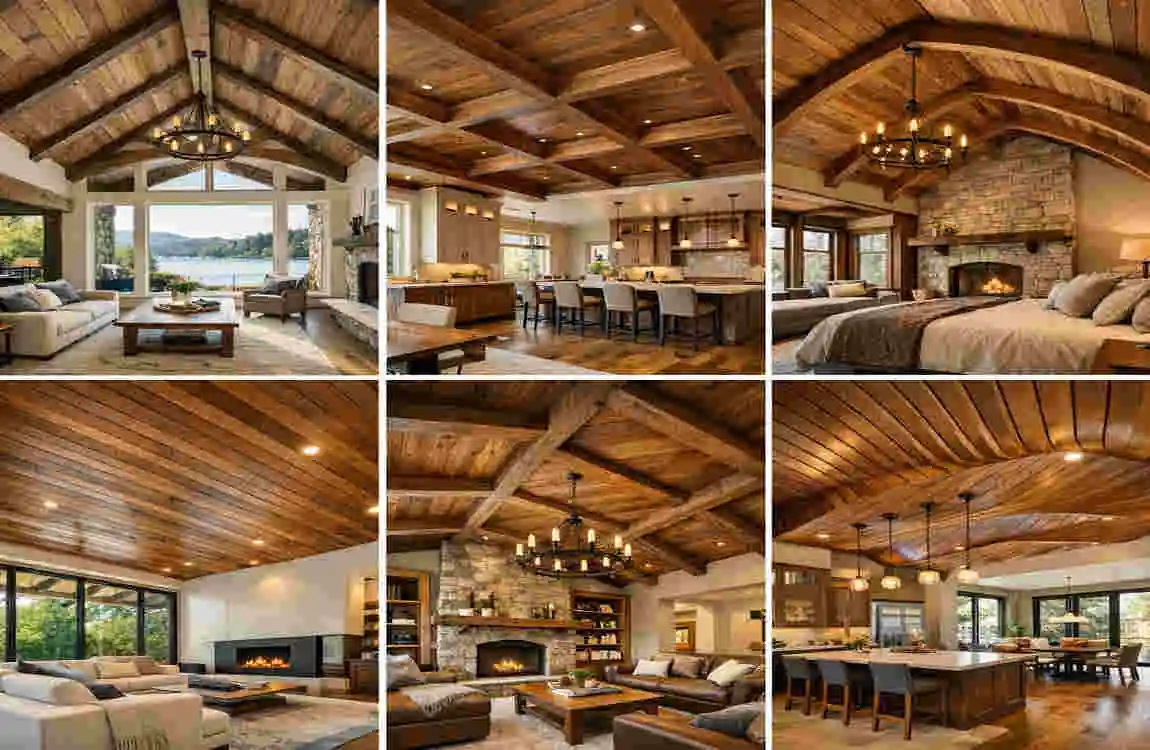
Modern Wooden Slat Ceiling
A wooden slat ceiling gives a home a clean and fresh look. It uses narrow wooden strips arranged in a neat pattern, which makes the ceiling feel sleek and contemporary.
You can place the slats horizontally or vertically depending on the effect you want. Horizontal slats often make a room feel wider, while vertical arrangements can add height and rhythm.
This style also works very well with recessed lighting. The lights can sit between or around the slats, creating a soft and balanced finish.
Rustic Exposed Beam Ceiling
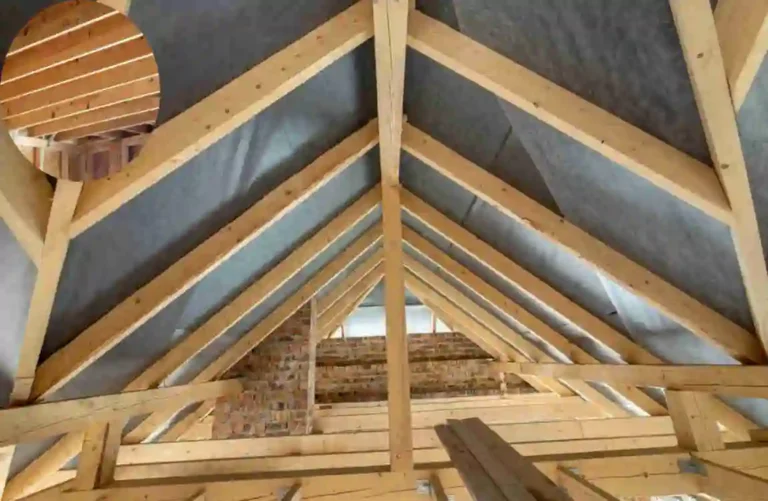
Exposed beams are one of the most classic wooden ceiling designs. They show off the wood’s natural grain and create a cozy, rustic feeling.
This design works especially well in cabins, farmhouse-style homes, and spaces that want a natural, lived-in look. You can use natural wood or reclaimed wood for an even stronger rustic effect.
The beauty of exposed beams is that they feel honest and simple. They do not try to hide the structure. Instead, they make it part of the design.
Coffered Wooden Ceiling
A coffered ceiling has a grid-like pattern made of recessed sections. When this design uses wood, it looks rich and elegant.
This style adds depth and architectural interest to a room. It can make a living room, dining room, or bedroom feel more polished and finished.
Coffered ceilings are a strong choice if you want a ceiling that feels more decorative without being too flashy.
Vaulted Wooden Ceiling
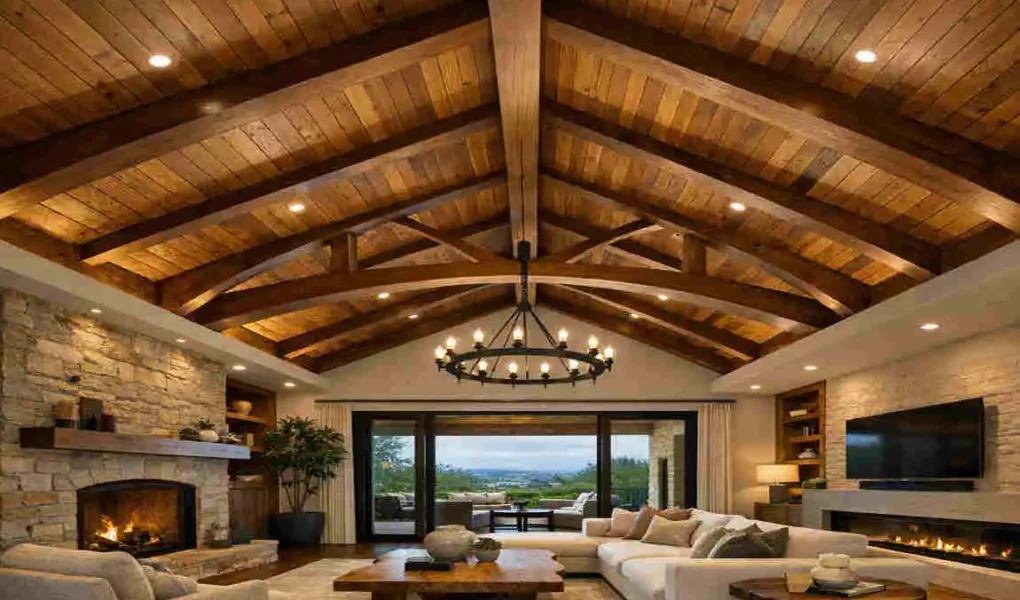
Vaulted ceilings rise higher than standard ceilings, creating a more open feeling. When wood is added to this type of ceiling, the room feels both spacious and warm.
This design works well in large living rooms, open-plan spaces, and homes with dramatic rooflines. Wood helps soften the height so the room does not feel cold or empty.
Lighting also matters here. Pendant lights, hanging fixtures, or indirect lighting can help highlight the ceiling’s shape.
Tray Wooden Ceiling
A tray ceiling has a raised center section with lower edges around it. When wood is used in this design, it creates a layered look that draws attention upward.
This is a good way to turn the ceiling into a focal point. You can combine wood with painted sections for contrast, which makes the layered design stand out even more.
Tray ceilings work well in bedrooms, dining rooms, and formal spaces where you want a little more detail.
Wood Panel Ceiling
Wood panels give a ceiling a smooth and complete look. They can be made from solid wood, engineered wood, or wood-look panels.
This style is highly flexible because you can choose from different finishes, colours, and patterns. Some panels look clean and modern, while others feel richer and more traditional.
Panel ceilings work especially well when you want a warm surface that still feels organized and simple.
Minimalist Wooden Ceiling
A minimalist wooden ceiling features simple lines, soft tones, and minimal decoration. The goal is to let the wood speak for itself.
This style is ideal for modern homes because it feels calm and uncluttered. It also works well in smaller spaces where too many details might feel heavy.
If you prefer a clean and quiet look, this is one of the easiest wooden ceiling styles to live with.
How to Choose the Right Wooden Ceiling Design
Consider Your Home’s Interior Style
The ceiling should match the rest of the room. Look at your furniture, flooring, wall colour, and doors before making a final choice.
Try not to mix too many wood tones unless you have a clear plan. Too many different shades can make the room feel busy. A coordinated look usually feels more elegant and balanced.
Choose the Right Wood Type
Different wood types create different effects. Pine is often lighter and more affordable. Oak feels strong and classic. Cedar brings a warm natural tone and a pleasant scent. Engineered wood can be a practical choice for many homes because it is stable and often easier to manage.
Your choice should depend on durability, appearance, climate, and maintenance. A beautiful ceiling only works well if the material suits the home.
Think About Room Size and Ceiling Height
Room size matters a lot. A large room can handle darker wood and more detailed patterns. A small room usually looks better with lighter wood and simpler designs.
Dark wood can make a room feel lower or smaller if the space is already tight. Light wood, on the other hand, often makes the ceiling feel more open.
Select the Right Wood Finish
The finish changes the whole mood of the ceiling. A natural finish shows the wood grain clearly. A stained finish can deepen the colour. A painted finish gives a softer or more modern look.
You can also choose matte or glossy finishes. Matte tends to look calm and modern, while glossy finishes reflect more light and can feel more polished.
Plan Lighting Carefully
Lighting is a major part of ceiling design. It does not just help people see. It also highlights the wood’s shape, texture, and colour.
You can use recessed lights, pendant lights, chandeliers, or LED strips. The right lighting can make beams look deeper and panels look richer.
Benefits and Drawbacks of Wooden Roof Ceilings
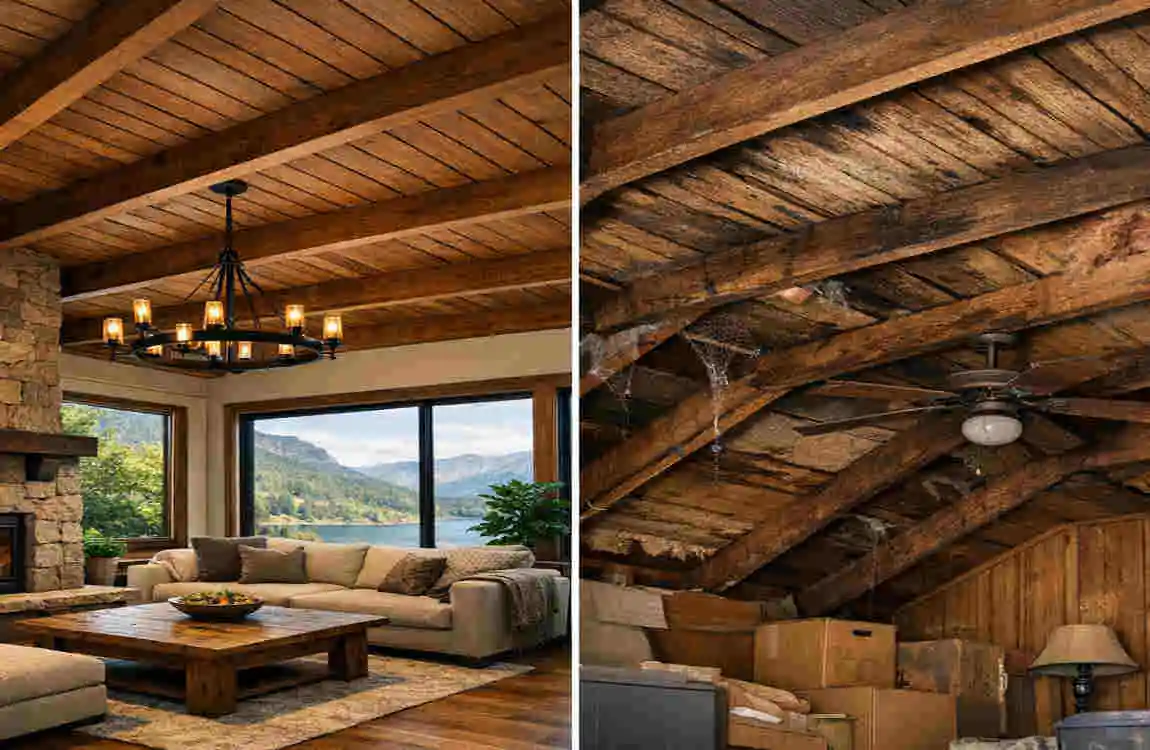
Benefits
Wooden ceilings offer many advantages. First, they create a warm and natural appearance that feels welcoming. They also add visual character, which can make a plain room feel more interesting.
They work with many interior styles, so you do not need to redesign the whole house around them. In some homes, they can also improve acoustic comfort by softening the room’s feel.
Another big benefit is variety. Wood can be cut, shaped, stained, and finished in many ways. That gives you a lot of creative freedom.
Potential Drawbacks
Wood ceilings are beautiful, but they also come with some challenges. They may cost more upfront than basic painted ceilings. They also need proper installation and regular care.
Moisture can damage wood if the wrong material is used. Some products may also need treatment for pests or fire resistance. And in some homes, heavy wooden designs may not suit the existing structure.
A wooden ceiling is best when it matches the home, the climate, and the budget.
Wooden Roof Ceiling Materials, Maintenance, and Cost
Popular Material Options
Here is a simple look at common choices:
MaterialBest ForMain Benefit
Solid wood High-end, natural look Strong and authentic
Wood veneer Stylish homes on a budget Real wood appearance with lower cost
Engineered wood Stable and practical use Less likely to warp
MDF or wood-look panels Decorative ceilings Affordable and versatile
Reclaimed wood Rustic or eco-friendly design Unique texture and character
Maintenance Tips
Wood ceilings do not need constant attention, but they do need care. Dust them regularly so dirt does not build up. Check for moisture if the ceiling is near a roof leak or bathroom area.
You should also inspect beams for insects or signs of damage. If the finish starts to wear out, refinish the wood when needed. Most importantly, fix roof leaks promptly to protect the ceiling.
Cost Factors
There is no single price for a wooden ceiling because many things affect the total cost. These include the type of wood, ceiling size, design complexity, labour, surface preparation, finishing, and lighting details.
In general, a simple panel ceiling will cost less than a custom coffered or vaulted design. The right budget depends on the style you want and the condition of the room.
Wooden Roof Ceiling Design Tips for Different Rooms
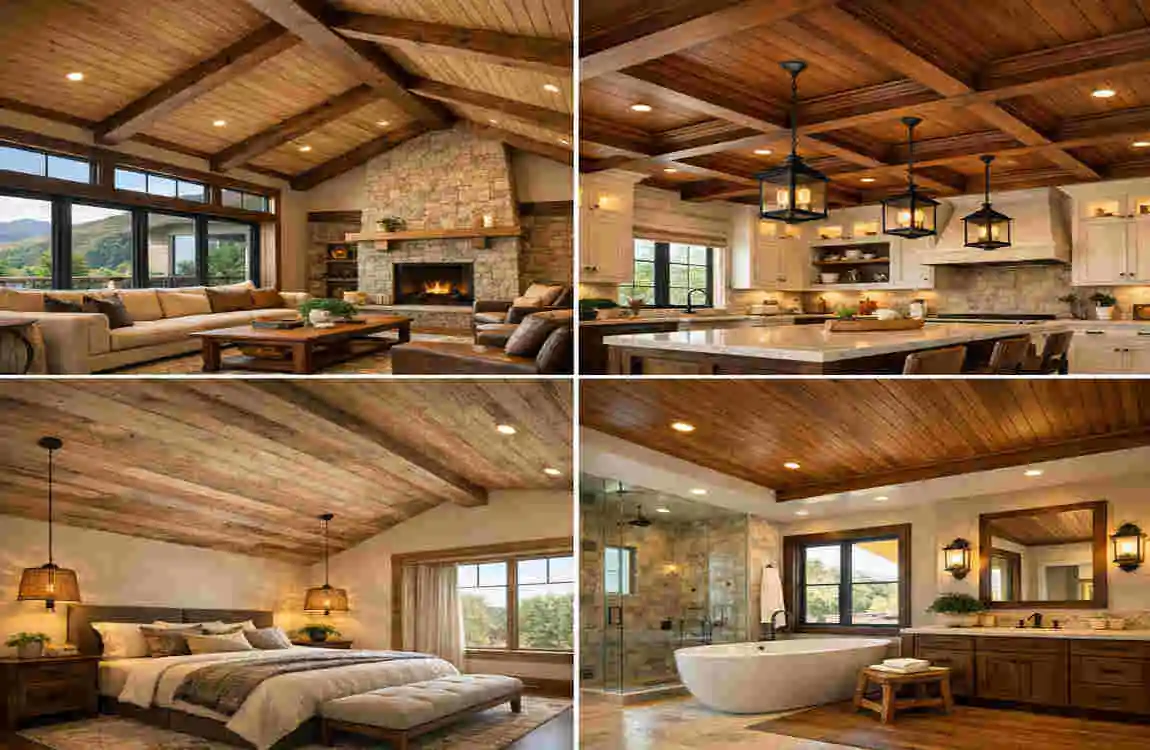
Living Room
The living room is a great place for a wooden ceiling because it is often the main gathering area. Exposed beams, slats, or a vaulted design can make it feel special.
Try to match the ceiling with the flooring and furniture so the room feels connected. A strong ceiling design can become the main feature of the space.
Bedroom
Bedrooms usually look best with softer wood tones and simple patterns. You want the room to feel restful, not heavy.
If the room is small, avoid very dark wood or too many visible details. A calm ceiling can help the bedroom feel peaceful.
Kitchen
Kitchens need extra care due to heat, moisture, and heavy cooking use. Choose materials that are properly finished and more resistant to wear.
Good ventilation is important too. A wooden ceiling in the kitchen should look good and still be practical to maintain.
Dining Room
The dining room is a perfect place for a more decorative ceiling. A coffered or tray wooden ceiling can make the space feel elegant.
Pendant lighting works especially well here because it can highlight the ceiling and create a warm dining atmosphere.
Entryway or Hallway
Entryways and hallways are often overlooked, but they shape the first impression of the home. Wood slats or panels can make these areas feel inviting right away.
Even a small amount of wood can add warmth and make the space feel more finished.
FAQ About Wooden Roof Ceiling Design
What is the best wooden roof ceiling design for a modern home?
Modern homes often look best with wooden slats, minimalist panels, or clean exposed beams. These styles feel simple, warm, and current.
Is wood good for a ceiling?
Yes, wood is a great ceiling material when it is properly treated and installed. It looks beautiful, adds warmth, and works in many home styles.
Which wood is best for a ceiling?
The best wood depends on your budget, the room, the climate, and the look you want. Pine, oak, cedar, and engineered wood are all common choices.
Are wooden ceilings expensive?
They can be. Cost depends on the material, size, design, labour, and finish. Simple designs usually cost less than custom decorative ones.
Can a wooden ceiling be used in a small room?
Yes, but lighter colours and simpler patterns usually work best. They help the room feel open instead of crowded.
How do you maintain a wooden ceiling?
Dust it regularly, check for moisture, inspect for insects, and keep the finish in good condition. Also, fix leaks right away.
Can wooden ceilings work with modern interiors?
Absolutely. Clean slats, light wood, and minimalist panels can look excellent in modern homes.
Is a wooden ceiling better than a traditional painted ceiling?
Not always. A wooden ceiling offers more warmth and character, while a painted ceiling may be simpler and cheaper. The best choice depends on your goals.
| Design | Key Feature | Best For |
|---|---|---|
| Exposed Wooden Beams | Rustic beams add character and warmth | Farmhouse & traditional homes |
| Wood Slat Ceiling | Clean lines with a modern look | Modern living rooms |
| Coffered Wood Ceiling | Adds depth and elegant detailing | Luxury interiors |
| Vaulted Wood Ceiling | Creates an open, spacious feel | Large living areas |
| Wood Panel Ceiling | Smooth and polished appearance | Bedrooms & dining rooms |
| Reclaimed Wood Ceiling | Unique natural texture and vintage appeal | Rustic homes |
| Plywood Ceiling | Simple, affordable, and versatile | Budget-friendly interiors |
Related Posts