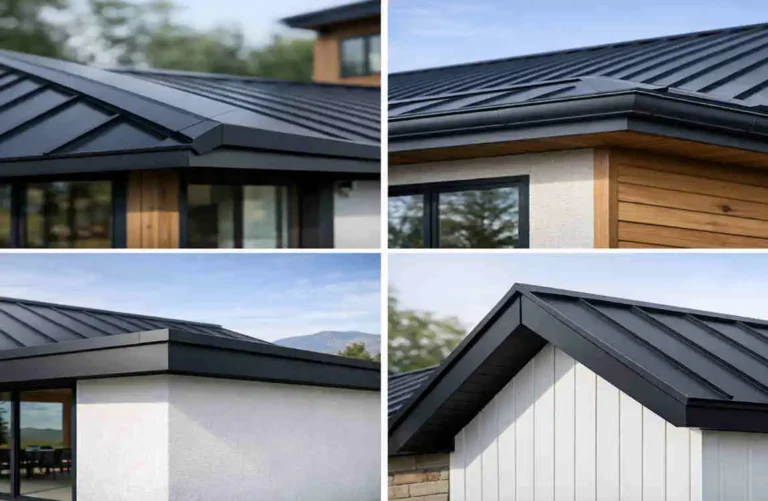
A standing seam roof system is one of the most reliable and clean-looking metal roofing options available today. It uses long metal panels with raised seams that lock together, hiding the fasteners from direct exposure to weather. That simple design gives the roof a neat look while providing strong protection.
If you are planning a home, commercial building, warehouse, or modern renovation, this roofing style is worth understanding. In particular, a trapezoidal-leg standing-seam roof system offers a structured panel profile that can support both performance and visual appeal.
What Is a Standing Seam Roof System?
Basic Definition
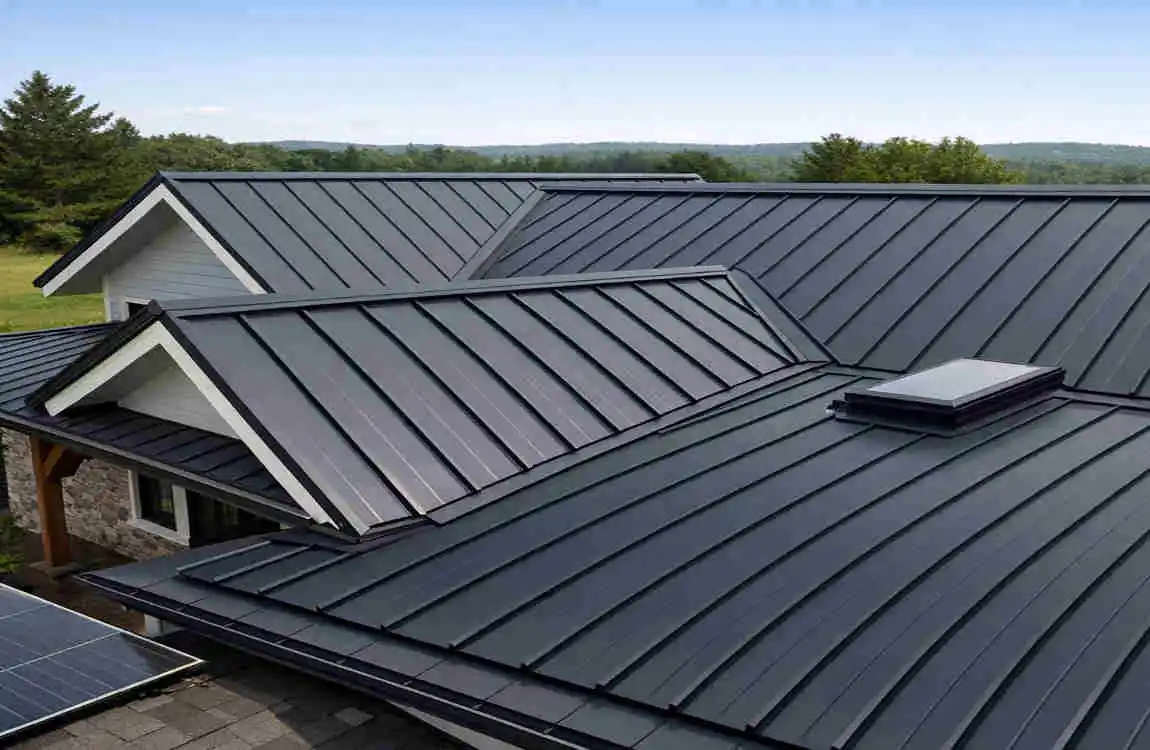
A standing seam roof system is made of metal panels joined by raised seams. These seams stand above the flat area of the panel, which helps protect the fastening points from rain, snow, and sunlight.
Unlike exposed-fastener roofing, the screws in a standing seam system are mostly hidden. That means fewer fasteners are directly open to the weather, which can help improve durability over time.
How It Works
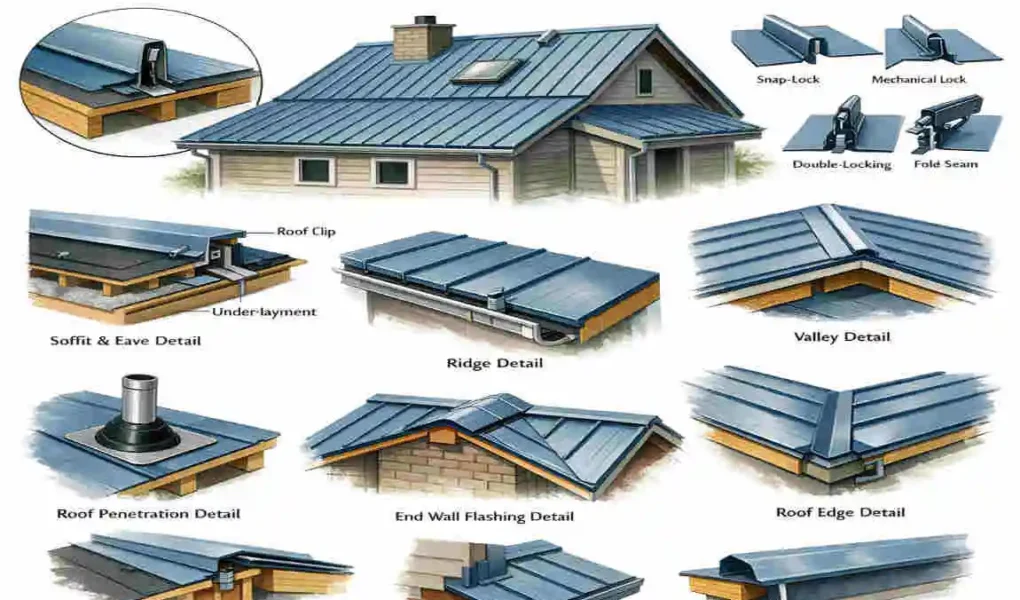
The system depends on metal panels, clips, fasteners, and the roof deck working together. The panels connect through their seam edges, while clips allow the metal to move slightly as temperatures change.
This movement is important. Metal expands in heat and contracts in cold weather. A good standing seam design allows that movement without damaging the roof.
Common Uses
Standing seam roofing is used on:
- Residential homes
- Commercial buildings
- Warehouses
- Industrial structures
- Agricultural buildings
- Modern architectural projects
Its clean shape and practical performance make it a strong fit for many building types.
What Is a Trapezoidal Leg Standing Seam Roof System?
Meaning of Trapezoidal Leg
A trapezoidal leg is a seam profile with a shaped, raised base that looks more structured than a simple flat seam. In simple terms, it gives the panel a stronger visual line and can support better panel geometry.
This shape can affect how the roof handles water, how it looks from the ground, and how it performs under different building conditions.
Key Characteristics
A trapezoidal leg standing seam roof system usually includes:
- Raised seam profile
- Concealed fastening
- Long metal panels
- Compatibility with different roof structures
- Strong long-term performance when properly installed
Why Choose This Profile?
Many people choose this style because it offers a modern, clean, and professional appearance. It also sheds water efficiently and works well on larger roof areas.
For many projects, it gives a balance of style and strength.
Main Components of a Standing Seam Roof
Metal Roof Panels
The panels are usually made from steel or aluminum. Each material has its own strengths.
Steel is known for its strength and wide finish options. Aluminum is lighter and performs well in some moisture-prone or coastal areas.
Seams and Legs
The seams are the raised connecting lines between the panels. The seam legs help hold the panels together and shape the roof’s appearance.
Their design matters because it affects water resistance, movement control, and overall roof performance.
Clips and Fasteners
Many standing seam systems use concealed clips. Some clips are fixed, while others allow movement. This is important because metal panels need room to expand and contract naturally.
Underlayment and Roof Deck
The roof deck is the base layer beneath the roofing system. Underlayment adds another layer of moisture protection.
The right assembly should always follow the manufacturer’s approved system. That is the safest way to achieve proper performance.
Flashing and Accessories
Good roofing design also includes:
- Ridge flashing
- Eave flashing
- Valley flashing
- Wall transitions
- Penetration flashing
- Gutters and edge details
These small parts are very important. Even a strong roof can leak if the flashing is weak or poorly installed.
Standing Seam Roof Design Considerations
Roof Slope and Drainage
Roof slope affects how quickly water moves away from the surface. A well-designed slope helps reduce pooling and improves drainage.
But there is no one-size-fits-all slope for every system. The correct slope depends on the panel profile, roof structure, and manufacturer guidelines.
Panel Length and Thermal Movement
Long panels can look beautiful, but they also need careful movement planning. As temperature changes, the metal shifts slightly.
If that movement is ignored, the roof can develop stress, noise, or damage. Proper clip placement and panel detailing help prevent that.
Wind and Weather Conditions
Your local climate matters a lot. Strong wind, heavy rain, snow, or coastal exposure can all affect roofing design.
In some cases, the roof may need engineered attachment patterns. This is especially important for buildings in severe weather zones.
Snow and Structural Loads
Snow can place heavy weight on a roof. That means the structure must be strong enough to carry the load safely.
If the project has major structural demands, a qualified engineer should review the design.
Materials and Finishes for Standing Seam Roofs
Steel Standing Seam Roofing
Steel is a popular choice because it is strong, durable, and available in many finishes. It works well for many home and commercial projects.
Aluminum Standing Seam Roofing
Aluminum is lighter than steel and resists corrosion well. This can make it a good choice in certain wet or coastal environments.
Protective Coatings
Paint systems and coatings help protect the roof from weathering and improve appearance. Some finishes also help reflect heat.
The right coating can make a big difference in how long the roof looks good and performs well.
Choosing the Right Color
Roof color affects both style and heat gain. Light colors often reflect more sunlight, while darker colors may create a stronger visual contrast.
When choosing a color, think about the siding, trim, windows, and overall building design.
Benefits of a Trapezoidal Leg Standing Seam Roof System
Durability
A well-installed standing seam roof can last a long time. The raised seams and concealed fasteners help protect the roof from common weather exposure.
Weather Protection
The seam design keeps many fastening points out of direct water flow. That does not remove the need for proper flashing, but it does improve the system’s overall defense.
Energy Efficiency
Reflective finishes and the right insulation can help improve energy performance. Roof color, ventilation, and climate all play a role here.
Low-Maintenance Design
Standing-seam roofs usually require only regular inspections and light cleaning. Small problems should be fixed early to avoid bigger issues later.
Modern Appearance
This roofing style has a crisp, architectural look that works well with contemporary, minimalist, farmhouse, and industrial designs.
Standing Seam Roof Installation Guide
Prepare the Roof Deck
The deck should be checked for damage, weakness, or unevenness. A sound base is essential for a good roof system.
Install Underlayment and Flashing
Underlayment and edge details help manage moisture. This step is especially important around valleys, eaves, and transitions.
Position the Panels
Panels must be aligned carefully from the correct starting point. Proper alignment helps the roof look clean and perform well.
Attach Clips and Fasteners
Clips should be installed at the right spacing and with the right fasteners. Over-tightening or using the wrong type can cause problems later.
Lock or Seam the Panels
Some systems snap together, while others require mechanical seaming. The method depends on the manufacturer and panel type.
Complete Flashing and Penetrations
Roof penetrations such as vents, skylights, and chimneys need careful detailing. This is one of the most common leak areas, so precision matters.
Standing Seam Roof Maintenance Tips
Regular Inspection
Check the roof for:
- Loose or damaged flashing
- Corrosion
- Dents
- Coating wear
- Debris buildup
Keep the Roof Clean
Leaves and dirt should be removed regularly. Gutters and drainage paths should also stay clear.
Repair Small Problems Early
If a sealant fails or a flashing piece becomes damaged, fix it quickly. Small issues are easier and cheaper to solve early.
Common Design Mistakes to Avoid
Ignoring Thermal Movement
If the roof cannot move naturally, stress can build up. That may lead to buckling or damage.
Poor Flashing Details
Even a strong panel system can fail if flashing is weak. Transitions must be designed carefully.
Incorrect Fasteners
Fasteners must match the system and substrate. The wrong type can reduce durability and performance.
Improper Panel Installation
Misalignment, poor seaming, or weak attachment can all create long-term problems.
Skipping Local Requirements
Always check local codes, structural needs, and manufacturer instructions before installation.
Standing Seam Roof vs. Other Metal Roofing Systems
FeatureStanding SeamExposed-Fastener Metal Roofing Corrugated Metal Roofing
Appearance Clean, modern, architectural More visible screws More industrial and traditional
Fastening Mostly concealed Exposed fasteners Usually visible fasteners
Maintenance Lower when installed well More upkeep over time Moderate upkeep
Weather Exposure Better protected fasteners Fasteners exposed to weather More exposed than standing seam
Typical Use Homes, commercial, modern builds Budget-friendly projects Agricultural, industrial, some homes
Standing seam roofing often offers the best mix of style and protection, while other systems may be better suited to tighter budgets or simpler structures.
Cost Factors to Consider
Material Costs
The price depends on the panel material, thickness, finish, and profile. Accessories also add to the total.
Labor Costs
Complex roofs usually cost more because they require more time, more flashing, and more careful installation.
Long-Term Value
A higher-quality roof may cost more upfront, but it can offer better long-term value through greater durability and lower maintenance needs.
How to Choose the Right Standing Seam Roof System
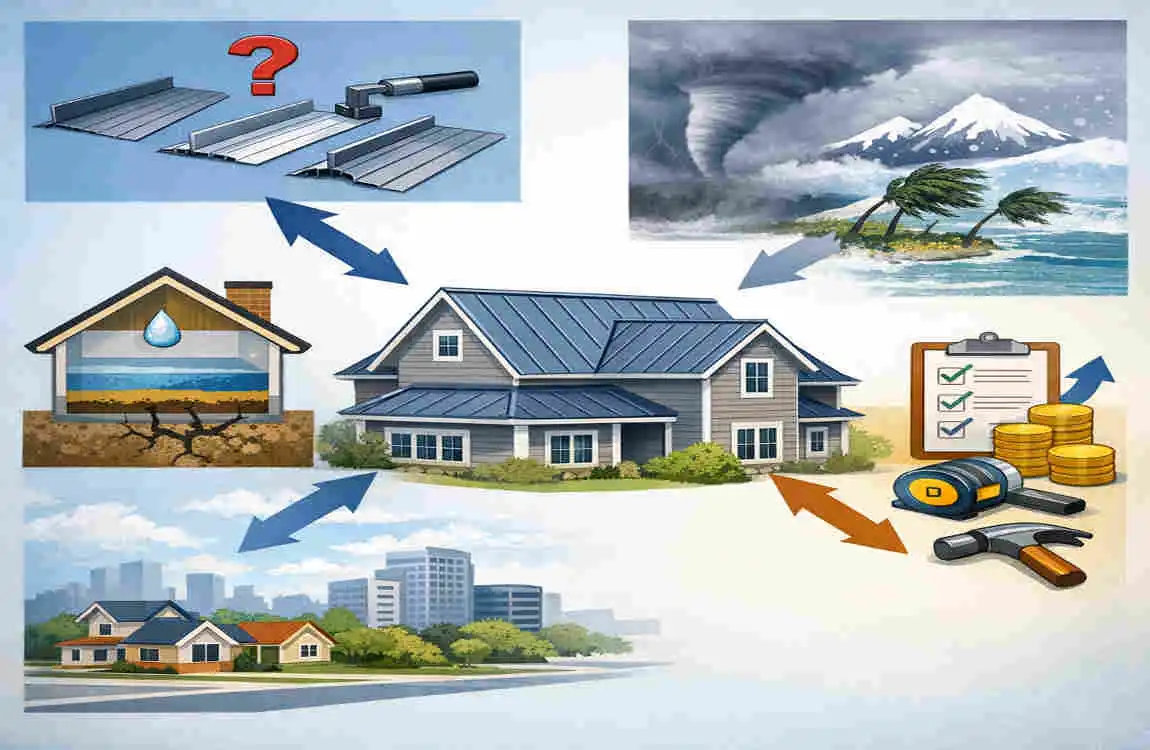
When selecting a system, think about:
- Roof slope
- Climate
- Wind and snow loads
- Material choice
- Panel profile
- Manufacturer specifications
- Qualified installation
- Flashing details
If you want the best result, do not choose based on appearance alone. The entire system matters.
Frequently Asked Questions
What is a trapezoidal leg standing seam roof system?
It is a standing-seam roofing system with a raised trapezoidal seam profile that connects adjacent metal panels.
Is a standing seam roof better than exposed-fastener roofing?
It can be, especially when you want a cleaner appearance and better protection for fasteners. But the best option depends on your budget and project needs.
How long can a standing seam metal roof last?
Its lifespan depends on material, finish, climate, maintenance, and installation quality. A well-designed roof can last for many years.
Does standing seam roofing expand and contract?
Yes. Metal expands with temperature changes, so the system must be designed to accommodate that expansion.
| Aspect | Information |
|---|---|
| What It Is | A standing seam roof is a metal roofing system with raised seams that connect panels without exposed fasteners. |
| Main Materials | Common options include galvanized steel, aluminum, and coated steel. |
| Design Style | It creates a clean, modern appearance that works well with contemporary, farmhouse, and minimalist homes. |
| Key Benefit | Hidden fasteners help improve weather resistance and give the roof a smooth, uncluttered look. |
| Durability | Properly installed standing seam roofs can provide long-term protection with relatively low maintenance. |
| Roof Pitch | The appropriate panel and seam system should be selected based on the roof slope and local building requirements. |
Related Posts