Choosing the right roof is one of the most important decisions when designing or building a modern home. A roof does much more than protect your house from rain, sun, wind, and snow. It also shapes the home’s appearance, affects energy efficiency, influences interior space, and can even impact long-term maintenance costs.
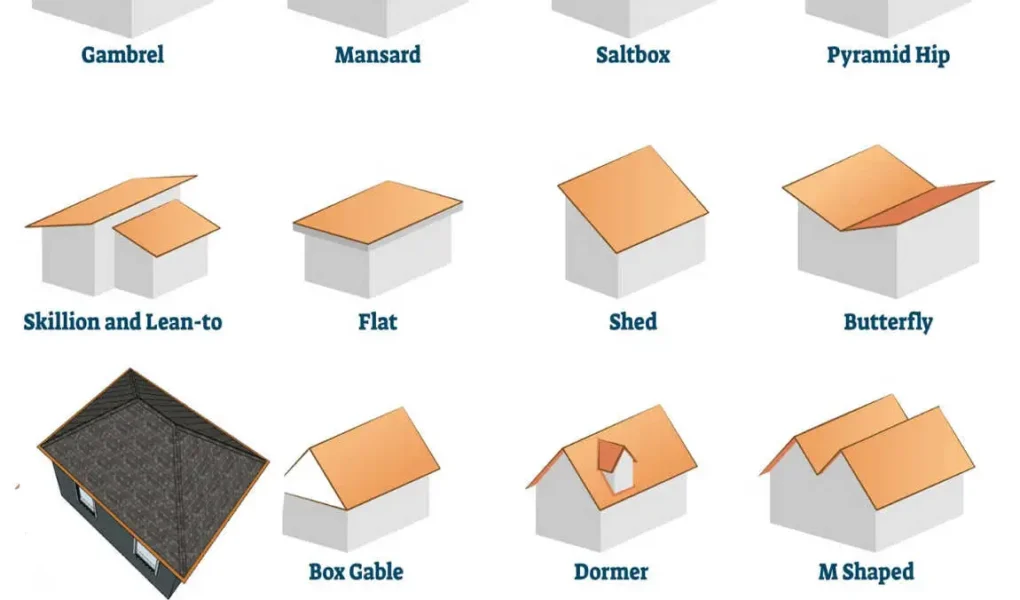
Today, homeowners have many options for roof designs. Some designs offer a traditional appearance, while others create a clean and contemporary look. Gable, hip, flat, shed, butterfly, mansard, gambrel, clerestory, and combination roofs can all be adapted to modern residential architecture.
The best choice depends on several factors, including your local climate, budget, home style, maintenance expectations, and personal preferences. A roof that works beautifully in a dry climate may not be the best option for an area with heavy rainfall or strong winds.
What Is a Roof Design?
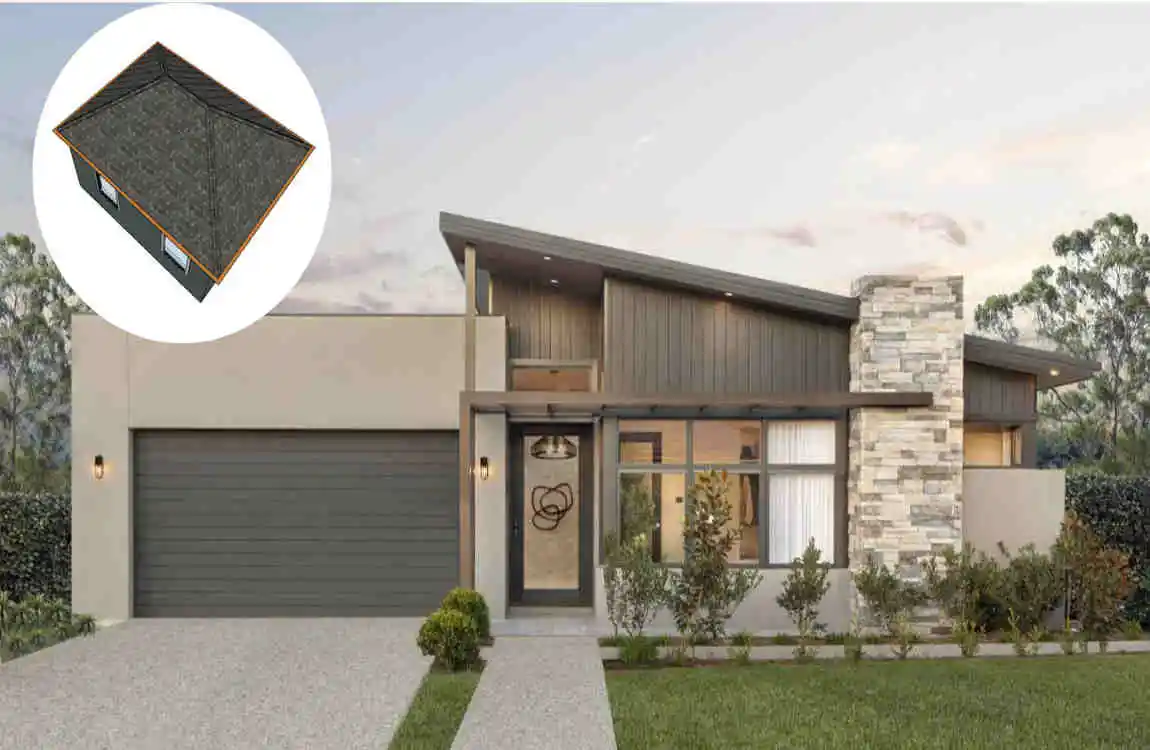
Understanding Roof Shape and Structure
A roof design refers to the shape, slope, structure, and overall arrangement of a home’s roof. It determines how the roof looks from the outside and how effectively it protects the building.
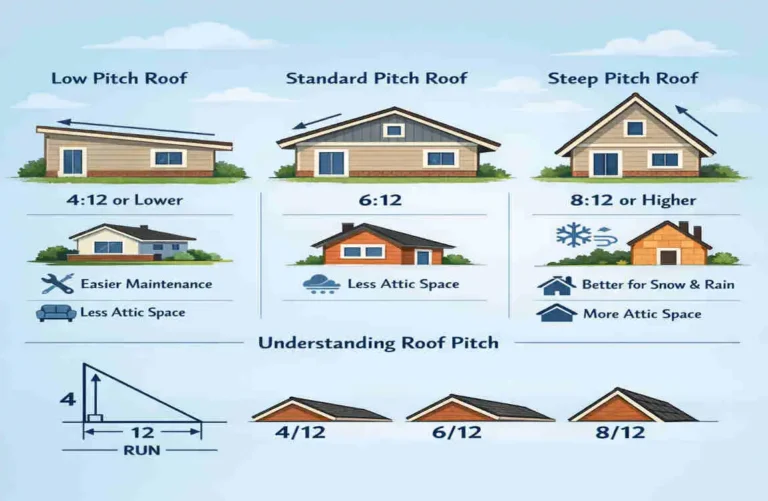
Several basic elements influence roof design. Roof pitch describes how steep the roof is, while slopes direct water toward the edges or drainage points. Ridges are the highest horizontal points, and valleys are areas where two roof sections meet.
These elements are not simply decorative. They affect how quickly rainwater leaves the roof, how much snow can accumulate, how the roof handles wind, and how much usable space exists underneath it.
For example, a steeply sloped roof can help rain and snow move away quickly. A low-slope or flat roof, on the other hand, needs carefully planned drainage because water does not naturally run off as quickly.
Why Roof Design Matters for Modern Homes
Your roof can have a major influence on the overall performance and appearance of your house.
A well-planned roof can improve weather protection, ventilation, natural lighting, energy performance, and interior space. It can also create architectural character and make an otherwise simple home stand out.
For modern houses, roof geometry is especially important. Contemporary architecture often uses clean lines, large windows, open interiors, and simple geometric forms. The roof needs to complement these features rather than compete with them.
A good roof design should therefore balance appearance and function.
How to Choose the Best Roof Design for Your Home
Choosing the best roof design for a house requires more than picking the style you like most. Think about how the roof will perform over many years.
Consider Your Local Climate
Climate should be one of your first considerations.
If your area receives heavy rainfall, choose a design with effective drainage and well-planned drainage. Areas with significant snowfall may require appropriate roof pitch and structural support.
For locations that experience strong winds, a properly engineered hip roof or another aerodynamic design may be worth considering.
Hot climates also require attention to ventilation, insulation, roof color, material selection, and shading.
Match the Roof With Your Home’s Architecture
The roof should look like a natural part of the house.
A simple shed or flat roof may complement a minimalist home, while a gambrel roof may suit a modern farmhouse. A gable roof can work with almost any architectural style when its proportions and materials are carefully selected.
For luxury homes, combination roofs can create more complex and distinctive forms.
Consider Your Budget
Your roof budget should include more than the roofing material.
Construction costs can depend on roof size, complexity, labor, structural requirements, insulation, flashing, gutters, drainage, and waterproofing.
A simple roof with fewer intersections is generally easier to construct. Complex architectural roofs may require more skilled labor and specialized detailing.
Before construction begins, compare professional estimates and ensure they cover the entire roofing system.
Think About Maintenance
Maintenance should also influence your decision.
Simple roof shapes are often easier to inspect and repair. Roofs with many valleys and intersections have more areas where leaves, debris, and water can collect.
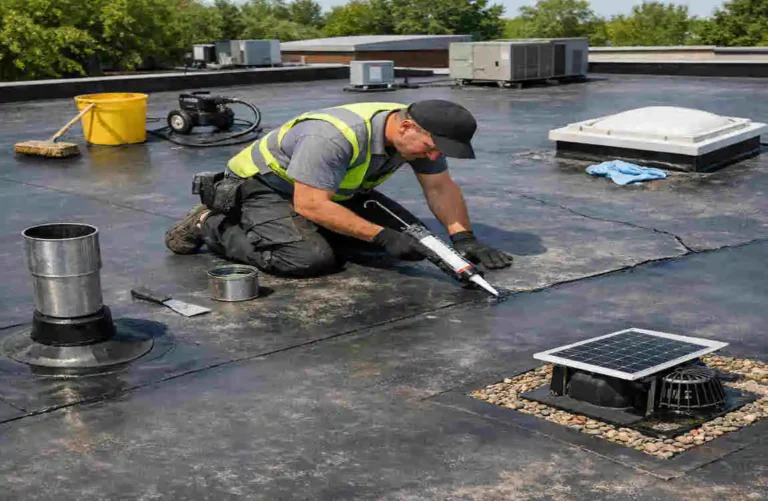
Flat roofs deserve particular attention because their drainage and waterproofing systems need to perform properly.
Think beyond the first few years. Choose a roof that you can realistically maintain throughout its expected service life.
Best Roofing Materials for Modern Roof Designs
The roof shape is only one part of the equation. The roofing material can dramatically change both performance and appearance.
Metal Roofing
Metal roofing is popular for modern homes because it offers a clean appearance and good durability.
It can work with gable, hip, shed, and other roof forms. Modern metal panels can also complement minimalist architecture.
With proper installation and maintenance, metal roofing can provide long-term performance while requiring relatively little routine maintenance.
Asphalt Shingles
Asphalt shingles are widely used because they are versatile and generally more affordable than many premium roofing materials.
They are available in numerous colors and styles and can work particularly well with gable and hip roofs.
For homeowners seeking a practical roofing solution without an overly complex appearance, asphalt shingles can be a strong option.
Clay and Concrete Tiles
Clay and concrete tiles offer a distinctive appearance and can provide long service life when properly installed.
They can complement certain Mediterranean, Spanish, traditional, and contemporary designs.
However, these materials can be heavy. The home’s structure needs to be capable of supporting the additional weight.
Slate Roofing
Slate roofing provides a premium, natural appearance and can last for many decades when correctly installed.
It is particularly attractive to homeowners seeking a high-end architectural finish.
The main drawbacks are its higher initial cost and weight. The structure and installation system need to be planned accordingly.
Membrane Roofing
Membrane roofing systems are commonly used on flat and low-slope roofs.
Because these roofs depend heavily on waterproofing, installation quality is critical. Seams, edges, penetrations, drains, and flashing need careful attention.
For a contemporary flat roof, a properly installed membrane system can provide an effective weather-resistant surface.
Modern Roof Design Trends to Consider
Minimalist Rooflines
Minimalist homes often use simple roof geometry and clean lines.
Hidden or carefully integrated gutters, simple rooflines, and limited decorative details can create a sleek, contemporary appearance.
Green Roofs
Green roofs incorporate vegetation into a specially designed roof system.
They may offer environmental and insulation benefits, but they also require proper waterproofing, drainage, structural support, and plant selection.
A green roof should be planned as a complete system rather than simply placing plants on an existing roof.
Solar-Ready Roof Designs
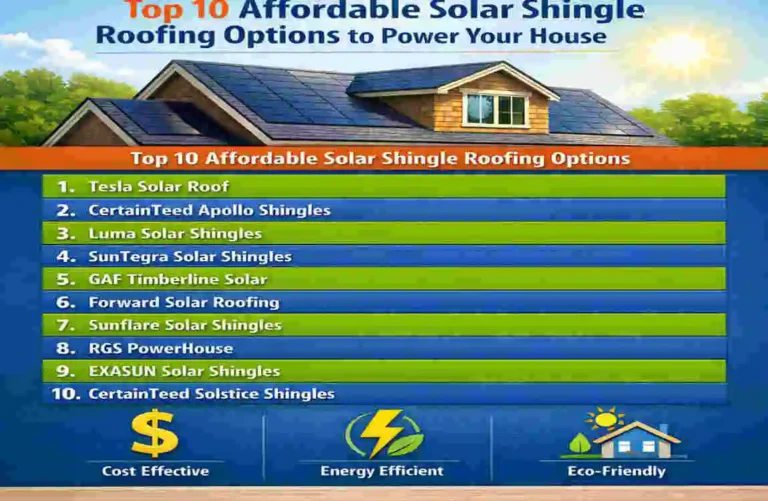
If you plan to install solar panels, consider solar compatibility before building the roof.
Roof orientation, available surface area, shading, structural capacity, and roof pitch can all affect solar installation.
Planning for solar during the initial design stage can make future installation easier.
Roofs With Large Overhangs
Large roof overhangs can provide shade and protect exterior walls and windows from weather.
They can also give a modern home stronger architectural character.
In warm climates, carefully designed overhangs may help reduce direct sunlight entering windows during certain parts of the day.
Mixed Roof Materials and Styles
Modern homes sometimes combine several exterior materials, such as metal roofing, shingles, wood accents, stone, or smooth wall finishes.
The key is balance. Too many materials or roof forms can make the home appear visually busy.
A limited material palette usually creates a cleaner and more sophisticated result.
Advantages of Choosing the Right Roof Design
Selecting the right roof can provide benefits that go far beyond appearance.
A suitable design can improve:
- Curb appeal and overall architectural character.
- Weather protection against rain, wind, and snow.
- Energy efficiency through better insulation, ventilation, and shading.
- Natural lighting through skylights, clerestory windows, or roof geometry.
- Interior space by creating usable attic or upper-floor areas.
- Property value by improving appearance and practical performance.
- Long-term maintenance when the design is simple and appropriate for the climate.
When comparing different roof designs, never focus only on how attractive a roof looks. Performance and practicality matter just as much.
Common Mistakes to Avoid When Choosing a Roof Design
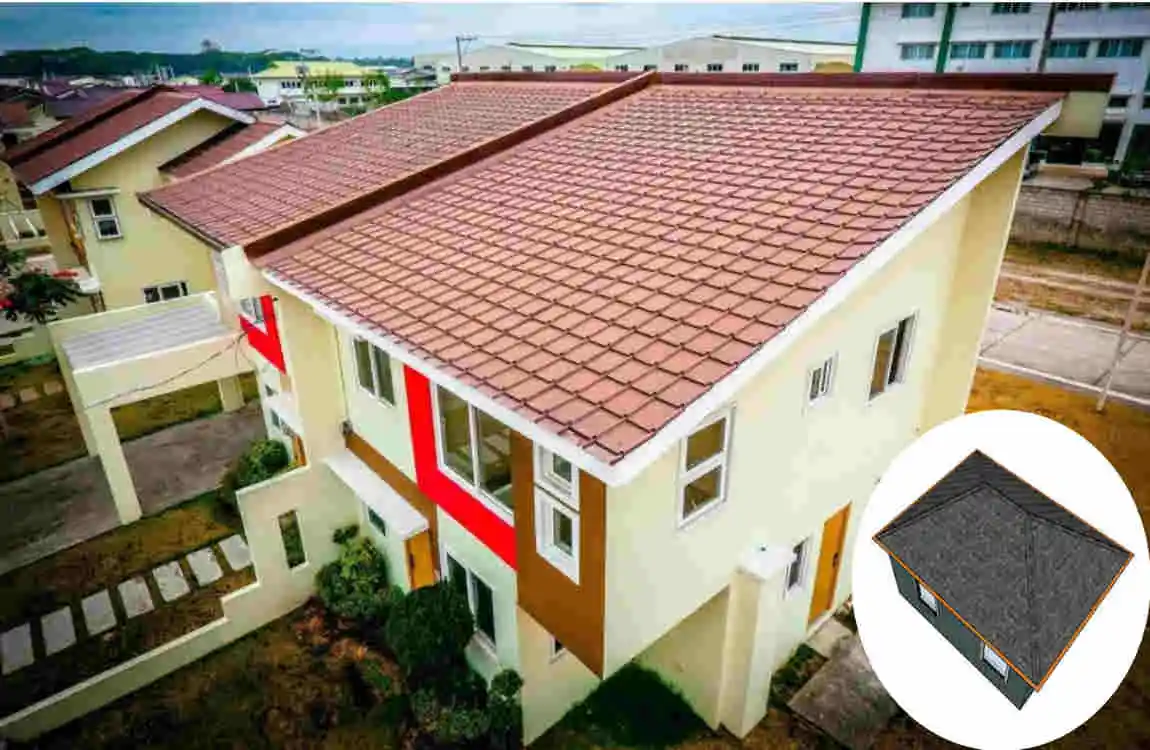
Choosing Looks Over Function
A dramatic roof may look impressive in photographs but may not be appropriate for your local weather.
Always consider climate, drainage, structural requirements, and maintenance before choosing a design.
Ignoring Drainage
Poor drainage can allow water to remain on the roof and eventually contribute to leaks or material damage.
Make sure gutters, downspouts, drains, slopes, and flashing are part of the design from the beginning.
Underestimating Maintenance
Complex roofs often contain more valleys, joints, flashing, and drainage points.
These areas may require more frequent inspection. Choose complexity only when it provides a worthwhile architectural or functional benefit.
Choosing the Wrong Roofing Material
Not every material works equally well with every roof shape.
The material should suit the roof pitch, local climate, structural system, budget, and expected maintenance level.
Forgetting Future Improvements
Think about your plans before finalizing the roof.
Will you want solar panels, skylights, additional attic space, rooftop seating, or a green roof?
Planning these features early can prevent expensive modifications later.
Frequently Asked Questions About Different Types of Roof Designs
What are the most popular roof designs for modern homes?
Some of the most popular options include gable, hip, flat, shed, and combination roofs. The best choice depends on the home’s architecture, climate, budget, and functional requirements.
Which roof design is best for a modern house?
There is no universal best option. Flat and shed roofs are popular for minimalist homes, while gable and hip roofs offer greater versatility. Your climate, budget, drainage needs, and desired appearance should guide the decision.
What is the most durable type of roof design?
Durability depends on more than the roof shape. Roofing material, installation quality, structural design, climate, ventilation, and maintenance all influence how long a roof lasts.
Are flat roofs good for modern homes?
Yes. Flat roofs are widely used in contemporary architecture for their clean appearance and the potential for rooftop terraces, solar panels, and green roofs.
However, proper drainage and waterproofing are essential to prevent water-related problems.
Which roof design is best for heavy rain?
A roof with an appropriate slope and effective drainage system can perform well in areas with heavy rain. Gable and hip roofs can be good choices, but the exact design should be based on local conditions.
Proper gutters, flashing, drainage, and professional installation are equally important.
Which roof style gives the most attic space?
Gambrel and mansard roofs can create substantial usable space beneath the roof. However, the amount of practical living or storage space depends on the structural design, roof pitch, and interior layout.
Are modern roof designs more expensive?
Not necessarily. A simple modern roof can be relatively economical. However, complex architectural designs with multiple slopes, valleys, special materials, or unusual drainage systems can increase construction costs.
| Roof Design | Key Features | Best For |
|---|---|---|
| Flat Roof | Clean lines, simple and contemporary look | Modern, minimalist homes |
| Gable Roof | Two sloping sides with a triangular shape | Family homes and traditional-modern designs |
| Hip Roof | Slopes on all four sides for a balanced appearance | Homes needing good weather protection |
| Shed Roof | Single steep or gentle slope with a modern profile | Contemporary and compact homes |
| Butterfly Roof | Two slopes meet in the center, creating a V shape | Eco-friendly and architectural homes |
| Clerestory Roof | Raised roof section with high windows for natural light | Bright, energy-efficient homes |
| Sawtooth Roof | Repeated angled sections with multiple roof ridges | Modern homes, studios, and large spaces |
Related Posts