A metal roof can be a strong and attractive choice for homeowners who want long-lasting protection. Modern metal roofing is available in many styles and can provide good resistance to weather, fire, moisture, and everyday wear.
However, choosing quality metal panels is only part of the project. Proper installation is equally important. Poor measurements, incorrect fasteners, or weak flashing can cause leaks and shorten the roof’s lifespan.
What Is a Metal Roof?
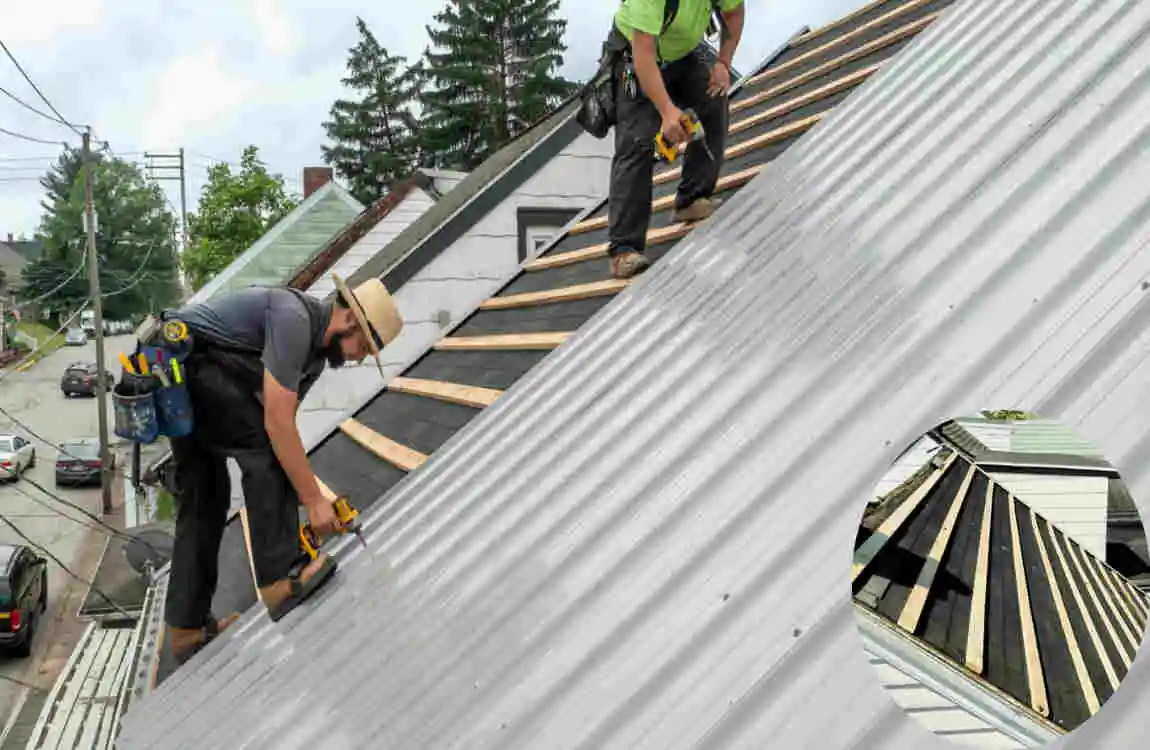
A metal roof uses panels, sheets, or shingles made from materials such as steel, aluminum, copper, or zinc. These materials can be shaped into different profiles to suit both traditional and modern homes.
Common Types of Metal Roofing
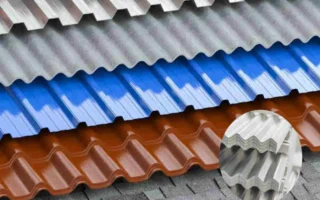
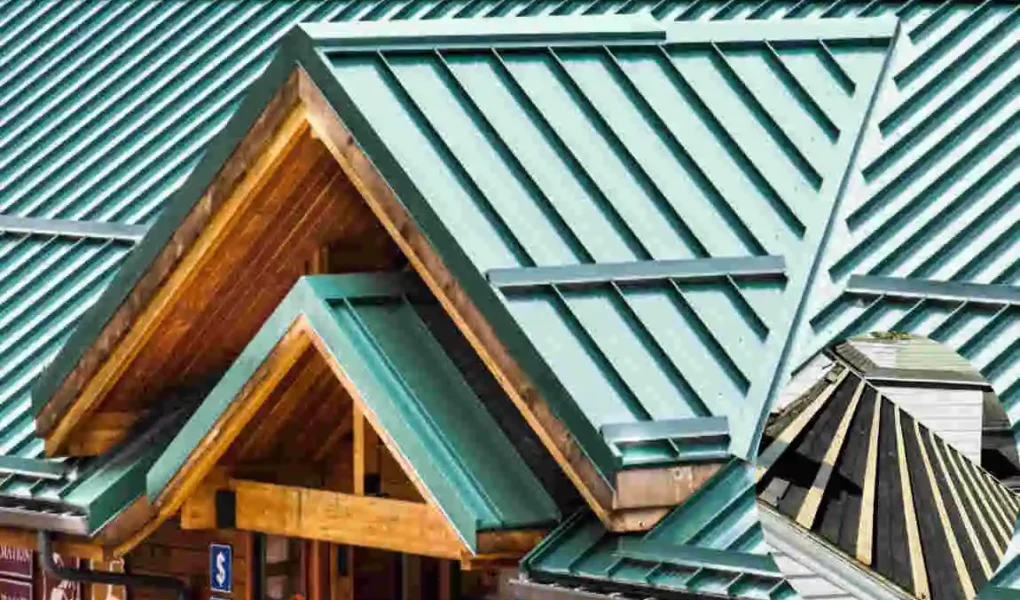
Popular options include standing-seam, corrugated, and ribbed panels, as well as metal shingles.
Steel is widely used because it offers a balance of strength and cost. Aluminum can work well in environments where corrosion resistance is important. Copper and zinc provide distinctive appearances and can have very long service lives, but they generally come with higher material costs.
Why Choose Metal Roofing?
Homeowners often choose metal roofing because of its durability, low maintenance, weather resistance, and long service life.
It can also provide a modern appearance and is available in numerous colors and finishes. Depending on the product and roof design, metal roofing can also contribute to energy efficiency.
How Much Does Metal Roof Installation Cost?
The cost of metal roof installation varies from one project to another. Roof size, metal type, labor, roof pitch, location, old roofing removal, and repairs can all affect the final price.
Average Metal Roofing Cost Factors
Cost Factor How It Affects Price
Metal type Some metals cost more than others
Roof size Larger roofs need more material and labor
Labor Professional installation can be a major expense
Roof pitch Steeper roofs may require additional safety equipment
Old roof removal Adds labor and disposal costs
Roof repairs Damaged decking can increase project costs
Flashing and accessories Adds to the overall material budget
Metal roofing may have a higher initial cost than basic asphalt shingles. However, homeowners should consider lifespan, maintenance, repair needs, and replacement frequency rather than focusing solely on the upfront price.
Is Metal Roofing Worth the Investment?
For many homeowners, metal roofing can provide good long-term value. A properly installed roof can remain functional for decades, reducing the need for frequent replacement.
Your climate, home structure, budget, and long-term plans should all influence the decision.
Tools and Materials Needed for Metal Roof Installation
A successful installation requires the correct materials and tools.
Essential Roofing Materials
Common materials include:
- Metal roofing panels
- Underlayment
- Approved roofing screws
- Flashing
- Ridge caps
- Eave and gable trim
- Compatible sealant
- Closure strips
- Replacement roof decking when necessary
The exact materials depend on the metal roofing system. Always use products that are compatible with the manufacturer’s installation requirements.
Basic Installation Tools
Common tools include a measuring tape, drill or driver, chalk line, screw bits, roofing snips, metal-cutting tools, ladders, and other appropriate equipment.
Fall protection is especially important. Roofing work takes place at height, so proper safety equipment, secure access, protective eyewear, gloves, and manufacturer-approved tools should be used.
Metal Roof Installation Guide: Step-by-Step Process
The installation process can vary by roofing system, but these are the basic stages you will typically encounter.
Inspect and Measure the Roof
Start by checking the roof’s dimensions, pitch, existing roofing, decking, flashing, drainage, and gutters.
Look for signs of structural damage, moisture problems, or deteriorated decking.
Accurate measurements are essential because errors can lead to material shortages, unnecessary waste, or poor panel alignment.
Remove the Existing Roofing if Necessary
Some metal roofing systems may be installed over existing roofing, while others may require removal of the existing roofing.
The decision depends on the condition of the existing roof, the metal roofing system, manufacturer’s instructions, and applicable local requirements.
If the old roofing is removed, inspect the roof deck carefully before continuing.
Repair the Roof Deck
Damaged, weak, or rotten decking should be repaired or replaced before installing new roofing.
A strong, relatively even surface provides the metal panels with proper support and helps create a better finished appearance.
Skipping this step can lead to problems later.
Install the Underlayment
Underlayment provides an additional layer of protection between the roof deck and metal panels.
It can help protect the deck from moisture and support the roof’s overall weather-resistant design.
The correct underlayment depends on the roofing system, climate, manufacturer specifications, and local building requirements.
Install Eave and Edge Flashing
Flashing helps direct water away from vulnerable areas.
Depending on the roof design, installers may use eave, gable, valley, and wall flashing.
These details require careful installation because water can enter through poorly protected edges and joints.
Plan the Panel Layout
Before installing panels, determine where the first panel will begin and how the remaining panels will align.
Consider panel overlaps, fastener locations, roof edges, seams, and areas where the metal system needs to accommodate movement.
Good planning can improve appearance and reduce unnecessary cutting.
Important Metal Roof Installation Tips
Follow the Manufacturer’s Instructions
Different metal roofing systems use different fasteners, overlaps, flashing methods, sealants, and underlayments.
Never assume that a technique used for one panel system will work for another.
Avoid Over-Tightening Screws
Over-tightening can damage the fastener washer, panel surface, or seal.
Fasteners should be installed according to the roofing manufacturer’s requirements.
Allow for Metal Expansion and Contraction
Metal can expand and contract as temperatures change.
The roofing system should be installed so that the material can move as designed without causing stress or damage.
Pay Close Attention to Flashing
Flashing around valleys, chimneys, vents, walls, and roof edges deserves special attention.
A strong panel system can still leak if the flashing is poorly designed or installed.
Protect the Metal Finish
Scratches and improper cutting can damage protective coatings.
Use suitable cutting tools and handle panels carefully. Avoid dragging panels across rough surfaces whenever possible.
Can You Install a Metal Roof Yourself?
DIY metal roof installation may be possible for experienced homeowners working on simple, low-risk structures.
When DIY Installation May Make Sense
A knowledgeable homeowner might consider a small garage, workshop, shed, or simple roof design.
Even then, proper safety equipment and a clear understanding of the roofing system are essential.
When to Hire a Professional
Professional installation is strongly recommended for steep roofs, large homes, complex roof designs, structural problems, difficult flashing, multiple roof penetrations, or challenging weather conditions.
Roofing work can also involve serious fall hazards. If you are uncomfortable working at height, hiring a qualified professional is the safer choice.
Common Metal Roof Installation Mistakes to Avoid
Incorrect Measurements
Poor measurements can lead to material shortages, excess waste, and alignment problems.
Measure carefully before ordering panels and accessories.
Incorrect Screw Placement
Loose, misplaced, or incorrectly tightened fasteners can contribute to leaks and panel problems.
Use the correct fasteners and follow the required fastening pattern.
Poor Flashing Installation
Even well-installed panels can leak when flashing is poorly fitted.
Give valleys, roof edges, chimneys, vents, and wall intersections extra attention.
Ignoring Roof Ventilation
Proper ventilation helps manage heat and moisture in the roof system.
Plan ventilation before installation rather than trying to solve the problem afterward.
Using the Wrong Sealant
Not every sealant is suitable for every metal roofing product. Use a sealant compatible with the panel system and manufacturer’s requirements.
Walking on the Roof Incorrectly
Metal panels can be dented or scratched when walked on improperly.
Follow the roofing manufacturer’s guidance for foot traffic and use appropriate access methods.
Metal Roof Maintenance After Installation
Metal roofing generally requires less maintenance than many traditional roofing systems, but it still needs periodic inspection.
Regular Inspection
Check for:
- Rust or corrosion
- Loose fasteners
- Damaged panels
- Failed sealant
- Blocked gutters
- Damaged flashing
Early repairs are usually easier and less expensive than waiting until a small issue becomes a major leak.
Cleaning the Roof
Keep the roof reasonably clean and avoid harsh chemicals or abrasive tools that could damage the protective finish.
Always follow the manufacturer’s cleaning recommendations.
Managing Gutters and Drainage
Blocked gutters can prevent water from draining correctly.
Clean gutters and downspouts regularly, and make sure water flows away from the roof and the home’s foundation.
How Long Does a Metal Roof Last?
The lifespan of a metal roof depends on the type of metal, coating quality, installation, climate, maintenance, and environmental exposure.
A properly installed and maintained metal roof can provide decades of service.
Harsh weather, coastal exposure, poor installation, or neglected maintenance can reduce performance.
Metal Roof Installation vs. Professional Installation
FactorDIY InstallationProfessional Installation
Initial labor cost Lower Higher
Experience Homeowner must provide it Professional experience included
Safety Homeowner responsibility Professional procedures
Complex roofs More difficult Better suited
Warranty requirements May vary Often easier to satisfy
Time Potentially longer Usually faster
The cheapest installation option is not always the best value. A mistake that causes a leak can result in repair costs that quickly eliminate the savings from DIY labor.
How to Choose a Metal Roofing Contractor
Check Experience
Look for contractors who regularly work with the specific type of metal roofing you want.
Experience with standing-seam panels, metal shingles, or corrugated systems can make a significant difference, as each system has its own installation details.
Ask About Insurance and Licensing
Verify the contractor’s applicable licensing and insurance requirements for your area.
This can help protect you from avoidable problems during the project.
Request a Detailed Estimate
A written estimate should clearly identify materials, labor, old roof removal, disposal, flashing, underlayment, repairs, and warranty information.
A detailed quote makes it easier to compare contractors fairly.
Review Previous Projects
Ask to see examples of completed work when possible. Look closely at panel alignment, flashing, trim, and overall finishing quality.
Benefits and Drawbacks of Metal Roof Installation
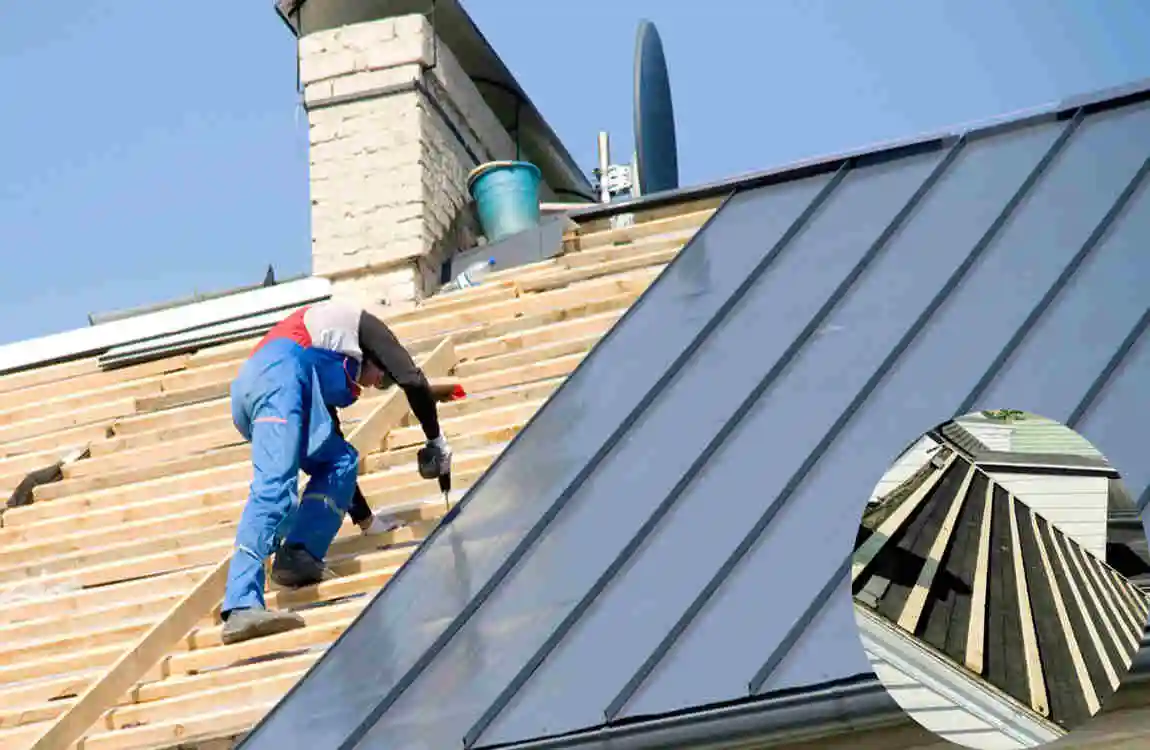
Main Benefits
Metal roofing can offer:
- Long service life
- Strong durability
- Low maintenance
- Weather resistance
- Fire resistance
- Energy-efficiency potential
- Many style and color options
Potential Drawbacks
There are also disadvantages to consider.
Metal roofing can have a higher upfront cost than basic roofing materials. Installation requires skill, and repairs may require specialized materials or knowledge.
Metal can also become noisy during heavy rain if the overall roof assembly does not provide appropriate sound control.
Some metals may also be vulnerable to corrosion when the wrong materials are combined or when protective finishes are damaged.
Is Metal Roofing Right for Your Home?
Metal roofing can be a good choice if you want long-term durability and are comfortable with a potentially higher initial investment.
Consider your budget, climate, home style, roof structure, maintenance expectations, and long-term plans.
Think beyond the purchase price. A durable roof that requires fewer replacements may provide stronger value over many years.
Frequently Asked Questions About Metal Roof Installation
How difficult is metal roof installation?
Metal roof installation requires accurate measuring, proper tools, knowledge of fasteners and flashing, and strong safety practices. Simple structures may be manageable for experienced homeowners, while professionals handle complex residential roofs more effectively.
Can I install a metal roof over shingles?
In some situations, metal roofing can be installed over existing shingles. However, the condition of the existing roof and roofing system, the manufacturer’s instructions, and applicable local requirements must be considered first.
How long does it take to install a metal roof?
Installation time depends on roof size, complexity, crew size, weather, preparation requirements, and whether the existing roofing must be removed.
Is a metal roof more expensive than shingles?
Metal roofing can have a higher upfront cost than basic asphalt shingles. However, homeowners should compare the expected lifespan, maintenance requirements, repair needs, and replacement frequency to assess the long-term value.
What is the most important part of metal roof installation?
Proper preparation, accurate panel placement, proper fasteners, quality flashing, ventilation, and adherence to the manufacturer’s installation instructions are all essential.
Do metal roofs need underlayment?
Many metal roofing systems use underlayment, but the exact product and installation method depend on the roofing system, climate, and project requirements.
| Aspect | Quick Information |
|---|---|
| Roof Inspection | Check the existing roof, decking, flashing, and structural condition before installation. |
| Measurements | Measure the roof area accurately to determine the required metal panels and materials. |
| Underlayment | Install a suitable underlayment to provide an additional moisture barrier beneath the metal roofing. |
| Flashing | Add flashing around chimneys, vents, valleys, edges, and other vulnerable areas to prevent leaks. |
| Panel Installation | Secure metal panels according to the manufacturer’s recommended overlap and fastening method. |
| Ventilation | Maintain proper attic ventilation to help control heat and moisture buildup. |
| Estimated Cost | Metal roof installation commonly costs about $7–$16 per square foot, depending on material, roof complexity, labor, and location. |
| Best Materials | Popular options include steel, aluminum, zinc, and copper, each offering different durability and price levels. |
Related Posts