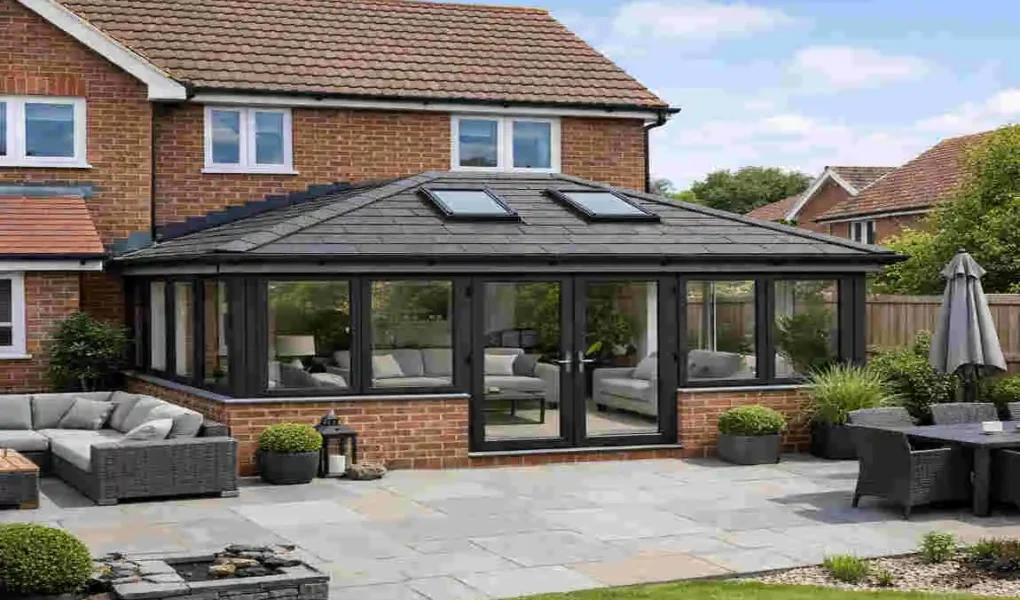
If you own a conservatory in Suffolk, you may have noticed one common problem. It often feels too hot in summer and too cold in winter. A tiled conservatory roof in Suffolk can solve this and turn that space into a room you can enjoy year-round.
What Is a Tiled Conservatory Roof?
The basic idea
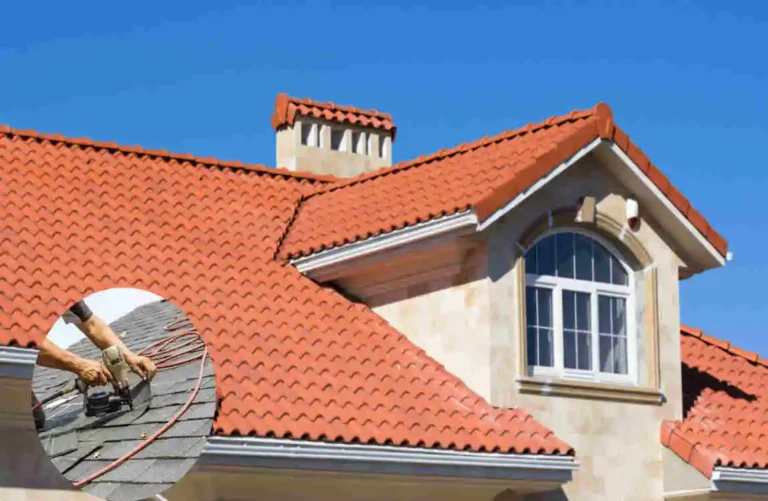
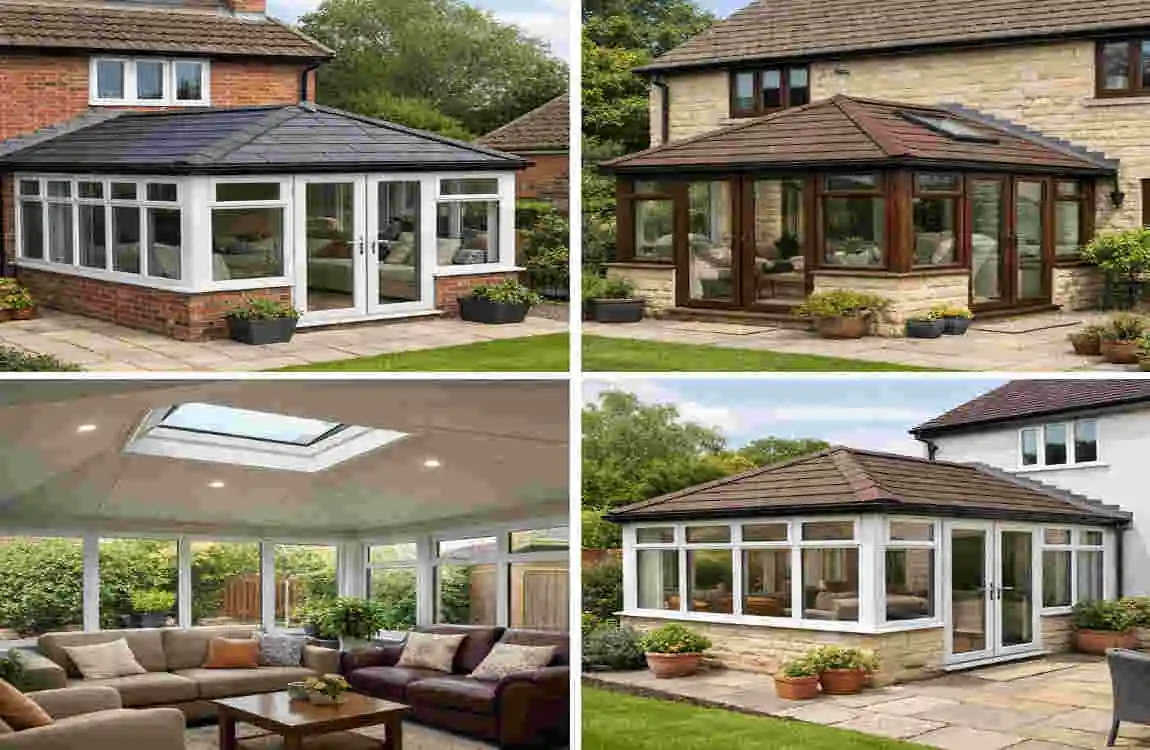
A tiled conservatory roof is a solid roof made with lightweight tiles instead of glass or plastic. It replaces the old see-through roof with a strong, insulated structure.
This turns your conservatory into something that feels more like a proper room. It looks and behaves much like the rest of your house.
How it differs from traditional roofs
Older conservatories usually have glass or polycarbonate roofs. These let in plenty of light but struggle with temperature control.
A tiled roof is different. It uses insulation and solid materials to keep heat in during winter and out during summer.
Why Suffolk homeowners consider tiled roofs
Many people in Suffolk want to use their conservatory all year, not just in mild weather. A tiled roof makes that possible.
It also gives the home a more modern and finished look. That is why more homeowners are choosing this upgrade.
Benefits of a Tiled Conservatory Roof in Suffolk
Better insulation and temperature control
The biggest benefit is comfort. A tiled roof keeps the room warmer in winter and cooler in summer.
This means you no longer have to avoid the space during hot or cold months.
Comfort throughout the year
With better temperature control, your conservatory becomes a true living space. You can use it as an office, dining room, or relaxing lounge.
It simply feels more comfortable no matter the season.
Less noise during rain
Suffolk gets its share of rainy days. Glass and plastic roofs can be very noisy in the rain.
A tiled roof cuts down that noise, so the room stays calm and peaceful.
Modern look and better curb appeal
A tiled roof gives your conservatory a clean, modern appearance. It blends smoothly with the rest of your home.
This can also boost your home’s overall charm and value.
Possible energy savings
Because the room holds heat better, you may rely less on heating. Over time, this can help reduce energy waste and support lower bills.
Choosing the Right Tiled Roof Design
Lightweight tiles and materials
Modern tiled roofs use lightweight tiles designed for conservatories. They are strong but do not put too much weight on the structure.
This keeps the roof safe and long-lasting.
Matching your existing home
You want your new roof to fit your home. Choosing tiles that match your home’s style creates a smooth, natural look.
This makes the conservatory feel like part of the original build.
Adding glass panels and skylights
A tiled roof does not have to be completely solid. You can add skylights, roof windows, or glass panels to let in natural light.
This gives you the best of both worlds: warmth and brightness.
Traditional vs modern designs
You can choose a style that suits your taste:
- Traditional for a classic, timeless look
- Contemporary for a sleek, modern feel
Both can look beautiful when planned well.
Planning for natural light
Solid roofs reduce light, so plan accordingly. Adding windows or skylights keeps the room bright and welcoming.
Think about where the light falls before you decide.
Tiled Conservatory Roof Cost in Suffolk

What affects the cost
Several things shape the final price. These include roof size, materials, insulation, and labour.
No two projects are the same, so costs can vary.
Roof size and structure
A larger roof needs more materials and time. The structure must also be strong enough to hold the new roof.
Both of these affect the total cost.
Tile and insulation choices
Better tiles and higher insulation levels can raise the price. However, they often improve comfort and long-term value.
It is worth balancing cost with quality.
Labour and preparation
Skilled work takes time and expertise. Preparing the structure, fitting the frame, and adding insulation all add to the labour cost.
Good artistry is worth the investment.
Repair vs full replacement
Sometimes a repair is enough. Other times, a full roof replacement makes more sense.
A professional can help you decide which option fits your situation.
Planning a realistic budget
Set a clear budget before you start. Include materials, labour, and a little extra for surprises.
This helps you avoid stress later in the project.
Cost Factor | Impact on Price | Why It Matters
Roof size High Larger roofs need more materials
Tile quality Medium to high Better tiles cost more but last longer
Insulation level Medium Higher insulation improves comfort
Labour High Skilled fitting affects total cost
Repair vs replacement Varies Full replacement usually costs more
Installation, Planning Permission, and Building Regulations
The basic installation process
Installing a tiled roof usually starts by removing the old roof. Then they add a new frame, insulation, and tiles.
The process is careful and step-by-step to keep the structure safe.
Checking your existing structure
Not every conservatory can take a tiled roof right away. The frame and base must be strong enough to hold the extra weight.
That is why an expert check is so important before you begin.
When planning permission applies
In many cases, you may not need planning permission. But sometimes you might, depending on the size and design.
Always check the rules before starting your project.
Building regulations
Tiled roofs often fall under building regulations. These rules make sure the work is safe and properly built.
Following them protects both your home and your investment.
Why professional advice matters
A professional can assess your conservatory, explain the rules, and guide your choices. This helps you avoid costly mistakes.
It also gives you peace of mind.
Maintenance and Common Problems
Cleaning and inspecting tiles
A tiled roof is fairly low maintenance. Still, it helps to check the tiles from time to time.
Look for cracked or loose tiles and clear away any debris.
Checking seals and gutters
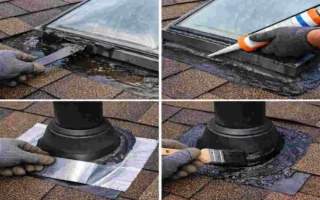
Pay attention to the seals, flashing, gutters, and joints. These parts help keep water out.
Keeping them clean and sealed prevents bigger problems.
Preventing leaks and condensation
Good installation and proper insulation reduce leaks and condensation. But it is smart to keep an eye out.
Catching small issues early saves money later.
Common problems to watch for
Here are a few issues that can appear over time:
- Loose or damaged tiles
- Blocked gutters
- Worn seals or flashing
- Condensation from poor insulation
When to call a professional
If you notice leaks, damp patches, or damaged tiles, it may be time for help. A professional inspection can find hidden problems.
Acting early keeps your roof in good shape.
Is a Tiled Conservatory Roof Right for Your Suffolk Home?
Main advantages and limitations
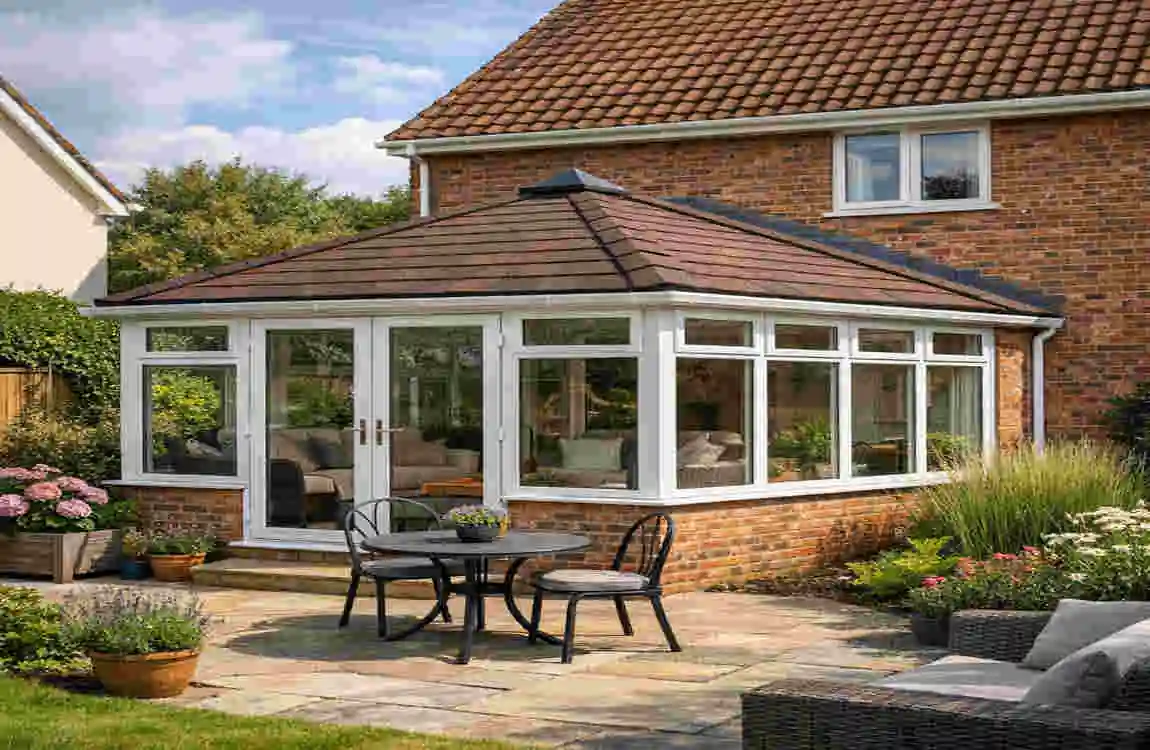
Tiled roofs offer comfort, style, and better temperature control. The main trade-off is less natural light unless you add windows.
For most homeowners, the benefits outweigh the downsides.
Comparing roof types
Let us compare the three common options:
- Tiled roofs: best for comfort and year-round use
- Glass roofs: great for natural light
- Polycarbonate roofs: cheaper but poor at insulation
Your choice depends on your goals and budget.
Questions to ask an installer
Before hiring anyone, ask a few key questions:
- Is my conservatory suitable for a tiled roof?
- What materials do you recommend?
- Do I need planning permission?
- What does the price include?
Clear answers help you feel confident.
Choosing materials and design
Pick materials that match your home and suit the Suffolk climate. Think about insulation, tile quality, and natural light.
Good choices lead to lasting satisfaction.
FAQ: Tiled Conservatory Roof Suffolk
How much does a tiled conservatory roof cost in Suffolk?
The cost depends on roof size, materials, insulation, and labour. Larger or higher-quality roofs usually cost more.
Is a tiled conservatory roof warmer in winter?
Yes. The insulation helps keep heat inside, so the room stays warmer during cold months.
Can I replace my existing conservatory roof with tiles?
Often, yes. But your structure must be strong enough, so a professional check is important first.
Do I need planning permission for a tiled conservatory roof?
Sometimes, depending on the size and design. Always check the rules before starting.
How long does a tiled conservatory roof last?
With good installation and simple care, a tiled roof can last many years. Quality materials help it last even longer.
Are tiled conservatory roofs suitable for older conservatories?
They can be, but the frame and base must be sturdy enough. An expert assessment will confirm this.
Can a tiled roof make a conservatory usable all year?
Yes. Better insulation and comfort mean you can enjoy the space in every season.
| Topic | Key Information |
|---|---|
| Tiled Conservatory Roof Suffolk | A modern roofing solution that improves comfort, insulation, and appearance. |
| Main Benefits | Better thermal performance, reduced glare, improved privacy, and year-round usability. |
| Modern Design | Tiled finishes can give a conservatory a more contemporary, house-like appearance. |
| Insulation | Insulated roof systems can help reduce heat loss in winter and overheating in summer. |
| Roof Materials | Options include lightweight tiles, slate-effect tiles, and modern composite materials. |
| Planning & Building Rules | Check local planning and building regulations before replacing or altering the roof. |
| Cost Factors | Price depends on roof size, tile type, insulation, structure, glazing, and installation. |
Related Posts