If you are planning to buy, repair, or renovate an older property, an asbestos roof inspection is one of the smartest steps you can take. Asbestos was used in many roofing products for years because it was strong, cheap, and heat-resistant. But today, we know it can be dangerous when damaged or disturbed.
This matters because old roofing materials can still be found on homes, garages, warehouses, schools, and other buildings. The risk is not always from simply having asbestos on the roof. The bigger concern is when the material cracks, breaks, or releases tiny fibers into the air. Those fibers can be harmful when people inhale them.
That is why an asbestos roof inspection is so important before roofing work, major renovations, or property purchase decisions. It helps you understand what the roof is made of, whether it is safe, and what steps to take next.
What Is an Asbestos Roof Inspection?
Definition
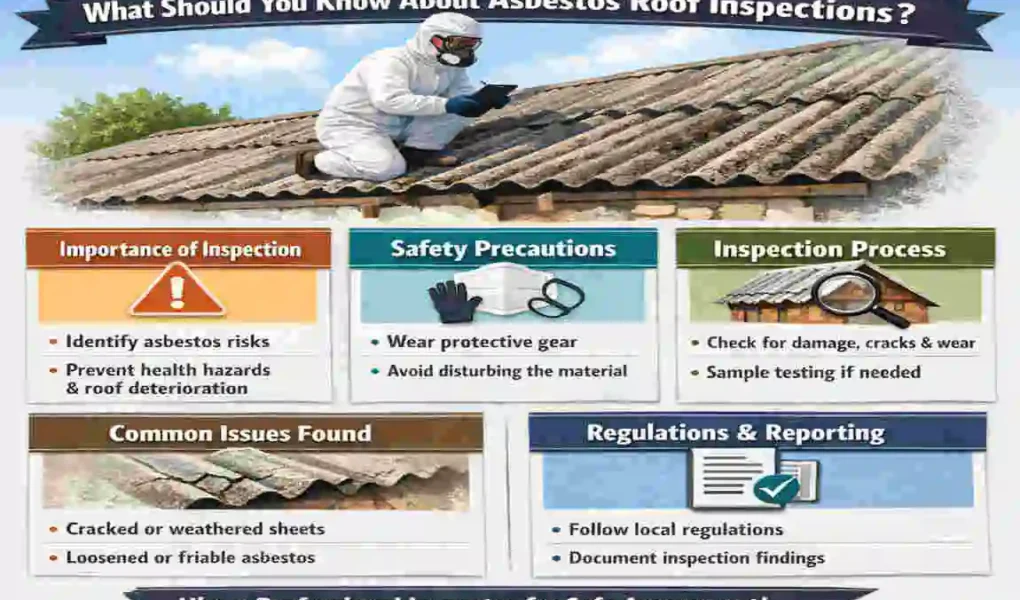
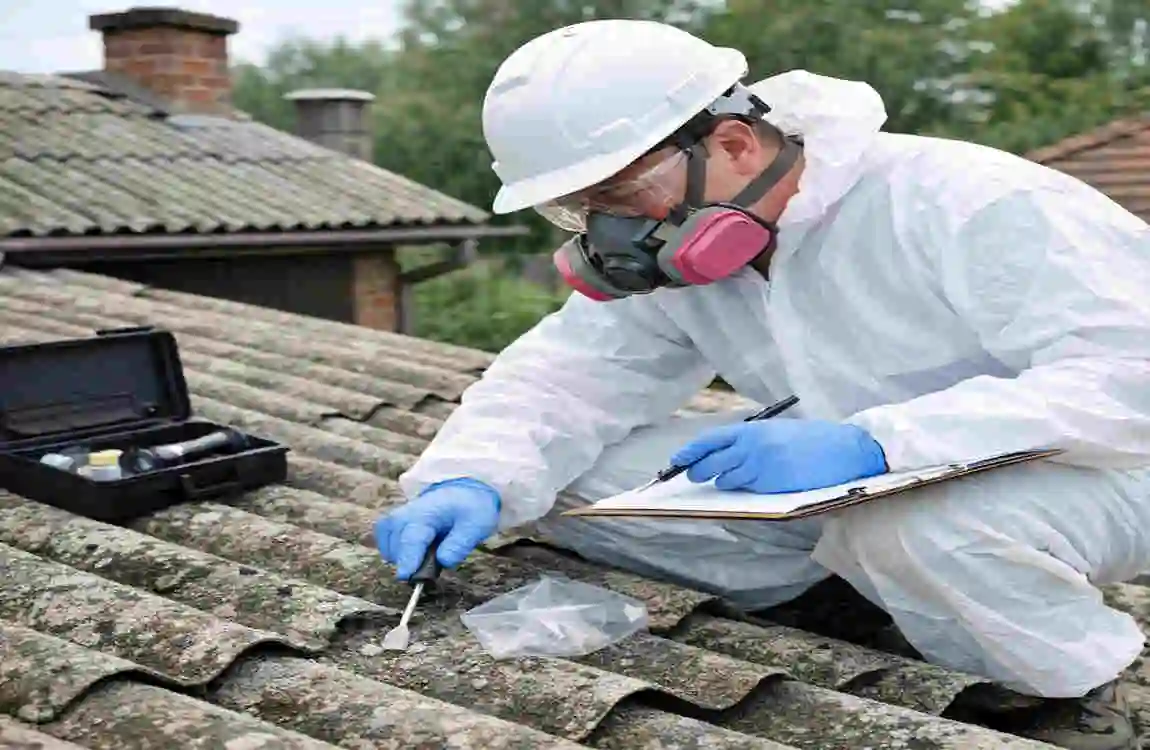
An asbestos roof inspection is a check carried out to determine whether a roof contains asbestos-containing materials. The inspector examines the roofing system, identifies suspicious materials, and determines whether testing is needed.
This is not the same as a quick visual guess. Some roofing products look similar, even when they are made from very different materials. That is why asbestos roof testing is often needed to confirm the result.
A proper inspection may include:
- A visual review of the roof
- Material identification
- Sample collection
- Lab testing
- A written inspection report
Why It Matters
An inspection matters because it helps protect people and property and ensures legal compliance.
It can help you:
- Protect health
- Avoid roof damage
- Plan renovations safely
- Meet local rules
- Prevent expensive mistakes
If you are dealing with an older roof, do not assume it is safe just because it looks fine from a distance.
Why Are Asbestos Roof Inspections Important?
Preventing Health Hazards
The main reason for an asbestos roof inspection is health safety. Asbestos becomes more dangerous when fibers are released into the air. This can happen when roofing is drilled, cut, broken, or heavily worn.
Breathing in asbestos fibers over time can lead to serious illness. The danger may not show up right away, which is why prevention matters so much.
Protecting Occupants
An inspection protects everyone who uses the building:
- Homeowners
- Children
- Employees
- Tenants
- Contractors
If the roof is disturbed during repairs, people inside and around the building may be exposed. A proper inspection reduces that risk.
Meeting Legal Requirements
Many places have rules for asbestos roof safety, especially for commercial buildings and renovation projects. Local authorities may require proper surveys, licensed handling, and safe disposal.
That means an inspection is not just a safety step. It can also help you stay within asbestos roof regulations.
Avoiding Expensive Repairs
When you know what you are dealing with early, you can plan better. You may only need monitoring, minor repair, or encapsulation instead of full removal.
That can save money and reduce stress later.
Where Is Asbestos Commonly Found in Roofing?
Corrugated Cement Roofing
This is one of the most common places to find asbestos. Older corrugated cement sheets were often made with asbestos fibers for strength.
They are usually found on:
- Sheds
- Garages
- Farm buildings
- Industrial roofs
Roof Shingles
Some older shingles were made with asbestos materials. They may look flat, gray, or textured, but appearance alone is not enough to confirm.
Roofing Felt
Roofing felt used in older systems may contain asbestos, especially in buildings from earlier decades.
Roof Panels
Pre-made roof panels in older commercial or utility buildings may also contain asbestos.
Flashing Materials, Gutters, and Downpipes
Asbestos was not only used in roof sheets. It may also appear in:
- Flashing
- Gutters
- Downpipes
- Sealants
- Backing materials
Because many products look alike, laboratory confirmation is necessary before you make any decisions.
Signs Your Roof May Contain Asbestos
Age of the Property
If the building was built or renovated when asbestos was widely used, the chance is higher. Older homes and commercial buildings deserve extra attention.
Roofing Material Appearance
Some asbestos materials look like old cement sheets or plain gray panels. But you should never rely on appearance alone.
Original Construction Documents
If you have old plans, permits, or building records, they may help show what materials were used.
Previous Renovation Records
Past roofing work may have replaced some parts but not others. Records can reveal what is still in place.
Warning Signs of Deterioration
Look for:
- Cracks
- Broken sheets
- Surface erosion
- Moss growth
- Weather damage
If the roof is damaged, you should arrange an inspection quickly.
How Does an Asbestos Roof Inspection Work?
Initial Property Assessment
The inspector starts by learning about the building’s age, use, and renovation history. This helps them focus on areas where asbestos is more likely to be present.
Visual Roof Inspection
Next comes a careful visual review. The inspector checks the roof from a safe position and looks for suspicious materials or signs of damage.
They will usually avoid disturbing the roof unless sampling is required.
Material Identification
The inspector compares the roofing material to known asbestos products. This is only a first step. It cannot always confirm the presence of asbestos on its own.
Sample Collection
If needed, the inspector removes a small sample using safe methods and protective equipment. This step should never be done casually by a homeowner.
Laboratory Testing
The sample goes to a certified lab for asbestos roof testing. This is the most reliable way to confirm whether asbestos is present.
Inspection Report
After testing, the inspector gives you a report. It may include:
- Material location
- Test results
- Condition of the roof
- Risk level
- Suggested next steps
A good asbestos inspection report is useful for planning repairs, insurance, or property sale decisions.
Who Should Perform an Asbestos Roof Inspection?
Licensed Asbestos Inspectors
A licensed asbestos inspector is the best choice. They know how to identify risky materials and follow safe procedures.
Environmental Consultants
These professionals often handle broader building safety issues. They can work with you on surveys and next steps.
Industrial Hygienists
Industrial hygienists study environmental health risks. They are often involved in testing and exposure control.
Roofing Professionals
A roofer may notice signs of asbestos, but they should not replace a certified inspector unless they have the right training and approval.
DIY inspections are risky because disturbing asbestos can create exposure. When in doubt, call a professional.
How Much Does an Asbestos Roof Inspection Cost?
Costs vary based on the roof size, access, number of samples, and whether lab testing is included.
Property Type Average Inspection CostLab TestingEstimated Time
Small Home $$ Included/Extra 1–2 Hours
Medium Home $$ Included/Extra 2–3 Hours
Large House $$$ Included/Extra Half Day
Commercial Building $$$$ Usually Required 1 Day+
What Affects the Price?
A few common cost factors are:
- Roof accessibility
- Property size
- Number of samples
- Location
- Travel time
- Inspection urgency
A simple roof may cost less, while a large commercial building may need more time and testing.
What Happens If Asbestos Is Found?
Leave It Undisturbed
If the roof is in good condition, one option may be to leave it alone and monitor it. This is often safer than disturbing it.
Roof Encapsulation
Encapsulation means sealing the material so fibers are less likely to escape. This can work when the roof is stable but aging.
Roof Repairs
Trained professionals may sometimes repair small damage. This should only happen under a proper safety plan.
Full Roof Replacement
If the roof is badly damaged, replacement may be the best choice. This is a bigger project, but it can remove long-term risk.
Professional Asbestos Removal
If removal is needed, it must be done carefully by trained workers. Safe disposal and clearance testing are important parts of the process.
Never treat asbestos roof removal as a normal DIY project.
Safety Tips During an Asbestos Roof Inspection
- Never pressure wash asbestos roofing
- Do not drill or cut it
- Stay away from damaged sections
- Restrict roof access
- Wear proper PPE if advised
- Follow the inspector’s instructions
The main idea is simple: do not disturb the material unless trained professionals tell you it is safe to do so.
How Often Should an Asbestos Roof Be Inspected?
Older buildings should be checked regularly, especially if the roof is still in use.
In general:
- Residential properties: every few years or after visible damage
- Commercial buildings: more often, depending on use and regulations
- Schools and industrial sites: regularly and under strict safety rules
You should arrange an immediate inspection after:
- Storm damage
- Leaks
- Renovation planning
- Property sale
- Broken roofing sheets
Common Mistakes to Avoid
Here are the most common errors people make:
- Assuming every old roof has asbestos
- Ignoring roof damage
- Trying DIY removal
- Skipping laboratory testing
- Hiring unlicensed contractors
- Delaying inspections
- Throwing asbestos waste away the wrong way
Avoiding these mistakes can save money and reduce health risk.
Benefits of Regular Asbestos Roof Inspections
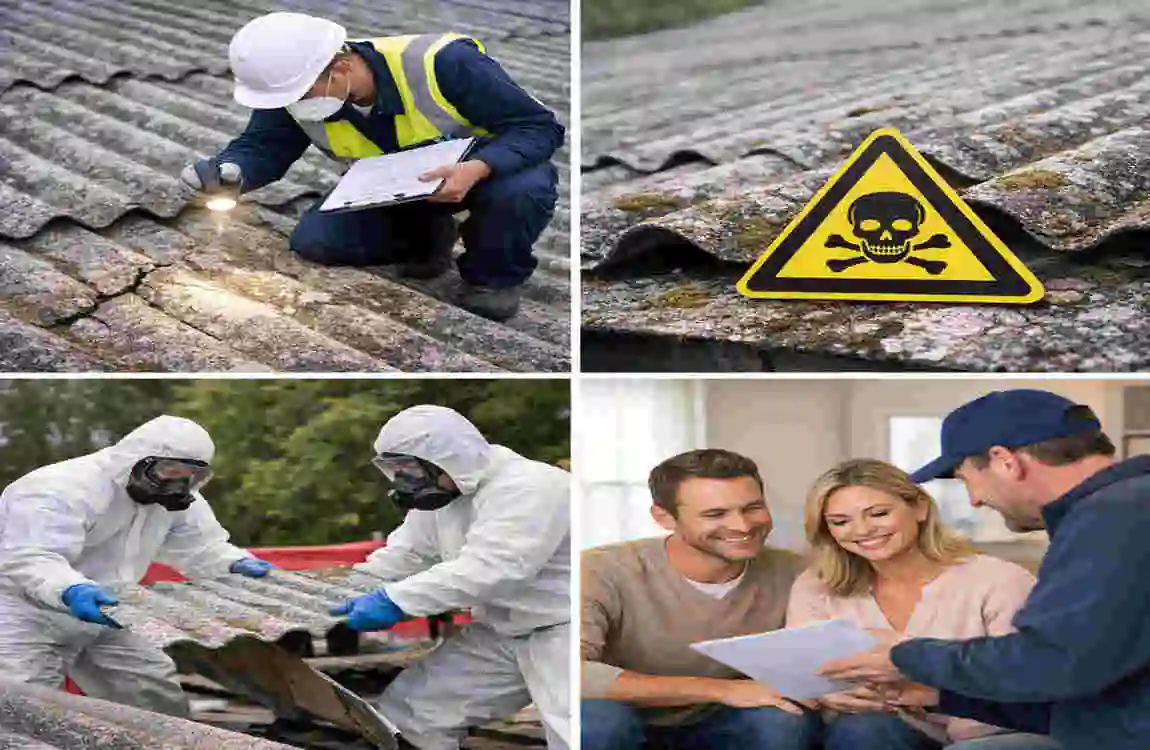
Regular inspections offer real value.
They help:
- Protect health
- Prevent contamination
- Support insurance claims
- Save repair costs
- Improve property value
- Guide renovation planning
- Keep you compliant
If you own an older property, this is one safety step that is worth taking seriously.
Frequently Asked Questions
Can you visually identify asbestos roofing?
Sometimes you can suspect it, but you cannot confirm it by sight alone. Lab testing is the safest way to know.
Is it safe to walk on an asbestos roof?
No, not unless a trained professional says it is safe. Walking on it can break the material and release fibers.
How long does an asbestos roof inspection take?
A small home may take 1 to 2 hours. Larger or more complex buildings take longer.
Does every old roof contain asbestos?
No. Old age alone does not mean asbestos is present. That is why inspection and testing matter.
Can asbestos roofing be repaired instead of replaced?
Yes, sometimes. If the roof is stable, professionals may recommend repair or encapsulation instead of full removal.
Is asbestos roof inspection required before selling a house?
Not always, but it is often a smart step, especially if the Home is older or the roof looks damaged.
What should I do if asbestos is confirmed?
Do not disturb it. Get advice from a licensed asbestos professional about repair, encapsulation, or removal.
How much does laboratory testing cost?
It depends on location and the number of samples, but lab testing is usually priced separately or added into the inspection package.
| Topic | Information |
|---|---|
| Purpose | To identify whether roofing materials contain asbestos and assess their condition. |
| When Needed | Before roof repairs, renovations, demolition, or property purchase—especially for buildings constructed before the 1990s. |
| Who Should Inspect | A licensed asbestos inspector or certified environmental professional. |
| Inspection Process | Includes a visual assessment, material sampling (if necessary), and laboratory testing. |
| Common Roofing Materials | Asbestos cement sheets, roof shingles, corrugated panels, roof tiles, and flashing. |
| Health Risks | Damaged asbestos can release fibers that may cause serious lung diseases if inhaled. |
| Signs of Damage | Cracks, weathering, broken sheets, loose fibers, moss growth, or deteriorating surfaces. |
| Inspection Cost | Typically ranges from $200–$800, depending on the property’s size and inspection scope. |
| After Inspection | Results may recommend monitoring, encapsulation, repair, or professional asbestos removal. |
| Safety Tip | Never drill, cut, pressure wash, or disturb suspected asbestos roofing materials yourself. |
Related Posts