Your roof does a big job every single day. It keeps rain out, helps control indoor temperature, and protects everything inside your home. When it stays in good shape, you often do not think about it much. But when damage starts, even a small issue can turn into a costly problem fast.
That is why it is so important to know when to repair your roof. If you wait too long, a small leak can spread, water can damage ceilings and walls, and mold can begin to grow. What starts as a simple fix can become a much larger repair later.
Many roof problems begin quietly. You may notice a few missing shingles, a stain on the ceiling, or a higher energy bill. These signs may seem small at first, but they often point to deeper trouble. The sooner you act, the better you can protect your home and your budget.
What Does Roof Repair Mean?
Understanding Roof Repairs
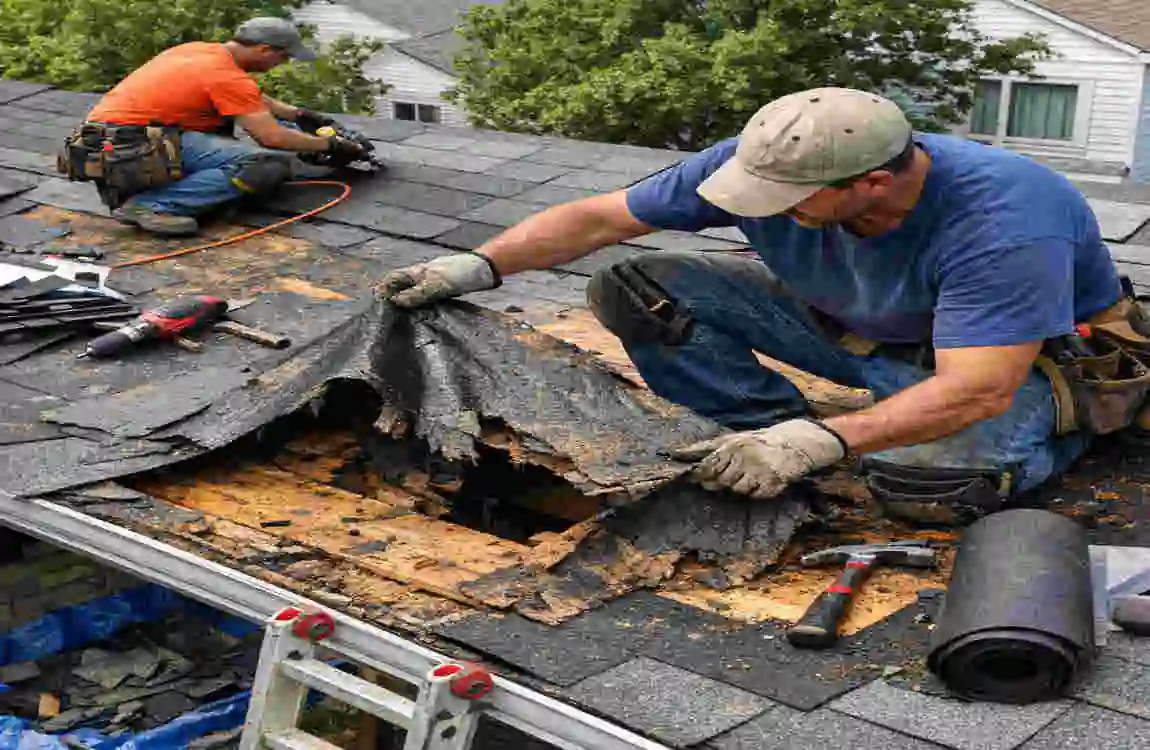
Roof repair means fixing damaged parts of your roof without replacing the whole thing. It may involve patching a leak, replacing shingles, sealing flashing, or repairing small weak spots. In simple terms, roof repair is about preventing damage from spreading.
A roof repair is different from a roof replacement. Repair is usually the better choice when the damage is limited to one area. Replacement is more likely when the roof is old or badly worn across a large section.
Why Regular Maintenance Matters
A roof needs regular care, just like any other part of your home. Small cracks, loose shingles, and clogged gutters can cause bigger issues if you ignore them. Regular maintenance helps you catch problems early, which often means lower repair costs and less stress.
Benefits of Timely Roof Repairs
Timely repairs give you several clear benefits:
- They help prevent water damage
- They can extend the life of your roof
- They support better energy efficiency
- They protect your home’s value
When you fix problems early, you also reduce the chance of emergency repairs later. That alone can save a lot of money and worry.
When to Repair Your Roof: Top Warning Signs
Missing or Damaged Shingles
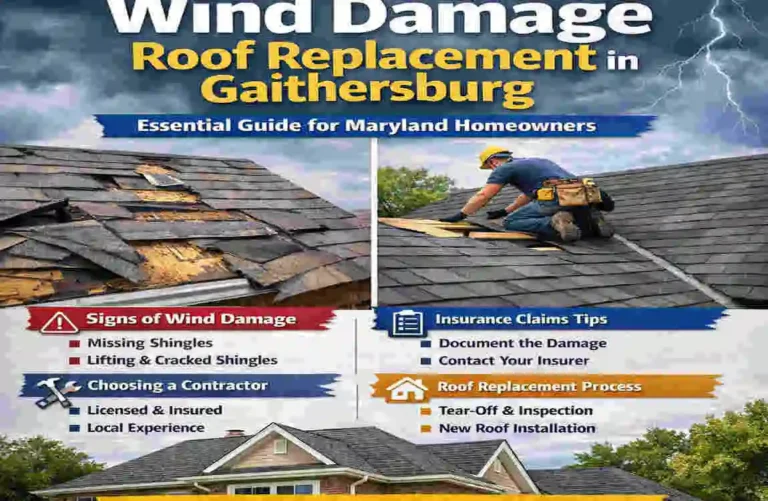
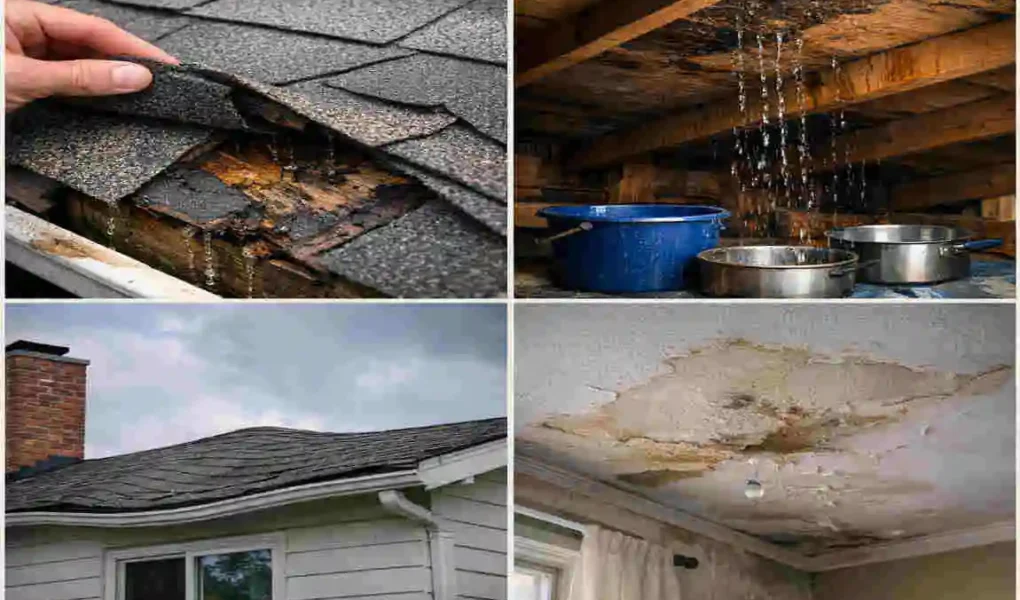
Shingles are your roof‘s outer shield. If they are cracked, curling, broken, or missing, your roof becomes more exposed to wind and rain. Even a small missing section can allow water to get beneath the surface.
If you see shingles on the ground after a storm, that is a clear sign to check your roof. Damaged shingles often indicate the roof is aging or has sustained storm damage. Do not wait too long, because exposed areas can lead to leaks and rot.
Roof Leaks and Water Stains
One of the most obvious signs of trouble is a leak. You may notice dripping water, wet spots, or stains on the ceiling and walls. Sometimes the leak is small and hard to find, but the damage can still be serious.
Water stains should never be ignored. They often mean water is getting inside where it should not. Over time, this can lead to mold, mildew, peeling paint, and damaged insulation. If you spot stains, it is a strong clue that it is time to repair your roof.
Sagging Roof Areas
A sagging roof is a major warning sign. It may look like a dip, a curve, or an uneven area along the roofline. This can indicate structural damage, trapped moisture, or weakened support beneath.
If you notice sagging, treat it as urgent. This is not usually a problem you can put off. A sagging area may indicate that the roof structure is under pressure and could worsen quickly. In this case, professional help is important right away.
Granules in Gutters
If you have asphalt shingles, you may find small granules in your gutters or downspouts. These granules help protect the shingles from sun damage. When they start coming off in large amounts, it often means the shingles are wearing out.
A few granules are normal, especially on a newer roof. But if you keep seeing a lot of them, your roof may be aging and losing its protective layer. That is a good time to consider repairing your roof before damage becomes more widespread.
Higher Energy Bills
Your roof also helps control the temperature inside your home. If it is damaged, your home may lose heat in winter and cool air in summer. That can make your heating and cooling system work harder.
If your energy bills rise without a clear reason, your roof may be part of the problem. Damaged roofing, weak insulation, or poor ventilation can all affect energy use. Roof repairs can sometimes improve comfort and lower monthly costs.
Moss, Mold, or Algae Growth
Green or dark patches on your roof may not look serious at first, but they can point to moisture problems. Moss holds water against the roof surface, which can slowly damage shingles. Mold and algae can also spread when moisture lingers too long.
If growth keeps returning, your roof may be holding too much moisture. That can shorten its life and cause it to wear out faster. Cleaning may help in some cases, but persistent growth can mean repair is needed.
Damaged Flashing
Flashing is the thin metal material placed around chimneys, vents, skylights, and roof edges. Its job is to block water from slipping into weak spots. When flashing bends, rusts, cracks, or comes loose, leaks often follow.
Because flashing protects some of the most leak-prone areas, damage here should not be ignored. If water is entering around a chimney or vent, flashing repair may be the answer. This is one of the most common reasons homeowners consider when deciding whether to repair their roofs.
How Roof Age Affects Repair Decisions
Roof Lifespan by Material
Different roofing materials last for different lengths of time. Here is a simple guide:
Roof MaterialTypical LifespanNotes
Asphalt shingles 15–30 years Common and affordable, but wear faster than some materials.
Metal roofing 40–70 years Durable and long-lasting with good maintenance
Tile roofs 50+ years Strong, but repairs may be more specialized
Slate roofs 75–100+ years Very long-lasting, but often costly to repair
Age-Related Issues
As a roof gets older, it becomes more likely to crack, leak, and lose strength. Sun, wind, rain, and temperature changes slowly wear it down. Even if the damage looks small, age can weaken the whole roof.
A newer roof with one damaged section is often worth repairing. An older roof with many problem areas may be better suited for replacement. Age matters because it helps you judge whether a repair will truly solve the issue or only delay a bigger one.
Seasonal Factors: Best Time to Repair a Roof
Spring Roof Repairs
Spring is a good time to check for damage left behind by winter weather. Snow, ice, and freezing temperatures can loosen shingles and create hidden leaks. Repairing problems in spring helps you get ahead of summer storms.
Summer Repairs
Summer usually gives roofers better working conditions. Dry weather and longer daylight hours can make repairs easier and faster. This is often a practical time to handle non-emergency fixes.
Fall Maintenance
Fall is an important season for roof care. It is the best time to prepare your roof for rain, wind, and colder weather. Clearing debris and fixing small issues before winter can prevent bigger trouble later.
Emergency Winter Repairs
Some roof problems cannot wait for warmer weather. If you have active leaks, major storm damage, or unsafe sagging, emergency repair may be needed in winter. Safety should always come first.
Risks of Ignoring Roof Repairs
If you delay repairs, the problem usually grows. A small leak can turn into a large water issue. Wet insulation can lose effectiveness. Wood framing can weaken. Mold can spread.
Ignoring roof damage can also invite pests. Birds, insects, or even small animals may enter through weak spots. Over time, this can lead to more damage and higher costs.
There is also a money side to this. What may have been a small fix can turn into a major repair or full replacement if you wait too long. Your home’s value can also drop if the roof looks neglected.
How to Know Whether Repair or Replacement Is Better
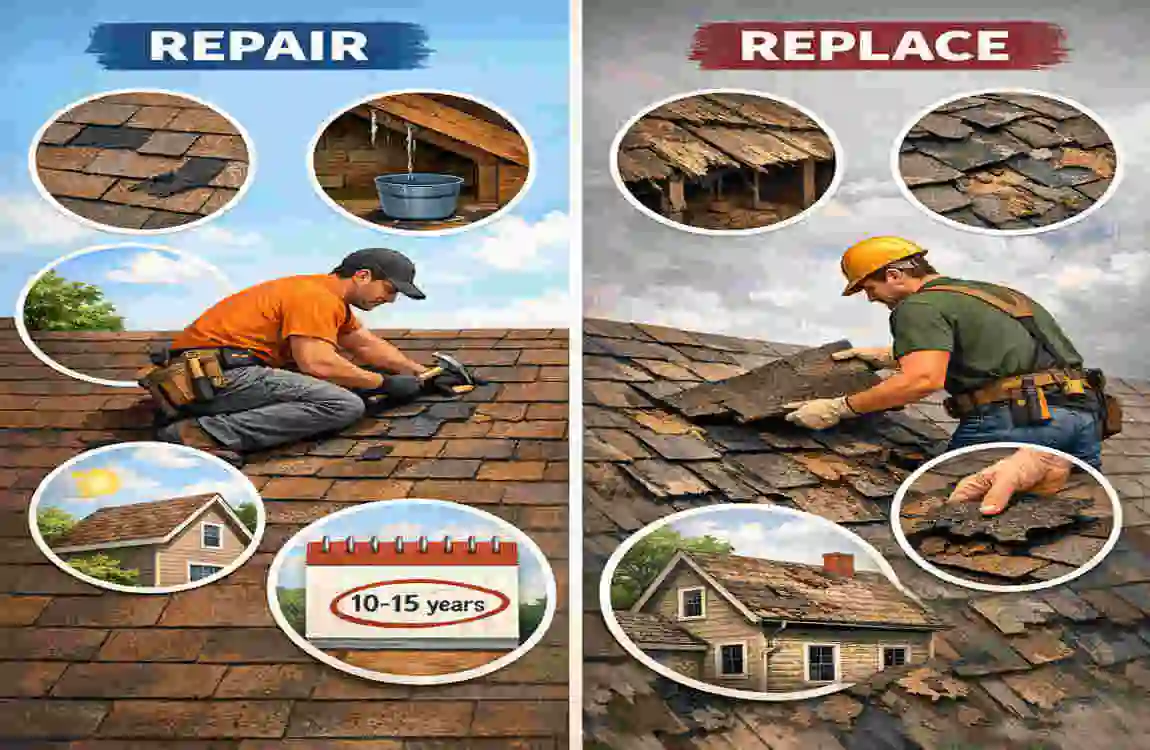
Repair Is Best When:
- The damage is limited to one area
- The roof is still fairly new
- The repair cost is reasonable
Replacement May Be Better When:
- Damage is widespread
- The roof is near the end of its life
- You keep paying for repeated repairs
If you are unsure, a roof inspection can help you compare both options. Sometimes a repair is enough. Other times, replacement is the smarter long-term choice.
Tips to Prevent Major Roof Damage
A little care goes a long way. You do not need to wait for visible damage before acting.
- Schedule a roof inspection once a year
- Clean gutters regularly
- Remove leaves and branches from the roof
- Trim tree limbs that hang over the house
- Fix small problems quickly
- Use qualified roofing professionals for repairs
These simple steps can help your roof last longer and reduce surprise expenses.
Frequently Asked Questions
When should you repair your roof?
You should repair your roof when you notice leaks, missing shingles, sagging areas, damaged flashing, or signs of water damage.
How often should a roof be inspected?
Most experts recommend a professional roof inspection at least once a year and after severe storms.
Can a small roof leak become a major problem?
Yes. Even a small leak can lead to mold growth, structural damage, and expensive repairs if it is not fixed early.
Is repairing a roof cheaper than replacing it?
In many cases, yes. Timely repairs usually cost much less than a full roof replacement.
How long can roof repairs extend a roof’s lifespan?
Proper maintenance and quick repairs can add several years to your roof’s life and improve overall protection.
| Sign or Condition | When to Consider Roof Repairs |
|---|---|
| Roof Age | Roof is under 10–15 years old (especially under 10 years) and damage is minor |
| Localized Damage | Only small, isolated issues like cracked shingles, minor leaks, loose flashing, or a few missing shingles |
| No Major Leaks | No recurring leaks, large water stains, or significant interior water damage |
| Shingle Condition | Shingles are mostly intact; curling, cracking, or granule loss is limited to small areas |
| Roof Structure | No sagging areas, no cracked/bending/decaying roof deck, and no structural compromise |
| Budget | You need a lower-cost, immediate fix and don’t want to invest in full replacement yet |
| Long-Term Plans | You plan to sell soon or don’t intend to stay in the home long enough to justify replacement |
Related Posts