If you own a home in Central Florida, you already know that the weather can be tough on your roof. Heat, humidity, heavy rain, strong sun, and sudden storms all work together to wear down roofing materials faster than many homeowners expect. That is why Apopka roof sealing is such an important part of home maintenance.
In a place like Apopka, a roof does not just sit there and look nice. It has to fight against UV rays, moisture, wind-driven rain, and seasonal storms.
Roof sealing gives your home an extra layer of protection. It helps block water, slow down wear, and reduce heat transfer into the house. That means your indoor spaces stay more comfortable, your cooling system works less, and your roof may last longer overall. For many homeowners, that makes roof sealing a smart investment rather than just another maintenance job.
Understanding Roof Sealing
What roof sealing actually means
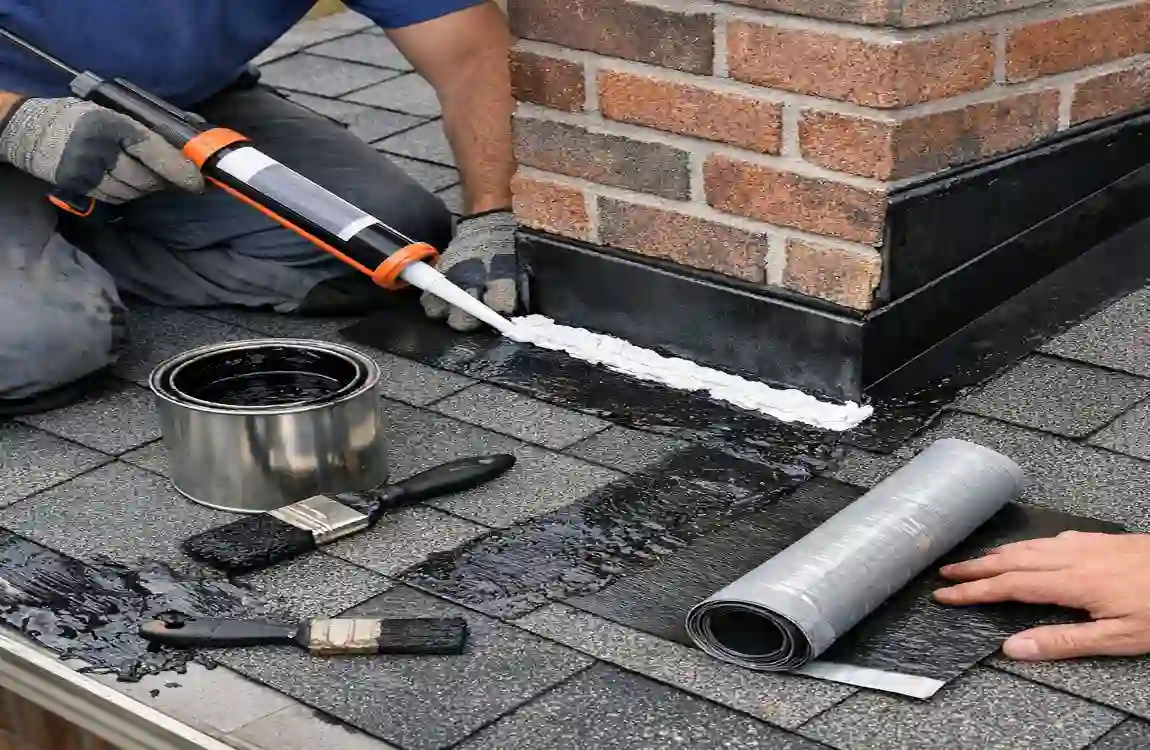
Roof sealing is the process of applying a protective layer or sealant to your roof surface, joints, flashing, or weak spots. The goal is to prevent water from entering and protect the roof from weather damage.
Think of it like giving your roof a raincoat. It does not replace the roof itself, but it helps the roof do its job better. A properly sealed roof is better prepared to handle heavy rain, sun exposure, and small cracks that may develop over time.
Sealing is especially useful when a roof is still in decent condition but needs protection from future damage. It is not always a full replacement. In many cases, it is a practical way to extend the life of your existing roof.
Roof sealing vs roof coating vs roof waterproofing
These three terms often get mixed up, but they are not the same.
Roof sealing usually refers to covering weak points, seams, or the full roof with a protective product to block moisture and reduce damage.
Roof coating is often a broader protective layer spread across the roof surface. It may help with waterproofing, UV protection, and reflectivity.
Roof waterproofing usually focuses on making the roof as water-resistant as possible, often through a more comprehensive system of materials and treatments.
In real life, homeowners often use these terms loosely. What matters most is whether the product and method match your roof’s needs.
How roof sealing works on different roofing materials
Not every roof reacts the same way to sealants.
- Shingle roofs may need sealing around vulnerable areas, such as flashing, edges, or older shingles.
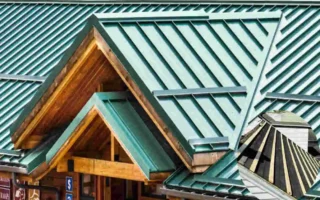
- Metal roofs often benefit from seam and fastener sealing because expansion and contraction can loosen joints over time.
- Tile roofs may need sealing around cracks, underlayment areas, and joints where water can slip through.
The right sealing method depends on the roof’s surface, age, and the type of damage or exposure it has experienced.
Why sealing is especially important in Florida weather
Florida weather creates a tough environment for roofs. The combination of heat, storms, humidity, and strong sunlight can wear materials down quickly. Roof sealing helps slow that process and provides the roof with more protection between major repairs or replacements.
Signs your roof may already need sealing.
If you notice water stains, missing shingles, or attic moisture, the roof may already be telling you it needs attention. A roof does not always fail loudly. Sometimes it gives small warnings first.
Why Apopka Homes Need Roof Sealing More Than Others
Climate conditions in Apopka
Apopka sits in a region where roofs experience significant stress year-round. The weather can shift fast, and roofs must handle hot afternoons, heavy rain, humidity, and storm seasons.
This constant weather pressure means roof materials do not get much of a break. Even a roof that looks fine from the ground may have hidden wear that only shows up later.
UV exposure damage to roofing materials
Sunlight may seem harmless at first, but over time, UV rays can dry out materials, weaken protective surfaces, and make shingles or coatings brittle. In Florida, the sun is intense enough to speed up roof aging.
That is one reason Apopka roof sealing can make such a difference. It adds a layer of defense between the roof and the sun.
Moisture buildup and mold risks
Humidity is another major problem. When moisture enters small cracks or weak spots, it can become trapped in roof layers, attic spaces, or insulation. That trapped moisture may lead to mold, mildew, wood rot, or damage to insulation.
Once that starts, the repair cost can rise quickly.
Storm-related wear and tear
Apopka homes also have to deal with sudden rainstorms and occasional high winds. Even if a storm does not cause obvious damage, it can loosen flashing, shift shingles, or push water into tiny openings in the roof.
Those small issues may not seem serious on day one, but over time they create bigger problems.
Energy efficiency challenges in hot climates
In hot weather, the roof plays a major role in keeping your home cool. If the roof is not properly sealed, heat can enter more easily, and your AC system has to work harder. That leads to higher energy use and more wear on your cooling equipment.
How roof sealing reduces long-term maintenance costs
A sealed roof is usually better protected against damage that would otherwise lead to repairs. That means fewer emergency calls, fewer leak-related repairs, and more time before you need major roof work. For many homeowners, that is one of the biggest reasons to consider Apopka roof sealing.
Signs Your Roof Needs Sealing
Water leaks or ceiling stains
One of the clearest warning signs is water coming into the house. You may see stains on the ceiling, damp spots on walls, or dripping after a storm. Even a small stain can point to a larger issue above the ceiling.
Missing or curling shingles
If shingles are missing, bent, cracked, or curling at the edges, water can get underneath them more easily. That is often a sign the roof needs sealing or repair.
Visible cracks or gaps in roofing material
Look for cracks around seams, flashing, vents, skylights, or edges. These are common places where water enters first.
Increased indoor temperature
If your home feels hotter than usual, the roof may be letting more heat in than it should. A weak roof surface can affect indoor comfort and raise cooling costs.
Mold or mildew in attic space
A musty smell in the attic can mean moisture is getting in somewhere. That often means the roof needs closer inspection.
Aging roof
If your roof is 10 years old or more, it may be time to consider sealing, especially if it has not been maintained regularly.
Higher energy bills
If your bills are climbing without a clear reason, poor roof performance may be part of the problem. A sealed roof can sometimes help improve energy efficiency.
Types of Roof Sealants Used in Apopka
Different sealants work better for different roofs. Choosing the right one matters because Florida weather is demanding.
Sealant TypeBest ForMain BenefitsPossible Drawbacks
Acrylic Coatings Sloped and flat roofs Reflect sunlight, easy to apply, budget-friendly Less durable in standing water
Silicone Sealants Flat roofs, low-slope areas Great water resistance, good for ponding water Can be harder to recoat later
Polyurethane Coatings High-wear areas, strong protection needs Tough, flexible, durable Often more expensive
Asphalt-Based Sealants Older roofs, patching needs Familiar, strong adhesion, useful for repairs Can be less reflective and less eco-friendly
Acrylic roof coatings
Acrylic coatings are popular because they are reflective and can help reduce heat buildup. They are often used on roofs that get strong sunlight, which makes them useful for Florida homes.
They are usually easier to apply and cost less than some other options. However, they may not hold up as well in areas where water pools for long periods.
Silicone roof sealants
Silicone sealants are moisture-resistant and often a good choice for flat roofs or areas that collect water. They can be very effective in wet climates.
The main tradeoff is that silicone can be harder to work with if you need future coatings or repairs.
Polyurethane coatings
Polyurethane products tend to be durable and flexible, which makes them a strong choice for areas that experience movement, wear, or heavy exposure.
They often cost more, but they can provide excellent protection when applied correctly.
Asphalt-based sealants
Asphalt-based sealants are often used for patching, quick fixes, and some older roof types. They can perform well in certain situations, especially when you need a strong bond.
The downside is that they are not always the best fit for heat-reflective goals.
Which sealant works best for Florida weather?
There is no single perfect answer, but many Apopka homeowners prefer reflective acrylic coatings for sun control and silicone sealants for water resistance. The best choice depends on your roof type, slope, age, and condition.
If you are planning Apopka roof sealing, it is smart to match the product to your roof’s actual conditions rather than just picking the cheapest option.
Tools and Materials Needed for Roof Sealing
Before you start, make sure you have the right gear. Roof work is not something to rush.
Safety equipment
- Harness
- Gloves
- Non-slip shoes
- Safety glasses
- Ladder stabilizer
Cleaning tools
- Broom
- Roof brush
- Pressure washer or hose, if suitable for your roof
Repair materials
- Roofing cement
- Patch kits
- Flashing repair supplies
- Sealant tape
Application tools
- Roller
- Brush
- Sprayer
- Paint tray
You also want to make sure the ladder is secure and that the roof is dry enough to work on safely.
Step-by-Step Guide to Sealing a Roof in Apopka
Roof inspection
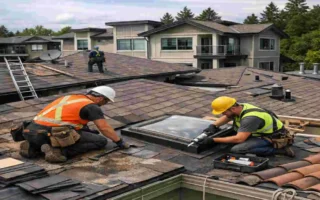
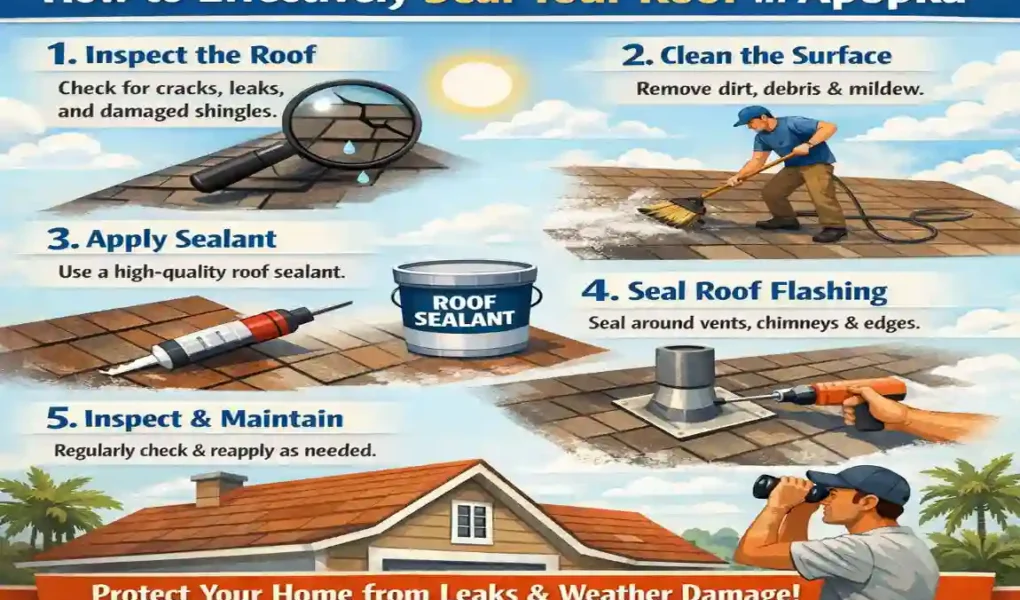
Start with a careful inspection. You want to know the condition of the roof before you seal it. Look for cracked shingles, loose flashing, damaged seams, rust spots, or soft areas.
This step matters because sealing over a bigger problem can hide damage instead of fixing it. You want to catch weak points early.
If possible, inspect the roof from both the outside and the attic. That gives you a better idea of where moisture may be entering.
Cleaning the roof surface
A roof must be clean before sealant is applied. Dust, leaves, moss, mold, and dirt can stop the sealant from sticking properly.
Use a broom or pressure washer, depending on your roof material. Be careful not to damage shingles or force water into weak spots.
A clean surface helps the sealant bond better and last longer. Skipping this step is one of the most common mistakes homeowners make.
Repairing existing damage
Before sealing, fix any damage you have already found. That may include replacing broken shingles, patching cracks, sealing joints, or repairing flashing.
If you leave damage in place, sealant may not solve the real problem. It might cover the area temporarily, but water can still find a way through if the structure underneath is weak.
Priming the roof if needed
Some roofs or sealants need a primer to improve adhesion. Primer helps the sealant adhere to the surface more effectively, especially if the surface is older or harder to bond.
Check the product directions carefully. Not every roof needs primer, but when it does, it can improve the final result.
Applying the roof sealant
Now it is time to apply the sealant. You may use a roller, brush, or sprayer depending on the product and the roof design.
Work in even layers. Do not rush. Uneven application can leave weak spots that fail later. For many products, two coats work better than one thick coat.
Focus extra attention on:
- Flashing
- Seams
- Roof edges
- Vent openings
- Cracks and patched areas
These are the places where leaks often begin.
Drying and curing process
Sealant needs time to dry and cure. That can take hours or longer depending on the product and weather conditions.
The weather should be dry and mild. If rain is expected soon, wait until conditions improve. Humidity, heat, and moisture can affect how well the sealant sets.
Final inspection
After the sealant cures, inspect the roof again. Check for missed spots, thin areas, or areas where the coating did not fully cover.
This final look helps ensure the job is complete and the roof is ready for the weather again.
Simple sealing checklist
- Inspect the roof carefully
- Clean the surface
- Repair weak points
- Prime if needed
- Apply sealant evenly
- Let it cure fully
- Recheck coverage
Following this process gives your Apopka roof sealing project a much better chance of lasting.
DIY vs Professional Roof Sealing in Apopka
Advantages of DIY roof sealing
Doing it yourself can save money and give you more control over the project. If you have a small roof, basic repair needs, and good safety habits, DIY may be possible.
It can also be a good option if you already know how to handle roof maintenance.
Risks of DIY
Roof work is risky. Falling, slipping, or using the wrong product can create serious problems. You may also not spot hidden damage as a professional can.
Another issue is application quality. If the sealant is applied unevenly or over a dirty surface, the protection may not last.
Benefits of hiring professionals
A professional roofer brings experience, equipment, and better product knowledge. They can identify underlying problems, properly prepare the roof, and apply the sealant more evenly.
That often leads to a stronger, longer-lasting result.
When to call an expert
You should definitely call a professional if:
- Your roof is steep or hard to access
- You see leaks or storm damage
- The roof is older or heavily worn
- You are not comfortable working at height
- You need a large or complex sealing job
For many homeowners, professional roof sealing in Apopka is worth it because the roof is too important to leave to guesswork.
Cost of Roof Sealing in Apopka
Roof sealing costs can vary widely depending on size, materials, and labor.
Typical cost factors
- Roof size
- Roof material
- Sealant quality
- Labor charges
- Roof condition
- Accessibility
General cost range
Many roof sealing projects are priced by square foot. In Apopka, costs may vary widely depending on whether you are sealing a small repair area or coating a whole roof. A simple project may cost less, while a larger or more complex job will cost more.
If you are comparing DIY to professional work, remember that the cheapest option is not always the best value. A bad sealing job can lead to expensive repairs later.
Long-term savings
A proper seal can lower maintenance needs, reduce cooling loss, and help avoid water damage. That means the upfront cost may pay off over time.
Maintenance Tips After Roof Sealing
Inspect twice a year.
Check the roof at least twice a year, ideally before and after the rainy season.
Clean gutters and drainage systems
If gutters clog, water may back up and stress the roof edges. Clean drainage systems help the sealing job last longer.
Check after storms
After a strong storm, look for signs of lifted shingles, debris, or water intrusion.
Reapply sealant when needed.
Sealants do not last forever. Depending on product type and weather exposure, you may need touch-ups later.
Prevent future damage
- Trim nearby trees
- Keep the roof clean
- Watch for minor cracks
- Fix small problems early
A little routine care goes a long way.
Common Mistakes to Avoid
Here are a few mistakes that can ruin a sealing project:
- Applying sealant to a dirty roof
- Ignoring small cracks or weak spots
- Using the wrong sealant for the roof type
- Skipping safety gear
- Working in bad weather
- Not checking the roof after the job
- Assuming sealing replaces major repairs
Avoiding these mistakes can make your sealing project much more effective.
Benefits of Proper Roof Sealing

When done correctly, roof sealing can bring several strong benefits.
Extended roof lifespan
By protecting the surface and weak points, sealing may help your roof last longer before major repairs or replacement are needed.
Reduced energy bills
A sealed roof can help keep more heat outside, which may lower cooling costs in hot months.
Improved waterproofing
One of the biggest benefits is better protection against leaks and moisture intrusion.
Protection from UV damage
Sealant can help reduce the impact of strong sunlight on your roofing materials.
Increased property value
A well-maintained roof makes a home more attractive to buyers and inspectors.
Better indoor comfort
A stronger roof helps your home stay cooler, drier, and more comfortable.
Strong return on investment
For many homeowners, Apopka roof sealing is a practical upgrade that can save money over time and reduce stress during storm season.
FAQs About Apopka Roof Sealing
How often should I seal my roof in Apopka?
That depends on the roof type, sealant type, and weather exposure. Many homeowners have their roofs inspected regularly and resealed when signs of wear appear. Some roofs may need attention every few years, while others may last longer.
What is the best time of year for roof sealing?
The best time is usually during dry, mild weather. You want enough time for cleaning, application, and curing without rain getting in the way.
Can roof sealing stop leaks completely?
Roof sealing can help stop minor leaks and prevent new ones, but it is not a cure for every roofing problem. If the roof has major structural damage, sealing alone may not be enough.
How long does roof sealing last?
Lifespan depends on the sealant product, roof material, and local weather. Some sealants last several years, while others may need reapplication sooner.
Is roof sealing worth it for old roofs?
Sometimes yes, but not always. If the roof still has enough life left and the damage is manageable, sealing can help. If the roof is already failing badly, replacement may be the smarter choice.
Does sealing a roof make it completely waterproof?
It improves water resistance, but no roof system is perfect forever. Sealing helps protect against water entry, but regular inspection and maintenance still matter.
| Action | Purpose | Key Tip | |
|---|---|---|---|
| Inspect roof surface | Find cracks, leaks, and weak points | Focus on vents, flashing, and joints | |
| Clean the roof | Remove dirt, debris, and old sealant | Clean surface ensures strong adhesion | |
| Repair damage | Fix cracks, holes, or broken shingles | Do repairs before applying sealant | |
| Choose sealant | Select silicone, polyurethane, or roofing cement | Match sealant to roof type & weather conditions | |
| Apply sealant | Seal joints, edges, and penetrations | Use even, continuous beads for full coverage | |
| Smooth application | Press sealant into gaps | Prevents air pockets and water entry | |
| Double coat (if needed) | Strengthen waterproof layer | Let first coat dry before second layer | |
| Final inspection | Check missed spots | Especially around chimneys and vents |
Related Posts