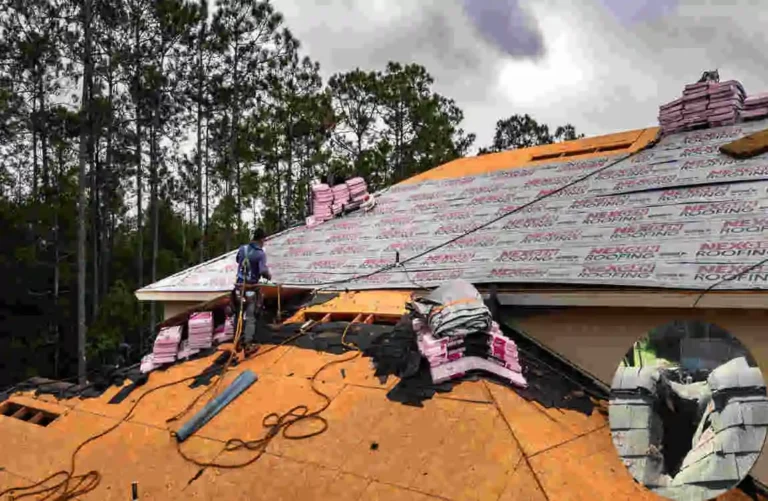
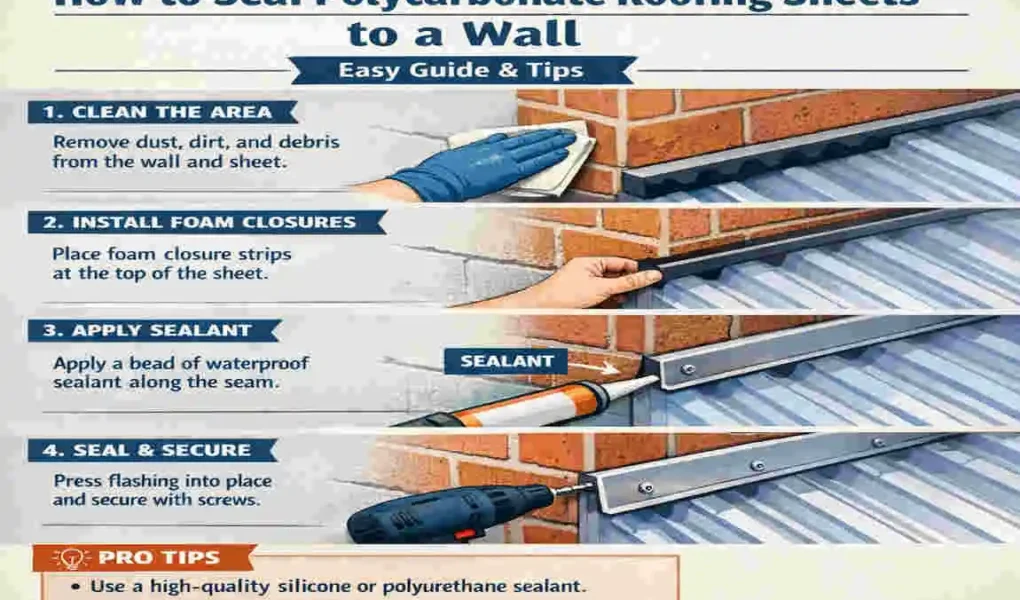
If you are learning how to seal polycarbonate roofing sheets to a wall, the main goal is simple: keep water out and let the roof move safely with temperature changes.
| Topic | Short Information |
|---|---|
| Wall Connection | Use a suitable wall flashing where the sheet meets the wall |
| Sealant | Apply exterior-grade, polycarbonate-compatible sealant |
| Flashing | Install flashing over the joint to help direct rainwater away |
| Sheet Edge | Keep the polycarbonate sheet properly aligned and supported |
| Fixings | Use appropriate roofing screws with sealing washers |
| Waterproofing | Seal gaps around screws, flashing, and sheet edges |
| Expansion | Allow room for polycarbonate sheets to expand and contract |
| Maintenance | Check the seal regularly for cracks, gaps, or loose flashing |
| Safety | Use proper equipment and avoid working on wet or unstable roofing |
Polycarbonate roofing is popular because it is light, strong, and lets in natural light. But the point where the roof meets the wall is a weak spot. If this joint is not sealed well, you may get leaks, drafts, dirt, and damp patches.
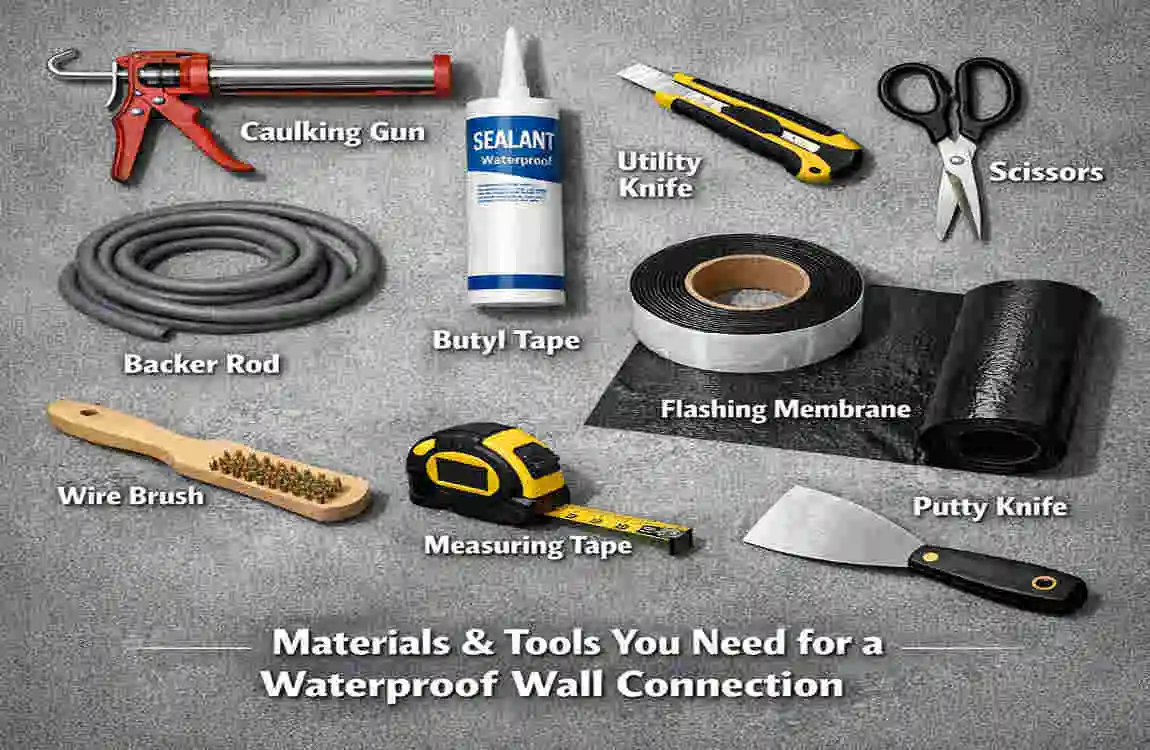
Materials and Tools You Need
Essential Materials
For a good seal, you will usually need:
- Exterior-grade roofing sealant
- Flashing or wall flashing
- Butyl tape
- EPDM or rubber sealing strips
- Polycarbonate-compatible sealant
- Closure strips or edge profiles if needed
Basic Tools
You will also need:
- Measuring tape
- Utility knife
- Caulking gun
- Drill or screwdriver
- Roofing screws with sealing washers
- Cleaning cloth
- Ladder and safety gear
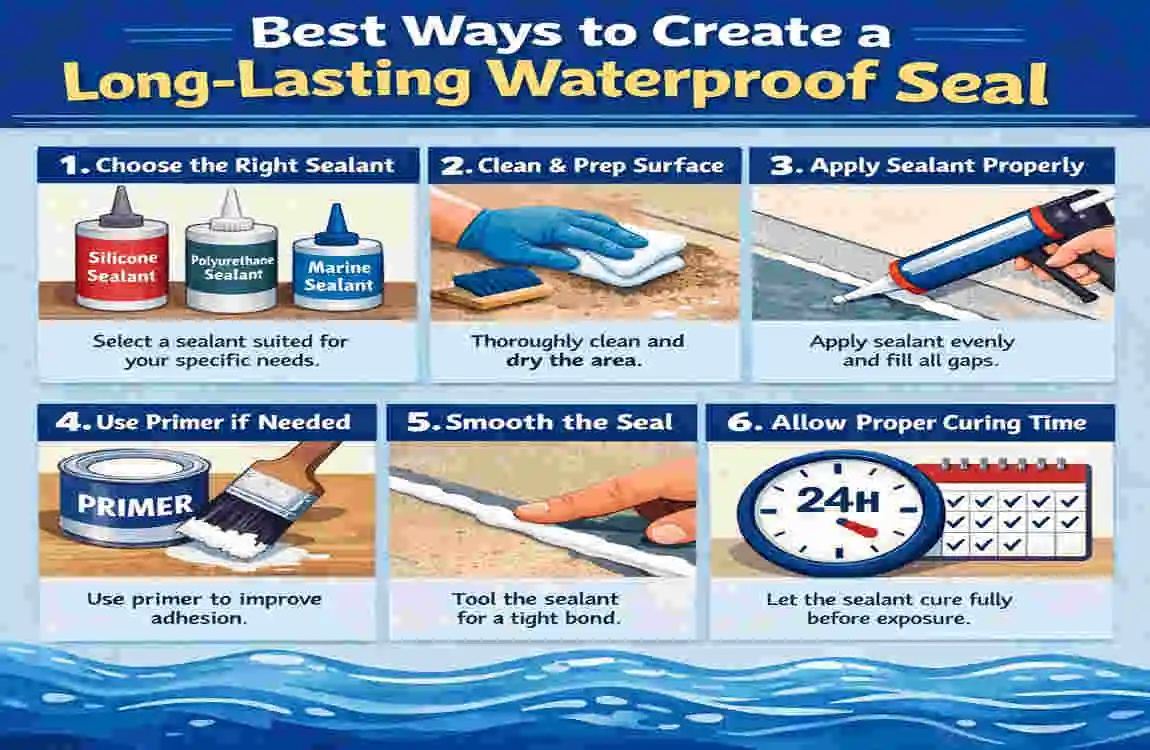
Choosing the Right Sealant
This part matters a lot. Not every sealant works well with polycarbonate.
Best practice: choose a sealant made for polycarbonate and outdoor use. Some products can react badly with the sheet and cause damage over time. In general:
- Butyl-based sealants are often great for waterproof sealing
- Silicone can work only if the product is approved for polycarbonate
- Polyurethane may be strong, but check compatibility first
Always look for UV resistance, weather resistance, and flexibility.
How to Seal Polycarbonate Roofing Sheets to a Wall
Inspect and Clean the Wall
Start by carefully checking the wall surface. Look for:
- Cracks
- Loose plaster or brick dust
- Moisture
- Old sealant
The area must be clean, dry, and solid before you begin. Dust and moisture can stop sealant from sticking properly.
Measure the Roof-to-Wall Joint
Measure the connection area so the sheets fit correctly. Polycarbonate expands and contracts with heat, so do not make the fit too tight.
Leave enough room for movement. This helps prevent:
- Cracking
- Warping
- Loose joints later on
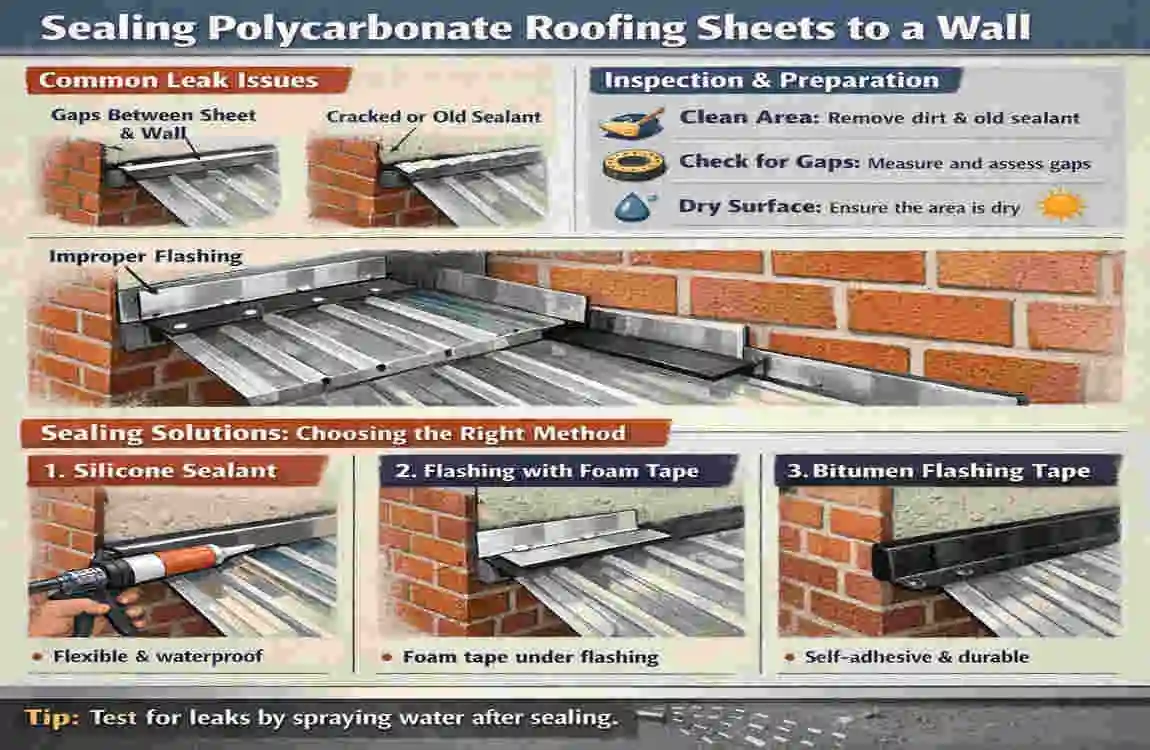
Install Flashing
Flashing is one of the most important parts of the job. It helps guide rainwater away from the wall joint instead of letting it seep in.
Place the flashing so it overlaps both the wall and the roofing sheet. Use suitable fixings, but do not overtighten them. Flashing works best when it sits securely and naturally directs water away.
Add Sealing Tape or Gasket
Use butyl tape or a rubber gasket where the sheets meet the wall or flashing. This creates an extra waterproof layer.
Be careful not to stretch the tape too much. Smooth it into place to form an even seal.
Apply Exterior Sealant
Now apply a continuous bead of sealant along the joint.
Keep these points in mind:
- Use a caulking gun for control
- Apply one steady line
- Fill gaps fully
- Smooth the bead neatly
Do not leave breaks in the seal. Even a small gap can let water in.
Fix the Sheets Properly
Use roofing screws with sealing washers to hold everything in place. Tighten them gently. If you overtighten, you can damage the sheet or crush the washer.
Also, make sure the sheets stay aligned and have space to move as the temperature changes.
Test the Seal
After the sealant has cured, check your work.
Look for:
- Gaps at the wall joint
- Loose flashing
- Water near fasteners
You can also do a controlled water test using a gentle hose spray. Do not blast the area with high pressure. You only need to check whether any water gets behind the seal.
Best Ways to Create a Long-Lasting Waterproof Seal
Use Flashing First, Sealant Second
Many people rely too much on caulk alone. That is not the best approach.
Flashing does the main job of moving water away. Sealant supports the flashing, not replacing it.
Allow for Thermal Movement
Polycarbonate changes size with heat and cold. If you lock it in too tightly, it may crack or lift.
Use:
- Flexible sealants
- Proper washers
- Correct edge profiles
This keeps the roof secure without stopping normal movement.
Seal Screw Points
Every screw hole can be a leak point. Check that the washers are in good shape and the screws are not too tight.
Keep the Area Clean
Dirt, leaves, and blocked gutters can cause water to sit near the wall joint. Over time, this weakens the seal.
Common Mistakes to Avoid
Using the Wrong Sealant
Some sealants can damage polycarbonate or fail outdoors. Always check compatibility before using one.
Relying Only on Caulk
Caulk alone usually is not enough for a strong roof-to-wall seal. Use flashing, tape, gasket, and sealant together when possible.
Installing on a Wet Surface
Wet or dusty surfaces reduce adhesion. Always clean and dry the area first.
Over-tightening Screws
Too much pressure can crack the sheet or damage sealing washers.
Ignoring Roof Slope
Water should naturally flow away from the wall. If the roof angle is wrong, water may collect near the joint and cause leaks.
Troubleshooting Leaks
If Water Still Leaks After Sealing
Do not just seal the visible drip. Find the real source first. Water can travel behind flashing before it appears inside.
Check:
- Flashing overlap
- Fasteners
- Sheet edges
- Sealant cracks
- Blocked drainage
When to Reseal or Replace
If the sealant is peeling, cracked, or shrinking, remove it and apply a new layer.
If the flashing is bent, corroded, or badly fitted, replacement is better than patching.
Quick Maintenance Checklist
Inspection AreaWhat to Check
Wall joint Cracks, gaps, or peeling sealant
Flashing Movement, rust, or poor overlap
Screws Loose or damaged fasteners
Sheet edges Open channels or edge damage
Drainage Blocked gutters or standing water
FAQ
How do you seal polycarbonate roofing sheets to a wall?
Use a mix of flashing, compatible sealing tape or gasket, and exterior-grade sealant. The flashing directs water away, and the sealant fills small gaps.
Do you need flashing where polycarbonate meets a wall?
Yes, flashing is usually the best protection. It helps keep rainwater from entering the wall joint.
Can you use silicone on polycarbonate roofing sheets?
Sometimes yes, but only if the product is safe for polycarbonate. Always check the label or manufacturer guidance.
How do you stop water leaking where a roof meets a wall?
Make sure the area has proper flashing, correct slope, good sealing, and tight but not over-tight fasteners.
Should polycarbonate roofing sheets touch the wall?
They should have enough space to allow movement. Do not force the sheet so tightly that it cannot expand or contract.
Related Posts