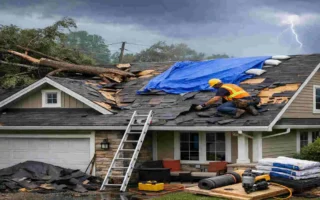
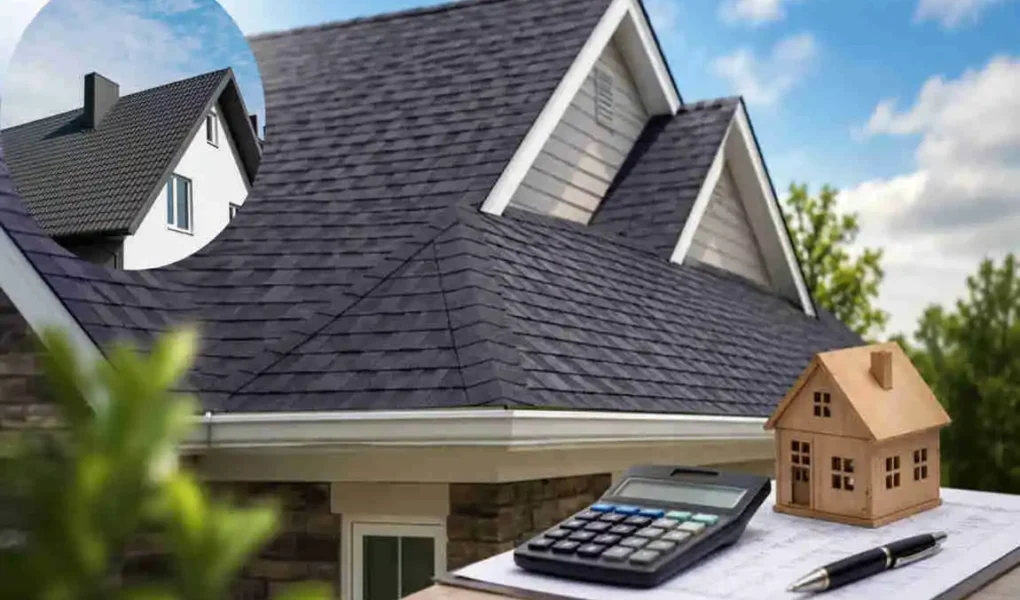
Replacing a roof is one of the biggest home improvement projects a homeowner may face. If you are wondering, “how much does a new roof cost?”, the answer depends on several factors, including roof size, roofing material, labor, roof design, location, and the condition of the existing roof.
A new roof can cost significantly more when the roof has a steep pitch, complicated sections, damaged decking, skylights, chimneys, or several layers of old roofing that need to be removed.
The best way to understand your actual new roof cost is to compare detailed estimates that include materials, labor, removal, disposal, repairs, and warranties.
How Much Does a New Roof Cost on Average?
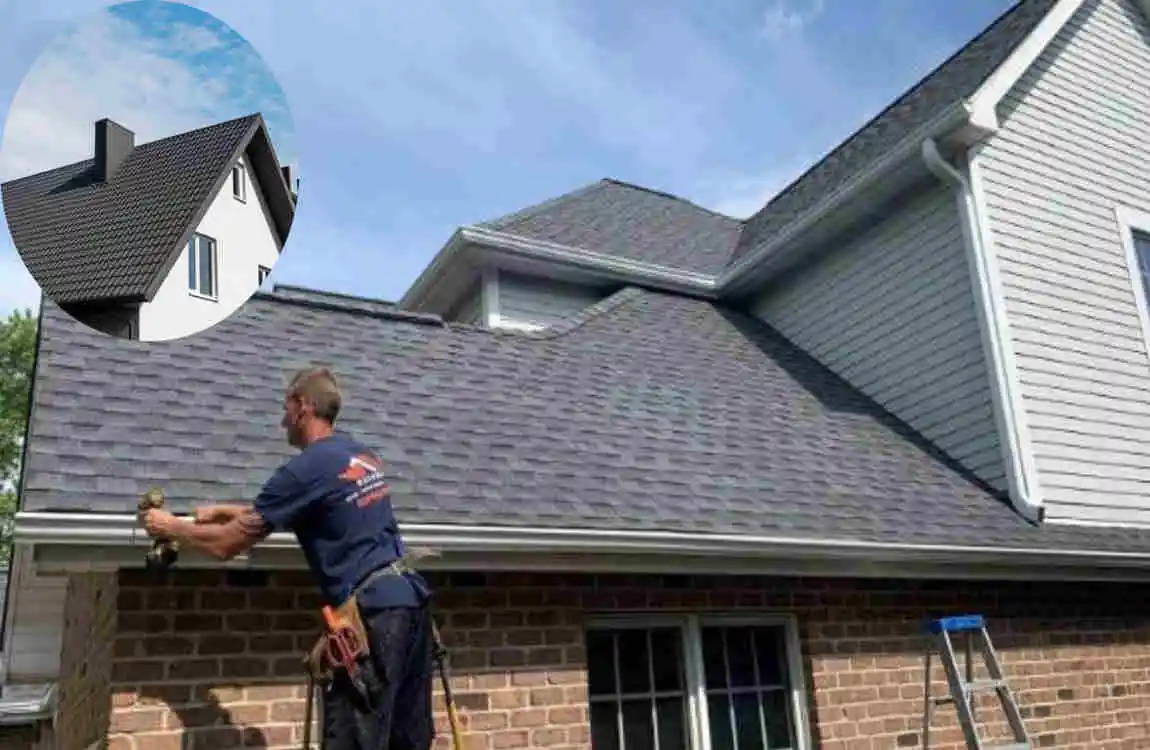
There is no single price that applies to every house. A small, simple roof using asphalt shingles may cost much less than a large, complex roof made from premium materials.
Roofing contractors commonly calculate prices according to the roof’s actual surface area. Roofing is also often measured in squares, with one roofing square representing 100 square feet of roof area.
New Roof Cost by House Size
The table below provides general planning ranges. Actual prices can vary considerably based on material, labor, location, roof pitch, and project conditions.
Approximate Roof Size General Cost Range
1,000 sq. ft. $5,000–$12,000
1,500 sq. ft. $7,500–$18,000
2,000 sq. ft. $10,000–$24,000
2,500 sq. ft. $12,500–$30,000
3,000 sq. ft. $15,000–$36,000
These figures should be treated as planning estimates rather than guaranteed quotes. Your actual roof area may also be larger than your home’s floor area because of roof pitch, overhangs, and design.
What Factors Affect the Cost of a New Roof?
Several factors can change your final roof replacement cost.
Roof Size
The larger the roof, the more roofing materials and labor are normally required. Contractors measure the actual roof surface rather than simply using the home’s interior square footage.
A roof with several sections can also take longer to install than a simple roof of the same size.
Roofing Material
Your choice of roofing material can have a major effect on the total price.
Common options include:
- Asphalt shingles
- Metal roofing
- Wood shingles and shakes
- Clay or concrete tiles
- Slate
- Synthetic roofing
Asphalt shingles are generally one of the more affordable choices, while slate and other premium materials can require a much larger investment.
Roof Pitch and Design
A simple roof is usually easier and faster to install. A steep or complicated roof requires additional safety precautions and labor.
Features such as dormers, valleys, skylights, chimneys, and multiple roof sections can increase installation time and material requirements.
Labor Costs
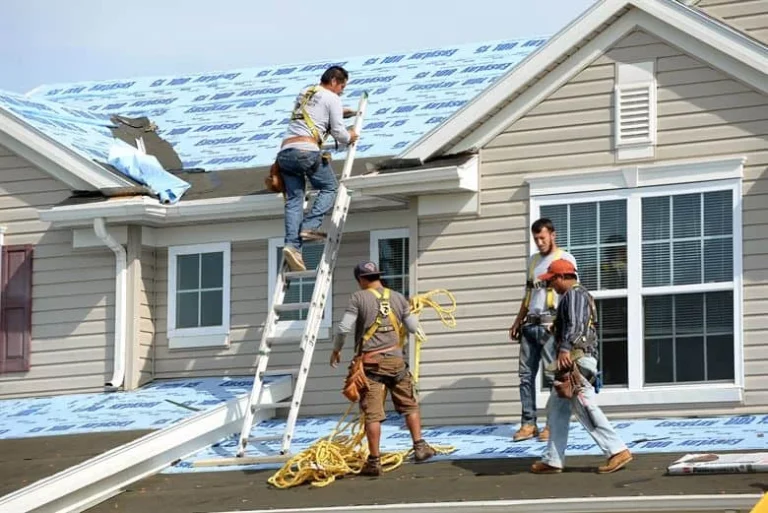
Roofing labor can represent a significant portion of the total project price. Local wage rates, contractor experience, roof accessibility, material type, and project difficulty all influence labor costs.
A highly experienced contractor may charge more initially but can deliver higher-quality installation and reduce the risk of future problems.
Removing the Existing Roof
If the old roofing must be removed, you may have additional tear-off and disposal costs.
The price may increase if there are multiple old roofing layers or if damaged decking is found beneath the existing materials.
New Roof Cost by Roofing Material
Asphalt Shingle Roof Cost
Asphalt shingles remain a popular choice because they offer a practical combination of affordability, appearance, and easy installation.
Different grades of shingles have different prices and expected lifespans. Basic shingles are usually less expensive, while architectural and premium products can cost more.
Metal Roof Cost
Metal roofing generally requires a higher initial investment than basic asphalt shingles.
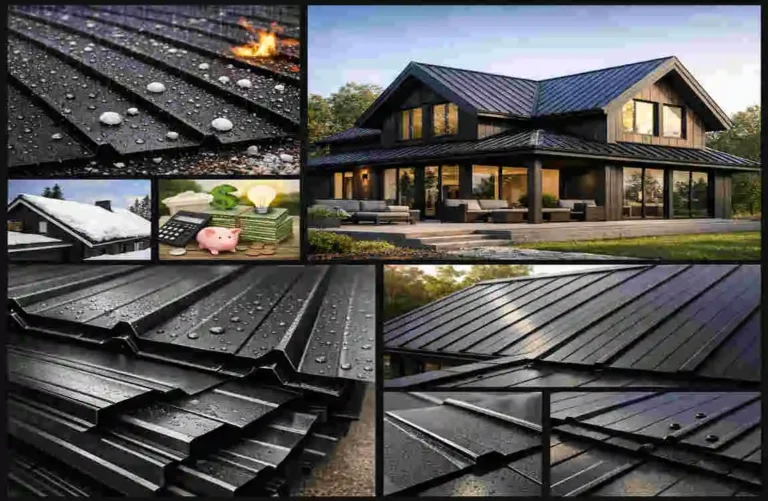
However, metal can offer excellent durability and a long service life. Homeowners can choose from different metal types and finishes, allowing the roof to match the home’s design.
Tile Roof Cost
Clay and concrete tiles provide a distinctive appearance and can last for decades when properly installed and maintained.
Tile roofing is heavier than many other roofing materials, so the home’s structure may need to be designed to support the additional weight.
Slate Roof Cost
Slate is a premium roofing material known for its beauty and exceptional longevity.
However, it can be expensive because the material itself is costly and installation often requires specialized experience.
Wood Shingle and Shake Roof Cost
Wood shingles and shakes can give a home a natural, traditional appearance. They require proper maintenance and may need additional consideration in areas exposed to moisture, fire, or extreme weather.
Synthetic Roofing Cost
Synthetic roofing products can imitate materials such as slate or wood while generally being lighter and easier to handle.
They can provide homeowners with an attractive alternative when they want a particular appearance without the weight or maintenance requirements of some natural materials.
Roof Replacement vs. Roof Repair: Which Do You Need?
Not every roofing problem requires a complete replacement.
When Roof Repair May Be Enough
A repair may make sense when the damage is limited to a small area. For example, a few damaged shingles, a minor leak, or localized flashing damage may be repairable without replacing the entire roof.
However, repeated repairs on an aging roof can eventually become more expensive than replacement.
When Full Roof Replacement Makes Sense
A complete replacement may be the better choice when the roof has widespread damage or has reached the end of its expected service life.
Common reasons include:
- Persistent leaks
- Widespread shingle damage
- Sagging areas
- Extensive water damage
- Severe storm damage
- Rot or damaged decking
- Frequent repair needs
- An aging roofing system
Signs You May Need a New Roof
Watch for visible warning signs around your home. These may include:
- Missing or broken shingles
- Persistent leaks
- Sagging roof sections
- Excessive granule loss
- Damaged flashing
- Visible wood rot
- An aging roof
If you notice several of these problems, a professional inspection can help determine whether repair or replacement makes more sense.
Additional Costs to Consider
The initial estimate does not always represent the final project cost.
Old Roof Removal and Disposal
Removing old roofing materials requires labor and disposal. Multiple layers can make the process more expensive.
Roof Deck Repairs
Once the old roofing is removed, contractors may discover damaged or rotten decking. Replacing this material can add to the overall project.
Flashing Replacement
Flashing protects vulnerable areas where water could enter. Contractors may need to replace flashing around chimneys, skylights, vents, valleys, and wall intersections.
Gutters and Downspouts
A roof replacement can be a convenient time to inspect gutters and downspouts. Damaged drainage components may need repair or replacement.
Skylights and Chimneys
Skylights and chimneys require careful waterproofing. Work around these features can increase labor requirements.
Ventilation and Insulation
Proper attic ventilation can help manage heat and moisture. During a roof project, it may be worthwhile to inspect attic ventilation and insulation as well.
How Much Does Roof Labor Cost?
Roofing labor varies by location and project complexity. A straightforward roof may require less labor than a steep roof with multiple sections and difficult access.
What Roofing Labor Usually Includes
Labor may cover:
- Preparing the work area
- Removing old roofing
- Installing underlayment
- Installing roofing materials
- Installing flashing
- Adding or improving ventilation
- Cleaning the work area
Why Labor Prices Vary
Labor costs can vary based on roof size, pitch, accessibility, materials, location, weather, project timeline, and contractor experience.
Premium roofing materials may also require specialized installation, which can increase labor costs.
How to Save Money on a New Roof
Saving money does not always mean choosing the cheapest material.
Get Multiple Estimates
Compare several detailed roofing estimates. Look beyond the final price and check what each contractor includes.
Choose the Right Material
A lower-cost roof may have a shorter lifespan. Consider long-term value, maintenance, durability, and installation costs.
Schedule Carefully
Roofing demand can change throughout the year. Carefully planning your project may help you find better availability and pricing.
Maintain Your Existing Roof
Regular inspections, cleaning, gutter maintenance, and timely repairs can help prevent small roofing problems from becoming major expenses.
Check the Warranty
Understand what your warranty covers before signing a contract. Look at both the material warranty and the contractor’s artistry warranty.
How to Choose a Roofing Contractor
Choosing the right contractor is just as important as choosing the roofing material.
Verify Licensing and Insurance
Make sure the contractor meets applicable local requirements and carries appropriate insurance.
Ask for a Written Estimate
A detailed estimate should clearly explain:
- Roofing materials
- Labor
- Old roof removal
- Disposal
- Possible repairs
- Warranty information
- Payment terms
Check Reviews and References
Look at previous customer experiences and, when possible, ask for references from completed projects.
Avoid Extremely Low Estimates
An unusually low estimate may omit important costs or use lower-quality materials or artistry.
Instead of automatically choosing the lowest quote, compare the complete scope of work and total value.
Is a New Roof Worth the Cost?
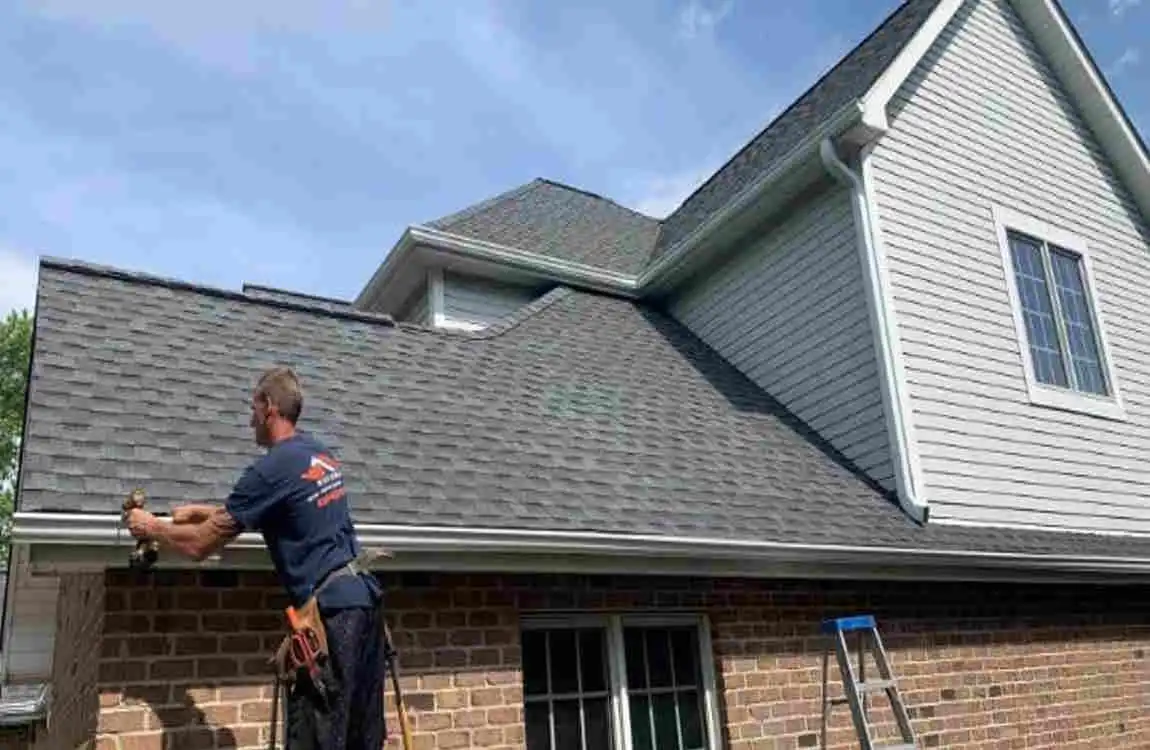
For many homeowners, replacing an aging or badly damaged roof can be a worthwhile investment.
A new roof can help protect the home’s structure, reduce the risk of water damage, improve appearance, and make the property more attractive to potential buyers.
It may also reduce the need for repeated repairs.
The most important point is to consider long-term value rather than only the upfront price.
How Long Does a New Roof Last?
Roof lifespan depends on the material, installation quality, climate, maintenance, and ventilation.
Roofing Material General Lifespan
Asphalt Shingles 15–30 years
Metal Roofing 40–70+ years
Wood Shingles/Shakes 20–40 years
Tile Roofing 50+ years
Slate Roofing 75–100+ years
These are general ranges. Proper installation and regular maintenance can have a major effect on how long a roofing system performs.
Frequently Asked Questions About New Roof Costs
How much does a new roof cost?
The cost of a new roof depends on roof size, material, labor, location, pitch, accessibility, removal costs, and necessary repairs. Getting detailed estimates is the best way to determine your home’s actual price.
What is the cheapest roofing material?
Asphalt shingles are commonly among the most budget-friendly residential roofing options. They are widely available and can provide good performance when properly installed.
How much does it cost to replace a roof on a 2,000-square-foot house?
The cost can vary significantly. A 2,000-square-foot home does not necessarily have a 2,000-square-foot roof. Roof pitch, design, material, labor, tear-off, and repairs all affect the final price.
Is it cheaper to repair or replace a roof?
A small, localized problem may be cheaper to repair. However, when a roof is old and has widespread damage or requires frequent repairs, replacement may provide better long-term value.
How long does it take to install a new roof?
Many residential roofing projects can be completed within several days, but the timeline depends on roof size, material, complexity, weather, and the condition of the existing roof.
Does a new roof increase home value?
A new roof can improve a home’s condition, appearance, marketability, and buyer confidence. The exact financial return depends on the property and local housing market.
Should I replace my roof before selling my house?
It depends on the roof’s condition, your local market, buyer expectations, and the estimated return on the project. A severely damaged roof can make a home harder to sell and may become a point of negotiation.
| Roofing Type | Average Cost Range | Typical Lifespan |
|---|---|---|
| Asphalt Shingles | $5,000–$15,000 | 15–30 years |
| Metal Roofing | $8,000–$25,000 | 40–70 years |
| Wood Shingles | $7,000–$20,000 | 25–30 years |
| Clay or Concrete Tiles | $10,000–$30,000 | 50+ years |
| Slate Roofing | $15,000–$40,000+ | 75–100+ years |
| Flat Roof | $5,000–$15,000 | 15–30 years |
Related Posts