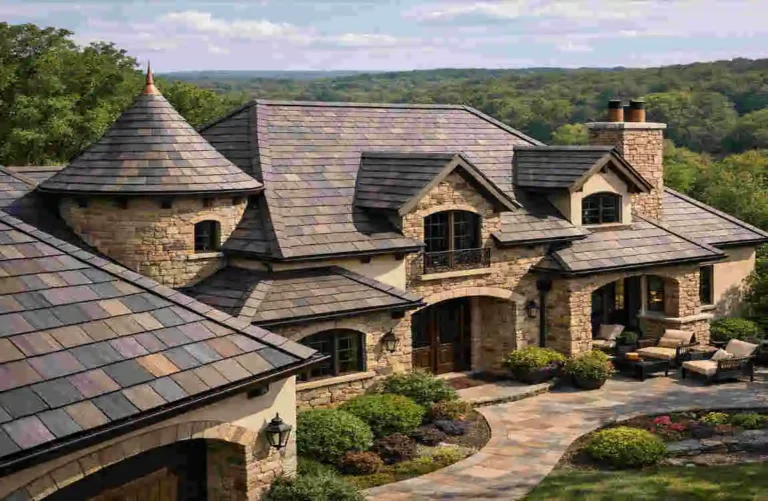
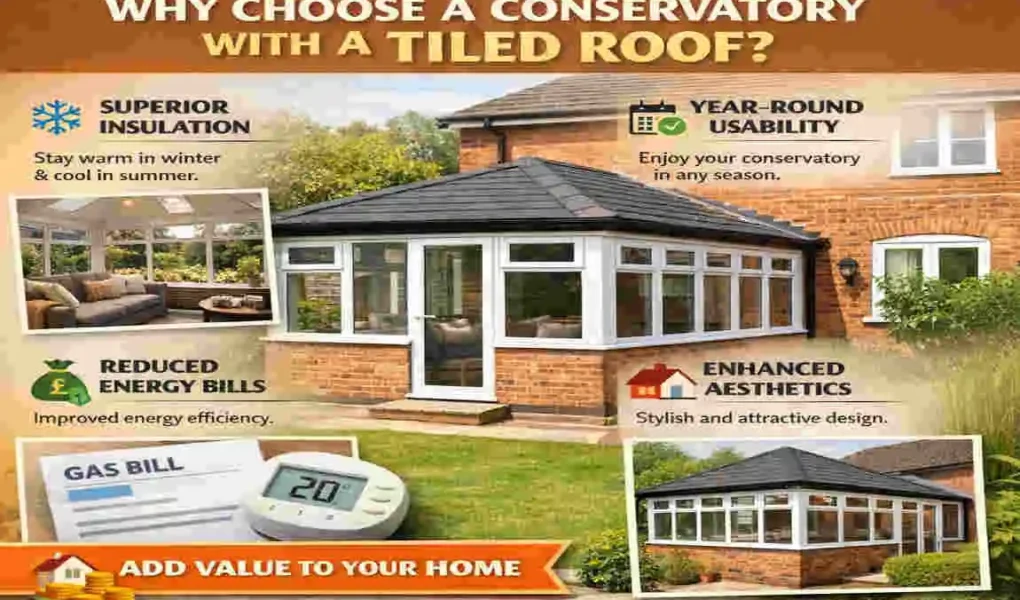
A conservatory is a lovely way to add more space and light to your home. But if you have ever looked at one with a solid, tiled roof instead of a glass one, you may have wondered what you call a conservatory with a tiled roof?
The simple answer is this: it is usually called a solid-roof conservatory or a tiled-roof conservatory. Some people also call it a hybrid conservatory if it mixes solid and glazed roof sections.
In this guide, we will keep things simple and walk through the name, benefits, types, costs, and whether this kind of roof is right for your home.
What Do You Call a Conservatory with a Tiled Roof?
The Simple Answer
If your conservatory has a tiled roof, the most common names are:
- Solid roof conservatory
- Tiled roof conservatory
- Hybrid conservatory if it includes both solid and glazed areas
These terms are often used in home improvement and building work. In everyday conversation, most people say tiled roof conservatory.
Why the Name Matters
The name matters because it helps you understand what kind of space you have.
A traditional conservatory usually has a glass or polycarbonate roof. That means it lets in a lot of light, but it can also get too hot in summer and too cold in winter.
A conservatory with a tiled roof feels more like an extension. It has better insulation, a more solid ceiling feel, and often a more finished look inside.
So, if you are speaking to a builder, surveyor, or estate agent, using the right name helps avoid confusion.
What Is a Tiled Roof Conservatory?
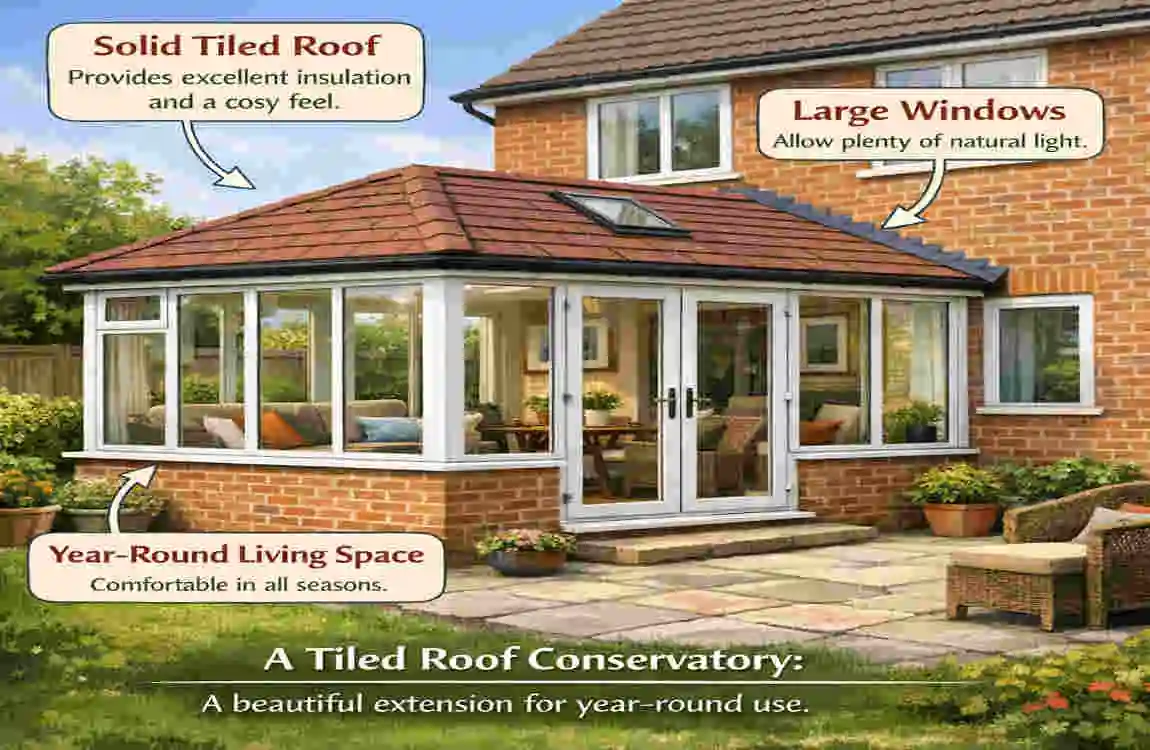
Main Features
A tiled roof conservatory uses a lightweight tiled roof system instead of a full glass roof.
It usually includes:
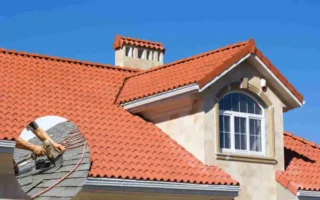
- Lightweight roof tiles
- Internal plastered ceiling
- Roof windows or skylights
- Better insulation
- A more room-like feel
This type of conservatory is designed to work all year, not just on sunny days.
How It Differs from Traditional Conservatories
Traditional conservatories are usually built with one of these roof types:
- Glass roof
- Polycarbonate roof
- Older style lightweight roof panels
A tiled roof changes the whole feeling of the room.
A glass roof brings in more natural light, but it also lets in more heat loss and noise. A tiled roof offers greater comfort, less glare, and a much more peaceful space.
Benefits of Choosing a Conservatory with a Tiled Roof
Better Temperature Control
This is one of the biggest reasons people make the switch.
A tiled roof helps keep the room warm in winter and cooler in summer. You do not get the same greenhouse effect that often happens with glass roofs.
That means you can use the room more often without constantly turning on heaters or fans.
Improved Energy Efficiency
A well-insulated tiled roof can help reduce heat loss.
That does not just make the room more comfortable. It can also help reduce energy waste. If you use the conservatory as a living room, office, or dining space, this can make a real difference.
Reduced Outside Noise
Rain on a glass roof can be loud. Traffic, wind, and nearby noise can also travel more easily through a traditional conservatory.
A tiled roof reduces that noise and makes the room calmer. If you want a quiet place to relax or work, this is a big plus.
Greater Privacy
Glass roofs can feel very open, but they can also make you feel exposed.
A tiled roof gives you more privacy from above. That is useful if nearby homes overlook your garden or if you want a more enclosed, cozy space.
Modern Appearance
Many homeowners like the smoother, more polished look of a tiled roof.
Inside, it often feels like a proper extension rather than a separate add-on. That can make the room feel more valuable and more useful.
Increased Property Value
A well-designed tiled roof conservatory can add appeal to your home.
Buyers often like spaces they can use year-round. A comfortable, insulated room usually feels more practical than a very hot or very cold conservatory.
Different Types of Tiled Roof Conservatories
Lightweight Tiled Roof Systems
These are built to be strong but not too heavy.
That matters because many conservatory frames were not designed to support a full traditional roof. Lightweight systems are made to suit the structure safely.
Composite Roof Systems
Composite roofs use several materials together to improve strength, insulation, and durability.
They are often chosen because they give a good balance between weight, cost, and performance.
Slate-Effect Roofs
Some people want the look of natural slate without the heavy weight.
Slate-effect tiles are a popular choice because they look neat and stylish while staying lighter than traditional slate.
Hybrid Roof Designs
A hybrid roof uses both solid and glazed sections.
This can give you the best of both worlds: better insulation from the solid parts and natural light from roof windows or lanterns.
Can You Replace an Existing Conservatory Roof?
Roof Replacement Process
Yes, in many cases you can replace an old conservatory roof with a tiled one.
The process usually includes removing the old roof, checking the frame, fitting the new lightweight system, and finishing the inside ceiling.
Structural Checks
This step is very important.
Not every conservatory frame can support a new roof. A builder or surveyor needs to check whether the structure is strong enough before any work begins.
Building Regulations
Roof replacement often needs to comply with building codes.
That usually means making sure the roof is safe, insulated properly, and fitted correctly. In some cases, local approval may be needed.
Installation Timeline
Most roof replacements do not take forever.
The exact time depends on the size of the conservatory and the roof system used. Smaller jobs may be done fairly quickly, while larger ones take longer.
Is a Tiled Roof Conservatory Better Than Glass?
FeatureGlass RoofTiled Roof
Insulation Moderate Excellent
Noise Reduction Low High
Summer Comfort Average Excellent
Winter Warmth Average Excellent
Privacy Low High
Maintenance Moderate Low
If you want more light, a glass roof can still be attractive.
But if you want a room you can use every day, a tiled roof usually wins for comfort and practicality.
Popular Roof Tile Materials
Concrete Tiles
Concrete tiles are strong and widely used. They are a common choice for many roof styles.
Lightweight Composite Tiles
These tiles are made to be lighter than standard options while still offering good strength and insulation.
Synthetic Slate
Synthetic slate gives a neat, classic look without the weight of real slate.
Metal Tile Systems
Some modern systems use metal-based tile designs. These can be very light and durable, depending on the product.
How Much Does a Tiled Roof Conservatory Cost?
Average Installation Costs
Costs vary a lot depending on size, materials, and the work involved.
A new tiled roof conservatory usually costs more than a simple roof repair. Still, it often gives much better long-term value because the room becomes more usable.
Roof Replacement Costs
Replacing an existing roof is usually cheaper than building a whole new conservatory.
Still, the cost depends on how much structural work is needed and whether the frame needs upgrades.
Factors That Affect Price
Several things can change the final price:
- Size
- Materials
- Roof windows
- Insulation
- Labour
If you want a more tailored finish, the cost can rise. If you keep the design simple, you can often save money.
Planning Permission and Building Regulations
When Planning Permission Is Needed
In many cases, a tiled-roof conservatory may not require planning permission.
But this depends on the project’s size, your home’s location, and local regulations. If your property has special restrictions, permission may be required.
Building Regulation Requirements
Even if planning permission is not needed, building regulations may still apply.
These rules are there to make sure the structure is safe, insulated properly, and fitted to the correct standard.
Energy Efficiency Standards
A tiled roof often helps achieve better energy performance.
That is one reason people choose it. It makes the room feel more like part of the house, not just a seasonal add-on.
Maintenance Tips
A tiled roof conservatory is usually easier to care for than a glass one, but it still needs attention.
Annual Roof Inspection
Check the roof once a year for damage, loose tiles, or signs of wear.
Cleaning Gutters
Blocked gutters can cause water to back up, so keep them clear.
Checking Flashing
Flashing is the material used to seal roof joints. Make sure it stays in good condition.
Preventing Moss Growth
Moss can accumulate on certain roof finishes. Remove it safely before it causes trouble.
Is a Conservatory with a Tiled Roof Right for You?
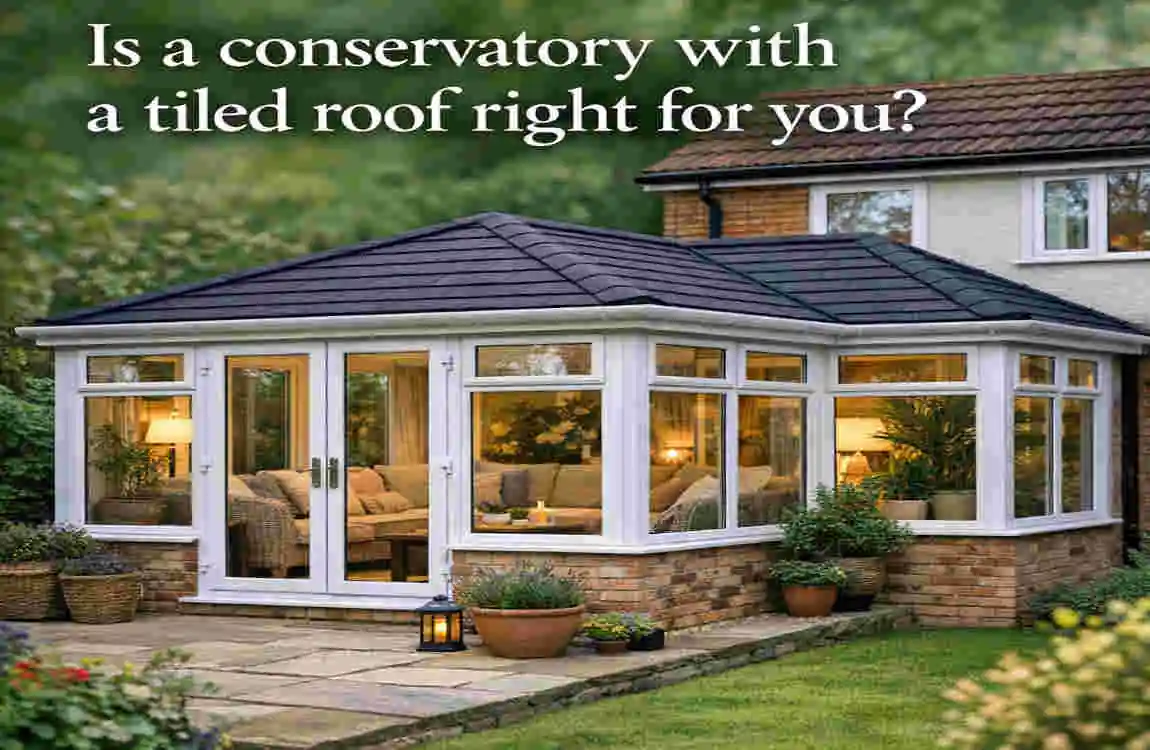
A tiled roof conservatory is a great choice if you want a space you can enjoy in more than one season.
It works especially well for:
- Year-round living
- Home offices
- Dining rooms
- Family rooms
If your current conservatory is too hot, too cold, or too noisy, a tiled roof may be the upgrade that makes it useful again.
Common Mistakes to Avoid
Here are some mistakes worth avoiding:
- Choosing heavy roofing materials
- Ignoring structural surveys
- Hiring inexperienced installers
- Forgetting ventilation
- Overlooking insulation quality
These mistakes can lead to poor comfort, higher costs, and long-term problems.
Frequently Asked Questions (FAQ)
What do you call a conservatory with a tiled roof?
It is commonly called a solid-roof conservatory or a tiled-roof conservatory.
Is a tiled roof conservatory warmer than a glass conservatory?
Yes. A tiled roof gives better insulation, so the room stays warmer in winter and cooler in summer.
Can I replace my conservatory roof with tiles?
Yes, many existing conservatories can be upgraded, but structural checks and building rules may apply.
Does a tiled roof conservatory add value to a home?
It can, because it improves comfort, energy efficiency, and year-round use.
Do tiled roof conservatories need planning permission?
Sometimes, but not always. It depends on your property and local rules.
| Feature | Information |
|---|---|
| Purpose | Provides a comfortable, energy-efficient living space that can be used year-round. |
| Better Insulation | Keeps the conservatory warmer in winter and cooler in summer. |
| Energy Efficiency | Reduces heat loss, helping lower heating and cooling costs. |
| Noise Reduction | Tiled roofs block outside noise better than traditional glass or polycarbonate roofs. |
| Modern Appearance | Gives the conservatory a stylish look that blends with the main house. |
| Weather Protection | Offers excellent resistance to rain, wind, snow, and harsh sunlight. |
| Increased Privacy | Prevents overlooking from neighboring properties. |
| Property Value | Can enhance your home’s appeal and potentially increase resale value. |
| Maintenance | Durable materials require minimal maintenance and have a long lifespan. |
| Best For | Homeowners seeking a quiet, comfortable, and all-season conservatory. |
Related Posts