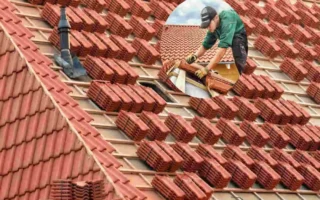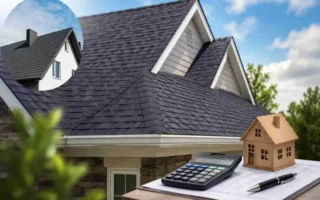
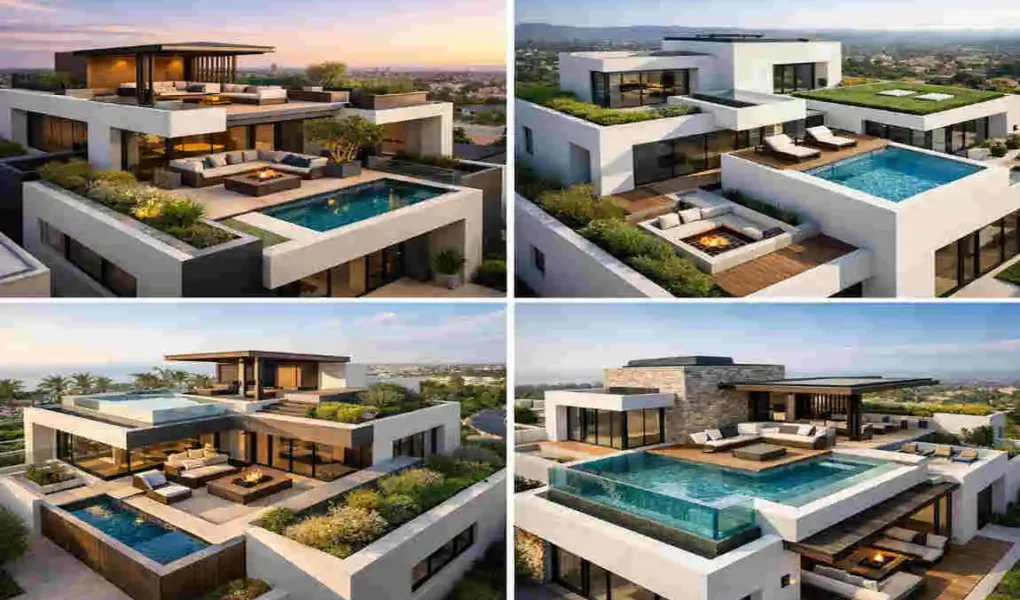
Roof block design is becoming a popular choice for homeowners who want both style and function. Today, people want roofs that do more than cover a house. They want a roof that adds charm, improves the home’s look, and performs well in different weather conditions.
What is roof blocks design?
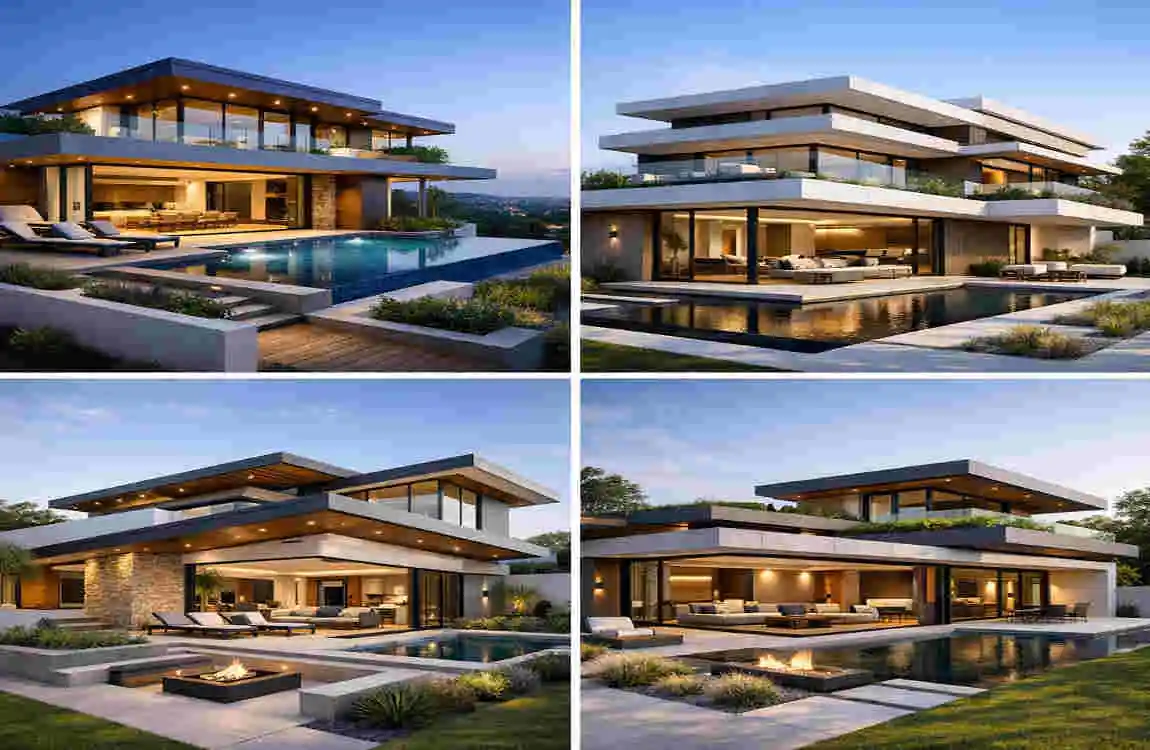
Roof blocks design refers to using specially shaped blocks or block-like elements in a home’s roof area. These blocks can be decorative, structural, or both. Some improve appearance, while others help with airflow, shade, or roof support.
Unlike regular roofing pieces, roof blocks often create a more unique look. They can be simple, modern, textured, or patterned depending on the home style.
How roof blocks improve a home’s architectural appearance
Roof blocks can change a home’s overall look. A plain roof may feel flat, but a well-planned block design adds depth, shape, and character. This helps the home stand out in a clean, elegant way.
They can also help connect the roof with the walls, windows, and exterior finish. When everything blends well, the house looks more complete and balanced.
Why decorative and functional roof blocks are becoming popular
People now want homes that feel beautiful, practical, and modern. Roof blocks can do all three. They offer visual appeal, but many designs also help with ventilation and shade.
This is why more homeowners, architects, and builders are using them in new houses and renovation projects.
Difference between roof blocks, roofing tiles, and decorative blocks
These terms are easy to confuse, but they are not always the same.
- Roofing tiles are usually thin pieces placed over a roof to protect it from rain and heat.
- Roof blocks are often larger and may be used as part of the roof structure or as decorative features.
- Decorative blocks focus more on appearance and pattern, though some can still have useful functions like airflow or shading.
What should homeowners consider before choosing a design?
Before you choose a roof block design, think about:
- The style of your house
- The local climate
- Your budget
- Maintenance needs
- The strength of your roof structure
A beautiful roof should also be safe, durable, and easy to care for.
Modern Roof Blocks Design Ideas for Beautiful Homes
Minimalist roof block designs
Minimalist design uses clean lines and simple shapes. These roof blocks do not look busy or overly decorated. Instead, they create a neat and calm appearance.
This style works well for modern homes that use glass, smooth walls, and soft colors. If you want a roof that feels elegant without being flashy, minimalist blocks are a strong choice.
Geometric and patterned blocks
Geometric designs use shapes like squares, rectangles, and repeated patterns. These blocks can make the roof look more artistic and structured.
They work well if you want your home to feel creative but still organized. The repeating shapes bring rhythm and visual interest to the roof.
Contemporary concrete block designs
Concrete roof blocks are popular because they look solid, modern, and strong. They suit homes with bold, simple architecture.
Concrete can be left in its natural gray tone or finished with paint or coating. This flexibility suits many home styles.
Exposed roof blocks for an industrial look
Some homeowners like the industrial style, which celebrates raw materials and open structure. Exposed roof blocks can give a house that strong, urban feel.
This design often works well with metal, dark frames, and open spaces. It feels modern, brave, and practical at the same time.
Perforated blocks for light and ventilation
Perforated roof blocks have small openings or holes. These openings let air and light pass through.
This type of design is useful in hot climates because it helps reduce trapped heat. It can also create attractive shadow patterns during the day.
Textured and 3D roof block designs
Textured blocks add depth to the roof. They may have raised lines, rough surfaces, or layered shapes.
These designs are great when you want the roof to look more lively and rich. Even from a distance, the texture makes the house look more interesting.
Combining roof blocks with modern exterior walls
Roof blocks look best when they match the rest of the home. If your walls are smooth and light-colored, you may want simple blocks. If the exterior has stone, wood, or brick touches, a richer block pattern may work better.
The goal is to create balance, not competition. The roof should support the home’s overall look, not overpower it.
How to select a design that matches the home’s architecture
A good design always respects the house’s shape and style. For example:
- Straight, clean houses look great with minimalist blocks
- Curved or detailed homes may suit textured or patterned blocks
- Traditional homes often need warmer, classic materials
- Luxury homes can use bold and custom roof block patterns
Choosing the right match makes the house feel natural and well-planned.
Popular Materials Used for Roof Blocks
Concrete roof blocks
Concrete is one of the most common choices. It is strong, durable, and widely available. It also works well in many climates.
The main advantage is its long life. The main downside is that it can be heavy, so the structure must be strong enough to carry it.
Clay and terracotta blocks
Clay and terracotta blocks have a warm, classic look. They are often used in homes that want a more traditional or Mediterranean feel.
They are attractive and breathable, but they may need more care in some weather conditions.
Brick roof blocks
Brick gives a natural, earthy appearance. They’re great for homes that want a cozy, timeless feel.
Brick roof blocks can be beautiful, but they may not suit every modern design. They work best in homes with classic or rustic elements.
Lightweight blocks
Lightweight blocks are a smart choice when the roof structure cannot support heavy materials. They are easier to install and can reduce pressure on the building.
They are often used in modern construction because they offer convenience without sacrificing style.
Stone-look and decorative blocks
Stone-look blocks create a rich and strong visual effect without always using real stone. They give homes a premium appearance and work well for luxury designs.
These blocks often need less care than natural stone and can be easier to install.
Eco-friendly and recycled materials
More homeowners are now choosing recycled or eco-friendly materials. These options help reduce waste and support more responsible building practices.
They’re a great choice if you care about sustainability as well as design.
Comparing common roof block materials
MaterialAppearanceDurabilityMaintenanceCost
Concrete Modern, solid High Low to medium Medium
Clay/Terracotta Warm, classic Medium to high Medium Medium to high
Brick Natural, traditional High Medium Medium
Lightweight blocks Simple, practical Medium Low Medium
Stone-look blocks Premium, rich High Low to medium High
Eco-friendly materials Varies Medium Low to medium Medium
Choosing materials according to climate and roof structure
Your climate matters a lot. In hot regions, materials that improve airflow and control heat are useful. In rainy or windy areas, strength and water resistance matter more.
Also, never forget the roof structure itself. Heavy blocks may not suit every home.
Roof Blocks Design Trends for Different Home Styles
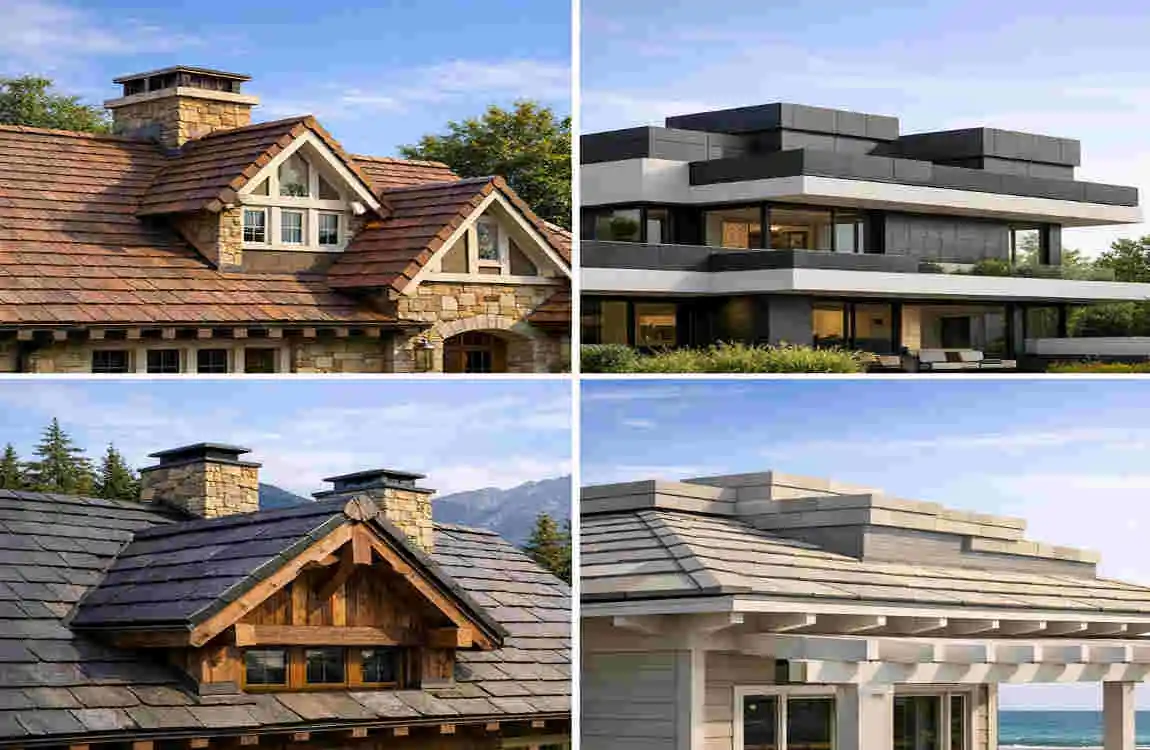
Modern and contemporary homes
Modern homes usually look best with smooth, simple roof block designs. Clean lines, bold shapes, and soft colors work well here.
These homes often use concrete, lightweight materials, or geometric patterns to create a fresh look.
Traditional and classic homes
Traditional homes often need roof blocks that feel familiar and elegant. Brick, clay, or textured designs work well because they blend with older styles.
These blocks add warmth and timeless beauty.
Farmhouse-style houses
Farmhouse homes usually feel relaxed and welcoming. Roof block designs for these homes should feel simple and natural.
Earth-toned blocks or lightly textured materials can support that comfortable style.
Mediterranean-inspired homes
Mediterranean homes often use terracotta, curved lines, and warm colors. Roof blocks with a soft, handmade look fit this style beautifully.
They create a sunny, inviting look that feels natural and stylish.
Industrial-style houses
Industrial homes often use raw finishes and bold materials. Exposed concrete blocks, darker tones, and strong shapes fit well here.
This style looks especially good when paired with metal and open spaces.
Minimalist homes
Minimalist homes need less decoration, not more. Roof blocks should be clean, simple, and carefully placed.
The design should feel calm and uncluttered. A few strong shapes often work better than many small details.
Luxury house designs
Luxury homes can use custom roof block patterns, premium materials, and bold textures. These homes often need something unique that shows detail and craftsmanship.
This style often uses stone-look blocks, layered designs, and rich finishes.
Small-home roof block ideas
Small homes need roof blocks that do not make the house feel heavy. Light colors, smaller patterns, and simple forms help keep the design open.
The goal is to make the home look larger and brighter.
Matching roof block patterns with exterior colors and finishes
Color is important. A dark roof block can look strong and dramatic, while a light block can feel fresh and airy.
For the best result, match roof block tones with wall colors, window frames, and trim. This gives the house a polished and complete look.
Benefits, Installation, and Maintenance of Roof Blocks
Architectural and decorative benefits
Roof blocks can make a home look more refined and attractive. They create shadows, texture, and shape that plain roof surfaces often cannot provide.
This added character can increase curb appeal and make the home feel more special.
Ventilation and shading advantages
Some roof block designs help air move better through the roof area. Others create shade, which can reduce heat inside the home.
These features are especially useful in warm climates.
Durability and weather resistance
Good roof blocks can handle sun, rain, and changing temperatures. When you choose the right material, the roof can stay strong for many years.
This is one reason people see roof blocks as a smart long-term choice.
Installation considerations
Installation must be planned carefully. The roof needs to support the weight of the blocks, and the layout must allow proper water flow.
This is not a job to rush. A well-installed roof block system lasts longer and works better.
Importance of structural support and professional installation
Professional installation matters because it helps prevent cracks, leaks, and uneven placement. A skilled installer can properly check the load, fit, and finish.
This is especially important for heavier materials like concrete or stone-look blocks.
Waterproofing and drainage considerations
A roof must keep water away from the house. Even beautiful blocks can fail if waterproofing is weak.
Always plan drainage so water flows off the roof without pooling or slipping into weak spots.
Cleaning and routine maintenance
Roof blocks should be checked regularly. Dirt, moss, and debris can build up over time.
A simple cleaning routine can help the roof stay attractive and in good shape. It also helps you spot small problems early.
Common roof block problems and how to prevent them
Some common issues include:
- Cracks
- Loose blocks
- Water leakage
- Staining
- Blocked drainage
You can prevent many of these problems with quality materials, proper installation, and regular checks.
Mistakes homeowners should avoid
Avoid choosing a design based only on looks. A roof also needs strength, drainage, and climate suitability.
Also, do not ignore weight limits or hire unqualified workers. These mistakes can lead to expensive repairs later.
Roof Blocks Design Cost and Selection Guide
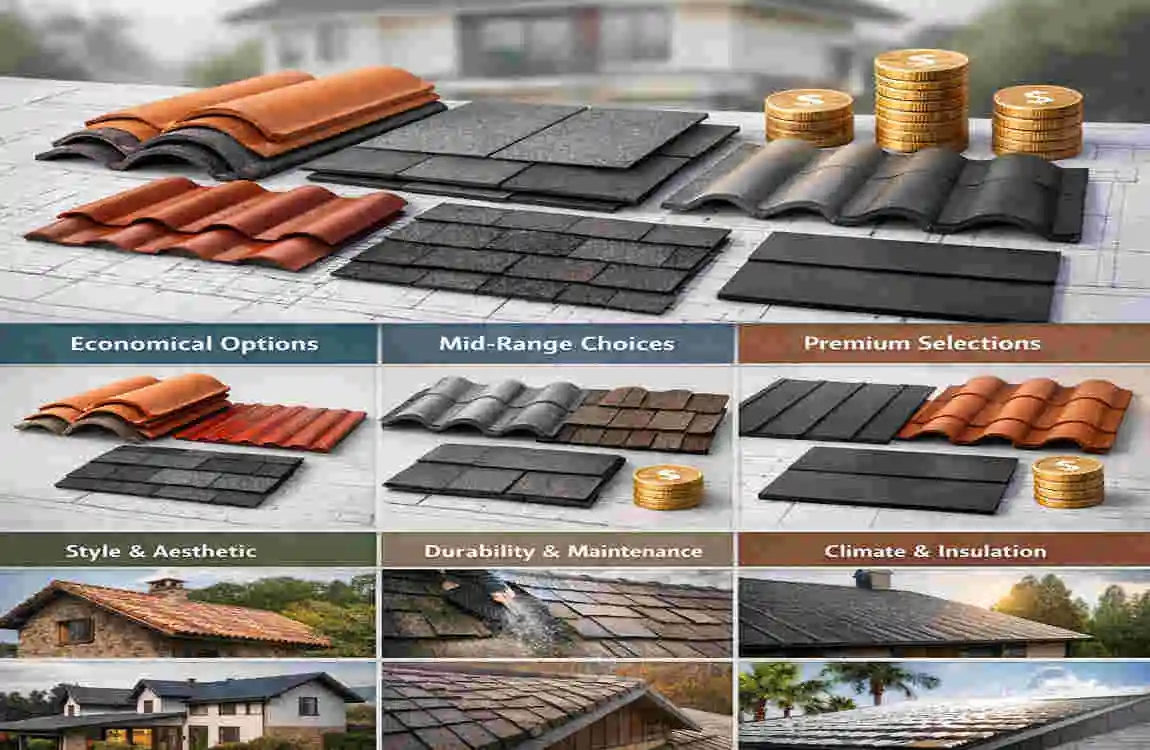
What affects roof blocks design cost?
The cost depends on many things. Material choice, roof size, labor, design detail, and custom work all play a part.
A simple design will usually cost less than a custom pattern with special finishes.
Material and manufacturing costs
Some materials are naturally more expensive than others. For example, stone-look or custom decorative blocks often cost more than basic concrete blocks.
The way the blocks are made can also affect the price.
Installation and labor expenses
Labor can take up a large part of the total cost. More complex designs need more time and skill.
If your roof has a difficult shape, the cost may rise even more.
Custom patterns and decorative finishes
Custom patterns look beautiful, but they usually cost extra. Special surface treatments, paint, and texture work can also add to the budget.
These details may be worth it if you want a unique home exterior.
Maintenance and long-term value
A cheaper material may save money now but cost more later if it needs frequent repairs. A stronger, longer-lasting material may cost more at first but be more valuable over time.
Think beyond the first price. Think about the full life of the roof.
How to compare different roof block options
When comparing options, ask yourself:
- How strong is it?
- Does it match my home style?
- Will it handle my climate?
- How much care does it need?
- Is it within my budget?
These questions can help you choose wisely.
Budget-friendly roof block ideas
To save money, choose simple shapes, common materials, and standard finishes. You can still create a lovely look without going fully custom.
Neutral colors and clean lines often look elegant at a lower cost.
Premium designs for luxury homes
For a premium look, use custom textures, layered forms, and high-end finishes. These details create a more refined and exclusive appearance.
Luxury designs often focus on craftsmanship and visual depth.
FAQ About Roof Blocks Design
What is the purpose of roof blocks?
Roof blocks can improve a home’s look and may also help with airflow, shade, or structure, depending on the design.
Which roof block design is best for a modern home?
Minimalist, geometric, and concrete-based designs often work best for modern homes.
Are concrete roof blocks durable?
Yes, concrete roof blocks are usually very durable and work well in many climates when installed correctly.
Can roof blocks improve ventilation?
Yes, some perforated or open designs can improve airflow and reduce heat buildup.
How much does roof block design cost?
The cost depends on the material, roof size, design details, and labor. Simple designs cost less, while custom designs cost more.
Are decorative roof blocks suitable for all climates?
Not always. The material and shape must suit the local weather. Hot, rainy, and windy areas need different design choices.
| Roof Block Design | Key Feature | Best For |
|---|---|---|
| Modern Flat Blocks | Clean lines and simple forms | Contemporary homes |
| Stepped Roof Blocks | Layered block shapes | Large modern houses |
| Geometric Blocks | Bold angles and shapes | Unique architectural styles |
| Concrete Roof Blocks | Strong, durable construction | Minimalist homes |
| Wooden Roof Blocks | Warm natural appearance | Rustic or modern homes |
| Glass & Block Roof | Adds light and openness | Luxury homes |
| Green Roof Blocks | Plants and greenery | Eco-friendly homes |
| Decorative Roof Blocks | Adds visual character | Traditional homes |
Related Posts