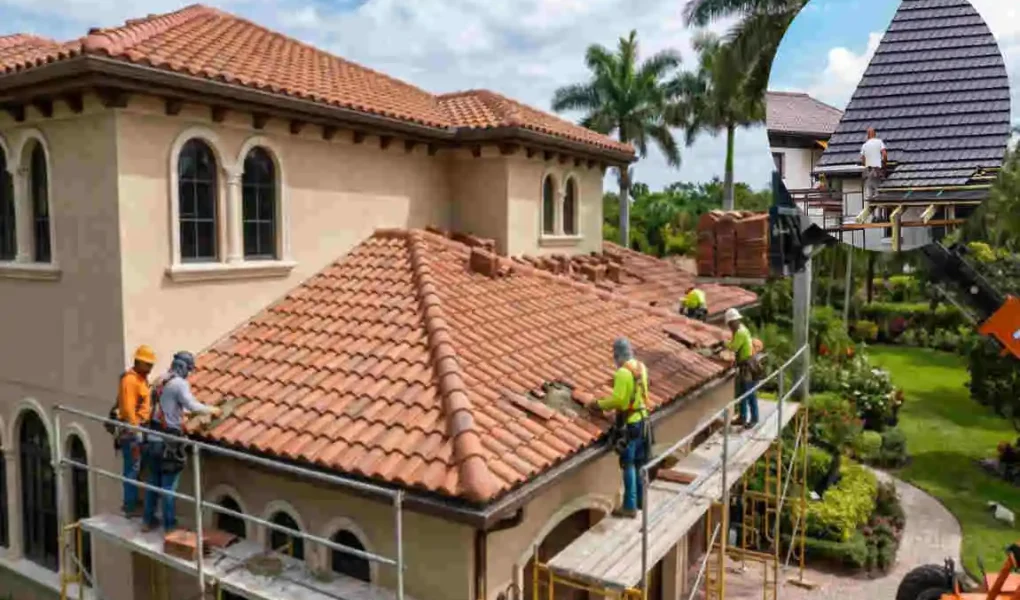
If you are planning a new roof or replacing an old one, tile roof installation Orlando is an option worth considering. Tile roofing is popular throughout Florida because it combines attractive design with durability and strong heat resistance.
Orlando homes deal with hot summers, heavy rain, humidity, and occasional strong winds. Because of these conditions, homeowners need roofing materials that can handle changing weather while still looking attractive.
Tile roofing can meet many of these needs. Clay, concrete, and synthetic tiles are available in different colors, shapes, and styles. The right choice depends on your home, budget, roof structure, and long-term goals.
Why Choose Tile Roofing for an Orlando Home?
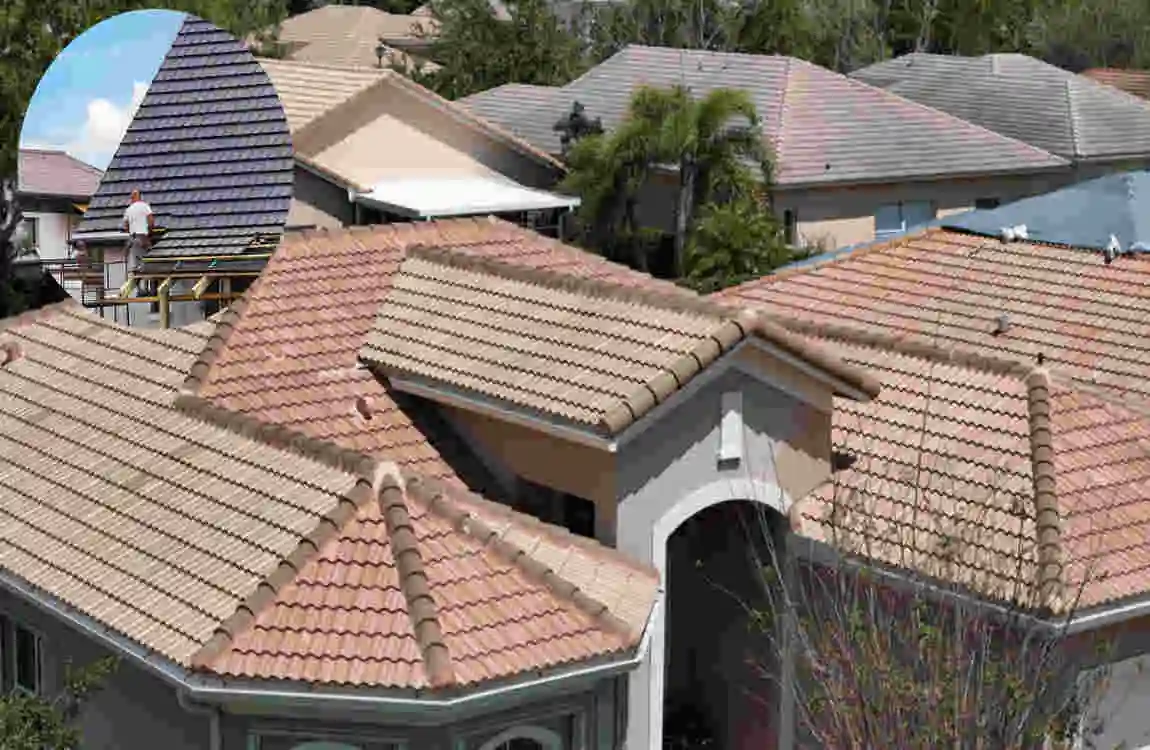
Durability in Florida Weather
One of the biggest reasons homeowners choose tile is durability. Quality tiles can withstand strong sunlight, rain, and typical outdoor conditions.
Tile roofs are not completely damage-proof. Individual tiles can crack or break, especially if objects strike them or they are handled improperly.
Still, the overall roofing system can provide many years of protection when the materials and installation suit the property.
Energy Efficiency
Tile roofing can also help keep a home more comfortable. The shape and installation of many tile systems allow air movement beneath the tiles.
This can help reduce direct heat transfer into the roof structure. Combined with proper insulation and ventilation, tile roofing may support lower cooling demand.
However, your roof alone does not determine your energy bill. Insulation, windows, walls, ventilation, air conditioning, and overall home design also have a major effect.
Curb Appeal and Property Value
Roofing is one of the first things people notice about a house. A well-designed tile roof can give an Orlando property a distinctive appearance.
You can choose from different profiles, colors, textures, and finishes. This makes it easier to match the roof with your home’s exterior.
Spanish-style homes often look excellent with curved or traditional clay tiles. Concrete tiles can work well with Mediterranean and contemporary designs, while synthetic products can offer additional style flexibility.
Types of Roof Tiles
Clay Tiles
A clay tile roof offers a traditional appearance and can provide excellent durability. Clay is particularly popular for Mediterranean and Spanish-style architecture.
Its main drawback is that it can cost more than some other roofing materials.
Concrete Tiles
Concrete tile roofing is another common choice. Concrete tiles can imitate the appearance of clay, slate, or other materials while offering a range of colors and profiles.
They can provide good durability, but their weight means the roof structure needs to be suitable for the system.
Composite or Synthetic Tiles
Synthetic tiles are designed to mimic traditional roofing materials while often being lighter and easier to handle.
They may be useful when a homeowner wants the appearance of tile without the same weight associated with some traditional products.
Tile Roof Installation Orlando Cost Guide
Average Tile Roof Installation Cost
The cost of tile roof installation in Orlando can vary significantly from one home to another. No single price applies to every property.
Roof size is one of the largest factors. A large or complicated roof requires more materials and labor than a small, simple roof.
The selected tile also affects the final price. Clay, concrete, and synthetic materials can have different material and installation costs.
Homeowners should compare the complete project cost, rather than looking only at the price of the tiles.
What Affects Installation Cost?
Several factors can influence your tile roof cost in Orlando.
Roof size: More roofing area means more tiles, underlayment, fasteners, and labor.
Roof pitch: Steeper roofs can require additional safety measures and more difficult installation.
Roof complexity: Multiple slopes, valleys, dormers, skylights, and other features increase installation time.
Tile material: Clay, concrete, and synthetic tiles have different prices and installation requirements.
Underlayment: A quality underlayment is an important part of the roofing system and adds to the project cost.
Labor: Experienced tile installers may charge more, but proper installation can be important for long-term performance.
Old roof removal: Replacing an existing roof may require tear-off, disposal, and additional preparation.
Structural repairs: Damaged decking or framing may need repair before installing new tiles.
Flashing and ventilation: Roof penetrations and drainage areas require careful attention.
Permits: Local project requirements can add to the overall cost.
New Roof vs. Roof Replacement
A new roof on a newly constructed home may be simpler to install because the structure is already designed for the selected roofing system.
A tile roof replacement Orlando project can be more complicated. The contractor may need to remove the existing roofing, inspect the deck, repair damaged areas, and prepare the structure for the new material.
This is why replacement estimates can differ substantially from new-construction roofing costs.
Benefits and Drawbacks of Tile Roofs in Orlando
Major Benefits
Tile roofing has several advantages for Orlando homeowners.
Long service life is one of the biggest benefits. Properly installed tile systems can last for many years.
Heat resistance is another advantage in Florida’s warm climate. Tile performs well in strong sunlight.
Weather performance makes tile attractive for homeowners who want a durable exterior roofing material.
Design flexibility is also important. You can select different profiles and colors to complement your home’s architecture.
Tile can also require relatively little routine attention compared with some roofing materials, although regular inspections are still important.
Potential Drawbacks
The biggest concern for many homeowners is the higher upfront cost. Tile roofing may require a larger initial investment than basic asphalt roofing.
Weight is another consideration. Concrete and clay tiles can be heavy, so the existing roof structure needs to be suitable.
Individual tiles can also crack. Walking directly on tile without proper knowledge can cause unnecessary damage.
Installation is another important factor. Tile roofing requires skilled work, especially around valleys, flashing, roof edges, vents, and other detailed areas.
Repairs can also require specialized knowledge because damaged tiles may need to be replaced without disturbing surrounding sections.
Are Tile Roofs Worth the Investment?
Evaluate a tile roof as a long-term investment, not just by its installation price.
A less expensive roof may have a lower initial cost but require earlier replacement. A higher-quality tile system can potentially provide a longer service life.
Think about your expected ownership period, maintenance needs, home style, climate, and total project budget.
If you plan to stay in your Orlando home for many years, durability and long-term performance may make the additional investment more attractive.
Tile Roof Installation Process in Orlando
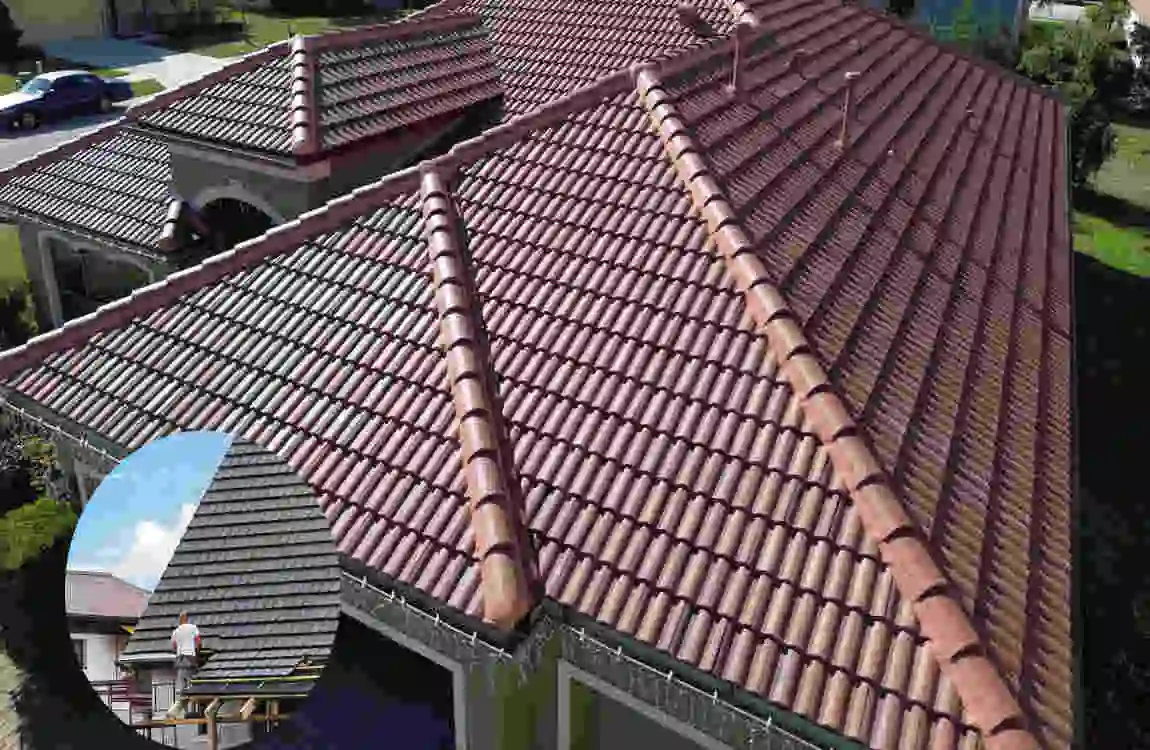
Roof Inspection and Planning
The process normally begins with an inspection. The contractor evaluates the existing roof, structure, drainage, flashing, ventilation, and other important areas.
The contractor measures the roof to determine how much material is needed.
At this stage, you can also discuss whether clay tile, concrete tile, or a synthetic option suits your property.
Removing the Existing Roofing
If you are replacing an existing roof, you may need to remove the old roofing.
Once the old material is gone, you can inspect the roof deck. Address any damaged areas before installing the new roofing system.
This step matters because placing new tiles over an unsuitable surface can cause problems later.
Installing Underlayment and Flashing
The underlayment provides an additional layer of moisture protection beneath the tiles.
Flashing is especially important around valleys, vents, roof edges, chimneys, walls, and other areas where water could enter.
A quality installation pays close attention to these details instead of focusing only on the visible tiles.
Installing the Tiles
The tiles are arranged according to the roof design and manufacturer’s installation requirements.
Fastening methods vary by tile system and project conditions.
The installer must also consider drainage, ventilation, roof weight, alignment, and exposed areas.
Good artistry creates an organized roof surface that looks attractive while helping the system perform properly.
Final Inspection
After installation, the contractor should inspect the completed roof.
Check flashing, fasteners, tile alignment, drainage areas, and other key components.
The project should also be cleaned properly, and any required inspections should be completed.
How to Choose a Tile Roofing Contractor in Orlando
Check Licensing and Experience
Choosing the right contractor is one of the most important parts of a roofing project.
Look for professionals with experience in Florida tile roofing who understand Orlando’s climate demands.
Also verify appropriate licensing, insurance, and relevant credentials before signing a contract.
Request Detailed Estimates
Do not compare contractors based only on the final number.
Ask each contractor to explain what the estimate includes. The proposal should clearly state whether it covers materials, labor, tear-off, disposal, underlayment, flashing, permits, and cleanup.
A very low estimate may not include important work.
Ask About Warranties
Ask about both material and artistry warranties.
A material warranty covers certain manufacturer-related issues, while an artistry warranty relates to the installation.
Make sure you understand the warranty terms, exclusions, and length before deciding.
Maintenance, Lifespan
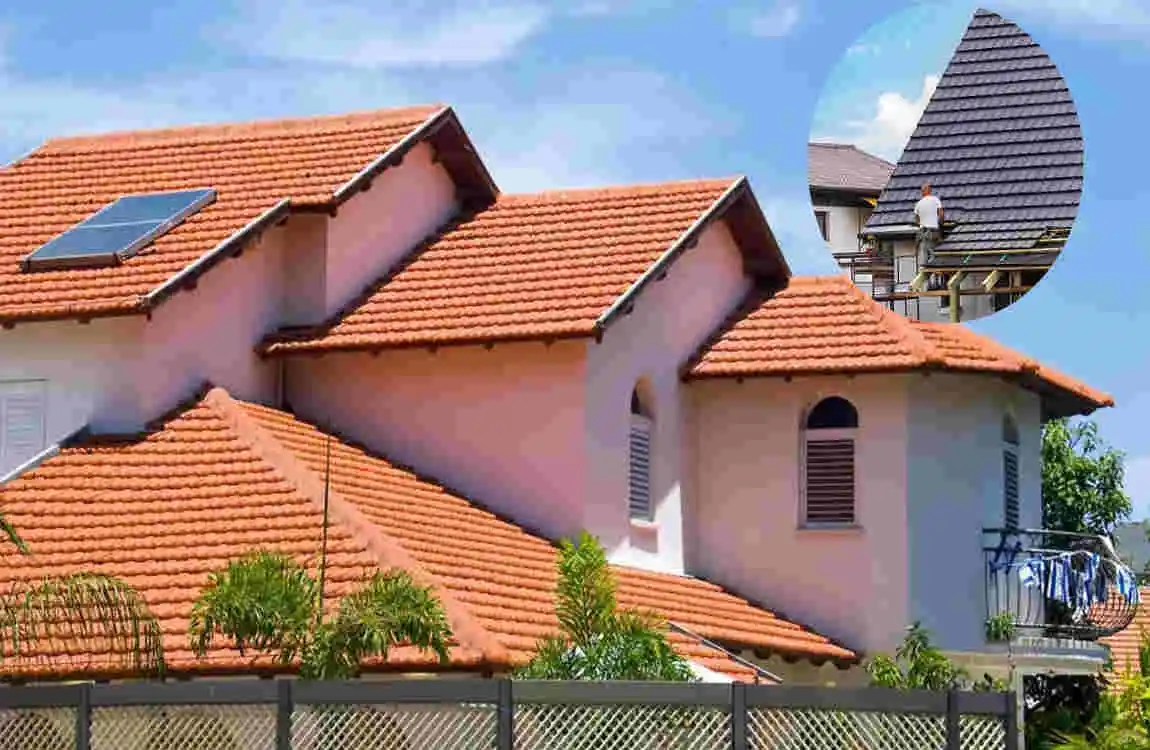
Tile Roof Maintenance Tips
Tile roofs are relatively easy to maintain, but you shouldn’t ignore them.
Inspect the roof periodically for cracked, broken, displaced, or damaged tiles. Also check gutters and drainage systems to make sure water can move away from the home.
Pay attention to flashing around roof penetrations and other vulnerable areas.
If a tile is damaged, have it evaluated and replaced when necessary. Avoid walking on the roof yourself because improper foot traffic can break tiles.
Professional inspections can be useful when you notice leaks, visible damage, or other concerns.
Frequently Asked Questions
How Much Does Tile Roof Installation Cost in Orlando?
The cost depends on roof size, tile type, labor, roof complexity, existing roof condition, underlayment, structural repairs, and other project requirements.
A professional inspection and detailed estimate provide a much more useful price than a general average.
Is Tile Roofing Good for Orlando Weather?
Yes. Tile roofing can be a good option for Orlando’s heat, heavy rain, and humid conditions when the system is correctly selected and installed.
Installation quality matters most, especially for flashing, fastening, underlayment, drainage, and ventilation.
How Long Does Tile Roof Installation Take?
Installation time varies according to roof size, design complexity, weather, material availability, and whether an existing roof must be removed.
A simple project may move faster than a large replacement with structural repairs.
Your contractor should provide an estimated project schedule before work begins.
Are Concrete or Clay Tiles Better for an Orlando Home?
Both can be good choices.
Clay tiles offer a classic appearance and can provide excellent long-term durability. Concrete tiles offer many design options and can perform well at a different price point.
The best option depends on your home’s structure, architectural style, budget, and preferences.
Does a Tile Roof Increase Home Value?
A well-maintained tile roof can improve a home’s curb appeal and may contribute to its perceived quality.
Buyers may appreciate the appearance and potential long-term durability of tile roofing.
However, the actual effect on property value depends on the local market, home condition, location, and many other factors.
Can Tile Roofing Help Reduce Cooling Costs?
Tile roofing may help manage heat transfer through its material properties and the ventilation space associated with some tile systems.
However, actual energy savings depend on the entire home.
Insulation, attic ventilation, windows, exterior walls, air conditioning efficiency, and other factors all influence cooling costs.
Do Tile Roofs Require a Lot of Maintenance?
Tile roofs generally do not require constant maintenance, but regular attention is still important.
Keep gutters clear, inspect for damaged tiles, monitor flashing, and address leaks or drainage problems quickly.
Routine maintenance can help prevent small issues from becoming expensive repairs.
What Should I Look for in an Orlando Tile Roofing Contractor?
Look for experience, licensing, insurance, references, detailed written estimates, warranties, and knowledge of local requirements.
Do not automatically choose the cheapest contractor. A roofing system is a major investment, so installation quality should be a key part of your decision.
| Information | Details |
|---|---|
| Typical Cost | About $10,000–$30,000+, depending on roof size, tile type, and labor |
| Popular Tile Types | Clay, concrete, slate, and synthetic tile |
| Average Lifespan | 40–100+ years with proper maintenance |
| Main Benefit | Durable, weather-resistant, and attractive roofing |
| Orlando Climate | Suitable for Florida’s heat, rain, and strong winds when properly installed |
| Energy Efficiency | Tile can help reduce heat transfer into the home |
| Maintenance | Generally low, but damaged or cracked tiles should be replaced |
| Installation Time | Often several days to a few weeks, depending on project size |
| Key Cost Factors | Materials, roof pitch, size, underlayment, removal, labor, and structural work |
Related Posts