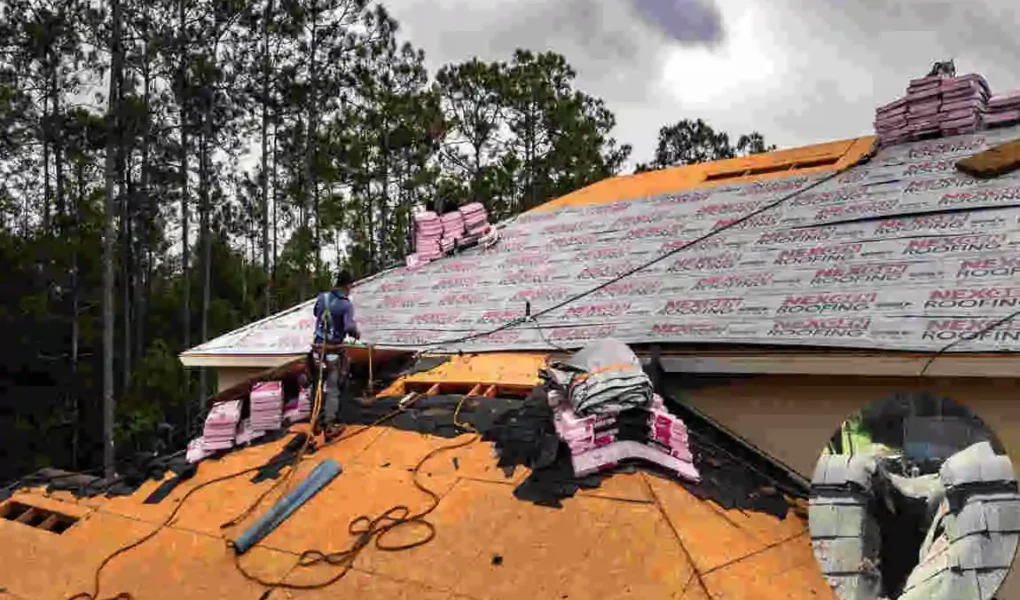
Living in Jacksonville means enjoying sunshine, coastal views, and warm weather for much of the year. However, it also means dealing with frequent storms, strong winds, tropical systems, and hurricane threats that can place serious stress on your roof. Many homeowners underestimate how quickly wind can damage roofing materials, only to notice missing shingles, leaks, or interior water damage after a storm.
Your roof is one of the most important parts of your home because it protects everything underneath it. When severe winds strike, even a small area of roof damage can quickly grow into a major issue if left untreated. Lifted shingles, cracked flashing, and exposed underlayment can all allow moisture into your home. Over time, that moisture may lead to mold growth, rotting wood, damaged insulation, and costly structural repairs.
This is why wind-damage roof repair services in Jacksonville are so important for homeowners throughout the area. The faster you respond after wind damage, the easier it is to protect your home’s value and maintain your family’s safety.
Jacksonville’s weather patterns make roofs especially vulnerable because storms can appear suddenly and bring powerful gusts strong enough to loosen or tear away roofing materials. If your roof is older or already weakened, it becomes even more susceptible to damage during the next storm.
Understanding Wind Damage to Roofs
How Wind Affects Your Roof
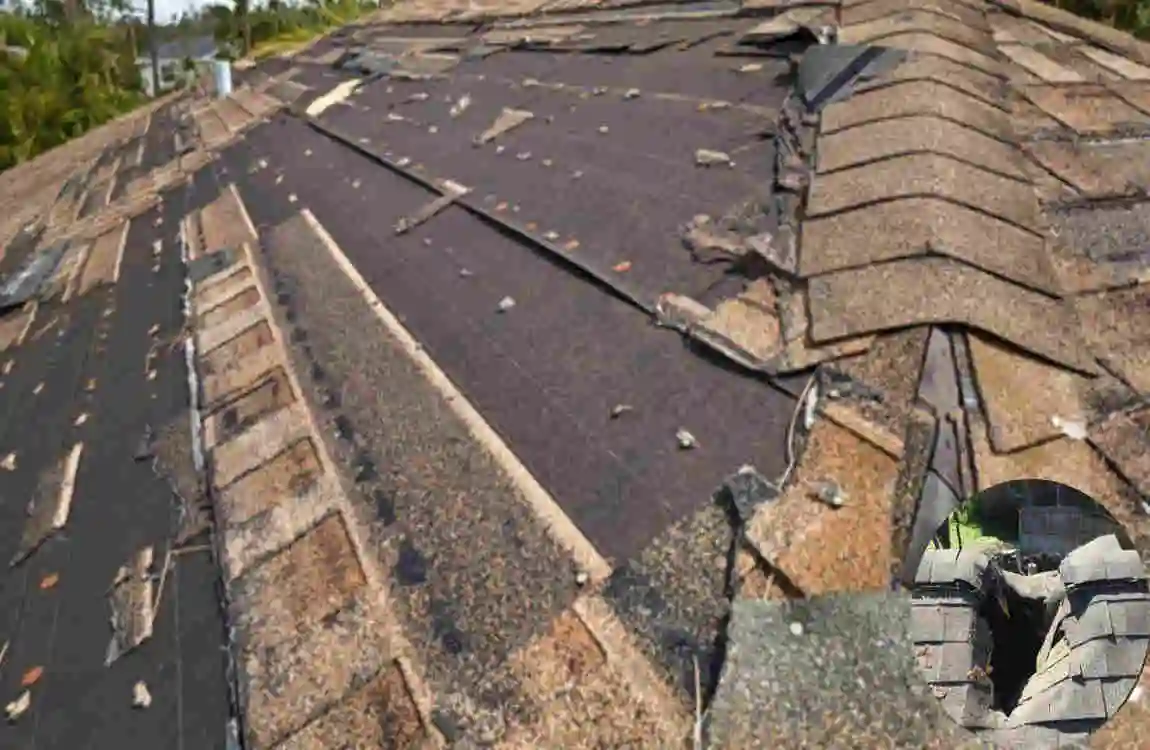
Wind damage happens when strong gusts create pressure against your roof’s surface and edges. Once wind gets underneath roofing materials, it can lift shingles, break seals, and even tear entire sections away. This process is called wind uplift, and it often starts during storms with winds above 60 mph.
Homes in Jacksonville face additional challenges because of coastal weather patterns and frequent tropical storms. Roofs are constantly exposed to moisture, humidity, and heat, which can weaken materials over time and make them more susceptible to wind damage.
Common Types of Wind Damage
Wind damage comes in several forms. Some are visible right away, while others stay hidden until leaks or structural problems develop.
Lifted or Missing Shingles
Strong winds can loosen shingles by breaking the adhesive seal that holds them in place. Once lifted, shingles may curl, crack, or blow away completely.
Debris Impact Damage
Flying branches, storm debris, and loose outdoor objects can strike your roof during storms. Even small debris can crack shingles or puncture roofing layers.
Granule Loss
Asphalt shingles contain protective granules that shield against UV rays and weather. Wind can wear away these granules, reducing roof lifespan and exposing shingles to faster deterioration.
Secondary Damage Caused by Wind
Roof damage often leads to problems beyond the surface.
- Water intrusion through exposed roofing layers
- Mold and mildew growth in attic spaces
- Rotting wood decking beneath shingles
- Weakened structural framing
- Higher indoor humidity and insulation damage
Most Vulnerable Areas of the Roof
Some roof sections are more likely to suffer storm damage than others.
- Missing shingles exposing the underlayment
- Torn flashing around chimneys and vents
- Edge metal (drip/rake) failures
- Ridge caps are becoming loose
- Roof valleys are collecting debris and water
Wind Speed vs. Roof Damage Overview
Wind Speed Potential Roof Damage
40–50 mph Minor shingle lifting
60–70 mph Shingle tearing and flashing damage
80–100 mph Major roof section damage
100+ mph Structural roof destruction
Understanding how wind affects roofing helps homeowners recognize why immediate wind-damage roof repair services in Jacksonville matter after every major storm.
Signs Your Jacksonville Home Needs Wind Damage Roof Repair
Exterior Warning Signs
After a storm, inspect your property carefully. Some signs of damage are easy to notice.
Look for:
- Missing shingles in your yard
- Broken roof tiles
- Bent flashing
- Debris buildup on the roof edges
- Sagging gutters
Interior Warning Signs
Wind damage can also reveal itself inside your home.
If your roof has been compromised, you may notice:
- Water stains on ceilings
- Damp attic insulation
- Moldy odors
- Bubbling paint on walls
- Wet drywall
Performance Changes
Sometimes, roof damage affects your home’s efficiency.
Damaged roofing may cause:
- Increased energy bills
- Drafts near ceiling edges
- Poor attic ventilation
- Indoor temperature changes
Early vs. Advanced Signs of Wind Damage
Sign Type: Early Warning, Advanced Damage
Visual Granule buildup in gutters, missing shingle sections
Interior, damp attic spots, ceiling sagging/mold
Performance Drafts near edges, Leaks during light rain
Sounds to Listen For
Wind damage can create unusual noises before visible damage appears.
Listen for:
- Roof creaking during windy weather
- Rattling metal flashing
- Loose shingles flapping
- Dripping sounds in the attic
Acting early when you notice these warning signs can reduce repair costs and stop damage from spreading.
Step-by-Step Wind Damage Roof Repair Process in Jacksonville
Prioritize Safety First
Never climb onto a storm-damaged roof immediately after bad weather. Wet surfaces, loose shingles, and hidden structural damage can create dangerous conditions.
Professional roofers first secure the area by:
- Removing dangerous debris
- Installing emergency tarps
- Preventing further leaks
Complete Roof Inspection
A detailed inspection identifies the full extent of damage. Many Jacksonville roofing contractors use drones for safer, faster inspections.
They inspect:
- Missing shingles
- Damaged flashing
- Underlayment exposure
- Structural deck issues
- Gutter damage
Document Damage for Insurance
Documentation is critical if filing an insurance claim.
Professionals take:
- Photos of damaged areas
- Measurement reports
- Repair estimates
- Written inspection summaries
Begin Necessary Repairs
Common repair tasks include:
Shingle Replacement
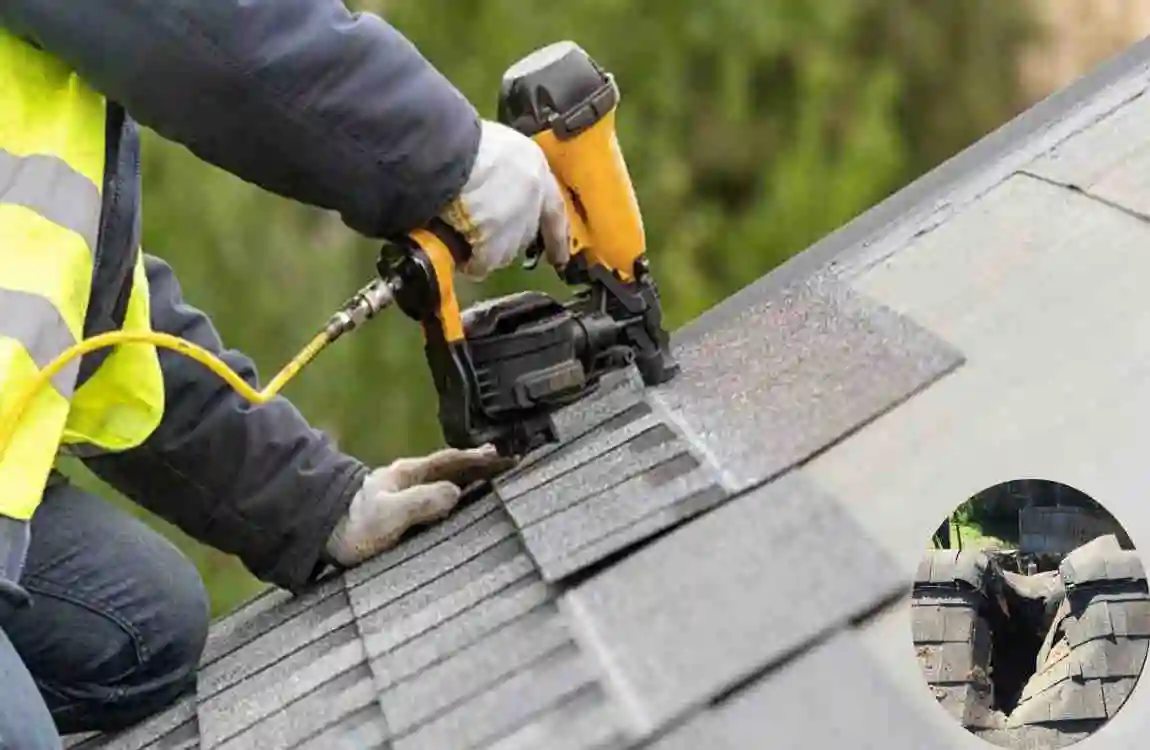
Damaged shingles are removed and replaced with matching materials.
Flashing Repairs
Loose or bent flashing around vents and chimneys gets resealed or replaced.
Underlayment Repair
If water reaches the underlayment, the damaged underlayment must be replaced.
Structural Repairs
Severely damaged decking or framing requires reinforcement.
Determine if Replacement Is Needed
If over 30% of the roof is damaged, full replacement may be more cost-effective than repairs.
Wind Mitigation Benefits
Many Jacksonville homeowners qualify for wind mitigation insurance credits when upgrading roofing systems during repairs. These discounts can reduce premiums significantly.
Top Materials for Hurricane-Resistant Roofs in Jacksonville Homes
Choosing durable roofing materials helps reduce future storm damage.
Roofing Material Comparison
MaterialWind Rating (mph)Cost (sq ft)LifespanBest For Jacksonville Homes
Asphalt Shingles 130–150 $3–5 20–30 yrs Budget-friendly upgrades
Metal Roofing 160+ $7–12 50+ yrs High-wind zones
Tile 140+ $10–15 50 yrs Aesthetic, impact-resistant
Asphalt Shingles
Pros
- Affordable
- Easy to repair
- Widely available
Cons
- Shorter lifespan
- Less durable in extreme storms
Metal Roofing
Pros
- Exceptional wind resistance
- Long lifespan
- Fire-resistant
Cons
- Higher upfront cost
- Noisier during rain without insulation
Tile Roofing
Pros
- Stylish appearance
- Durable
- Excellent storm resistance
Cons
- Heavy material
- Expensive installation
Choosing the best roofing for wind damage in Jacksonville often depends on budget, style, and long-term goals.
Insurance Claims for Wind Damage Roof Repair in Jacksonville
Understand Your Policy
Most homeowners’ insurance policies cover wind-related roof damage, but only if caused by sudden storm events.
Steps to File a Claim
- Contact the insurer immediately
- Document damage thoroughly
- Schedule adjuster inspection
- Submit contractor estimate
- Review the settlement offer
Common Claim Denials
Claims may be denied if insurers believe damage came from:
- Old age
- Poor maintenance
- Wear and tear
- Pre-existing issues
Avoid Storm Repair Scams
Be cautious after storms, as contractors often flood neighborhoods.
Avoid companies that:
- Demand full payment upfront
- Pressure for immediate signing
- Lack licensing
- Refuse written contracts
Why Choose Local Experts for Wind Damage Roof Repair in Jacksonville
Knowledge of Jacksonville Building Codes
Local roofers understand:
- Duval County regulations
- Hurricane standards
- Wind resistance requirements
Faster Emergency Response
Local contractors can respond quickly during emergencies.
Better Storm Experience
Jacksonville roofing professionals understand local weather patterns and typical damage.
Benefits of Local Roofing Experts
- Familiarity with local codes
- Faster response times
- Emergency tarping services
- Local reputation accountability
- Warranty-backed service
Prevention Tips to Protect Your Jacksonville Home
Schedule Annual Roof Inspections
Preventive inspections catch minor issues before storms worsen them.
Keep Gutters Clean
Blocked gutters trap water and add weight during storms.
Trim Nearby Trees
Branches can break during storms, damaging roofs.
Upgrade Roof Fasteners
Wind-resistant fasteners improve roof attachment.
Install Wind Mitigation Features
Retrofitting your roof can strengthen storm resistance and reduce insurance costs.
FAQs About Wind Damage Roof Repair Jacksonville
How much does wind damage roof repair in Jacksonville cost?
Costs typically range from $5,000 to $20,000, depending on severity and roof size.
How quickly should roof damage be repaired?
Repairs should begin within 48 hours if possible to prevent leaks and further issues.
Does homeowners’ insurance cover wind damage?
Yes, most Florida policies cover storm-related roof damage if properly documented.
Can I repair wind damage myself?
Minor visual checks are fine, but repairs should be left to professionals for safety.
How long does roof repair take?
Most repairs take 1–3 days, depending on complexity.
Will my roof need to be replaced after every storm?
Not always. Minor damage can often be repaired, unless it is extensive.
Related Posts