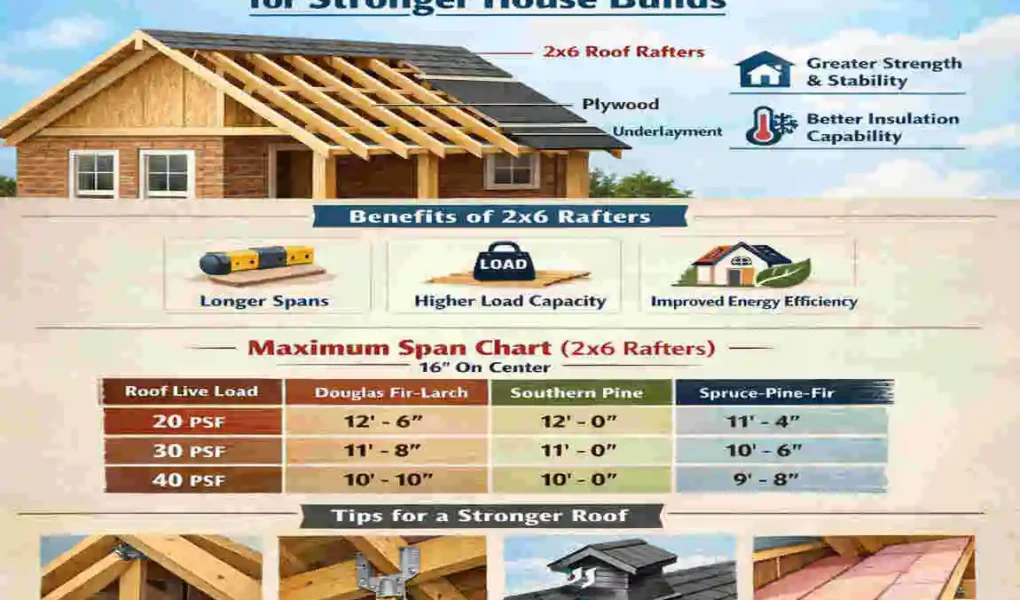
When it comes to building a strong and durable home, the roof is one of the most critical components. Among the many factors that contribute to a well-built roof, the 2×6 roof span plays a vital role. Proper spanning ensures that your roof can withstand the test of time, weather extremes, and even rising material costs. Whether you’re a DIY enthusiast, a professional builder, or a homeowner planning a renovation, understanding the mechanics of 2×6 roof spans is essential.
So, what exactly is a 2×6? While the name suggests a 2-inch-by-6-inch piece of lumber, its actual dimensions are slightly smaller—1.5 inches by 5.5 inches. Despite its compact size, this lumber is incredibly versatile and widely used in residential roofing projects. Depending on factors such as load, pitch, and spacing, a 2×6 can span from 7 to 14 feet, making it a popular choice for modern homes.
Understanding 2×6 Roof Spans
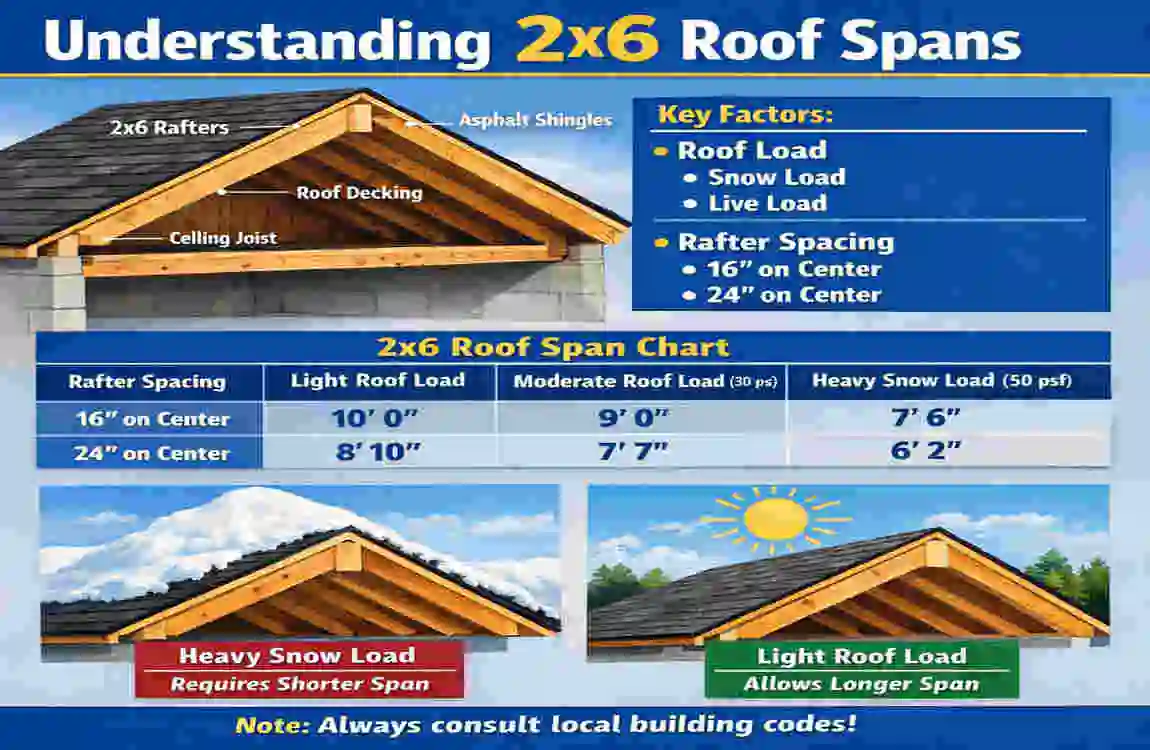
To fully grasp the importance of 2×6 roof spans, it’s crucial to understand how spans are measured and what factors influence their capacity. A roof span refers to the horizontal distance that a piece of lumber can safely cover without additional support. This measurement is critical in determining the strength and stability of your roof.
Span Types: Rafters vs. Joists
- Rafters: These are the sloped beams that form the framework of your roof. They carry the weight of the roof covering and any additional loads, such as snow or wind.
- Joists: Horizontal beams that support the ceiling below the roof. While they don’t bear the same loads as rafters, they still play a key role in structural integrity.
Wood Species and Grade
The type of wood you choose significantly impacts the span capacity. For example:
- Douglas Fir: Known for its strength and durability, this species is ideal for longer spans.
- Southern Pine: Slightly less strong than Douglas Fir but still a reliable choice for residential roofs.
Debunking Common Myths
One common misconception is that all 2x6s have the same span capacity. In reality, factors such as wood grade, spacing, and load conditions can drastically affect the maximum span.
Quick Reference Table
FactorTypical Max Span (16″ OC)
No snow load 12-14 ft
Moderate snow 10-12 ft
Heavy snow 7-10 ft
Span Charts and Tables
When planning a roof, it’s essential to consult span charts that comply with the International Residential Code (IRC). These charts provide detailed guidelines based on spacing, load conditions, and roof pitch.
Ceiling Joist Spans
Ceiling joists typically span shorter distances than rafters because they don’t bear the same loads. However, they still need to meet code requirements to ensure safety.
Rafter Spans by Pitch
The pitch of your roof—measured as the vertical rise over a 12-inch horizontal run—affects the span capacity. Steeper pitches generally reduce the span needs because they distribute loads more efficiently.
Sample Rafter Span Table (Douglas Fir #2, 20 psf live/20 psf dead):
Spacing4/12 Pitch6/12 Pitch8/12 Pitch
12″ OC 14′-6″ 13′-9″ 12′-11″
16″ OC 13′-0″ 12′-3″ 11′-6″
24″ OC 11′-0″ 10′-5″ 9′-9″
Load Scenarios
- Live Load: Includes temporary forces like snow or wind.
- Dead Load: The weight of the roof itself, including shingles, underlayment, and framing.
Key Factors Influencing 2×6 Span
Several variables can shorten or extend the safe span of a 2×6. Understanding these factors will help you design a roof that meets both safety and aesthetic standards.
Load Types
- Live Load: Snow and wind are the primary live loads in most regions. For example, areas with heavy snowfall may require shorter spans to handle the additional weight.
- Dead Load: Heavier roofing materials, such as slate or tile, can reduce the maximum span.
Pitch Effects
Steeper roof pitches distribute loads more effectively, reducing the strain on individual rafters. This allows for slightly longer spans compared to flatter roofs.
Spacing and Grade
The spacing between rafters or joists also affects span capacity. Closer spacing (e.g., 12 inches on center) allows for longer spans, while wider spacing (e.g., 24 inches on center) requires shorter spans.
Pro Tips
- Check local building codes for snow load requirements.
- Use online span calculators for precise measurements.
- Avoid overloading your roof with heavy materials unless you add additional support.
Best Practices for Stronger Builds
Building a roof with 2x6s requires careful planning and execution. Here are some best practices to ensure a durable and code-compliant structure.
Step-by-Step Framing Guide
- Select Graded Lumber: Always use lumber that meets or exceeds the required grade for your project. Inspect each piece for defects, such as knots or cracks.
- Proper Birdsmouth Cuts: These cuts allow rafters to sit securely on the top plate of the wall. Ensure the cut depth doesn’t exceed 1/4 of the rafter’s depth.
- Collar Ties and Ridge Beams: These components help control lateral thrust and enhance roof stability.
- Ventilation: Proper ventilation prevents moisture buildup, which can lead to rot and structural damage.
Common Errors Table
ErrorConsequenceFix
Over-spanning Sagging, failure. Add purlins
Poor notching, Weak joints, Reinforce with hangers
Ignoring pitch, Uneven loads, consult IRC tables
Advanced Techniques and Upgrades
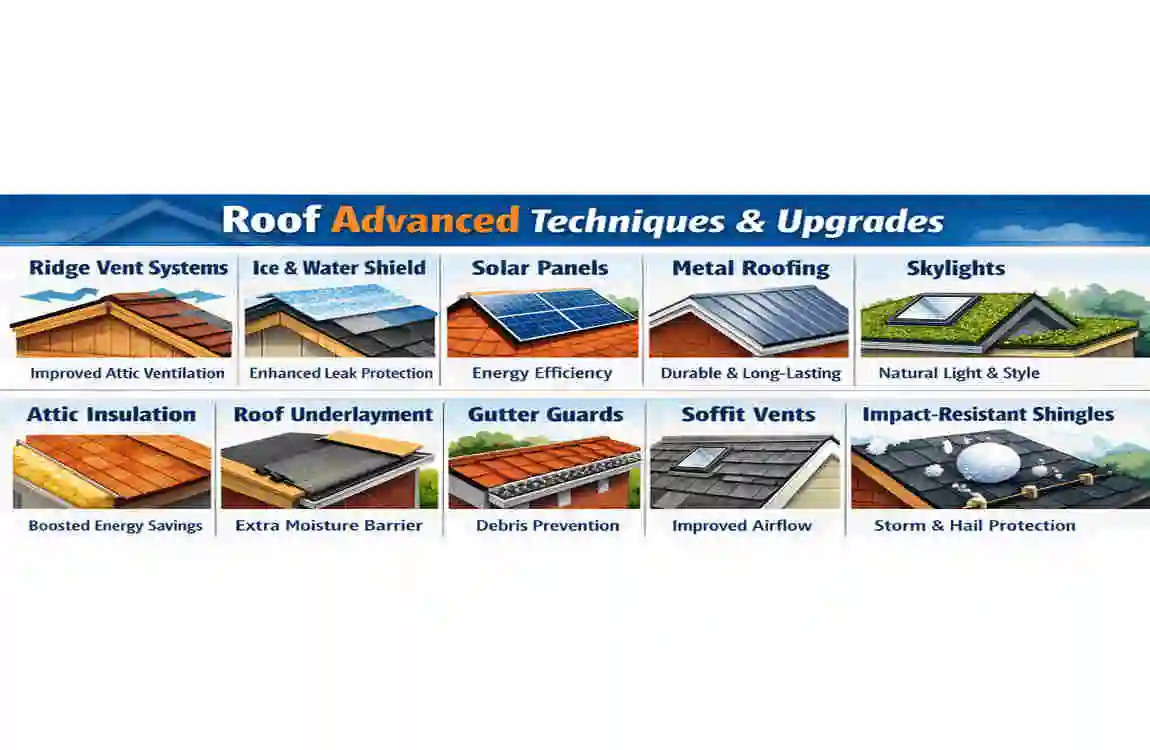
As building techniques evolve, so do the options for roofing materials and methods. Here are some advanced techniques to consider:
Engineered Alternatives
- Purlins or Trusses: These components can extend spans beyond the limits of traditional 2x6s.
- Metal Connectors: Adding metal brackets or plates increases joint strength.
Sustainability
Using FSC-certified wood ensures that your materials are sourced responsibly, reducing the environmental impact of your project.
Comparison Table
MaterialMax Span GainCost Factor
2×6 STD Baseline $$
LVL +30-50% $$$
I-Joists +40% $$$$
Cost Analysis for House Projects
Budgeting is a crucial part of any roofing project. Here’s a breakdown of typical costs for a 2×6 roof installation:
- Lumber Costs: $1-2 per linear foot.
- Labor: $5-10 per square foot.
- ROI: Investing in a stronger roof can reduce insurance premiums by 10-15%.
Savings Table (1,000 sq ft roof):
Span Choice Lumber Needed Total Cost
Optimal 10′ 20% less $8,000
Max 14′ Full $10,000
FAQs on 2×6 Span for Roof
Can a 2×6 span 20 feet?
Rarely. It would require additional support, such as purlins or trusses.
What’s the snow load limit for a 2×6?
It depends on spacing and wood grade, but typically ranges from 7 to 14 feet for heavy snow.
Should I DIY or hire a pro?
While DIY is possible for small projects, professional installation ensures code compliance and long-term durability.
Related Posts